

I remember standing in my kitchen, staring at a puddle of gray water and feeling that sinking pit in my stomach. I had just moved into a home with a septic system, and I thought I was being a hero by grabbing the first bottle of ‘green’ detergent I found at the grocery store. I figured ‘biodegradable’ meant it was safe for everything. It wasn’t. A few months later, my sink started gurgling, and the dishwasher smelled like a damp basement. It turns out, I was accidentally killing the very bacteria my septic tank needed to survive. It was a messy, expensive realization that taught me a lot about what actually goes down our drains. Today, I’m going to share exactly how to pick a detergent that keeps your dishes sparkling without ruining your plumbing or the planet.
My septic tank nearly staged a coup because of my ‘green’ habits
For years, I believed that if a label had a leaf on it, it was fine. That was my first big mistake. I learned the hard way that many ‘eco-friendly’ brands still contain surfactants that can disrupt the delicate ecosystem of a septic tank. I even dealt with a weird residue where my dishwasher left a white film on everything I owned. It wasn’t the machine’s fault; it was the chemistry. According to the EPA’s Safer Choice program, products must meet strict safety criteria for both human health and the environment, but even then, not all ‘safe’ soaps are equal when it comes to septic performance. I once thought dishwasher pods might be clogging my drain lines, and while that can happen, the real culprit was often the fillers used in cheap powders. Have you ever noticed your sink gurgling after a heavy wash cycle? That’s your system trying to tell you something is wrong.
Do these biodegradable soaps actually get the grease off?
The biggest fear most of us have is that ‘green’ means ‘weak.’ We’ve all used those soaps that feel like washing dishes with plain water. You scrub and scrub, and the grease just moves around. I’ve found that the impact of hard water on eco-friendly detergent performance is usually the missing link. If you have hard water, a biodegradable soap needs a little help, or it’ll just fail. I wasted so much money on high-end brands before realizing I just needed to adjust my approach. We aren’t just looking for something that disappears; we need something that breaks down fats without killing the ‘good bugs’ in the tank. It’s a balancing act, but once you find the right brand, you’ll never go back to the harsh stuff.
Pick ingredients that play nice with your tank
Stop reading detergent labels like they are a mystery novel and start looking for the core chemistry. When I first switched to eco-friendly options, I didn’t realize that surfactants are the real deal-breakers. These are the compounds that break tension so water can wash away grease. For a septic system, you want non-ionic surfactants which are generally less toxic to the bacteria living in your tank. I once made the mistake of using a heavy-duty phosphate-based pod because I had a stack of greasy lasagna pans. Two days later, my drain lines were sluggish. That experience taught me that the truth about tablet vs powder detergent residue build up is real; powder often dissolves more completely in shorter cycles, which is a win for your plumbing. Avoid anything with ‘chlorine’ or ‘antimicrobial’ on the front. If it kills 99.9% of bacteria on your plate, it’s going to do the same to the hardworking microbes in your septic tank.
Conquer hard water without the heavy chemicals
Hard water is the ultimate enemy of the ‘green’ lifestyle. If your water is full of calcium and magnesium, it’s like trying to wash your dishes with a coat of invisible wax. I remember pulling out a set of clear glasses that looked like they had been frosted with powdered sugar. I thought my new detergent was a failure, but it was just mineral interference. You can combat this by using a splash of white vinegar in the rinse aid compartment or by learning how to remove hard water spots without chemicals using citric acid. If you notice a chalky buildup on the internal parts, you should try the eco-friendly way to remove hard water scale from spray arms to ensure water flow remains at peak pressure. 
Keep the guts of your machine clear for better flow
The most expensive ‘natural’ soap in the world won’t work if your machine is physically blocked. I once spent an entire Saturday afternoon troubleshooting dishwasher problems only to find a single popcorn kernel jammed in the pump. To prevent these ‘diagnostics’ headaches, you must regularly maintain the physical filtration system. Start by pulling out the bottom rack and locating the hidden drain screen that most homeowners never clean. If this screen is coated in a gray, waxy sludge, your detergent isn’t reaching its full potential. Rinse it under hot water with a bit of dish soap and a soft brush. While you are down there, check the sprayer holes. It’s surprisingly easy to master the proper way to clean spray arm nozzels using a paperclip to ensure every dish gets hit with the cleaning solution. If you find your machine is struggling to empty, you might need the easiest way to unclog your kitchen sink air gap, as a backup here can force dirty water back into your clean cycle. Lastly, if your machine is acting completely dead, check the simple things before panicking; sometimes it’s just a matter of why your dishwasher fills with water but never begins washing, which often relates to a stuck float switch rather than a failed motor.Most folks think that once they see a numeric error code on the display, the mystery is solved. I used to think the same until a ‘drain error’ turned out to be a fried control board caused by a tiny leak I ignored. In reality, why your dishwasher screen shows a numeric error code is often just the symptom, not the source. If you rely solely on the machine’s self-diagnosis, you might replace a perfectly good pump when the real issue is how to spot corrosion in your control board wiring early. This is where understanding appliance diagnostics becomes your secret weapon. It’s about looking past the obvious. The Association of Home Appliance Manufacturers (AHAM) highlights that as machines become more efficient, their internal sensors become more sensitive, often flagging errors that require a deeper look at the whole system rather than a single part. One of the biggest traps I see people fall into is the ‘warranty safety net’ delusion. We assume that because the machine is new, every headache is covered. But here is the kicker: why your appliance warranty covers parts but not labor costs can turn a ‘free’ repair into a $200 bill for the service call alone. Even worse, I’ve seen homeowners try to save a few bucks by using a generic replacement part they found online, not realizing that why third-party parts frequently void your service plan. If a technician sees a non-OEM part, they can legally deny your entire claim. It’s a brutal way to learn about the fine print that voids your appliance service plan. 
Is it worth testing the electrical components yourself?
If you are ready to move past basic cleaning and into the guts of the machine, you need to stop guessing. Everyone says ‘it’s probably the heating element,’ but ‘probably’ doesn’t cut it when you are ordering expensive parts. In my experience, the only way to be sure is to use the only multimeter settings you need for appliance repair. You can’t just look at a wire and know it’s dead; you have to test for continuity. For instance, testing your thermal fuse before buying a new control board can save you over a hundred dollars. I’ve seen so many people toss a whole machine when a five-dollar fuse was the only thing standing between them and clean dishes. However, don’t get over-confident. If you start seeing top signs your dishwasher needs professional diagnostics, like multiple flashing lights or a burning smell, it’s time to step back. Poking around a live circuit without knowing using a voltmeter to check your power cord connection safely is a recipe for disaster. The ‘oops’ factor usually hits when you realize why your warranty claim for a clogged pump might get denied. If the tech pulls out a piece of glass or a collection of cherry pits, that’s considered ‘user error’ or ‘lack of maintenance,’ and the manufacturer won’t pay a dime. They expect you to keep the hidden drain screen that most homeowners never clean spotless. It’s a hard pill to swallow, but maintaining the machine is actually a condition of the warranty. Have you ever fallen into this trap? Let me know in the comments! I’d love to hear your ‘expensive mistake’ stories so we can all learn what to avoid next time.
Don’t let a five-dollar part trick you into buying a new machine
I’ve spent too many years watching friends replace entire appliances because they didn’t have a simple ten-dollar tool in their drawer. If you want to stop the cycle of expensive service calls, you need to own a basic digital multimeter. It’s not just for electricians; it is the only way to move from guessing to knowing. I use mine to avoid the frustration of testing your door switch with a basic continuity test. Instead of wondering if the latch is broken, I can prove it in thirty seconds. Sometimes, the fix is even simpler than electricity. I’ve seen people panic over a machine that won’t start, not realizing they could have figured it out by how to test a door latch using a screwdriver handle to see if the mechanical catch is actually engaging. These are the small, specific skills that separate homeowners who pay for repairs from those who handle them. If you’re nervous about the technical side, start with the only multimeter settings you need for appliance repair and build your confidence from there. Once you realize that most failures are just broken circuits or loose connections, the fear of the machine disappears.
How do I keep my dishwasher running like new for a decade?
Consistency beats intensity every single time when it comes to appliance health. You can’t just run a cleaning cycle once a year and expect the internal components to stay pristine. I personally keep a schedule for how to replace a snapped drain hose clamp yourself before it actually fails and floods the kitchen. It sounds like overkill until you’re the one dealing with a warped subfloor. Beyond the physical parts, you need to think about the software. We are entering an era where why your smart dishwasher needs a firmware update to save water is a real conversation. Manufacturers are constantly tweaking the algorithms that control water temperature and spray duration to better handle the eco-friendly detergents we discussed earlier. According to technical service bulletins from Bosch Appliance Service, ensuring your machine has the latest software can actually prevent solenoid wear by optimizing the water intake cycles. 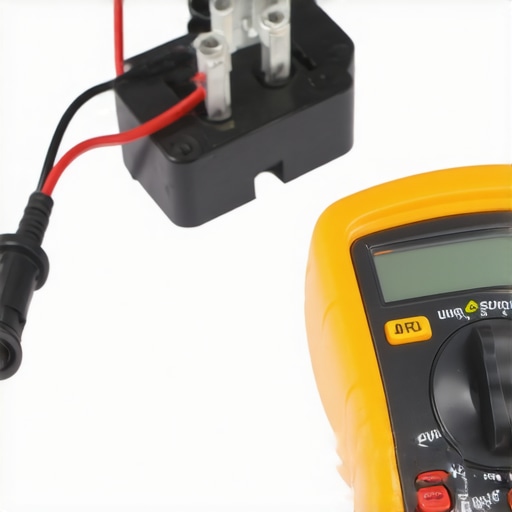
The future of dishwashing is smarter and more sensitive
Looking ahead, I predict we will see a shift toward ‘sensor-first’ maintenance. We are already seeing machines that can detect the exact turbidity of the water and adjust the detergent release accordingly. This is great for your septic tank because it prevents the over-sudsing that kills bacteria. However, it means your diagnostic skills have to level up. You’ll need to know how to swap a faulty water inlet valve in 15 minutes because as sensors get more precise, they also become less tolerant of mineral buildup. If you want to stay ahead of the curve, stop treating your dishwasher like a ‘set it and forget it’ box. I want you to try one thing today: go perform testing your door switch with a basic continuity test if you’ve noticed any hesitation when you close the door. It’s the easiest way to start your journey toward being your own best technician and saving thousands of dollars over the life of your home appliances.
Lessons from the Kitchen Floor That Saved My Septic Tank
One of the biggest ‘lightbulb’ moments I had was realizing that ‘biodegradable’ is a marketing term, but ‘septic-safe’ is a biological requirement. I spent months frustrated by the impact of hard water on eco-friendly detergent performance, thinking my machine was dying when it was actually just chemistry. I learned that a $15 multimeter is more valuable than a $500 warranty extension. If you can master the only multimeter settings you need for appliance repair, you stop being a victim of the ‘repair or replace’ cycle. Lastly, don’t ignore the small stuff; a simple cleaning of the drain screen prevents the sludge that leads to why your appliance warranty covers parts but not labor costs when a technician finally shows up to find a preventable clog.
My Survival Kit for Avoiding a $400 Service Call
To keep your system running smoothly, I recommend keeping a ‘maintenance log’ right in your kitchen drawer. This should include the date you last cleaned the filters and any weird sounds you’ve heard. I always keep troubleshooting dishwasher problems bookmarked on my phone for those late-night gurgling emergencies. Knowing when to trust a warranty for dishwasher repairs versus when to grab a screwdriver yourself is a skill that saves thousands over a lifetime. I also highly recommend keeping a small bag of citric acid on hand; it’s the most effective, septic-safe way to keep your spray arms from clogging without using harsh chemicals. #IMAGE_PLACEHOLDER_E#
Stop Fearing the Flashing Lights and Own Your Repairs
It is easy to feel overwhelmed when your machine starts blinking, but remember that these codes are just the machine trying to talk to you. By learning how appliance diagnostics can save your warranty benefits, you are not just fixing a machine; you are protecting your home investment. Even if you ultimately decide to call a pro because you see the top signs your dishwasher needs professional diagnostics, having your own data ready makes the process faster and more professional. You have the power to keep your kitchen running and your septic tank happy without the constant fear of a breakdown. Have you ever had a simple cleaning task turn into a major repair mystery? Let me know in the comments below!