
Ever had your dishwasher suddenly stop working right when you need it most? I remember the exact moment—standing there, soap suds everywhere, and my dishes still dirty. It was frustrating, but that lightbulb moment sparked my journey into troubleshooting appliance issues. Today, I want to share how I turned my frustration into confidence and how you can do the same with your dishwasher. Whether it’s leaks, weird noises, or failure to drain, mastering basic diagnostics can save you time, money, and the hassle of waiting for a repair technician. If you’re tired of guessing what’s wrong or just want to understand your appliance better, you’re in the right place. We’ll walk through the common problems, how to identify them, and when it’s best to call in the pros. So, have you faced a dishwasher breakdown that left you scratching your head? Don’t worry, I’ve been there, and I’ve learned a thing or two about fixing it myself.
Identify the Symptom
Start by observing what’s wrong. Does the dishwasher refuse to start, leak, or make strange noises? For example, I once noticed my dishwasher not draining after a cycle. I checked the filter and drain hose, which were clogged with debris. Recognizing the specific symptom guides the next steps.
Check Basic Components
Inspect the power supply, door latch, and control panel. Make sure the dishwasher is plugged in, the door closes securely, and the control panel displays activity. I once found that a loose door latch prevented the cycle from starting, which was an easy fix.
Examine the Water Supply and Drainage
Ensure the water inlet valve is open and the hose isn’t kinked or blocked. For drainage issues, check the drain hose and the garbage disposal if connected. I had a blockage in the drain hose that caused water to pool at the bottom, which I cleared with a long brush.
Test the Pump and Motor
If the dishwasher fills with water but doesn’t drain, the pump or motor may be faulty. Listening for the drain pump during the cycle can reveal if it’s working. I once heard a grinding noise indicating a faulty pump bearing, so I replaced the pump assembly.
Inspect the Float and Switch
The float assembly prevents overflow by signaling the water level. If stuck, it can cause improper filling or draining. I cleaned and tested my float switch, which fixed a leaking issue.
Check for Leaks
Look for water around the door seal, hoses, or underneath the unit. A torn door gasket was the culprit in my case, and replacing it stopped the leaks.
Use Troubleshooting Resources
Utilize guides like Troubleshooting Dishwasher Problems to understand complex issues. If problems persist after these checks, consider professional diagnostics or consulting a technician.
Document and Test
Keep notes on what you’ve checked and the results. Run the dishwasher through a cycle to verify repairs. This process was invaluable when I replaced a faulty inlet valve—testing confirmed the fix.
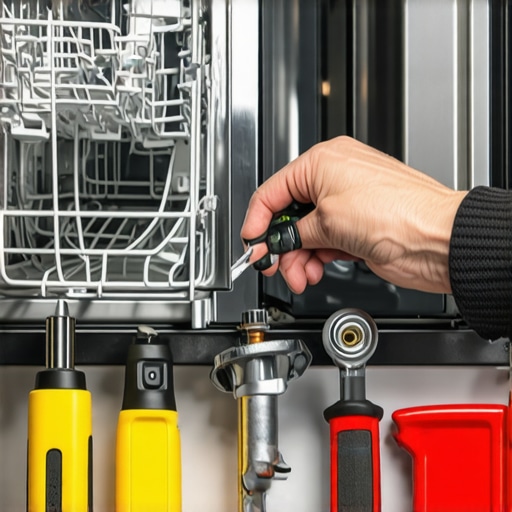 Many DIY enthusiasts believe that following a step-by-step troubleshooting guide guarantees success, but the reality is more nuanced. Common myths include the idea that if a part isn’t visibly damaged, it’s fine, or that replacing the most frequently faulty component will fix everything. In my experience, these assumptions can lead to overlooked issues and wasted effort. For example, a clogged pump might seem fine visually but could have internal wear affecting performance, which only detailed diagnostics can reveal. Relying solely on visual inspection is a trap—sometimes, the fault lies in a sensor or electronic control board that appears functional but isn’t sending correct signals. Advanced diagnostics, like using multimeters or specialized tools, can uncover hidden faults that simple checks miss. This is especially true in complex systems where multiple components interact. For instance, a faulty float switch might not trigger a leak problem visibly, but advanced testing will show inconsistent signals, avoiding unnecessary part replacements. Many people get caught up in the myth that all problems are mechanical, but often the root cause is electronic or control system related. This is why understanding the nuances of appliance diagnostics is critical—an improper diagnosis can void warranties or cause further damage. According to experts, like those at the Appliance Repair Association, leveraging diagnostic tools not only improves repair accuracy but also preserves warranty benefits by ensuring proper part replacement. It’s tempting to jump straight into replacing parts, but I recommend a thorough diagnostic process first. Misdiagnosing issues can lead to unnecessary expenses, and sometimes, the problem is a simple fix that isn’t immediately obvious. Have you ever fallen into this trap? Let me know in the comments. For more insights, check out Troubleshooting Dishwasher Problems to deepen your understanding of appliance diagnostics and avoid costly mistakes.Keeping your dishwasher running smoothly over time requires the right tools and consistent maintenance habits. I personally rely on a few specialized items that make diagnostics easier and repairs more precise. A multimeter is essential; I use mine to test electrical components like switches and sensors, ensuring they operate within specifications. For example, when troubleshooting electronic control boards, a multimeter helps verify voltage outputs and continuity, preventing unnecessary part replacements. A digital inspection camera is another game-changer. I use it to peek inside inaccessible areas like spray arms and pump housings, spotting blockages or wear without dismantling the entire unit. This saves time and reduces the risk of damaging delicate parts. Additionally, having a set of precision screwdrivers allows me to handle small fasteners without stripping them, which is critical when working on tightly secured panels or control modules. For cleaning, a long, flexible brush helps clear debris from drain hoses and filters, maintaining optimal drainage and water flow. As technology advances, I predict diagnostic tools will become even more integrated with smart home systems, enabling remote troubleshooting and software-based diagnostics. This could dramatically reduce the need for physical repairs and improve long-term appliance longevity. To keep your dishwasher in top shape, regular maintenance is key. I recommend inspecting door seals quarterly, cleaning filters monthly, and running a descaling cycle with a dishwasher cleaner every few months to prevent mineral buildup. These small steps can extend the lifespan of your appliance and prevent many common issues. When it comes to staying ahead of problems, understanding your dishwasher’s diagnostics can be invaluable. For more insights on this, check out Understanding Appliance Diagnostics. If you’re interested in more advanced troubleshooting techniques, I suggest trying out a multimeter to test your control board connections—it’s a simple step that often reveals hidden issues. Remember, investing in the right tools and establishing a routine maintenance schedule can save you money and frustration down the line. Proper care combined with diagnostic know-how ensures your dishwasher stays reliable for years to come.Ever faced a dishwasher breakdown and felt unsure where to start? Over time, I realized that the key to effective repairs lies in learning from mistakes and recognizing subtle signs of trouble. The hardest lesson I learned was that many issues are hidden behind simple symptoms—like a dishwasher that won’t drain could be caused by a clogged filter, a faulty pump, or even an electronic control glitch. Understanding these nuances prevents unnecessary replacements and saves money. One myth I wish I’d debunked early on is that all electronic issues require professional help; with the right tools and patience, many can be fixed at home. And finally, I’ve discovered that patience and meticulous diagnostics often outperform quick guesses, leading to better long-term results.