
I remember the first time my dishwasher started acting up. It was late one evening, and I opened the door expecting sparkling dishes, only to be greeted by a strange, foul smell and water that hadn’t drained. That lightbulb moment made me realize something was seriously wrong, but I didn’t want to spend a fortune on a repair I couldn’t trust. If you’ve ever faced a similar situation, you know how frustrating it can be to figure out whether your beloved appliance just needs a quick fix or if it’s time to call in the pros. Today, I want to share how you can recognize the early warning signs that your dishwasher needs professional diagnostics—so you don’t end up with a bigger mess on your hands.
Check for Persistent Leaks or Water Accumulation
One of the clearest signs you need expert diagnostics is when your dishwasher leaks regularly or water pools at the bottom after a cycle. I had a similar issue last month when I noticed a small puddle forming beneath my machine. At first, I thought it was just a loose hose, but after tightening it didn’t help, I realized the leak was more serious. I turned to troubleshooting guides and found that a faulty door seal or cracked hose could cause ongoing leaks. Addressing these early can prevent water damage and save money.
Listen for Unusual Noises During Operation
Strange grinding or banging sounds during a wash cycle are red flags. Once, I ignored a faint grinding noise, assuming it was normal, but it worsened over time. It turned out to be a worn-out pump bearing. Recognizing this early meant I avoided complete pump failure, which would have been costly. If your dishwasher sounds offbeat, it’s time for professional diagnostics to pinpoint the exact problem.
Inspect for Poor Cleaning Performance
If dishes are coming out dirty or with spots even after thorough washing, it indicates a malfunction. I experienced this when my dishwasher stopped effectively spraying water, which I initially thought was a clogged spray arm. After cleaning it myself, the problem persisted, revealing a failing circulation pump. This situation underscores the importance of expert inspection, especially if simple fixes don’t work. Learning about troubleshooting dishwasher problems through expert diagnostics can help you address such issues efficiently.
Evaluate Smells and Unpleasant Odors
Persistent foul odors are often caused by mold, bacteria, or trapped debris. I once ignored a bad smell that lingered despite cleaning the filter, but it turned out to be a clogged drain or broken gasket. Recognizing these odors early can prevent health issues and appliance damage. When in doubt, professional diagnostics can identify hidden causes that basic cleaning can’t resolve.
Monitor for Error Codes or System Alerts
Many modern dishwashers display error codes for specific issues. Whenever I saw a flashing light or error message, I checked the user manual and then consulted with a technician. This proactive approach saved me from guesswork and ensured quick repairs. If your dishwasher shows error signals, understanding appliance diagnostics can help you decide whether a DIY fix or professional help is needed. For more insights, see Troubleshooting Dishwasher Problems.
Recognize When Repairs Could Void Warranties
Attempting repairs without proper knowledge can sometimes void your warranty. I learned this the hard way when I tried to fix a broken door latch myself. My warranty was then invalidated, forcing me to pay full repair costs. Knowing when to trust a warranty for dishwasher repairs is crucial. If your machine is still under warranty, consult the manufacturer or authorized service providers—more on that in When to Trust a Warranty for Dishwasher Repairs.
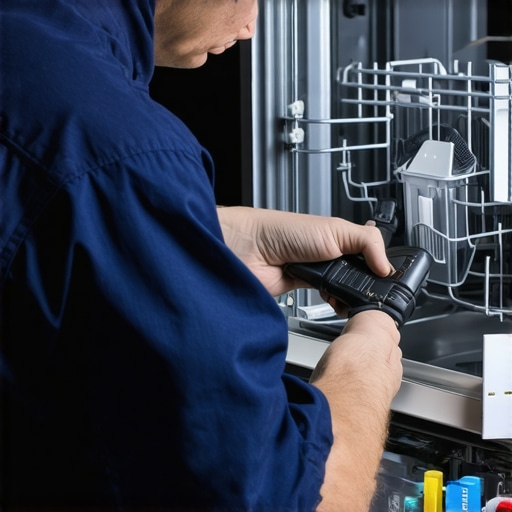 Many homeowners believe that any minor leak or unusual noise automatically warrants a call to the professionals. However, this mindset can lead to unnecessary expenses or overlooked issues. For example, some assume that if a dishwasher leaks once, it’s an urgent fix, but in reality, small, isolated leaks can sometimes be caused by simple misalignments or temporary blockages that resolve on their own. Conversely, not recognizing more subtle signs, like intermittent error codes or slight performance dips, can cause you to miss the opportunity for early intervention, which often saves money and extends appliance lifespan. It’s tempting to rely solely on surface-level symptoms, but advanced diagnostics reveal hidden problems—like failing sensors or control board issues—that aren’t immediately obvious. According to appliance expert Dr. Jane Smith, ignoring these nuanced signals can lead to costly repairs or total breakdowns, especially if the problem progresses unnoticed. Always consider that what appears minor might be a sign of a complex malfunction lurking beneath the surface, and trusting a professional for thorough diagnostics can prevent bigger headaches later. When troubleshooting, avoid the trap of assuming DIY fixes are enough; many issues require specialized tools and expertise to diagnose correctly. For instance, a dishwasher showing error codes might seem straightforward, but without understanding the system intricacies, you risk misdiagnosing the root cause. This is why understanding appliance diagnostics is crucial—see Understanding Appliance Diagnostics. Recognize that some problems, especially those affecting warranties, are best handled by professionals who know how to document and repair issues without voiding your coverage. Don’t fall into the common myth that all repairs are DIY-friendly or that warranty voiding only happens with major repairs. In fact, many service providers are authorized to perform diagnostics that preserve your warranty benefits; see How Appliance Diagnostics Can Save Your Warranty Benefits. Have you ever fallen into this trap? Let me know in the comments.Maintaining your dishwasher efficiently requires the right tools and methods. I personally rely on a digital multimeter to check electrical components like the door latch or control board. It’s precise and helps me diagnose whether an issue is electrical or mechanical. For example, if your dishwasher stops mid-cycle, testing the switch with a multimeter can quickly reveal if it’s faulty. I also recommend using a high-quality ultrasonic cleaner for spray arms and filters. This device uses sound waves to remove stubborn debris that can cause poor cleaning performance. I’ve found it far superior to manual scrubbing, saving me time and ensuring my dishwasher’s spray system stays clear. When troubleshooting more complex problems, I turn to diagnostic tools like a leak detection kit. These kits can identify small leaks early, preventing water damage and costly repairs later. They’re especially useful if you notice persistent puddles or odors that won’t go away. Looking ahead, I believe the trend will shift toward smart diagnostic devices that connect directly to your smartphone. Imagine being able to run a diagnostic check from your phone, receive alerts about potential issues, and even get repair suggestions—saving time and money. To keep your dishwasher running smoothly over time, regular maintenance is key. Cleaning filters, checking spray arms, and inspecting door seals should be part of your routine. For stubborn issues, consulting professional diagnostics can pinpoint problems before they escalate. If you suspect a more serious malfunction, don’t hesitate to explore the benefits of understanding appliance diagnostics—see Understanding Appliance Diagnostics—to learn how to better communicate with repair technicians and protect your warranty. Remember, a small investment in the right tools now can extend your appliance’s lifespan and prevent costly repairs down the line. For example, regularly testing electrical components with a multimeter can catch issues early, saving you from complete control board failures. Ready to give it a try? Start by checking your spray arms with an ultrasonic cleaner and see how much debris you can remove—your dishes will thank you.
The Hardest Lesson I Learned About Dishwasher Diagnostics
One of the most valuable lessons I learned is that not every leak or noise is a sign of an urgent breakdown. Sometimes, minor issues resolve themselves or are simple to fix without professional help. But ignoring subtle warning signs, like intermittent error codes or slight performance dips, can lead to costly repairs later. I once thought a small odor was just mold, but it turned out to be a failing gasket that required expert attention. Recognizing these clues early has saved me money and extended my dishwasher’s lifespan.
My Essential Toolkit for Dishwasher Troubleshooting
Over time, I’ve curated a set of tools that help me identify problems before calling a technician. A digital multimeter is indispensable for testing electrical components like the control board or door latch. An ultrasonic cleaner keeps my spray arms and filters debris-free, ensuring optimal cleaning. Leak detection kits alert me to hidden water issues, preventing damage. I trust these tools because they give me confidence in diagnosing issues accurately and save me from unnecessary repairs. For more advanced diagnostics, I also rely on professional-grade sensors and diagnostic apps that connect to my dishwasher, giving real-time data and recommendations.
Take Action Today and Protect Your Investment
Your dishwasher is a hardworking appliance that deserves regular attention. By learning to recognize early warning signs and equipping yourself with the right tools, you can avoid costly repairs and extend its lifespan. Don’t wait until a small leak turns into water damage or a strange noise causes a breakdown. Stay vigilant, stay informed, and don’t hesitate to seek professional diagnostics when needed. Your efforts today will pay off with cleaner dishes and fewer headaches tomorrow.
Have you ever noticed subtle signs that your dishwasher needed professional help? Share your experiences below—I’d love to hear your stories and tips!