

I stood there in my socks, feeling that unmistakable, cold squish of soapy water soaking into the kitchen rug. It was nearly midnight, and my ‘set it and forget it’ routine had just backfired spectacularly. My dishwasher hadn’t drained, and a thick, grey slurry was creeping toward my hardwood floors. After years of thinking I was a pro at appliance maintenance, I realized the very thing I used for convenience—those colorful little detergent pods—was the primary suspect in my drainage nightmare. I’d fallen for the marketing hook, line, and sinker, never realizing that my machine’s plumbing was slowly being choked by undissolved plastic film and concentrated surfactants. If you have been troubleshooting dishwasher problems only to find the same persistent standing water, you are not alone. Today, I am going to show you why these pods fail and how you can get your kitchen back to running smoothly without a massive repair bill.
The Hidden Mess Behind Your Pre-Measured Detergent
I used to think more soap meant cleaner dishes. In fact, one of the biggest mistakes I made early on was ‘doubling up’ on pods for extra-dirty loads. That is a fast track to a service call. Most modern machines are designed for efficiency, and they simply don’t use enough water to break down the outer casing of multiple pods. This leads to a waxy buildup that eventually narrows your drain hose. When you look at the impact of powder vs pods on your machines lifespan, you start to see that the convenience of the pod comes with a hidden maintenance cost. That undissolved ‘plastic’ is often polyvinyl alcohol (PVA), which is supposed to be water-soluble, but under the wrong conditions, it turns into a gummy adhesive that traps food particles. Before you know it, you are trying to figure out how to spot a failing drain pipe when the real issue is just a massive soap clog.
Are these convenient little squares actually sabotaging your plumbing?
It sounds like a conspiracy, doesn’t it? But the reality is about chemistry, not a secret plot. According to industry data from the American Cleaning Institute, modern detergents require a specific thermal threshold—usually at least 120°F—to fully activate and dissolve. If your water heater is set too low, or if you aren’t running the kitchen sink hot before starting a cycle, that pod is going to sit there like a lump of clay. This residue eventually migrates into the sump, where it can cause your sensors to misread water levels. I’ve seen cases where warranty claims were denied simply because the owner never bothered cleaning the sump filter of this waxy buildup. Have you ever pulled out a load of laundry or dishes only to find a half-melted pod stuck to the side of the tub? I want to hear your horror stories—did it lead to a leak or just a messy re-wash? This buildup isn’t just an eyesore; it’s a physical barrier that prevents your machine from breathing. In the next section, we’ll dive into the specific steps to flush out this gunk before it hardens into a permanent obstruction.
Purge the Gunk Before It Hardens
I remember the first time I actually pulled the filter out of my three-year-old Bosch. I expected some food scraps, maybe a stray toothpick. Instead, I found a translucent, jelly-like mass that looked like a science experiment gone wrong. It was the ‘ghost’ of a dozen undissolved pods. To fix this, you have to start at the floor of the machine. Remove the bottom rack and twist the cylindrical filter out. If you have noticed the truth about tablet vs powder detergent residue build-up, you will likely see a slimy film coating the mesh. Use a soft-bristled brush to gently scrub this away; otherwise, you are just recirculating dirty, soapy sludge every cycle. 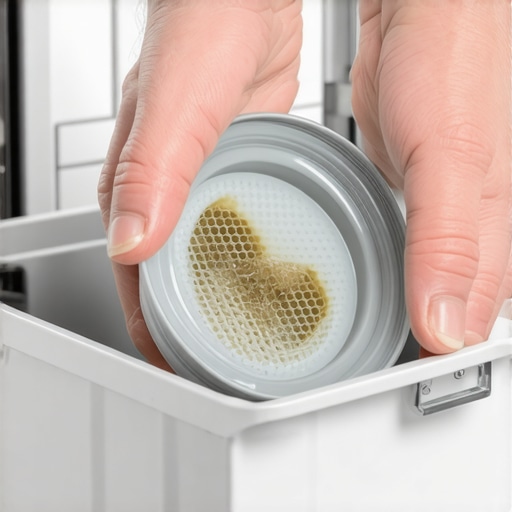
Scour the Impeller for Hidden Debris
Sometimes the clog is not in the filter, but deeper in the ‘throat’ of the drain. I once spent two hours wondering why my machine would not drain, only to find a tiny piece of plastic film from a pod wedged right in the impeller blades. You can often reach this area by removing a small plastic cover near the filter housing. If the water is deep and will not budge, learning how to clear a blocked impeller with a shop vacuum is a literal lifesaver. It sucks the obstruction out through the drain path, often saving you from a two hundred dollar plumbing bill.
Reset the System with High-Heat Flushes
Once the physical gunk is out, you need to address the chemical residue. Think of this like clearing a clogged artery. Fill a glass bowl with white vinegar, place it upright on the top rack, and run the hottest cycle your machine offers. This helps dissolve that PVA plastic buildup that hides in the drain hose. While you are at it, how to clean your dishwasher interior with a single cup of vinegar is the most cost-effective maintenance hack I know. It breaks down hard water scale that binds with the soap residue, keeping your internal sensors accurate.
Run Your Own Diagnostics Without a Pro
If the water still will not move, the problem might be electronic rather than physical. Modern machines are basically computers that happen to wash dishes. You can often bypass the user interface to see what the machine ‘thinks’ is wrong. Accessing the secret diagnostic mode hidden on your touch control panel can reveal error codes that point directly to a failing drain pump or a stuck float switch. Speaking of which, you do not need fancy tools to check the hardware; knowing how to test your dishwashers float switch with a pencil can tell you instantly if the mechanical trigger that stops the water flow is jammed by soap scum. If your machine is still throwing a fit, you might even find your warranty claim got denied because of your garbage disposal being improperly connected, so always verify that the knockout plug was removed before assuming the pump is dead.But even when the plumbing is perfect, the brain of the machine might be the source of your headache. People often believe that a ‘smart’ dishwasher is a self-healing machine, but in reality, the more sensors your unit has, the more variables can trigger a false positive on a drain error. Everyone says these high-tech features make life easier, but in my experience, they are actually maintenance traps that require a higher level of user awareness. I’ve seen countless homeowners get frustrated because they think their pump is dead, when in fact, the machine just needs a digital handshake. This is why your smart dishwasher needs a firmware update to save water and maintain sensor accuracy. Modern units rely on delicate optics and conductance sensors that can be blinded by a single drop of undissolved pod film, causing the system to ‘panic’ and stop the cycle prematurely. 
The Fine Print That Voids Your Coverage
Let’s talk about the ‘Oops’ factor that most people miss until it’s too late. You might think your expensive extended service plan is a total safety net for any drainage catastrophe. However, the biggest mistake is assuming that ‘coverage’ equals ‘guaranteed fix.’ Many technicians will tell you that the clause in your service plan that voids coverage for hard water or ‘lack of routine maintenance’ is the most utilized loophole in the appliance industry. According to data from the Association of Home Appliance Manufacturers (AHAM), consumer-neglect—specifically regarding filter cleaning and mineral descaling—is a primary factor in nearly 30% of early appliance failures. If you haven’t been understanding appliance diagnostics improving your warranty claims, you could be left footing the bill for a technician’s visit even if the parts themselves are technically covered. Have you ever fallen into this trap? Let me know in the comments.
Why does your dishwasher screen show a numeric error code instead of just saying what is wrong?
It feels like a secret language, doesn’t it? Manufacturers claim numeric codes are for ‘efficiency,’ but they also keep you tethered to their proprietary service network. If you aren’t savvy enough to look up why your dishwasher screen shows a numeric error code, you might call for an emergency pro when a simple hard reset or a sensor wipe would have sufficed. Furthermore, you must be extremely wary of the distinction between types of protection. Understanding the real difference between service plans and manufacturer warranties can save you hundreds of dollars. One might cover the motor for a decade but ignore the labor to install it, while the other might expire just as your sensors start to fail from hard water buildup. Recognizing the top signs your dishwasher needs professional diagnostics versus a DIY cleaning is the hallmark of a truly expert homeowner. You also have to watch out for the ‘parts-only’ trap; specifically, why your appliance warranty covers parts but not labor costs is a common shock for many when the invoice arrives. Stay ahead of the machine by treating it like the computer it is, rather than just a box that splashes water.
I used to think a basic screwdriver set and a can-do attitude were enough to keep my kitchen running. That illusion shattered the moment I realized that today’s appliances are less like water-shoveling machines and more like waterproof laptops. If you want to stop feeling helpless when your machine starts blinking, you need to upgrade your tactical approach. For me, that meant moving beyond simple cleaning and into the world of active monitoring. I stopped guessing about power issues and started using a voltmeter to check your power cord connection safely whenever a cycle failed to start. It’s a five-minute check that prevents you from buying a new control board when the real culprit is a loose wire nut in the junction box.
Stop Guessing and Start Measuring
Authority in home repair comes from precision, not luck. When a door starts feeling heavy or drops too fast, you’ll eventually need to know how to replace a snapped door cable using a fishing line hack to save yourself a seventy-dollar OEM part kit. But the real ‘pro’ move is digging into the software. Deep within your machine’s logic is the secret tech menu that calibrates your water sensors. Accessing this allows you to see the actual turbidity levels the machine is sensing. If those numbers are off, your dishes stay dirty because the machine ‘thinks’ the water is cleaner than it is. As noted in the Whirlpool ‘Job Aid’ service manuals—the gold standard for niche repair technicians—proper sensor calibration is often the only way to resolve persistent film issues without replacing the entire sump assembly. 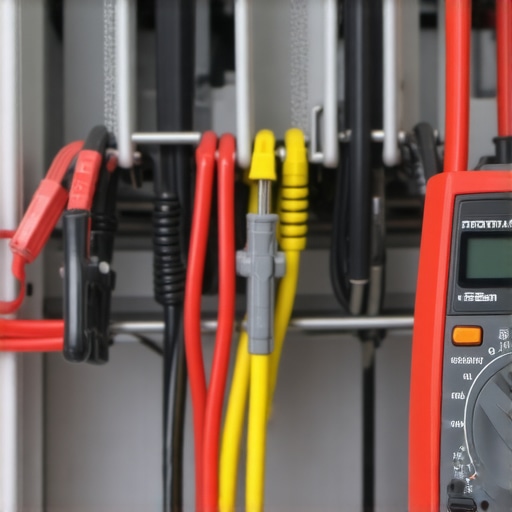
How do I maintain my machine’s efficiency over the long haul?
The secret is consistency and documentation. I recommend how to document intermittent noises for a repair claim by using your phone’s voice memo app the second you hear a new rattle or hum. This creates a digital paper trail that is incredibly hard for a warranty company to ignore. You also have to be hyper-vigilant about what goes back into the machine; I’ve learned the hard way why third-party parts frequently void your service plan. Stick to genuine filters and seals to keep your coverage intact. Furthermore, how appliance diagnostics can save your warranty benefits because it proves you have performed the necessary due diligence before calling for help. Treating your dishwasher like a high-performance engine rather than a trash bin is the shift that separates the amateurs from the experts.
Why Firmware is Becoming More Important Than Your Filter
Looking ahead, I predict that within the next five years, dishwasher repair will shift almost entirely to remote software resets and modular ‘snap-in’ sensor blocks. We are already seeing this trend with ‘Smart’ appliances. This is why firmware updates are essential for new smart dishwashers; a simple code patch can often fix a drainage timing error that previously required a physical technician visit. The traditional tool bag is slowly being replaced by the smartphone. To stay ahead of the curve, I challenge you to try this one advanced tip tonight: access your unit’s diagnostic mode and run a sensor self-test. It’s the quickest way to verify your internal components are communicating correctly before a minor glitch turns into a major flood. You can check out understanding appliance diagnostics improving your warranty claims to learn exactly what those blinking light sequences are trying to tell you.
What I Learned After Three Flooded Kitchens and Too Many Repair Calls
The most expensive mistake I ever made was treating my dishwasher like a passive bucket rather than a precision instrument. I used to ignore the slight hums and the occasional flicker of the control panel, thinking the machine would somehow heal itself. It never did. One massive lightbulb moment came when I realized that how appliance diagnostics can save your warranty benefits is not just a tech suggestion—it is often your only defense against a service technician who wants to blame ‘user error’ for a legitimate mechanical failure. Another hard-learned truth: convenience and longevity are rarely on the same side. If you persist in using pods, you must be twice as diligent about cleaning because that extra soap residue acts like a magnet for hard water minerals, eventually choking your drain lines.
Build Your Own Home Appliance Diagnostic Kit
You do not need a degree in electrical engineering to keep your kitchen running smoothly, but you do need more than just a sponge and some dish soap. I keep a dedicated kit under my sink that includes a basic multimeter, a shop vac, and a strong flashlight. This allows me to perform the simple magnet test for your door latch sensor in seconds if the machine refuses to start. If I see water pooling in the bottom of the tub, I know clearing the air gap to stop sink water from backing up is usually the five-minute fix that saves me from a heavy plumbing bill. I also recommend checking when to trust a warranty for dishwasher repairs versus attempting a DIY job on a motor; while how to fix a loose gasket that interferes with the soap cup is an easy Saturday project, some electronic failures are better left to the pros. #IMAGE_PLACEHOLDER_E#
Take Command of Your Troubleshooting Today
Your dishwasher should not be a source of midnight anxiety. By shifting your focus from ‘set it and forget it’ to active, diagnostic maintenance, you stop being a victim of your appliances and start being their manager. Even daunting tasks like how to replace a cracked sump housing without calling a plumber become manageable when you have the right diagnostic data and the confidence to use it. Don’t let a blinking error code ruin your week—use it as a roadmap to a more efficient, leak-free home. Have you ever found a ‘ghost’ of a melted pod or a strange object stuck in your machine’s impeller? Let me know in the comments below!