

I stood in my kitchen last Tuesday, staring at my favorite wine glass which now looked like it had been dipped in liquid chalk. I was fuming. My first instinct was to assume the worst—that my expensive appliance was finally dying a slow death. I was ready to start troubleshooting dishwasher problems and looking for a repairman’s number. I even worried that my lack of maintenance was about to result in a denied warranty claim. But then I reached into the bottom of the tub and felt it: a thick, gritty, slimy layer of undissolved soap. It wasn’t a mechanical failure at all. It was the ‘convenient’ little tablets I had been mindlessly tossing into the dispenser for months. I realized that my quest for a quick fix was actually choking my machine from the inside out. Today, we are going to peel back the marketing layers and look at why the choice between powder and tablets is about much more than just convenience—it is about the very survival of your dishwasher.
Your Dishwasher Might Not Be Broken but Your Detergent Choice Is
When I first started taking my home maintenance seriously, I made a massive mistake: I thought ‘more is better.’ If a dish was extra dirty, I’d toss in two pods. I didn’t understand the impact of detergent overdose and how it forces the machine to work twice as hard to clear the suds. That residue doesn’t just stay on your plates; it migrates. It finds its way into the hidden spray arm nozzles and coats the sensors that tell your machine when the water is clean. Tablets are essentially highly compressed bricks of chemicals and binders that require very specific temperatures to dissolve. If your water isn’t hot enough from the start, that tablet becomes a slow-moving sludge. Powder, on the other hand, allows you to dose according to your soil level and water hardness, which is a game-changer for preventing the cloudy film on your glasses. We’re going to look at how these different forms affect the lifespan of your machine and why you might need to go back to the old-school cardboard box.
Do These Modern Pods Actually Damage Your Machine?
It is a fair question to ask if something so popular could actually be harmful. The skepticism usually comes from the fact that tablets are the industry standard now. However, research from the University of Arizona’s Water Quality Center suggests that in many residential settings, the binders used to hold tablets together do not fully break down, contributing to a ‘scum’ that can eventually lead to pump blockages. Have you ever noticed a half-dissolved pod sitting in your detergent cup after a full cycle? That is a red flag that your machine is struggling to keep up with the chemistry you’re throwing at it. Before you spend hundreds on professional diagnostics, have you checked the bottom of your filter for a soapy build-up lately?
Strip Away the Soap Scum Before You Switch
You cannot just dump powder into a machine that is already choking on pod wax and expect immediate results. I learned this the hard way last summer when my kitchen smelled like a swamp despite running three cleaning cycles in a row. I spent three hours on my hands and knees because my drain pump sounded like a woodchipper. When I finally got in there, I found a solid chunk of undissolved plastic-and-soap membrane from a generic pod jammed right in the drain impeller. I actually had to learn how to clear a blocked impeller with a shop vacuum just to get the standing water out. Once you have cleared the physical debris, you need to strip the internal coating that those binders leave behind. Instead of reaching for a harsh chemical bomb, knowing how to clean your dishwasher interior with a single cup of vinegar is usually enough to dissolve those lingering fatty acids and binders. It is like giving your machine a detox before you start the new regimen. 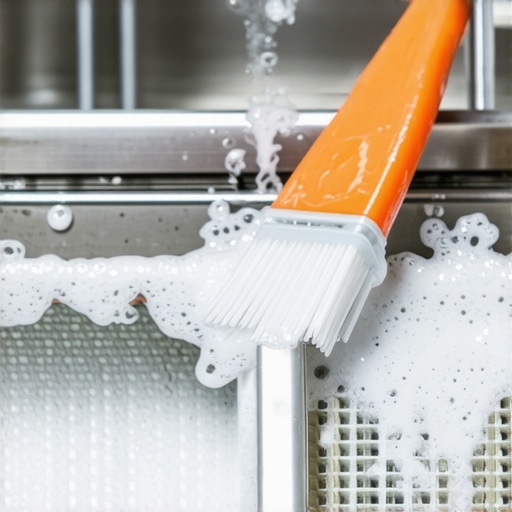
Dose Your Detergent Like a Lab Tech for Cleaner Plates
Switching to powder is an exercise in precision, and it is where most people fail because they treat it like cereal—just pouring it in until the cup is full. Most modern advice on why your high-efficiency machine hates cheap pods boils down to the chemistry of the wash. When you use a pod, you are locked into a ‘one size fits all’ dosage, which is almost always too much for a standard load. This leads to a detergent overdose that etches your glasses. Use the markings in your detergent cup religiously. If you have soft water, you often only need a tablespoon and a half. If you are unsure if your machine is even reading the soap correctly, you can sometimes access the secret tech menu that calibrates your water sensors to see the actual turbidity levels. This level of control is impossible with a pre-measured brick of chemicals.
Give Your Machine a Head Start with the Hot Water Trick
The biggest secret to detergent success is not the brand—it is the thermal entry point. If the first splash of water hitting that powder is cold, the detergent will clump into a gritty rock that sits in the bottom of the tub for the entire cycle. I make it a non-negotiable habit to understand why running the kitchen sink hot prevents cold starts. By running the faucet until the water is steaming before you press start on the dishwasher, you ensure the internal heater does not have to spend thirty minutes just fighting to reach a baseline temperature. This also prevents the common issue where the real reason your detergent cup wont open during the cycle is actually due to thermal expansion issues in the plastic latch. When your water starts hot, the powder dissolves instantly, the enzymes activate immediately, and you avoid the dreaded cold-wash residue that makes why your new machine stays cold during the pre-wash such a common complaint for people who skip this step. Taking these few minutes to prep the water and the machine is the difference between a successful clean and needing to start troubleshooting dishwasher problems yet again.
The Soil Sensor Trap That Foolishly Wastes Your Detergent
Most people believe that pre-rinsing dishes until they are practically clean is the best way to help their dishwasher. In my experience, this is the quickest way to guarantee a poor wash. Modern high-efficiency machines use turbidity sensors to measure how much gunk is floating in the water. If you load ‘clean’ dishes, the sensor tells the computer the water is clear, which then shortens the cycle and lowers the temperature. According to the Association of Home Appliance Manufacturers (AHAM), these sensors require a certain level of food particles to effectively calibrate the detergent’s enzymatic action. Without those particles, the detergent has nothing to latch onto, often resulting in why your dishwasher leaves a gritty film on your glasses because the soap hasn’t been fully ‘used’ or rinsed away. Stop pre-rinsing; let the machine do the job it was engineered to do.
Is your garbage disposal secretly sabotaging your appliance warranty?
This is a nuance many homeowners miss until it is too late. There is a direct physical link between your sink’s disposal and the dishwasher’s drain line. I have seen countless situations where a homeowner calls for a repair because their machine won’t drain, only to find the knockout plug on a new disposal was never removed. Worse yet, why your warranty claim got denied because of your garbage disposal is a common nightmare because manufacturers often view external plumbing obstructions as ‘user error’ rather than a mechanical defect. Before you panic about a dead pump, always check for the red flag your service tech looks for in your drain line, such as a kinked hose or a clogged sink connection. 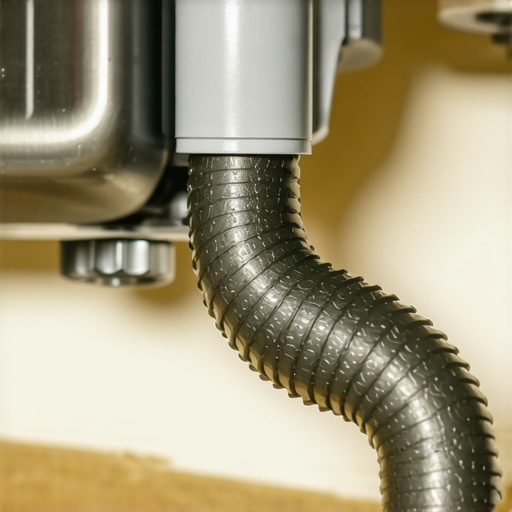
Why your obsession with vinegar is eating your door gasket
We have all heard the advice to run a bowl of vinegar through the machine to keep it fresh. While it works for a quick descale, doing it too often is a massive ‘oops’ factor. Vinegar is an acid, and over time, it can degrade the rubber seals and the internal sump components. I’ve seen machines where the owner used vinegar weekly, only to find the gap in your door gasket you cant see with the naked eye was caused by the rubber becoming brittle and shrinking. If you are worried about buildup, understanding appliance diagnostics improving your warranty claims means knowing when to use a commercial cleaner versus a home remedy. If you notice a leak, don’t assume the whole door is warped; you might just need to learn how to replace a frayed door seal for under twenty dollars before the water damages your flooring.
Don’t Ignore the Technical Heartbeat of Your Machine
When a machine starts acting up—maybe it’s why your machine stops mid-cycle with a flashing clean light—most people assume a circuit board has fried. In reality, it is often a simple communication error or a sensor blocked by a single stray pea. I always recommend that before calling a pro, you access the secret diagnostic mode hidden on your touch control panel. This mode allows the machine to tell you exactly which component is failing, rather than you guessing. This proactive approach is part of how appliance diagnostics can save your warranty benefits, as it provides a clear record of the fault code for the technician. Have you ever fallen into this trap where a simple clog looked like a total machine failure? Let me know in the comments.Once you move past the basic cleaning phase, you enter the realm of the proactive homeowner where a few specific tools can save you thousands in premature replacements. My most-used piece of gear isn’t a specialized wrench; it is a digital multimeter. If your machine isn’t heating the water, most people immediately buy a new element, but I’ve learned that testing your heating element for ground faults with a meter is the only way to be sure you aren’t throwing money away on a perfectly good part. According to the Whirlpool WDF Series Technical Job Aid, a significant percentage of ‘faulty’ heaters returned to the factory actually have zero defects, and the issue was usually a loose wire nut or a scorched control board relay. This is why understanding appliance diagnostics improving your warranty claims is so vital—it gives you the data to prove what is actually broken before a technician even arrives.
Stop Guessing and Start Measuring with a Multimeter
I keep a cheap multimeter in my kitchen junk drawer just for this purpose. You can use it for testing a thermal fuse for continuity without a pro kit if the machine suddenly loses power, or for using a voltmeter to check your power cord connection safely. Beyond electrical, I recommend every owner has a simple dental pick or a sturdy paperclip nearby. You would be shocked how many ‘failing’ pumps are just hidden spray arm nozzles clogged with a single piece of popcorn or a calcium deposit. 
How do I keep my dishwasher running like new for a decade?
Long-term survival for an appliance comes down to two things: gaskets and software. Most people forget that modern machines are essentially computers that handle water. I make it a habit to check for the gap in your door gasket you cant see with the naked eye every six months. If that rubber dries out, the steam escapes, which can fry your external control buttons over time. At the same time, we are entering an era where why firmware updates are essential for new smart dishwashers is becoming a reality. Manufacturers now push over-the-air updates to calibrate water usage and fix bugs that previously required a service call. If your machine has Wi-Fi, don’t ignore those app notifications; they often contain efficiency patches that prolong the motor’s life.
Smart Tech and the Future of Kitchen Maintenance
Looking forward, I predict that we will see more predictive maintenance where the machine alerts you to top signs your dishwasher needs professional diagnostics before the leak even hits the floor. We are already seeing sensors that can detect the specific pitch of a dying circulation motor by its pitch. Until those systems are standard, the best thing you can do is learn troubleshooting dishwasher problems yourself. It builds a ‘service history’ that makes it much easier when to trust a warranty for dishwasher repairs versus when to handle it with a twenty-dollar part and a YouTube video. My challenge for you this weekend: find your machine’s model number and look up the secret diagnostic mode hidden on your touch control panel just to see what codes are stored in the memory. You might catch a minor error before it becomes a major flood.
Hard Lessons from My Soap-Smeared Kitchen
My biggest lightbulb moment did not come from a manual; it came from realizing that a ‘clean’ dishwasher does not necessarily mean it is a healthy one. I used to think as long as the plates looked shiny, I was winning. However, I was actually ignoring the impact of powder vs pods on your machines lifespan by choosing marketed convenience over basic chemistry. I also learned that proactive data is a homeowner’s best friend. By understanding appliance diagnostics improving your warranty claims, I stopped being at the mercy of a service technician’s busy schedule and started speaking their technical language. It turns out most common issues are entirely preventable if you simply pay attention to the subtle residue left behind in the tub.
The Three Tools I Keep in My Kitchen Drawer
If you want to move beyond basic surface cleaning, you need a small but mighty toolkit. First, a digital multimeter is non-negotiable for testing your heating element for ground faults with a meter, as it saves you from buying expensive parts you do not actually need. Second, a simple dental pick or a sturdy paperclip is often more effective than any chemical cleaner for clearing spray arms. Finally, keep an eye on the digital side of things; knowing why firmware updates are essential for new smart dishwashers ensures your machine’s internal computer is running as efficiently as its mechanical pump. These resources turn a frustrating, temperamental appliance into a predictable, high-performing machine.
Take Back Control of Your Cleaning Cycle
You do not have to be a professional mechanic to master troubleshooting dishwasher problems. It starts with simply listening to the rhythm of your machine and choosing the right detergent dose for your specific water hardness. When you treat your dishwasher like the precision engineering tool it is, you finally avoid the heartbreak and embarrassment of the real reason your glasses come out cloudy after a cycle. You have the knowledge now—it is time to stop guessing and start maintaining. Have you ever noticed a gritty, sandpaper-like film on your favorite glasses even after running a heavy-duty cycle? Let me know your experience in the comments below!