

I stood there, staring at my brand-new stainless steel beast, feeling completely defeated. I had just spent a small fortune, and yet, ten minutes into the first cycle, I popped the latch and reached in, expecting a cloud of steam. Nothing. The water was lukewarm at best, and the tub felt like a refrigerator. I was convinced I’d bought a lemon and was ready to demand a refund. But before you call the store in a rage like I did, you need to understand that these new machines play by a completely different set of rules than the old clunkers we grew up with. Today, I’m going to show you why that cold start is happening and how a simple thirty-second habit will change your cleaning results forever. [image placeholder]
Your Hot Water Heater Might Not Be Talking to Your Dishwasher
The biggest shock for most of us is realizing that a modern dishwasher doesn’t just ‘make’ hot water instantly. In fact, many high-efficiency models rely on the water coming in to be at a specific temperature right from the jump. If your dishwasher is sitting at the end of a long plumbing line, that first pre-wash fill is going to be whatever cold water was sitting in the pipes. I learned the hard way that understanding why running the kitchen sink hot prevents cold starts is the single most important ‘hack’ for any new owner. If you don’t clear those lines, your machine spends the entire pre-wash cycle struggling to heat up ice-cold water, which often leads to troubleshooting dishwasher problems expert diagnostics repair tips later on when you realize your soap isn’t even dissolving.
Can a brand new machine really be this finicky?
It feels like a step backward, doesn’t it? You buy a ‘smart’ appliance and then have to babysit the kitchen faucet. But here is the reality: modern units are designed to use as little energy as possible. According to EnergyStar.gov, modern dishwashers use roughly 3 to 5 gallons of water per cycle, compared to the 10 or 15 gallons older machines guzzled. Because there is so little water, the internal heater has a massive job to do in a very short window. I made the mistake of thinking my unit was defective and almost ruined my chance at how appliance diagnostics can save your warranty benefits by filing a false claim that would have cost me a service fee once the tech found ‘no fault.’ Have you ever opened your machine mid-cycle only to find a freezing puddle at the bottom? If so, you aren’t alone, and it probably isn’t a broken part.
The Real Reason for the Chilly Start
We often forget that the pre-wash isn’t actually meant to sanitize; it’s meant to knock the big chunks off. However, if that water is too cold, the detergent won’t activate properly. I spent weeks dealing with a ‘gritty’ film on my plates before I realized I was essentially washing them in a cold bath. It’s not a hardware failure; it’s a timing issue. Understanding the top signs your dishwasher needs professional diagnostics is vital, but most of the time, the solution is much simpler and involves your home’s own water delivery system. I want to walk you through the physics of your kitchen so you can stop worrying about your warranty and start getting the sparkling clean dishes you actually paid for.
Run Your Kitchen Faucet Until the Water Is Scalding
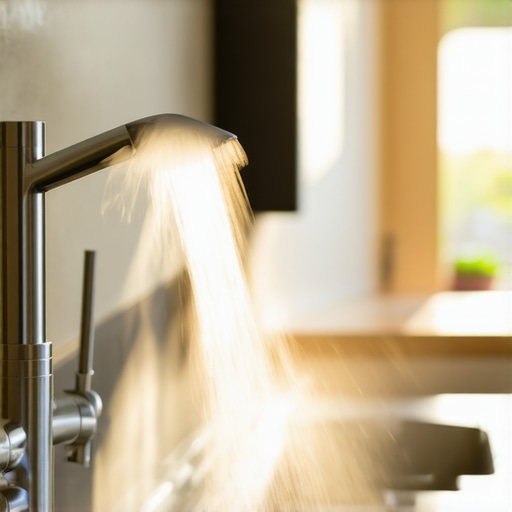
This is the most critical habit you can build for any high-efficiency appliance. Think of your dishwasher like a professional athlete; you would never expect a sprinter to break records without a proper warm-up. When you turn on the kitchen tap and let it run until the water is steaming, you are purging the stagnant, cold water out of the pipes that lead directly to your machine. If you skip this thirty-second task, the dishwasher draws in that first gallon of room-temperature water for the pre-wash. Because modern units are built for extreme energy conservation, they lack the brute power of an industrial boiler to flash-heat that water instantly. I once tried to ‘save water’ by skipping this step during a holiday rush, only to find my expensive detergent pod sitting completely undissolved at the bottom of the tub. That initial cold bath acted as a barrier, preventing the chemical reaction needed to strip away grease. Knowing why running the kitchen sink hot prevents cold starts is the foundation of getting the performance you actually paid for.
Check Your Heating Element Before Blaming the Software
If you have primed the lines and the water inside still feels like a swimming pool twenty minutes into the cycle, it is time to look at the hardware. I have seen countless cases where a minor electrical surge or a simple manufacturing defect causes the heating coil to fail prematurely. You do not need a degree in electrical engineering to perform a basic sanity check. Start by testing your heating element for ground faults with a meter to ensure it is actually receiving the signal to fire up. I remember helping a neighbor who was convinced their machine was possessed because it would just stop mid-cycle. We spent ten minutes learning how to test your dishwashers float switch with a pencil and discovered the float was just stuck on a piece of stray plastic. This caused the machine to think it was empty, which automatically disabled the heater to prevent a fire. Small mechanical obstructions often masquerade as expensive electronic failures.
Why Cheap Pods and Cold Water Create a Gritty Mess
Modern detergent pods are engineered to dissolve in very specific temperature stages. If your machine starts the cycle with cold water, the outer membrane of the pod won’t break down at the correct time, which is exactly why your dishwasher leaves a gritty film on your glasses. I experimented with bulk-buy, off-brand pods last year and the results were disastrous; my glassware looked like it had been scrubbed with sandpaper. The reality is that why your high-efficiency machine hates cheap pods comes down to the enzyme activation temperature. Premium pods are more forgiving, but even the best detergent needs that initial heat boost to start breaking down proteins and fats. If you want to avoid the headache of re-washing everything by hand, you have to ensure the machine isn’t fighting a thermal deficit from the moment you press start. Understanding these nuances is also a key part of how appliance diagnostics can save your warranty benefits, as it helps you identify user-error issues before you call out a technician for a non-existent break.
Most people think they are being helpful by scrubbing every scrap of food off their plates before the machine even starts. I used to be that guy. But here is the truth that appliance manufacturers do not broadcast: why pre-rinsing dishes actually makes your machine less efficient. Modern units use turbidity sensors to ‘see’ how dirty the water is. If you load spotless plates, the sensors signal the board to use less water and lower heat, which eventually leads to grease buildup in the internal guts of the machine. These sensors are calibrated to detect proteins and fats; without them, the machine effectively under-cleans itself. 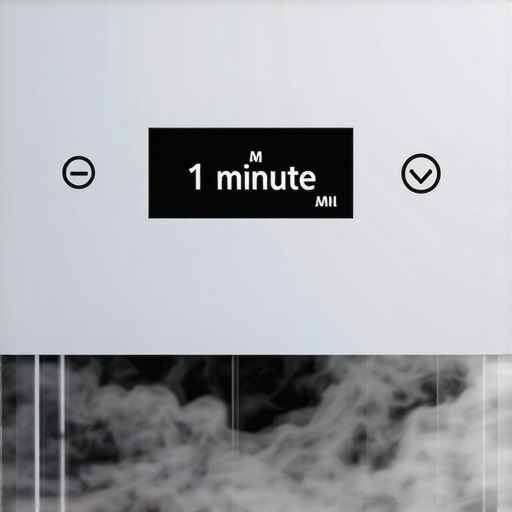
Stop Rinsing Your Plates Before Loading Them
It sounds counterintuitive, but your dishwasher actually needs that grime to function at peak performance. According to the Association of Home Appliance Manufacturers (AHAM), modern sensor-based cycles rely on a specific level of soil to determine cycle length and temperature. If you pre-rinse, you are essentially ‘tricking’ the machine into a low-performance mode. This leads to a gradual accumulation of bio-film in the sump because the water never gets hot enough to fully sanitize the interior. If you are worried about smells, just scrape off the large chunks and let the machine do the job it was engineered for.
Why Does Your New Machine Stay on ‘One Minute’ Forever?
It is the most frustrating sight—staring at that ‘0:01’ for fifteen minutes. This is not usually a software bug; it is often the machine trying to compensate for a lack of heat during the final rinse. If the internal thermostat detects that the water is not at the target temperature for sanitization, it will hold the cycle until it catches up. I have seen homeowners panic and replace the control board when the real issue was just the reason your dishwasher stays stuck on the last minute. Before you assume the brain is dead, check your home’s water heater settings; if your water enters the machine too cold, the cycle effectively ‘stalls’ while the low-wattage heating element struggles to finish the job.
The Warranty Trap Hidden in Your Garbage Disposal
Then there is the ‘Oops’ factor that kills your bank account. Did you know your garbage disposal can void your warranty? I have seen dozens of claims rejected because of a simple drainage backup. Techs often find that why your warranty claim got denied because of your garbage disposal is the number one reason for ‘no-fault’ service fees. If the disposal is clogged or the knockout plug was never removed, the dishwasher cannot drain, which triggers a flood sensor and shuts down the heater. Most manufacturers consider this an ‘installation or maintenance issue,’ not a mechanical failure. Before you call for a pro, you need to be smarter than the machine. Spend time understanding appliance diagnostics improving your warranty claims so you can speak the technician’s language. Often, a ‘broken’ machine is just a victim of the clause in your service plan that voids coverage for hard water or simple user error. Have you ever fallen into this trap? Let me know in the comments.
Calibrate the Brain Instead of Replacing the Hardware
Beyond the hardware, we have to talk about the ‘brain’ of the machine. Most owners do not realize their high-end units have a secret tech menu that calibrates your water sensors. If your machine is constantly under-performing, it might just need a calibration rather than a part replacement. Also, never ignore the Wi-Fi icon; why firmware updates are essential for new smart dishwashers is because manufacturers push patches to fix heating algorithms months after you buy the machine. If you are running on version 1.0, you are essentially washing with ‘beta’ software. Taking five minutes to sync your app could solve a heating issue that no physical repair could ever touch.
Scrub the Filter Before the Odor Starts
If you have never reached into the very bottom of your tub to pull out a cylindrical plastic mesh, you are living on borrowed time. I used to think the machine just ‘ate’ the food particles, but that debris actually collects in a mesh trap that can become a breeding ground for bacteria. Finding the hidden filter most owners never clean in their machine is usually the difference between a fresh-smelling kitchen and a dishwasher that smells like a swamp. I make it a point to spend five minutes cleaning your sump filter with a soft brush to stop foul odors every single month. It is a disgusting job, but it prevents the drain pump from working overtime and eventually burning out.
Grab a Multimeter Instead of Your Credit Card
When my dishwasher completely lost its ability to heat, my first instinct was to call a pro and brace for a $400 bill. Instead, I spent $20 on a basic digital multimeter. This is the single most important tool in my kit. By the specific way to test a thermal fuse for continuity, I discovered that a $15 part had tripped to protect the machine from a minor surge. If I had called a tech, they would have charged me for a full diagnostic and likely a marked-up part. According to the official Service Manual documentation for Whirlpool Gold series models, many ‘no-heat’ issues are simply triggered safety fuses rather than dead elements. Mastering troubleshooting dishwasher problems expert diagnostics repair tips turns you from a victim of appliance failure into a confident home mechanic. 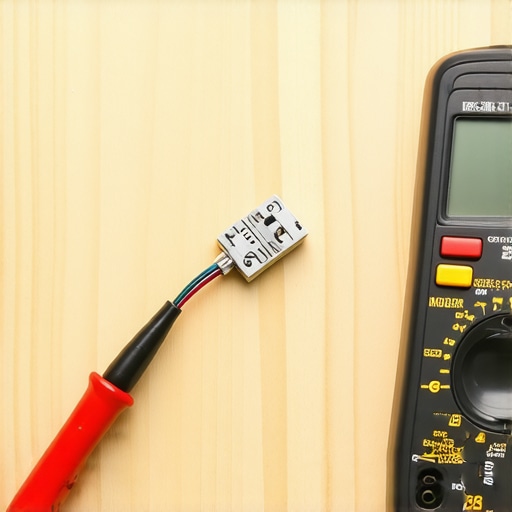
How do I maintain my dishwasher over time?
Consistency is more important than intensity. You do not need to deep-clean every day, but you do need to listen to the machine. I have learned to identify top signs your dishwasher needs professional diagnostics, like a rhythmic thumping or a high-pitched whine from the motor. Long-term health also depends on your utility habits. By how to lower your appliance operating costs by 15 percent through off-peak usage, you actually reduce the strain on the local grid and often extend the life of your control board. Remember that why your warranty claim was denied due to lack of maintenance is the most common excuse companies use to avoid paying out. Keep a simple log of when you clean the filters and gaskets to protect your investment.
The Future of Repairs Is Already in Your Pocket
We are moving toward an era where your dishwasher will tell you exactly what part is failing before it even stops working. I am already seeing how how smart diagnostic apps are changing home appliance repair by allowing users to beam error codes directly to a manufacturer’s server. In the next five years, expect ‘predictive maintenance’ to become standard, where the machine detects a slight increase in motor friction and orders its own replacement part. For now, your best defense is understanding appliance diagnostics improving your warranty claims so you stay ahead of the curve. I want you to try one thing this week: pull out your bottom rack, find that filter, and give it a good scrub with a toothbrush. You will be shocked at what you find—and how much better your machine runs afterward.
Hard Lessons I Learned from Three Failed Service Calls
After years of wrestling with my machines, the biggest epiphany I had was that ‘broken’ is usually just a code word for ‘neglected.’ I used to think that paying for a premium model meant I didn’t have to think about it, but the opposite is true. High-efficiency machines are precision instruments. If you don’t clear the lines or test your heating element for ground faults with a meter when things go cold, you’re essentially driving a sports car without ever changing the oil. I also realized that understanding appliance diagnostics improving your warranty claims isn’t just for pros—it’s for anyone who wants to avoid getting bullied into a ‘no-fault’ service fee. The day I stopped pre-rinsing and started trusting my machine’s sensors was the day my glasses finally stopped looking cloudy and gritty.
My Go-To Kit for Keeping the Kitchen Running
You don’t need a garage full of power tools to handle most dishwasher issues. I swear by a simple digital multimeter for checking continuity on thermal fuses. Secondly, I always keep a copy of the service manual—which is often tucked into a plastic sleeve behind the bottom kickplate—to find the secret diagnostic mode hidden on your touch control panel. I also trust high-quality citric acid or even lemon juice over harsh chemicals to keep my spray arms from clogging with mineral scale. If you do find a mechanical break, knowing how to replace a cracked spray arm without calling a technician will save you at least $150 in labor costs alone.
Take Charge of Your Next Repair
It is time to stop feeling intimidated by the blinking lights or cryptic error codes on your control board. Your dishwasher is a tool designed to serve you, and with a little bit of knowledge about troubleshooting dishwasher problems expert diagnostics repair tips, you can extend its life by years. You have the power to keep your kitchen running efficiently while discovering how to lower your appliance operating costs by 15 percent through better habits. Don’t be afraid to open that access panel and see how things work—you have got this! Have you ever successfully fixed an appliance issue yourself after watching a quick tutorial? Let me know your biggest DIY win in the comments below!