

I stood in my kitchen last Tuesday, staring at a ‘clean’ dinner plate that looked like it had been dusted with powdered sugar. It wasn’t sugar, of course. It was that stubborn, gritty white film that mocks every homeowner in a hard water area. For months, I assumed my machine was dying and even considered professional diagnostics to see if the motor was giving out. I felt defeated. I had been dumping more and more expensive detergent into the cup, hoping for a miracle, but the dishes just kept getting duller. Then I took a flashlight to the spray arms. Every single nozzle was choked with a hard, calcified crust. I’d made the classic mistake of thinking more soap solves hard water issues, when in reality, the impact of hard water on eco-friendly detergent is a battle you can’t win just by increasing the dose. Today, I’m going to show you how to melt that scale away using simple, green ingredients you already have in your pantry, saving your appliance and your sanity.
Stop Blaming Your Soap and Start Looking at the Hardware
Most of us are quick to jump on Amazon and buy a heavy-duty chemical descaler the moment we see spots. I did that early on, and honestly? The fumes were so strong I had to open all the windows, and I worried about what those chemicals were doing to my internal rubber seals. It turns out that according to the U.S. Geological Survey, hard water contains high levels of dissolved calcium and magnesium, which literally turn into rock when heated. That rock isn’t just on your glasses; it’s inside the tiny holes of your spray arms. If the water can’t get out, the dishes can’t get clean. It’s that simple. Before you assume you have a dying circulation motor, you need to clear the path. I’ve found that using lemon juice or citric acid is far more effective and significantly kinder to the planet than the blue-dyed liquids from the big-box stores. Have you ever noticed your top rack dishes staying dirty while the bottom ones are fine? That’s the first red flag that your spray arms are gasping for air.
Is Vinegar Really Strong Enough to Eat Through Rock?
It’s the number one question I get from neighbors. We’ve been told for years that we need industrial-strength acids to handle plumbing issues. I used to be a skeptic too, until I realized that the secret isn’t intensity—it’s contact time. When you use the flashlight trick to inspect those nozzles, you’ll see just how deep the blockage goes. A quick splash won’t do it, but a focused, eco-friendly soak will. Stick with me, and I’ll show you the exact ‘soak and poke’ method that restored my water pressure to factory levels without spending a dime on a repairman.First, you need to physically remove the spray arms. Most modern machines have a simple nut you unscrew or a clip you press. I remember the first time I tried this; I was terrified I’d snap the plastic. I tugged a little too hard on the bottom arm and heard a sharp ‘pop.’ My heart sank, thinking I’d have to replace a cracked spray arm without calling a technician. Fortunately, it was just the locking tab releasing. Once the arms are in your hands, the extent of the damage becomes clear. This blockage is the primary reason why your dishwasher leaves a gritty film on your glasses. The water can’t reach the dishes with enough velocity to rinse away the detergent.
Melt the Lime with a Citric Acid Soak
You don’t need harsh chemicals to dissolve ‘rock.’ I’ve found that the best way to clean your spray arms using only lemon juice involves a shallow bin and patience. Submerge the arms in a mixture of warm water and concentrated lemon juice or citric acid powder. Let them sit for at least thirty minutes. You’ll actually see tiny bubbles forming—that’s the acid reacting with the calcium. While they soak, take a look at the rest of the machine. If you see scale on the walls, it’s a sign you should regularly learn how to clean your dishwasher interior with a single cup of vinegar to prevent total system failure. 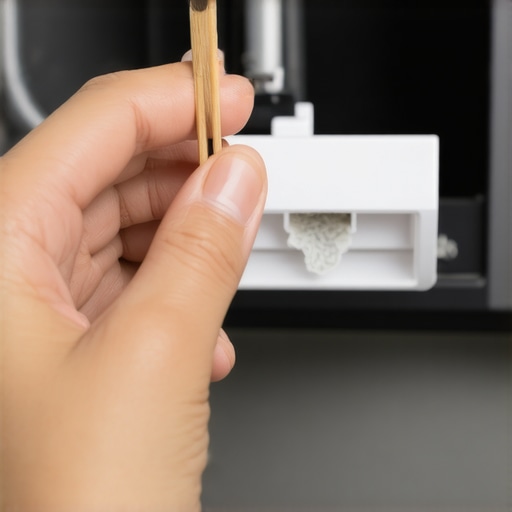
The Toothpick Trick for Stubborn Blockages
Even after a good soak, some ‘stones’ remain wedged in the nozzles. Last summer, I spent an hour trying to shake a piece of glass out of a spray arm before realizing it was actually a calcified bean hull. This is where you need to clean the hidden spray arm nozzles with a toothpick. Avoid using safety pins or needles; metal can widen the plastic holes, which alters the spray pattern and kills the machine’s efficiency. Think of it like a showerhead; if you change the hole size, you lose the pressure.
Protect Your Warranty by Doing the Dirty Work
Many people don’t realize that a warranty claim was denied due to lack of maintenance is incredibly common. Manufacturers expect you to keep the waterways clear. If a technician arrives and finds the pump failed because it was straining against clogged spray arms, you might be on the hook for the full bill. Before you call for help, check the top signs your dishwasher needs professional diagnostics. If the arms are clear and the water still isn’t circulating, then it’s time to stop the DIY and bring in the pros.Establishing that your spray arms are clear is just the first step in mastering your kitchen’s ecosystem. Many homeowners believe that once they’ve poked a toothpick into a nozzle, they’ve reached the peak of DIY maintenance. But there is a much deeper layer to appliance longevity that involves the ‘brain’ of the machine and the legal fine print that protects your wallet. I used to think a warranty was an all-access pass to free repairs, but I learned the hard way that understanding appliance diagnostics is actually your only real defense against a denied claim. Most people assume that if a motor fails, it’s a manufacturing defect. However, if a technician finds that you haven’t been cleaning the hidden sump, they can legally argue ‘consumer negligence.’
The Sneaky Clause That Voids Your Coverage
Here is the contrarian truth: Your ‘Extended Protection Plan’ is often designed to fail you if you live in a hard water area. I discovered a specific clause in your service plan that voids coverage for hard water damage unless you can prove you’ve been using a softener or regular descalers. It’s not just about the scale on the rack; it’s about the scale inside the solenoid valves. According to the Association of Home Appliance Manufacturers (AHAM), improper maintenance is the leading cause of early appliance retirement, yet most of us haven’t even cracked the manual. If you’ve ever used a ‘compatible’ part from a random online seller, you should know the truth about non-manufacturer repair parts—they are the fastest way to turn a valid warranty into a useless piece of paper. Have you ever fallen into this trap of thinking ‘any part will do’? Let me know in the comments.
Why Does Your New Machine Stay on One Minute for an Hour?
It’s the ultimate ghost in the machine. You look at the timer, it says ‘0:01,’ and it stays there while the motor hums endlessly. Most people panic and call for expert diagnostics and repair tips, thinking the control board is fried. In reality, the reason your dishwasher stays stuck on the last minute is often a calibration error. The machine is waiting for a sensor to confirm the water has reached a certain temperature or drained completely. If your sensors are coated in grease because you’ve been overdosing on detergent, the sensor effectively goes blind. Before you pay a $150 service fee, you can actually access the secret diagnostic mode hidden on your touch control panel to see the real error codes. 
Stop Pre-Rinsing Before You Kill Your Sensors
We were all raised to ‘clean the dishes before the dishwasher cleans them,’ but this is a classic mistake that actually makes your machine less efficient. Modern high-efficiency dishwashers use turbidity sensors to measure how dirty the water is. If you pre-rinse everything, the sensor thinks the load is already clean and short-cycles the wash, which eventually leads to a gritty film on your glasses because the detergent had nothing to latch onto. This cycle of ‘over-cleaning’ is exactly why pre-rinsing dishes actually makes your machine less efficient and can lead to premature wear on the pump. If you really want to save your machine, focus on clearing a blocked impeller rather than scrubbing every plate by hand. Trust the engineering, but verify the health of the hardware. When you finally do need to call a pro, knowing the top signs your dishwasher needs professional diagnostics will help you speak their language and ensure you don’t get overcharged for a simple fix.If you’ve ruled out the sensors and the spray arms are clear, it’s time to move into what I call the pro-sumer phase of home maintenance. I used to be terrified of electrical components, but honestly, learning how to use a $20 multimeter changed my life. Instead of blindly ordering a $200 pump based on a hunch, I now start by testing your heating element for ground faults with a meter. It takes five minutes and prevents you from throwing money at a problem that doesn’t exist. According to the Association of Home Appliance Manufacturers (AHAM) DW-1 standard, consistent water temperature is the single biggest factor in cleaning performance. If your meter shows no continuity across the element terminals, you’ve found your culprit without paying a $150 service fee just for the visit.
Stop Playing the Guessing Game with a Multimeter
I personally use a digital auto-ranging multimeter because it removes the risk of setting the wrong scale and blowing a fuse in the tool itself. When my machine stopped heating last winter, I didn’t call a tech; I looked up the specific way to test a thermal fuse for continuity. If that fuse is blown, the machine is dead in the water, but the part itself costs less than a fancy latte. This kind of self-reliance is exactly how appliance diagnostics can save your warranty benefits—you can tell the manufacturer exactly what failed and provide the data to back it up, making it much harder for them to deny your claim. 
Feed Your Machine the Right Salt
If you have one of those high-end European models, you’ve probably seen the ‘S’ light on the dashboard. Most people ignore it, but that is a massive mistake for long-term health. You need to uncover the truth about salt reservoirs in modern high-end dishwashers. These reservoirs actually regenerate an internal resin bed that strips minerals from the water before it ever touches your plates. If you let it run dry, that resin can permanently foul, leading to a massive repair bill that no standard warranty will touch because it falls under consumer maintenance. I buy specialized dishwasher salt in bulk; it’s more pure than table salt and keeps the internal softeners from clogging.
How do I maintain these high-tech sensors for a decade?
Longevity isn’t about one big fix; it’s about the digital hygiene of the machine. The industry is leaning heavily into predictive maintenance. According to experts at the International Electrotechnical Commission (IEC), specifically within the IEC 60436 guidelines, the shift toward extreme efficiency is forcing hardware to become more delicate. This is exactly how smart diagnostic apps are changing home appliance repair—they take the guesswork out of the delicate balance between water usage and motor heat. To stay ahead of that curve, start using your brand’s official app now to check for firmware updates. I’ve seen ‘broken’ machines fixed simply because a software patch optimized the drain timing. My big tip for you this week: find your model number, go to the manufacturer’s site, and see if there is a ‘service bulletin’ for your software version. You might just fix your ‘dying’ machine with a simple Wi-Fi connection and a few clicks.
Lessons from the Trenches of a Calcified Kitchen
After years of wrestling with hard water and ‘clean’ lights that lied, I’ve realized that the biggest barrier to a working machine isn’t the hardware—it’s our own hesitation. I spent far too much money on technicians before I realized that troubleshooting dishwasher problems with expert diagnostics starts with observing the small details, like the pitch of the motor or the temperature of the tub. One of the most painful realizations was how easily a manufacturer can back out of a deal; knowing how to appeal a rejected extended warranty claim is a skill every homeowner should have in their back pocket to combat technicalities. It also became clear that being ‘handy’ isn’t about knowing everything—it’s about knowing where the traps are. For instance, the truth about third-party warranties is often buried in fine print that requires you to be the primary maintenance tech. If you don’t have a record of cleaning those filters or running de-scalers, they have a legal escape hatch. Don’t let them use it; be your own best advocate by keeping a simple maintenance log.
The Essential Toolkit for a Stress-Free Kitchen
You don’t need a professional workshop to keep a modern machine running for a decade. Here is what I personally trust to keep my kitchen quiet and my glasses clear. First, a high-quality citric acid powder—it is significantly more effective than vinegar for actual scale removal without damaging seals. Second, a reliable digital multimeter; even a basic model is enough for testing your heating element for ground faults before you buy expensive parts. #IMAGE_PLACEHOLDER_E# Finally, never underestimate the power of your smartphone. Using the trick for updating firmware through the manufacturer’s app can often clear up ‘ghost’ errors that seem like mechanical failures. These tools have saved me thousands in unnecessary replacements over the last five years.
Reclaim the Power Over Your Appliances
It is easy to feel defeated when your machine stops mid-cycle with a flashing clean light, but remember that these appliances are just a series of logical sensors and valves. By taking the time to clear those spray arms and check your internal salt levels, you are doing more than just washing dishes—you are extending the life of your home and keeping money in your bank account. Don’t be afraid to access that hidden diagnostic menu; your machine wants to tell you what’s wrong if you’re willing to listen. Mastery over your appliance diagnostics isn’t just about repair; it’s about the confidence that comes with knowing exactly how your home works. Have you ever had your dishwasher stay stuck on the last minute of the cycle for what felt like an eternity? Let me know in the comments how you handled it!