

I stood there, arms crossed, staring at the glowing ‘0:01’ on my brand-new dishwasher. My coffee was getting cold, and I just wanted to put the clean plates away before work. Five minutes ticked by. Then eight. The machine was still making a faint, rhythmic humming sound, but the clock refused to hit zero. I felt like I was being pranked by my own kitchen. Early on in my homeowning journey, I made a classic rookie mistake: I assumed a stuck timer meant a dead machine. I actually tried to yank the door open mid-hum, nearly ruining the seal and definitely voiding my peace of mind. That ‘one minute’ is the biggest lie in modern appliances, but there’s a very logical, albeit frustrating, reason for it. Today, I’m going to pull back the curtain on why your machine is stalling and help you figure out if you’re looking at a simple sensor quirk or a genuine need for professional diagnostics. [IMAGE_PLACEHOLDER_1]
That Last Minute Isn’t Actually a Minute
Modern dishwashers operate more like a computer running a complex algorithm than a simple mechanical timer. When you see that ‘0:01’ lingering, the machine is often performing a final check or waiting for a specific condition to be met, such as the internal temperature dropping or the water completely clearing the sump. I learned the hard way that the reason your dishwasher stays stuck on the last minute is usually tied to the turbidity sensors or the logic board’s final drying phase. According to the Association of Home Appliance Manufacturers (AHAM), high-efficiency dishwashers use sensors to adjust cycle times in real-time to save energy, which can sometimes extend a cycle far beyond what the initial estimate suggested. If the sensors detect even a hint of moisture or debris, the logic board extends the cycle to compensate. It’s not ‘stuck’; it’s just being a perfectionist. This is especially common if you’re using eco mode cycles, which prioritize energy savings over speed.
Is my control board finally giving up the ghost?
This is the fear that keeps us up at night, right? You start wondering if you need to dig out the manual to see if appliance diagnostics can save your warranty before the whole thing bricks. I’ve been there—convinced that a three-month-old machine was already failing because it wouldn’t just finish the job. But before you panic, ask yourself: Have you noticed this happening every time, or just when the load is particularly heavy? Have you ever tried to test a door latch with a business card just to make sure the sensor isn’t getting a false ‘open’ signal? Often, the ‘hang’ is just the machine waiting for the steam to dissipate so you don’t get a face full of scalding air when you open it. Have you ever stood there questioning your machine’s sanity while it holds that final minute hostage? You aren’t alone, and usually, your control board is perfectly fine. We just need to understand what those sensors are actually trying to tell us.
Dig Into the Sump Filter First
Before you start pricing out a new machine, you need to get your hands dirty. That lingering ‘0:01’ is almost always a sign that the machine hasn’t confirmed the water is gone. I remember one Tuesday night I was so fed up I almost called a plumber, but I decided to pull the bottom rack out instead. I found a single plastic blueberry container lid suctioned perfectly over the drain grate. It was a classic case of the hidden filter most owners never clean in their machine being blocked by a rogue object. Most modern units have a multi-stage filtration system, and if the mesh is coated in a layer of grease or calcium, the water drains too slowly, confusing the logic board. Grab a soft brush and some warm soapy water to clear that mesh. If the water can’t leave fast enough, the timer won’t advance because the safety sensors are still detecting a ‘wet’ state. 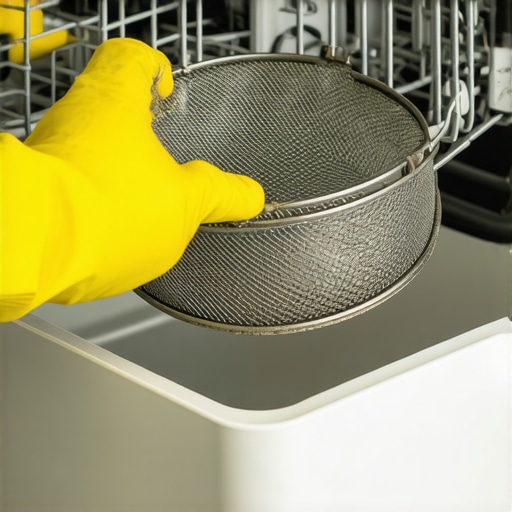
Listen for the Click of Death
If the filter is clean but the minute won’t budge, your ears are your best diagnostic tool. You should hear a distinct humming followed by the sound of water moving through the pipes. If you hear a rhythmic clicking or a loud grinding noise, you are likely dealing with the difference between a clogged hose and a dead drain pump. I once spent an hour diagnosing what I thought was a software glitch, only to realize a cherry pit had jammed the impeller. You can often use the trick to identifying a failing drain pump by sound to narrow this down. If the pump is trying to engage but can’t, the machine will hold that last minute as a fail-safe to prevent the heating element from dry-firing and melting your racks.
Use the Pencil Test on Your Float Switch
If the water is gone but the timer is still stuck, the float switch might be the culprit. This is the little plastic ‘mushroom’ in the bottom of the tub. If it gets stuck in the ‘up’ position due to soap scum, the machine thinks it’s still full of water. You can actually perform a quick check by using the pencil test for your float switch to see if it clicks freely. If it feels gummy or doesn’t move, a quick scrub with a toothbrush can save you from a costly service call.
Reset the Brain Instead of Replacing It
Sometimes the hardware is fine, but the software has ‘hiccuped’ due to a power flicker or a mid-cycle interruption. This is where troubleshooting dishwasher problems through a hard reset becomes essential. Flip the breaker for ten minutes to clear the control board’s memory. For smart appliances, check if there is a pending update, as firmware updates are essential for new smart dishwashers to fix known timing bugs. If you’ve tried the reset and the sensors still won’t cooperate, you might need to access the secret tech menu that calibrates your water sensors to see exactly which component is reporting the error. Knowing these steps ensures you aren’t just guessing when you eventually look into how appliance diagnostics can save your warranty.Most people think they are doing their dishwasher a favor by pre-rinsing every plate until it is spotless. In my experience, this is the quickest way to confuse your machine’s brain. Modern units rely on turbidity sensors to measure how much debris is in the water. If you load clean dishes, the sensor tells the control board the cycle is done before the detergent has even had time to break down properly. This often leads to that awkward stall or a cycle that ends with a gritty film. Experts at the Department of Energy actually point out that modern dishwashers are designed to handle food particles, and why pre-rinsing dishes actually makes your machine less efficient is down to these sensitive sensors needing actual soil to calibrate the water usage correctly. If the water stays too clear too early, the algorithm might hang on that final minute trying to recalibrate for a ghost load. 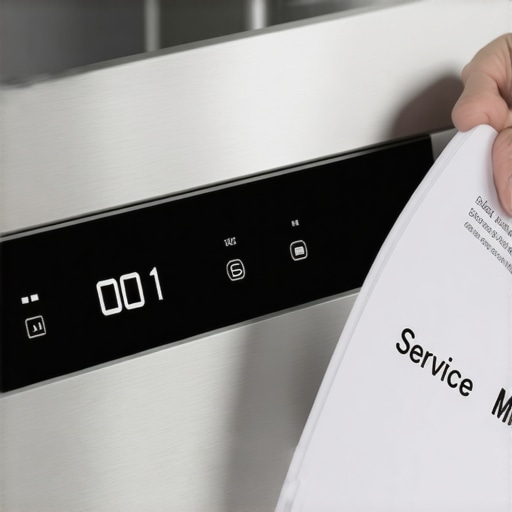 One major trap I see homeowners fall into constantly involves the fine print of their service contracts. We often assume that as long as we do not take a hammer to the appliance, we are covered. But did you know that simply sliding your machine out of its cabinetry to check a leak yourself can be a deal-breaker? Many people are shocked to find the clause that voids your coverage if you move the appliance without a certified technician present. It feels unfair, but manufacturers argue that improper uninstallation can strain the water lines or damage the frame, giving them a convenient reason to deny your claim.
Why did my extended service plan reject a simple motor failure?
This is where the lack of maintenance excuse comes into play. If a technician opens your machine and finds a clogged sump or a layer of calcium scale, they can flag the repair as user-neglect. This is exactly why your warranty claim was denied due to lack of maintenance. The motor did not just fail; it overheated because it was fighting against a blocked filter you forgot to clean. To avoid this, you need to treat your machine like a car—keep your receipts for descalers and logs of your filter cleanings. If you have already hit a wall with a provider, you should learn how to appeal a rejected extended warranty claim by providing proof of regular upkeep. Understanding how appliance diagnostics can save your warranty benefits is about more than just fixing a part; it is about documenting the root cause behind the failure. Also, be wary of the reset myth. While flipping the breaker works for a temporary glitch, doing it repeatedly can actually mask a failing capacitor. Pro techs look for evidence of heat stress on the board, and if they see you have been force-starting a dying machine, they might claim you exacerbated the damage. Knowing when to trust a warranty for dishwasher repairs versus when to DIY the sensor cleaning is the hallmark of a savvy homeowner. Have you ever fallen into this trap or had a warranty claim denied for a silly reason? Let me know in the comments.If you really want to graduate from ‘handy homeowner’ to ‘DIY master,’ you need to stop guessing. My kitchen drawer isn’t just full of spatulas; it has a dedicated spot for a digital multimeter. When my last machine started acting up, I didn’t just stare at the ‘0:01’ on the screen; I went straight for the terminals. You should be testing your heating element for ground faults with a meter rather than waiting for a technician to charge you a massive fee just to tell you it is dead. Another game-changer I have recently adopted is using a thermal camera to find heat leaks in your dishwasher door. It sounds like overkill until you realize a compact thermal attachment can show you exactly where steam is escaping and tricking your sensors into thinking the cycle is incomplete. 
How do I keep my dishwasher running for a decade?
It comes down to one word: scale. Most of us ignore the white crusty buildup until the spray arms stop spinning entirely. I have learned that the real cost of skipping your monthly descaling cycle isn’t just spots on your glasses; it is a burnt-out circulation motor. I make it a habit to perform a deep dive once a quarter, specifically focusing on how to deep clean a dishwasher sump without pulling the machine. This keeps the debris from reaching the impeller, which is the heart of the whole operation. As Scott Brown, a lead technician at Peerless Appliance Repair, often notes, the physical health of the drain hose and its internal clearance is the number one overlooked failure point in high-efficiency units. I predict that in the next five years, we won’t even have to do this manually. We are already seeing how smart diagnostic apps are changing home appliance repair, and soon, AI-driven pumps will likely self-clean by reversing flow when they detect a blockage. For now, though, you are the brain of the operation. Before you call for help, I challenge you to try accessing the secret tech menu that calibrates your water sensors on your specific model—it is often just a combination of holding specific buttons during startup. You might find that a simple software recalibration is all you need to get that final minute back.
Hard Lessons I Learned from My Kitchen Floor
Over the years, I have realized that most of our frustration with high-end appliances comes from a lack of communication between the machine and the owner. One of the biggest ‘lightbulb moments’ for me was discovering that if the water is slightly too cold, the timer will stall. If you have ever wondered the real reason your detergent cup won’t open during the cycle, it is often linked to these same timing logic errors. I also learned that small maintenance tasks, like how to deep clean the hidden spray arm bearings, can prevent the motor from overworking and throwing a code. Finally, do not wait for a crisis to learn when to trust a warranty for dishwasher repairs; by the time the machine is leaking, you might have already voided your coverage by ignoring simple maintenance. This is why keeping a maintenance log is vital.
My Essential Toolkit for Appliance Mastery
You do not need a garage full of power tools to keep your kitchen running smoothly. I rely on three things every single time. First, a simple digital multimeter; it is essential for the specific way to test a thermal fuse for continuity. Second, a soft-bristled brush for cleaning your sump filter with a soft brush to stop foul odors. Third, I always keep a bottle of citric acid or lemon juice on hand, as the best way to clean your spray arms using only lemon juice is often safer and more effective than harsh chemicals that can degrade your seals. [IMAGE_PLACEHOLDER_FINAL]
Take Back Control of Your Kitchen Tech
Standing in front of a flashing display panel can make you feel powerless, but it should not. By understanding the basics of appliance diagnostics, you shift the power from the manufacturer back to yourself. You start to see your dishwasher not as a mysterious black box, but as a series of sensors and pumps that just need a little upkeep. Do not be afraid to pull off that bottom panel and look for the tech sheet—it is the best instruction manual you will ever read. Have you ever had a service technician try to deny a claim because of a minor maintenance slip-up? Let me know in the comments below!