

I was staring at a puddle of lukewarm, greasy water that smelled vaguely of last night’s lasagna when I realized my “worry-free” appliance life was a lie. I had the paperwork, the receipt, and the sticker on the door promising five years of protection, yet there I was, knee-deep in a mess. When the repair guy finally showed up, he didn’t even reach for his tools. He just sighed, pointed at the filter, and said the words every homeowner dreads: “This is a maintenance issue, not a mechanical failure.” I felt like I’d been punched in the gut. I’d spent extra on that service plan specifically to avoid this exact moment. [image placeholder]
The Maintenance Trap That Voids Your Protection
The hard truth is that warranty companies aren’t your friends; they are businesses that love fine print. Most people think a warranty is a blanket of safety, but in reality, it’s more like a sieve. If your pump fails because a piece of broken glass or a rogue cherry pit got lodged in the impeller, they will call it “consumer negligence” faster than you can say “lemon.” Early in my DIY journey, I made the massive mistake of thinking I could just ignore those top signs your dishwasher needs professional diagnostics. I figured as long as the machine turned on, I was golden. But by the time I heard that distinguishable pitch of a dying circulation motor, the internal damage was done, and the warranty company pointed directly to the buildup of gunk as the culprit. According to the Federal Trade Commission, while the Magnuson-Moss Warranty Act protects consumers from unfair warranty practices, it doesn’t excuse you from the manufacturer’s required maintenance schedule. If you don’t clean your filters, you’re essentially handing them a “get out of jail free” card.
Is a Protection Plan Actually Worth the Monthly Fee?
It’s a valid question. When you see how often claims for clogged lines or seized pumps get rejected, you start to wonder if you’re just burning money. I’ve learned that there is a real difference between service plans and manufacturer warranties that most salespeople gloss over. One covers factory defects; the other is supposed to cover wear and tear, but both have a “clog” loophole. Sometimes, the problem isn’t even you—it’s the soap. I’ve seen cases where dishwasher pods might be clogging your drain lines because they don’t dissolve fully in eco-cycles, leading to a “user-induced” blockage. Have you ever had a technician tell you a repair wasn’t covered for something as simple as a dirty filter? It’s incredibly frustrating. We’re going to look at exactly when to trust a warranty for dishwasher repairs and how to document your maintenance so they can’t say no. You shouldn’t have to pay for a new pump just because you missed a tiny detail in a 40-page manual.Building a bulletproof defense starts long before the machine actually dies. I learned the hard way that a clean filter is only half the battle; the real victory is being able to prove it was clean months ago. After my first claim was rejected, I started a digital maintenance log. Every time I ran a deep clean, I took a thirty-second video of the clear sump and the dated calendar on my phone. It sounds obsessive, but when you know how to document intermittent noises for a repair claim, you transform from a frustrated homeowner into a credible witness. I once had a circulation pump that sounded like a bag of gravel in a woodchipper. By recording the sound and showing my log of weekly filter rinses, the technician couldn’t argue that “debris buildup” caused the bearing failure. 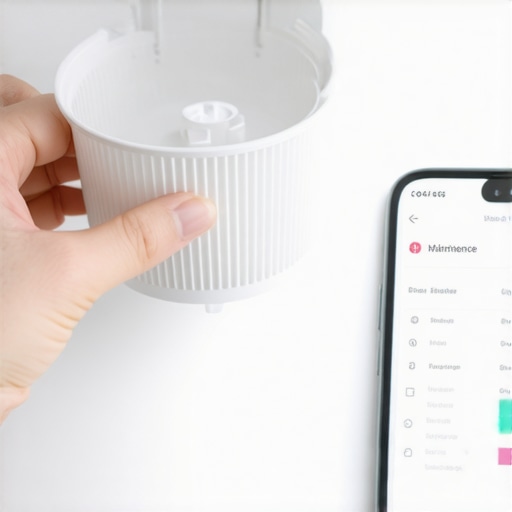
Decipher the Blinking Lights Like a Pro
Your dishwasher is actually quite chatty if you know how to listen. Instead of guessing why the cycle stopped, you need to start reading the hidden blinking lights on your dishwasher brain. Think of these lights as a dashboard warning in your car; ignoring them is the fastest way to void a service plan. I remember a Saturday morning when my machine just refused to start, flashing a three-pulse blue light. Rather than calling a pro immediately, I spent ten minutes understanding appliance diagnostics improving your warranty claims. It turned out to be a simple float switch error. I was able to verify the fault by how to test your float switch using a plastic straw. Because I identified the specific electronic failure myself, I could tell the warranty dispatcher exactly which part was dead, preventing them from sending a “maintenance” tech who would just charge me a trip fee.
Test Your Parts Before the Adjuster Arrives
If you want to ensure your claim is approved, you need to treat your diagnostics like a science experiment. You don’t need an engineering degree, just a basic understanding of the only multimeter settings you need for appliance repair. A multimeter is like a doctor’s stethoscope; it tells you if the “heart” of the machine—the motor or the heating element—is actually beating. I once suspected my drain pump was failing after seeing water pool at the bottom. Instead of digging in blindly, I used the simple tool for removing hair from a drain pump to ensure it wasn’t a clog first. When that didn’t work, I tested the pump for continuity. By the time the warranty guy showed up, I had the multimeter readings ready, proving the motor windings were fried, not just dirty.
Clear the Path for Total Claim Approval
Finally, check the small things that technicians love to cite as “user error.” This means knowing the proper way to clean spray arm nozzles using a paperclip and ensuring the hidden drain screen that most homeowners never clean is pristine. If a technician opens your door and sees calcium buildup or a clogged screen, they will stop right there and hand you a bill. I’ve made it a habit to scrub the screen every Sunday night. This simple act of how appliance diagnostics can save your warranty benefits ensures that when a real mechanical failure happens—like a snapped belt or a fried board—there is zero evidence of neglect for the company to hide behind.One of the biggest lies we’ve been fed by our parents—and those strangely satisfying dish soap commercials—is that you need to ‘pre-rinse’ your plates until they’re spotless before loading them. In reality, why pre-washing dishes is a waste of time and money goes beyond just saving water. Modern dishwashers are equipped with turbidity sensors that ‘see’ how dirty the water is. If you put in clean plates, the sensor assumes the load is light, runs a shorter, cooler cycle, and leaves you with half-dissolved detergent. This leads to a cycle of the impact of detergent overdose on energy efficiency, where the machine never quite reaches the temperature needed to keep the internal pipes clear. According to the Association of Home Appliance Manufacturers (AHAM), skipping the pre-rinse actually allows the enzymes in modern detergents to latch onto food particles, which is how they are designed to work. If there’s no food, those chemicals just bounce around, potentially damaging your seals or causing why soft water might be pitting your expensive glassware.
Do Aftermarket Replacement Parts Void Your Coverage?
This is the advanced question I get most often. The short answer is: usually, yes. While the law prevents a manufacturer from voiding your entire warranty just because you used a different brand of screw, why third-party parts frequently void your service plan is a very real danger for major components. If you replace a drain pump with a cheap knock-off and it later fries the main control board, the company will blame the non-OEM part for the electrical surge. I always recommend troubleshooting dishwasher problems expert diagnostics repair tips first to see if a part is actually needed. If it is, and you’re still under a service contract, don’t touch it. But if you’re out of pocket, using the multimeter trick for checking your dishwasher motor can tell you if the ‘cheap’ fix is even worth the risk. #IMAGE_PLACE_HOLDER_C#
Avoid the Vinegar and Steam Cleaning Myths
We all want to be eco-friendly, but I’ve seen more ruined machines from ‘natural’ hacks than from actual wear and tear. People love cleaning your dishwasher with nothing but steam and water, but steam alone doesn’t break down the fatty grease that builds up in the sump. Even worse is the ‘vinegar in a bowl’ trick. While using white vinegar to clear a blocked drain line can work in a pinch, leaving high concentrations of acetic acid in the tub can degrade the rubber door gaskets over time. Have you ever fallen into this trap or followed a ‘viral’ hack only to have it backfire? Let me know in the comments. I’ve found that understanding appliance diagnostics improving your warranty claims is far more valuable than any ‘one weird trick.’ By knowing the nuances of your machine’s sensors and the specific risks of your water chemistry, you stop being a victim of the fine print and start being the person the warranty company actually respects.I’ve realized that being prepared isn’t just about having a screwdriver; it’s about having the data. I never approach a repair without my trusty digital multimeter. It’s the difference between guessing and knowing exactly why a motor has seized. If you are serious about DIY, you need to master the only multimeter settings you need for appliance repair. For instance, before you shell out hundreds for a technician, try testing your thermal fuse before buying a new control board. Most of the time, it’s a five-dollar part that’s tripped, not a total system failure. I also keep a set of long-reach torx bits and a specialized probe because many modern manufacturers hide the good stuff behind tamper-resistant screws.
How do I keep my dishwasher running for a decade or more?
Maintenance isn’t a one-time event; it’s a rhythm. Every month, I perform a thorough inspection of the water path. I use the multimeter test that pinpoints a dead water valve if I notice the tub isn’t filling as fast as it used to. Beyond electrical checks, you must look for physical degradation. I’ve caught several potential disasters by identifying a cracked water inlet housing before it floods my kitchen. According to the Institute of Electrical and Electronics Engineers (IEEE 1100), poor power quality and surges are the leading cause of premature failure in microprocessor-controlled appliances. This is why I suggest every homeowner knows how to prove your appliance failure was caused by a power surge to ensure your insurance or service plan actually pays out. 
The Shift Toward Smart Diagnostics and Predictive Repair
We are entering an era where your dishwasher might know it’s dying before you do. I’m already seeing high-end models that monitor the amperage of the circulation pump to predict a bearing failure weeks in advance. This is why why your smart dishwasher needs a firmware update to save water and maintain diagnostic accuracy is so critical. In the near future, the ‘repair guy’ might just be a software patch sent over Wi-Fi. However, until that day comes, you still need to be the primary defender of your machine. Use how appliance diagnostics can save your warranty benefits as your roadmap. Don’t wait for a puddle to form; go grab your multimeter and check your heating element’s continuity today. It takes five minutes and could save you the cost of a brand-new unit.
Lessons Bought the Hard Way in the Appliance Trenches
I’ve spent hundreds of hours under sinks and on the phone with adjusters, and if there is one thing I’ve learned, it’s that your appliance warranty is a shield you have to keep polished. First, never take a ‘no’ from a first-level phone representative as the final word. If you have proper documentation, you can always ask how to claim a repair refund from your appliance manufacturer directly if the third-party service provider fails you. Second, remember that why your appliance warranty covers parts but not labor costs is the most common shock for homeowners; always ask for a labor estimate before the tech pulls the machine out. Finally, treat every weird noise as a data point. When you document the exact pitch and frequency, you move from being a ‘complainer’ to a ‘collaborator’ in the eyes of a skilled technician. [image placeholder]
The Gear That Keeps My Kitchen Flood-Free
You don’t need a professional workshop to stay ahead of the curve, but a few specific tools are non-negotiable for effective dishwasher diagnostics. I never start a weekend project without my digital multimeter; it is the only way to perform testing your door switch with a basic continuity test without guessing. I also recommend keeping a small set of Torx bits and a specialized probe, as most manufacturers use them to discourage casual tinkering. Finally, I trust the technical bulletins from the Association of Home Appliance Manufacturers to keep me updated on new efficiency standards. If you ever feel stuck or need specific advice on a model I haven’t covered, you can always contact us for a second opinion.
Claim Your Seat at the Troubleshooting Table
It’s easy to feel like the machines are winning, but every time you check a filter or test a sensor, you’re taking back control. You have the tools, the logic, and now the insider knowledge to ensure your dishwasher diagnostics lead to a fix, not a fight with a warranty company. Don’t let the fine print or a blinking light intimidate you; you are more than capable of keeping your kitchen running smoothly. Have you ever had a warranty claim denied for a reason that felt totally unfair? Let me know in the comments below.