

It was 11:30 PM, and the house was finally quiet—until the dishwasher hit its fill cycle. THUMP. The sound was so violent I thought my water heater had finally decided to move into the kitchen. I sat there in the dark, staring at the floorboards, wondering if a pipe was about to burst and turn my crawlspace into an indoor pool. This isn’t just a ‘noise’ problem; it is a mechanical scream for help from your plumbing. If you have been jumping every time your appliance shuts off its water, you are dealing with what we call ‘water hammer.’ I spent weeks ignoring it until a tiny leak turned into a major headache, but I am going to show you how to kill that noise tonight.
That Loud Bang Is More Than Just a Nuisance
We often ignore the little quirks of our homes. We think, ‘Oh, it is just an old house.’ But when your dishwasher or washing machine snaps its water valve shut, that rushing water has nowhere to go. It slams into the valve, creating a shockwave. Early on, I made the classic rookie mistake: I thought if I just used a wrench and did some tightening on the water line, it would stop the vibration. Instead, I ended up replacing a cracked water inlet valve because I over-torqued the plastic threads. Learn from my arrogance—more pressure is rarely the answer. According to research from the International Association of Plumbing and Mechanical Officials (IAPMO), a water hammer pressure spike can actually reach over 300 PSI, which is nearly ten times the normal residential pressure. That kind of force eventually shreds your appliance internal seals or, worse, leads to hardwood floor damage from a flood. Today, we are going to walk through the diagnostics of your inlet valve and the simple hardware fix that saves your pipes.
Is this actually worth a DIY effort?
You might think this requires a three-hundred dollar plumbing visit. It doesn’t. Have you ever felt that physical vibration in the floor when your dishwasher stops filling? If so, reach out via my contact page or tell me in the comments—I want to know if yours sounds like a drum set falling down the stairs like mine did. Most of the time, you can solve this with a twenty-dollar part and ten minutes of your time.
Pinpoint the Sound Before You Pull the Wrench
Before you start tearing panels off, you need to know exactly where that kinetic energy is escaping. Think of the water in your pipes like a freight train moving at full speed; when the dishwasher’s solenoid valve snaps shut, it’s like that train hitting a brick wall. The energy has to go somewhere, and usually, it’s into your wall studs. First, I recommend you perform a few expert diagnostics to ensure the valve itself isn’t the primary failure point. I once spent an entire Saturday afternoon chasing a ‘hammer’ sound only to realize my inlet valve was partially seized, causing it to chatter. You can easily check the electrical integrity of this component by learning how to test your inlet valve with a simple voltmeter. If the valve is drawing the correct voltage but still making that violent clunk, the issue is your home’s plumbing physics, not the appliance’s brain.
Install a Shock Absorber for Your Plumbing
The most effective way to kill the noise is to install a water hammer arrestor. These are small, pressurized chambers that act like a car’s suspension system. Inside the chamber is a piston and a cushion of air; when the water slams into the closed valve, the piston compresses the air, soaking up the shockwave. I remember my first attempt at this behind a tight-fitting Bosch unit. I tried to save five bucks by using a generic ‘T’ fitting I found in the garage, and I ended up with a slow drip that I didn’t catch until the next morning. Do yourself a favor and buy the screw-on type that fits directly onto the 3/4-inch hose bib of your dishwasher or the shut-off valve. 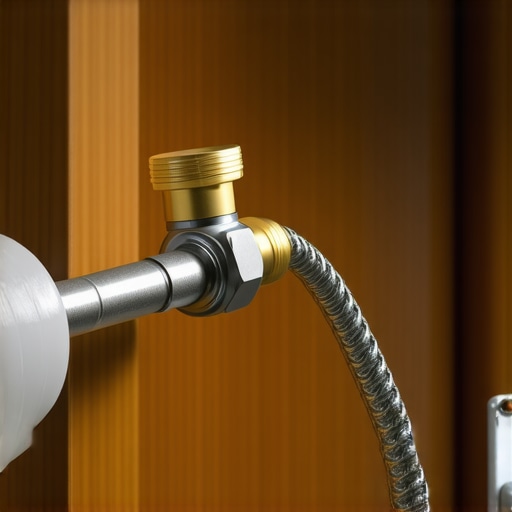
Don’t Let DIY Repairs Void Your Coverage
While installing an external arrestor is generally safe, always consider your legal safety net. If your machine is still under its first year of life, you should check when to trust a warranty for dishwasher repairs before you start swapping internal components. Manufacturers are notoriously picky; sometimes, even the simple act of tightening a water line with the wrong tool can leave marks that a technician will use to deny a claim later. However, knowing how appliance diagnostics can save your warranty benefits allows you to speak the same language as the service tech. Tell them you’ve identified a water hammer issue and you’re concerned about the ‘surge impact’ on the internal seals. This often helps move your claim to the front of the line because it highlights a risk of flood damage.
Reset Your System After the Fix
Once the hardware is installed, your machine’s control board might still be ‘confused’ by the previous pressure spikes, especially in high-end smart models. I’ve found that a quick electronic refresh can clear out any lingering error codes that were triggered by the vibration. Perform the one-minute move to reset your control board to ensure the sensors are recalibrated for the now-stable water pressure. Finally, if you still hear a faint vibration, check your mounting brackets. A loose screw on the under-counter mount can mimic a water hammer sound by allowing the whole machine to kick back an inch every time the pump engages. Take the time to ensure the unit is level and secure; otherwise, even the best arrestor won’t give you that library-quiet kitchen you’re chasing.
People often tell you that DIY-ing your dishwasher is the ultimate money-saver. While I love a good wrench-turning session, there is a nuance most how-to guides miss: the paper trail. I used to believe that as long as the machine was running, the manufacturer would never know I had been under the hood. I was wrong. In my experience, the biggest myth is that warranties are ironclad as long as you do not visibly break a component. In reality, the most common reason for a rejected claim is not a broken part; it is a lack of documentation. You might fix that water hammer, but if a technician finds evidence of a previous leak you ignored, you will find out why your warranty claim was denied due to lack of maintenance very quickly. Have you ever fallen into this trap? Let me know in the comments.
Your warranty is more fragile than you think
Most homeowners assume that if a motor fails, it is covered. However, many service contracts contain a specific clause that voids your coverage if you move the appliance without professional supervision. I once helped a neighbor slide their dishwasher out just to paint the floorboards, only for them to be denied a pump replacement two months later because the tech claimed the drain hose was stressed during our ‘unauthorized move.’ This is the ‘Oops Factor’ that gets the best of us. According to experts at the Federal Trade Commission, while the Magnuson-Moss Warranty Act protects your right to use non-manufacturer repair parts, it does not stop a manufacturer from denying a claim if they can prove your DIY installation caused the specific failure.
Why your smart home hub might be blocking appliance commands
As we move into the era of connected kitchens, I am seeing a new wave of ‘ghost problems’ that have nothing to do with plumbing. If your high-end Bosch or Miele is acting erratic—skipping cycles or refusing to start—it might not be a mechanical failure at all. I have seen cases where a smart home hub is blocking appliance commands due to a simple firmware mismatch. This is where advanced appliance diagnostics become your best friend. Instead of pulling the machine out, you should be checking your router’s traffic logs or performing a software cache clear on the machine itself. Most ‘broken’ control boards in 2024 are actually just ‘confused’ boards.
The secret to winning a denied claim
If you do find yourself staring at a rejection letter, do not panic. The industry has a ‘hidden loophole’ that most people ignore. If you can provide a log of your diagnostic history showing you proactively checked the machine before it failed, you are ten times more likely to get a reversal. I recommend keeping a digital folder with photos of your clean filters and screenshots of any error codes. When you can speak the tech’s language and show you know how to appeal a rejected extended warranty claim, the power dynamic shifts. You are no longer just a frustrated homeowner; you are a documented operator who knows the value of their machine. This level of detail is what separates a weekend warrior from a true home expert.
If you are serious about long-term results, you need more than a screwdriver and a prayer. I tell everyone who asks: keep a multimeter in your kitchen drawer. I personally use a Fluke 117 because it handles ghost voltage better than the cheap ten-dollar units I used to buy, but any reliable digital meter will do. When your machine stops heating or your water isn’t filling, do not guess—get in there and start testing your heating element for ground faults with a meter. This is the difference between a ten-minute diagnosis and three days of waiting for a tech who will charge you a service fee just to tell you what you already suspect. According to the Association of Home Appliance Manufacturers (AHAM) in their DW-1-2020 standard, the efficiency of a modern dishwasher is heavily dependent on the precision of its sensor array. If those sensors are slightly out of spec, the machine works harder, wears out faster, and eventually leads to the top signs your dishwasher needs professional diagnostics.
How do I maintain my dishwasher’s peak performance over time?
Maintenance is not just about clearing the drain filter every Sunday; it is about fighting the invisible chemistry that happens during every high-heat cycle. I learned the hard way about the real cost of skipping your monthly descaling cycle when my circulation pump started screaming like a jet engine due to calcium buildup on the impeller. Beyond the chemical side, you should occasionally perform some light ‘brain surgery’ on your unit. I am seeing a massive shift in the industry where how smart diagnostic apps are changing home appliance repair is making traditional mechanical troubleshooting less relevant. Within the next five years, I predict your dishwasher will have its own local AI capable of predicting a pump failure three weeks before it actually dies, automatically ordering the replacement part through your smart home hub. 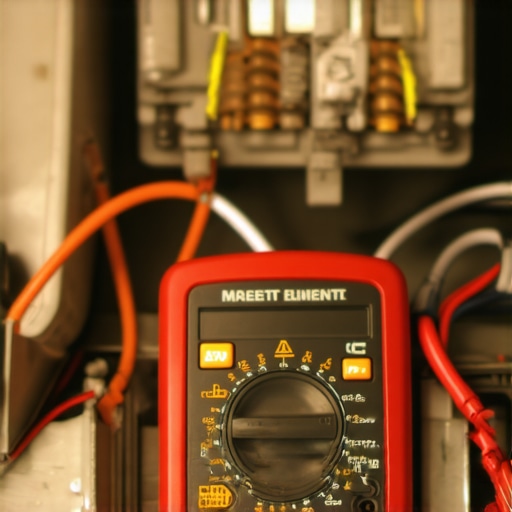
Software is the new mechanical failure
If your machine was manufactured after 2020, you are no longer just managing water and electricity; you are managing a complex data system. I have seen perfectly good machines get scrapped because the owner did not realize why firmware updates are essential for new smart dishwashers. Think of it like your smartphone; a small bug in the code can make the heater run too long or cause the drain pump to cycle too early. If you see erratic behavior, check for a connection first and learn the trick for updating firmware on your connected kitchen appliances. Often, a ‘broken’ machine is just one software patch away from being perfect. If the software is stable but the cleaning results are still underwhelming, you might need to look at the optics. I highly recommend you take five minutes this weekend to learn how to calibrate your dishwasher turbidity sensor with plain water. It is a pro-level move that ensures the ‘auto’ cycle actually knows how dirty your plates are, rather than just guessing. Give that turbidity calibration a shot tonight—it is the easiest way to feel like a master technician without getting your hands greasy.
The Brutal Reality of Small Plumbing Mistakes
Looking back at the years I spent fighting vibrations and clanging pipes, I realize I was often treating the symptom rather than the physics. One thing no manual tells you is that your dishwasher is a dynamic system; it changes as your home’s water pressure fluctuates. I learned that the hidden loophole that gets your denied claim reversed usually involves showing you maintained the unit properly before the catastrophe. Also, be aware of how you treat your machine daily; for example, understanding why your service tech secretly hates pod detergents can prevent chemical buildup that stresses your inlet valves. My biggest lightbulb moment was realizing that a noisy machine isn’t just annoying—it is a data point telling you exactly which seal is about to fail.
The Survival Kit for Your High-End Appliances
You don’t need a van full of tools to be successful, but you do need the right ones. I always keep my Fluke 117 multimeter nearby to verify electrical signals before I ever buy a replacement part. I also recommend keeping a physical printout of your machine’s wiring diagram—usually tucked behind the bottom toe kick—because digital versions don’t always match your specific revision. If you find yourself wondering why the eco mode cycle takes longer than a standard wash, it is usually because the machine is compensating for lower water temperature or pressure, making your diagnostic checks even more critical. Finally, a pair of high-quality water hammer arrestors is the best twenty-dollar insurance policy you can buy for your hardwood floors.
#IMAGE_PLACE_HOLDER_E#
Take Back Control of Your Kitchen Sanctuary
Repairing your own home isn’t just about saving a few bucks on a service call; it’s about the peace of mind that comes when the 11:30 PM cycle starts and all you hear is the faint hum of water. Don’t let the complexity of modern sensors intimidate you. Whether you are dealing with a violent water hammer or a stubborn control board, you have the tools and the knowledge to intervene. Mastering appliance repair is a journey of small wins that eventually lead to a home that works for you, not the other way around. You’ve got this.
Have you ever managed to silence a banging pipe with a simple hardware adjustment, or did you have to call in the pros? Let me know your story in the comments below!