

I pulled a glass out of the rack last Tuesday, held it up to the kitchen light, and honestly, I wanted to cry. It looked like it had been through a dust storm, not a $1,000 cleaning machine. That chalky, gritty white film was everywhere—on my favorite mugs, the silverware, and even the ‘rinse-aid-safe’ plastic containers. I spent twenty minutes hand-scrubbing what the machine should have handled. If you’ve ever felt that specific ‘what did I even pay for?’ rage while staring at a cloudy plate, you are definitely not alone. Have you ever stood there, dish towel in hand, wondering why your dishwasher is failing at its one job?
Stop Blaming the Machine and Start Looking at the Chemistry
The first time I saw this film, I made a classic rookie mistake: I assumed more soap would scrub it off. I started doubling up on pods, thinking I was being thorough. Big mistake. It turns out that detergent overdose can actually trap minerals against your dishes rather than washing them away. I’ve spent years tinkering with troubleshooting dishwasher problems, and what I’ve learned is that most of the time, your machine isn’t dying; it’s just fighting a losing battle against your water supply. We are going to solve this today. I’m going to show you how to identify if you’re dealing with hard water scale or just old-fashioned soap scum, and the best part is, you won’t need to call a plumber or hunt down your warranty documents just yet. According to the U.S. Geological Survey, over 85% of American homes have hard water, which is the primary culprit behind that stubborn calcium carbonate buildup.
Is a vinegar rinse actually worth the hype?
You’ve probably seen the ‘hack’ where people toss a bowl of vinegar in the top rack. I used to be a skeptic, too. I thought it was just an old wives’ tale that would eventually eat away at my rubber seals. But after seeing the truth about tablet vs powder detergent residue, I realized that a little acidity is exactly what’s needed to break the bond between the minerals and your glassware. If your glasses look more like frosted windows than clear crystal, it’s likely a mix of mineral deposits and hard water spots. We need to look at everything from how you’re loading the rack to the actual temperature of the water entering the tub. Let’s get into the nitty-gritty of why this is happening and how we can get that shine back without spending a fortune on specialty cleaners.
Check your water temperature before the cycle starts
If the water entering your machine is too cold, the chemical reaction needed to dissolve minerals simply won’t happen. Think of it like trying to dissolve sugar in iced tea versus hot coffee—one works instantly, the other leaves a gritty mess at the bottom. I remember troubleshooting a friend’s machine that was leaving a thick white haze on everything. We ran the kitchen faucet for a minute and realized the water was barely lukewarm. Your water heater should be set correctly to ensure the dishwasher gets a head start. You can find the best temperature for your home water heater to prevent this exact issue. If your machine stays cold, you might even be dealing with a faulty component, but usually, it’s just a matter of priming the hot water line by running the sink for thirty seconds before hitting start.
Poke out the gunk in your spray arms
Your spray arms are the engine of the cleaning process. If the tiny nozzles are clogged with calcium or, heaven forbid, a stray piece of plastic wrap, the water pressure drops. Last summer, I noticed my top rack dishes were coming out filthy. I popped the arm off and found a single lemon seed wedged perfectly into the main nozzle. It was like a kink in a garden hose. You should regularly perform the proper way to clean spray arm nozzles using a paperclip to ensure full flow. 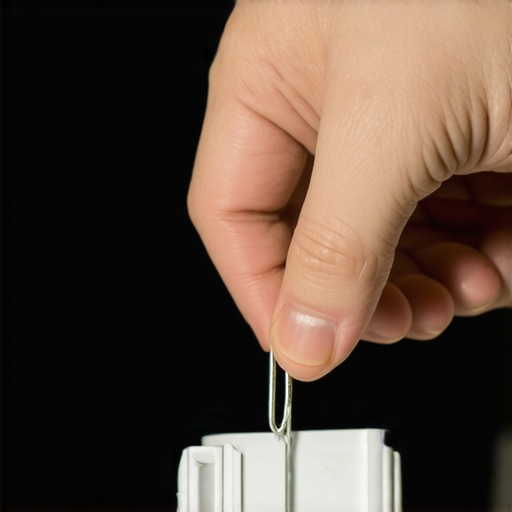
Stop the detergent overdose cycle
It sounds counterintuitive, but using more soap often leads to more film. High-efficiency machines use very little water, and a giant pod can create a soap storm that the machine can’t fully rinse away. I switched back to powder for a month and saw an immediate improvement in clarity. Understanding the truth about tablet vs powder detergent residue helped me realize that pods aren’t always the gold standard. If you stick with pods, ensure your machine isn’t struggling with detergent overdose, which can actually bake a layer of film onto your plates during the drying cycle.
Give hard water a real opponent
If your area has liquid rock coming out of the pipes, a standard wash won’t cut it. Minerals like calcium and magnesium are the architects of that white film. In many European models, there’s a dedicated salt reservoir for this reason because why salt is the secret for clean dishes in hard water areas is well-documented. For those of us without a salt softener built-in, you need to manually intervene. I’ve found that using an acid-based rinse aid or a dedicated descaler once a month keeps the internal sensors from getting confused. If you’re tired of seeing spots, you should learn how to remove hard water spots without chemicals using simple household staples. This isn’t just about aesthetics; it’s about troubleshooting dishwasher problems before they lead to a mechanical failure.Most people assume that more cleaning power is always better, but I’ve seen countless sets of expensive wine glasses ruined because the homeowner overcompensated. If your water is already soft, or if you over-soften it, the detergent has nothing to ‘eat’ but the glass itself. This leads to a phenomenon called etching. Unlike mineral scale, etching is a physical change to the glass surface that can’t be washed away. This is why why soft water might be pitting your expensive glassware is such a common complaint among those who just installed a filtration system. You actually need to how to calibrate your dishwasher for soft water to find that sweet spot where the soap cleans the food without dissolving the crystal. 
How do I know if the film is permanent etching or just scale?
There is a simple trick I use to diagnose this instantly: the vinegar test. Soak a cloudy glass in white vinegar for five minutes. If the film wipes away, it’s mineral buildup from hard water. If it remains, you are looking at etching, which is often caused by a combination of high heat and phosphate-free detergents in soft water. According to a study by the Association of Home Appliance Manufacturers (AHAM), using excessively hot water (above 140°F) in soft water environments significantly accelerates this corrosion process. If you’ve been cranking up the heat to ‘sanitize’ every load, you might be unintentionally sandblasting your dishes.
Protect your wallet by knowing your warranty limits
When it comes to troubleshooting dishwasher problems, the biggest trap is the ‘parts cannon.’ I’ve seen people replace a motor when a simple check valve was the culprit. Even worse, if you start pulling apart the motor housing without knowing what you’re doing, you might stumble into the fine-print that voids your appliance service plan. Professional understanding appliance diagnostics improving your warranty claims is about documenting the failure correctly. If a technician finds that you’ve been using the wrong detergent or performed an uncertified repair, why your warranty claim for a clogged pump might get denied becomes a very expensive reality. You have to be careful about which components you touch. For instance, how appliance diagnostics can save your warranty benefits is by proving the part failed due to a manufacturer defect rather than consumer negligence or ‘hard water neglect.’ Have you ever fallen into the ‘more soap is better’ trap and ended up with cloudy glasses? Let me know in the comments.
Grab a multimeter and stop playing parts-roulette
If you want to move beyond just hoping the machine works, you need to treat it like a car. I never touch a repair without my trusty multimeter. Most people think these are for professional electricians only, but learning the only multimeter settings you need for appliance repair saved me $400 last year on a control board I didn’t actually need. Instead of guessing why the water isn’t heating, you can use testing your heating element with a 9-volt battery as a quick hack to check continuity. If the element is dead, it doesn’t matter how much vinegar you use; your dishes will never be clear. Knowing how to use these tools is the backbone of understanding appliance diagnostics improving your warranty claims. If you can show a technician that you’ve already verified a component’s failure, they are much less likely to brush you off with a ‘no fault found’ service fee.
How do I maintain my dishwasher performance over time?
Consistency is the only thing that beats hard water in the long run. I recommend a deep clean of the ‘hidden’ parts every three months. We all know to clean the visible filter, but the hidden drain screen that most homeowners never clean is usually where the real slime lives. If that screen is blocked, your pump has to work twice as hard, leading to that annoying drone you hear. While you are down there, take a second to learn the secret to getting grease out of your filter mesh using a soft-bristled brush and degreaser. This prevents the backflow that causes your glasses to look gritty. Most homeowners forget that identifying a failing sump gasket before the floor warps is much cheaper than replacing a hardwood kitchen floor. 
Your next machine might fix itself before you notice a leak
We are entering an era of predictive maintenance. In the next five years, I expect most flagship models to include internal sensors that detect the chemical conductivity of the water and adjust detergent release automatically. We are already seeing this with why smart dishwashers use less detergent than older models. However, this technology comes with its own headaches, like why your smart appliance app keeps losing connection or the need for a why your smart dishwasher needs a firmware update to save water. According to the Technical Service Guide for modern Bosch and Miele units, the error codes are becoming so specific that they can pinpoint a blockage in the drain hose before the water even spills over. If your machine starts acting up, don’t ignore it. I want you to go grab a screwdriver and try how to test your float switch using a plastic straw tonight—it’s the easiest way to see if a simple mechanical jam is what’s actually ruining your clean glass streak.
The Hardest Lessons I Learned While Chasing a Perfect Shine
I’ve spent hundreds of hours staring into the guts of various machines, and if there is one thing I’ve learned, it’s that we often try too hard. I used to be the person who scrubbed every plate before it hit the rack, but I eventually realized why pre-washing dishes is a waste of time and money. Modern detergents actually need a bit of food proteins to cling to; without them, the chemicals turn their aggressive energy toward your glassware, leading to that permanent etching we all dread. Another ‘lightbulb moment’ for me was discovering the hidden drain screen that most homeowners never clean. It isn’t just the main filter that traps gunk; this secondary screen can harbor a film of bacteria and minerals that recirculates throughout every wash. Finally, I learned that water chemistry changes seasonally. In the winter, your pipes are colder, and your machine might need a longer pre-heat to actually activate the detergent. If you ignore these small shifts, you’ll find yourself troubleshooting dishwasher problems that aren’t actually mechanical failures, but environmental ones. #IMAGE_PLACEHOLDER_E#
The Tools I Keep in My Kitchen Drawer
You don’t need a rolling tool chest to keep your machine running perfectly. First, I always recommend keeping a cheat sheet for the only multimeter settings you need for appliance repair. Even a $15 meter can tell you if your heating element has given up the ghost. Second, keep a bottle of high-quality white vinegar or a citric acid-based descaler on hand; it’s the only way to fight back against liquid rock. Third, I never go a month without using the secret to getting grease out of your filter mesh, which is a simple soft-bristled nylon brush. These three things—a meter, an acid, and a brush—will solve 90% of the film issues you’ll ever encounter.
Take Control and Stop Fearing the White Film
Don’t let a little mineral buildup make you feel like you need a brand-new appliance. Most of the time, your machine is just trying to tell you that its environment has changed. By adjusting your detergent levels, checking your water temp, and occasionally looking at those hidden screens, you can save thousands of dollars over the life of your kitchen. Dishwasher maintenance isn’t a chore; it’s a way to ensure your home stays efficient and your favorite glasses stay clear. You’ve already done the hard part by learning the science behind the scale. Now, go run that vinegar test and see if you can reclaim your shine. Have you ever found a weird object like a toothpick or a cherry pit stuck in your spray arm nozzles? Let me know in the comments below!