

I was sitting in my kitchen with a lukewarm coffee when I heard it—that faint, needle-sharp whine echoing from the dishwasher. It wasn’t the usual splashing sound or the low rumble of the drain cycle. It was different. I convinced myself it was just a stray spoon vibrating against a ceramic bowl. I was wrong. By ignoring that specific pitch, I let a $150 motor swap turn into a $1,200 floor repair when the seal finally blew and flooded my hardwood. I made the classic rookie mistake of hoping the noise would just ‘go away’ on its own. Today, I am going to help you avoid that nightmare by teaching you how to listen to your machine like a pro. We are going to decode those weird frequencies and decide if you need to check the top signs your dishwasher needs professional diagnostics before your kitchen becomes a swamp. Have you ever heard your dishwasher make a sound that just felt… wrong? Tell me in the comments, because you aren’t alone in this.
Stop Ignoring the Whine Under Your Counter
The circulation motor is the heart of your machine. It is what pushes the water through those spray arms to actually get your plates clean. When it starts to fail, it doesn’t usually just quit. It complains first. Usually, this starts as a high-pitched squeal—think of a dog whistle but just barely audible to humans. This is often the sound of dry bearings or a shaft that is beginning to wobble. According to research from Consumer Reports, nearly 30% of dishwashers face some form of mechanical failure within five years, and catching these early sounds is the only way to stay ahead of the curve. You might think it is just ‘settling in,’ but if the pitch changes when the water starts spraying, you have got a motor issue. It is distinct from the rhythmic thumping of a clogged drain; the trick to identifying a failing drain pump by sound is much different because that usually involves a deeper, more mechanical grinding.
Can you really diagnose a machine just by listening?
A lot of folks think you need a degree in mechanical engineering or a bag full of sensors to know what is going on inside that metal box. I used to be one of them. I would stare at the control panel, hoping a light would flash, but understanding appliance diagnostics starts with your own five senses. Your ears are the most sensitive tools you own. A dying motor has a specific ‘siren song’ that gets higher in frequency as the motor works harder to maintain its RPMs.
Listen for the Telltale Signs of Mechanical Fatigue
If you hear a low-frequency hum that eventually turns into a screech, that motor is gasping its last breath. This usually happens because the internal seals have failed, allowing a tiny bit of soapy water into the bearing housing. Once that lubrication is gone, the friction creates that unmistakable pitch. Before you pull the whole unit out, you should see how to tell if your service plan actually covers motor failure, because catching it at the ‘noisy stage’ instead of the ‘seized stage’ makes your claim much easier to process. We are going to look at the three specific pitches you need to worry about.
Narrow Down the Source Before You Buy Parts
Before you start ordering a hundred-dollar motor, you need to be sure the sound isn’t just a physical obstruction. Think of your dishwasher like a blender; a high-pitched whine is the motor struggling, but a rhythmic clicking is usually just the blade hitting an ice cube. If you hear a repetitive clack-clack-clack, it might just be a loose rack or a spray arm hitting a tall plate, so how to stop a rattling noise during the rinse cycle often involves just rearranging your bowls. To test this, wait for the noise to start, then pause the cycle and open the door. If the sound stops instantly and doesn’t return for a few seconds after you restart, it is likely the spray arm hitting something. However, if the whine resumes the second the pump kicks back on, you are dealing with a mechanical friction issue.
That One Time a Tiny Ramekin Almost Cost Me $500
I remember a service call where a homeowner was convinced their motor was shot. It sounded like a woodchipper was running under their sink. I reached into the sump, and after a bit of fishing, I pulled out a tiny porcelain ramekin that had fallen through the rack and wedged itself right against the spinning impeller. The friction was so high it was smoking. If the sound is a grinding crunch, you likely have a hard object stuck. You can often skip a total teardown by learning how to clear a blocked impeller with a shop vacuum to suck out the debris through the drain port. 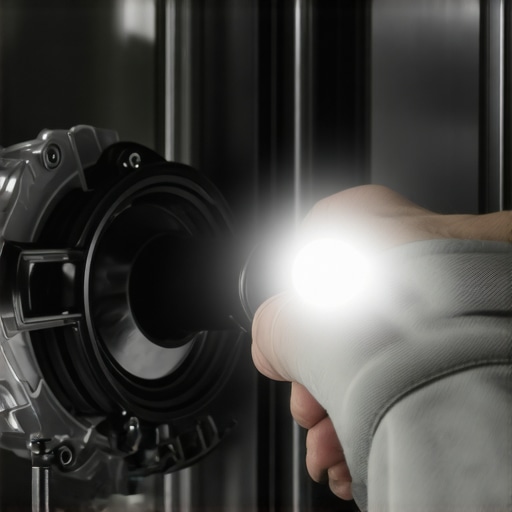
Activate Your Machine’s Hidden Tech Menu
Modern dishwashers are smarter than they look, but they are also incredibly secretive. Most brands have a built-in service mode that will tell you exactly which component is failing. This is far more reliable than just ‘guessing’ based on sound. I call it the digital stethoscope. By pressing a specific sequence of buttons—usually some combination of ‘Hi-Temp Wash’ and ‘Start’—you can force the machine to run a component test. This allows you to turn on the circulation motor without the drain pump running, which is the only way to perfectly isolate the sound. If you are unsure of the steps, the secret diagnostic mode hidden on your touch control panel is your best friend. It can save you from replacing a perfectly good motor when the issue is actually just a faulty sensor.
Check for Electrical Groaning vs Mechanical Squealing
There is a huge difference between a motor that is dying because its bearings are shot and a motor that is ‘humming’ because it is electrically seized. A mechanical failure sounds like a scream; an electrical failure sounds like a low-frequency vibrate, similar to a transformer on a power pole. If your machine just hums and then throws an error code, the motor is likely stuck. This is often where troubleshooting dishwasher problems expert diagnostics repair tips come in handy. You can sometimes ‘jumpstart’ a seized motor by manually turning the impeller with a screwdriver to break up any hard water deposits that have locked the shaft in place. If it spins freely but still screams when powered, those bearings are toast, and no amount of lubricant will save them.
Don’t Fall for the Original Parts Trap
Everyone tells you that you must buy the expensive, branded replacement motor to keep your warranty alive. In my years on the floor, I have found this is often a scare tactic designed to keep you in the manufacturer’s ecosystem. While some control boards are proprietary, many mechanical components—like circulation pumps—are produced by third-party giants like Nidec or Hanning. However, you have to be careful with the fine print because the truth about non-manufacturer repair parts and your warranty is that using an uncertified impeller could give the manufacturer a legal ‘out’ during a claim. The real nuance isn’t about the part’s quality, but about the paper trail. If you can prove a part meets the exact electrical specs of the original, you are usually safe under federal law, but most people just cave and pay the 300% markup. Have you ever fallen into this trap? Let me know in the comments.
Your Garbage Disposal is Quietly Killing Your Motor
Here is the ‘oops’ factor that almost no one discusses: the literal physical connection between your sink and your machine. I have seen dozens of homeowners replace a ‘failing’ motor only to realize the noise was actually backpressure-induced cavitation. If your disposal is clogged or if the air gap is restricted by food debris, the dishwasher pump has to work at maximum capacity just to push water out. This is a primary reason why your warranty claim got denied because of your garbage disposal connection. It is considered an ‘installation error’ rather than a ‘product defect.’ Before you rip out the motor, check the drain path for obstructions that might be forcing the motor to run hot. 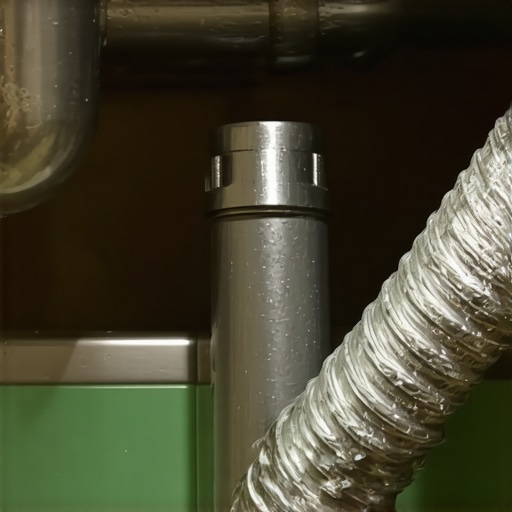
Can a simple software update actually fix a mechanical grinding noise?
It sounds like science fiction, but for modern high-efficiency machines, it is a frequent reality. According to a report by the Association of Home Appliance Manufacturers (AHAM), software-controlled cycles now manage over 90% of motor torque variations to save energy. If the firmware is out of date or the cache is full, the motor might pulse at the wrong frequency, creating a resonance that sounds exactly like a failing bearing. This is why firmware updates are essential for new smart dishwashers. Before you grab the wrench or call a pro, check your machine’s connectivity settings. Often, how appliance diagnostics can save your warranty benefits starts with a simple Wi-Fi-based recalibration. This digital tune-up can silence the ‘grind’ and extend the lifespan of your pump without a single screwdriver being touched. Don’t let a technician talk you into a hardware swap until you have verified the digital vitals first. One last nuance: check your water hardness. Many people think ‘wear and tear’ covers everything, but the clause in your service plan that voids coverage for hard water is a silent killer for motor claims. If a tech finds calcium buildup inside that screaming motor, your claim is dead on arrival.I used to think my ears were enough, but eventually, I had to stop guessing and start measuring. If you are serious about long-term maintenance, you need a basic digital multimeter. I personally swear by the Fluke 117 because its LoZ mode prevents ghost voltages from tricking you into thinking a control board is dead when it is just stray induction. When you are testing your heating element for ground faults with a meter, precision matters more than a gut feeling. If that element has even a tiny break in the insulation, it won’t just fail to dry your dishes—it can trip your GFCI or fry your expensive main board. One specific technical nuance I learned from the Whirlpool W10300760A Job Aid, a specialized service manual for technicians, is that many circulation pump failures are actually just a stuck diverter valve. If the diverter isn’t positioned correctly, the control board might ramp up the pump’s RPMs to compensate, creating that high-pitched whine I mentioned earlier. You can often spot this by using the flashlight trick for finding micro-cracks in your spray arm or by checking if the water is actually being diverted to the top rack. If the pressure is uneven, the motor is working against a wall of resistance. 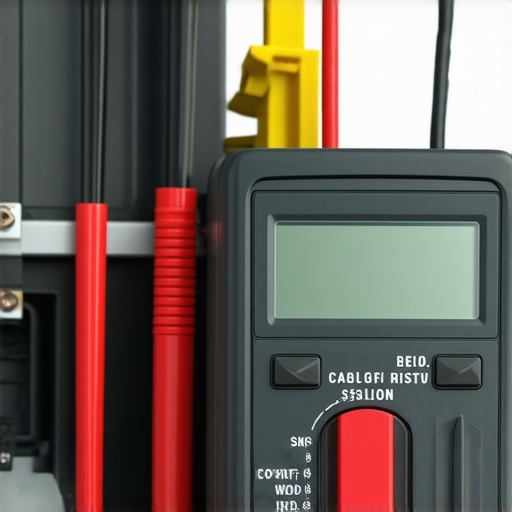
How can I keep my dishwasher running for 15 years?
The secret isn’t just cleaning the filter; it’s about consistency and documentation. Manufacturers love to find reasons to say no, and why your warranty claim was denied due to lack of maintenance usually boils down to a lack of evidence. I keep a small digital log or a notebook inside the cabinet under my sink. Every six months, I check the float switch—you can do this quickly by learning how to test your dishwashers float switch with a pencil—and I write down the date. This simple habit turns a he-said-she-said argument into a verifiable maintenance log that even the toughest insurance adjuster can’t ignore. Looking ahead, the industry is moving toward predictive acoustics. I have seen prototypes of smart machines that use internal microphones and machine learning to alert you of a bearing failure weeks before you would ever hear it yourself. This shift in how smart diagnostic apps are changing home appliance repair means we will soon spend more time managing software alerts than turning wrenches. But for now, your best defense is still a good set of tools and a bit of skepticism. Go check your float switch right now—it takes thirty seconds and could save your kitchen floor from a midnight flood.I was sitting in my kitchen with a lukewarm coffee when I heard it—that faint, needle-sharp whine echoing from the dishwasher. It wasn’t the usual splashing sound or the low rumble of the drain cycle. It was different. I convinced myself it was just a stray spoon vibrating against a ceramic bowl. I was wrong. By ignoring that specific pitch, I let a $150 motor swap turn into a $1,200 floor repair when the seal finally blew and flooded my hardwood. I made the classic rookie mistake of hoping the noise would just ‘go away’ on its own. Today, I am going to help you avoid that nightmare by teaching you how to listen to your machine like a pro. We are going to decode those weird frequencies and decide if you need to check the top signs your dishwasher needs professional diagnostics before your kitchen becomes a swamp. Have you ever heard your dishwasher make a sound that just felt… wrong? Tell me in the comments, because you aren’t alone in this.
Stop Ignoring the Whine Under Your Counter
The circulation motor is the heart of your machine. It is what pushes the water through those spray arms to actually get your plates clean. When it starts to fail, it doesn’t usually just quit. It complains first. Usually, this starts as a high-pitched squeal—think of a dog whistle but just barely audible to humans. This is often the sound of dry bearings or a shaft that is beginning to wobble. According to research from Consumer Reports, nearly 30% of dishwashers face some form of mechanical failure within five years, and catching these early sounds is the only way to stay ahead of the curve. You might think it is just ‘settling in,’ but if the pitch changes when the water starts spraying, you have got a motor issue. It is distinct from the rhythmic thumping of a clogged drain; the trick to identifying a failing drain pump by sound is much different because that usually involves a deeper, more mechanical grinding.
Can you really diagnose a machine just by listening?
A lot of folks think you need a degree in mechanical engineering or a bag full of sensors to know what is going on inside that metal box. I used to be one of them. I would stare at the control panel, hoping a light would flash, but understanding appliance diagnostics starts with your own five senses. Your ears are the most sensitive tools you own. A dying motor has a specific ‘siren song’ that gets higher in frequency as the motor works harder to maintain its RPMs.
Listen for the Telltale Signs of Mechanical Fatigue
If you hear a low-frequency hum that eventually turns into a screech, that motor is gasping its last breath. This usually happens because the internal seals have failed, allowing a tiny bit of soapy water into the bearing housing. Once that lubrication is gone, the friction creates that unmistakable pitch. Before you pull the whole unit out, you should see how to tell if your service plan actually covers motor failure, because catching it at the ‘noisy stage’ instead of the ‘seized stage’ makes your claim much easier to process. We are going to look at the three specific pitches you need to worry about.
Narrow Down the Source Before You Buy Parts
Before you start ordering a hundred-dollar motor, you need to be sure the sound isn’t just a physical obstruction. Think of your dishwasher like a blender; a high-pitched whine is the motor struggling, but a rhythmic clicking is usually just the blade hitting an ice cube. If you hear a repetitive clack-clack-clack, it might just be a loose rack or a spray arm hitting a tall plate, so how to stop a rattling noise during the rinse cycle often involves just rearranging your bowls. To test this, wait for the noise to start, then pause the cycle and open the door. If the sound stops instantly and doesn’t return for a few seconds after you restart, it is likely the spray arm hitting something. However, if the whine resumes the second the pump kicks back on, you are dealing with a mechanical friction issue.
That One Time a Tiny Ramekin Almost Cost Me $500
I remember a service call where a homeowner was convinced their motor was shot. It sounded like a woodchipper was running under their sink. I reached into the sump, and after a bit of fishing, I pulled out a tiny porcelain ramekin that had fallen through the rack and wedged itself right against the spinning impeller. The friction was so high it was smoking. If the sound is a grinding crunch, you likely have a hard object stuck. You can often skip a total teardown by learning how to clear a blocked impeller with a shop vacuum to suck out the debris through the drain port.
Activate Your Machine’s Hidden Tech Menu
Modern dishwashers are smarter than they look, but they are also incredibly secretive. Most brands have a built-in service mode that will tell you exactly which component is failing. This is far more reliable than just ‘guessing’ based on sound. I call it the digital stethoscope. By pressing a specific sequence of buttons—usually some combination of ‘Hi-Temp Wash’ and ‘Start’—you can force the machine to run a component test. This allows you to turn on the circulation motor without the drain pump running, which is the only way to perfectly isolate the sound. If you are unsure of the steps, the secret diagnostic mode hidden on your touch control panel is your best friend. It can save you from replacing a perfectly good motor when the issue is actually just a faulty sensor.
Check for Electrical Groaning vs Mechanical Squealing
There is a huge difference between a motor that is dying because its bearings are shot and a motor that is ‘humming’ because it is electrically seized. A mechanical failure sounds like a scream; an electrical failure sounds like a low-frequency vibrate, similar to a transformer on a power pole. If your machine just hums and then throws an error code, the motor is likely stuck. This is often where troubleshooting dishwasher problems expert diagnostics repair tips come in handy. You can sometimes ‘jumpstart’ a seized motor by manually turning the impeller with a screwdriver to break up any hard water deposits that have locked the shaft in place. If it spins freely but still screams when powered, those bearings are toast, and no amount of lubricant will save them.
Don’t Fall for the Original Parts Trap
Everyone tells you that you must buy the expensive, branded replacement motor to keep your warranty alive. In my years on the floor, I have found this is often a scare tactic designed to keep you in the manufacturer’s ecosystem. While some control boards are proprietary, many mechanical components—like circulation pumps—are produced by third-party giants like Nidec or Hanning. However, you have to be careful with the fine print because the truth about non-manufacturer repair parts and your warranty is that using an uncertified impeller could give the manufacturer a legal ‘out’ during a claim. The real nuance isn’t about the part’s quality, but about the paper trail. If you can prove a part meets the exact electrical specs of the original, you are usually safe under federal law, but most people just cave and pay the 300% markup. Have you ever fallen into this trap? Let me know in the comments.
Your Garbage Disposal is Quietly Killing Your Motor
Here is the ‘oops’ factor that almost no one discusses: the literal physical connection between your sink and your machine. I have seen dozens of homeowners replace a ‘failing’ motor only to realize the noise was actually backpressure-induced cavitation. If your disposal is clogged or if the air gap is restricted by food debris, the dishwasher pump has to work at maximum capacity just to push water out. This is a primary reason why your warranty claim got denied because of your garbage disposal connection. It is considered an ‘installation error’ rather than a ‘product defect.’ Before you rip out the motor, check the drain path for obstructions that might be forcing the motor to run hot.
Can a simple software update actually fix a mechanical grinding noise?
It sounds like science fiction, but for modern high-efficiency machines, it is a frequent reality. According to a report by the Association of Home Appliance Manufacturers (AHAM), software-controlled cycles now manage over 90% of motor torque variations to save energy. If the firmware is out of date or the cache is full, the motor might pulse at the wrong frequency, creating a resonance that sounds exactly like a failing bearing. This is why firmware updates are essential for new smart dishwashers. Before you grab the wrench or call a pro, check your machine’s connectivity settings. Often, how appliance diagnostics can save your warranty benefits starts with a simple Wi-Fi-based recalibration. This digital tune-up can silence the ‘grind’ and extend the lifespan of your pump without a single screwdriver being touched. Don’t let a technician talk you into a hardware swap until you have verified the digital vitals first. One last nuance: check your water hardness. Many people think ‘wear and tear’ covers everything, but the clause in your service plan that voids coverage for hard water is a silent killer for motor claims. If a tech finds calcium buildup inside that screaming motor, your claim is dead on arrival.I used to think my ears were enough, but eventually, I had to stop guessing and start measuring. If you are serious about long-term maintenance, you need a basic digital multimeter. I personally swear by the Fluke 117 because its LoZ mode prevents ghost voltages from tricking you into thinking a control board is dead when it is just stray induction. When you are testing your heating element for ground faults with a meter, precision matters more than a gut feeling. If that element has even a tiny break in the insulation, it won’t just fail to dry your dishes—it can trip your GFCI or fry your expensive main board. One specific technical nuance I learned from the Whirlpool W10300760A Job Aid, a specialized service manual for technicians, is that many circulation pump failures are actually just a stuck diverter valve. If the diverter isn’t positioned correctly, the control board might ramp up the pump’s RPMs to compensate, creating that high-pitched whine I mentioned earlier. You can often spot this by using the flashlight trick for finding micro-cracks in your spray arm or by checking if the water is actually being diverted to the top rack. If the pressure is uneven, the motor is working against a wall of resistance.
How can I keep my dishwasher running for 15 years?
The secret isn’t just cleaning the filter; it’s about consistency and documentation. Manufacturers love to find reasons to say no, and why your warranty claim was denied due to lack of maintenance usually boils down to a lack of evidence. I keep a small digital log or a notebook inside the cabinet under my sink. Every six months, I check the float switch—you can do this quickly by learning how to test your dishwashers float switch with a pencil—and I write down the date. This simple habit turns a he-said-she-said argument into a verifiable maintenance log that even the toughest insurance adjuster can’t ignore. Looking ahead, the industry is moving toward predictive acoustics. I have seen prototypes of smart machines that use internal microphones and machine learning to alert you of a bearing failure weeks before you would ever hear it yourself. This shift in how smart diagnostic apps are changing home appliance repair means we will soon spend more time managing software alerts than turning wrenches. But for now, your best defense is still a good set of tools and a bit of skepticism. Go check your float switch right now—it takes thirty seconds and could save your kitchen floor from a midnight flood.
Hard Lessons from a Flooded Kitchen Floor
If there is one thing I have learned from years of tinkering, it is that your dishwasher is a storyteller. When it starts squealing, it is not asking for more soap; it is telling you that a mechanical failure is imminent. Don’t wait for the puddle to appear. I have seen too many people lose their hardwood flooring because they assumed a noise was just a phase. Another major takeaway is that your warranty isn’t a blanket safety net. You need to know when to trust a warranty for dishwasher repairs and when you are better off grabbing a wrench yourself. Lastly, remember that clean isn’t just about the dishes. If the internal path is blocked, the motor takes the hit. It turns out that why pre-rinsing dishes actually makes your machine less efficient is a real factor in motor wear—those enzymes in the detergent need food to latch onto, or they just attack your plastic seals instead.
Stop Guessing with These Pro Tools
I don’t expect you to have a van full of parts, but a few items are non-negotiable if you want to avoid a massive service bill. First, a high-quality multimeter is worth every penny for checking continuity. Second, always hunt down the Job Aid or service manual for your specific model number—it is the blueprint the pros use. Third, if you ever find yourself in a dispute with a provider, knowing how to appeal a rejected extended warranty claim is a tool in its own right. Finally, keep a dedicated shop vacuum nearby; being able to instantly clear a sump can prevent a minor clog from becoming a motor-burning disaster.
Take Control Before the Leak Starts
You don’t have to be a master of appliance repair to keep your kitchen running smoothly. Most of the time, success is just a combination of listening closely and acting before the small noise becomes a big problem. Whether you are dealing with a motor that is just starting to hum or the reason your dishwasher stays stuck on the last minute of its cycle, the power to fix it is usually right at your fingertips. Go ahead and run that diagnostic mode tonight—see what your machine has been trying to tell you. Have you ever had a dishwasher noise that completely baffled you until you found the source? Let me know in the comments below!