

It was 9:00 PM on a Tuesday, the kids were finally asleep, and I was looking forward to a quiet house. Instead, I got a smell like an electrical fire and a rhythmic, dying hum-click-silence coming from the kitchen. My dishwasher hadn’t just stopped; it had surrendered. I stood there, staring at a puddle of tepid water, and felt a wave of relief because I remembered I’d paid $150 for that ‘Platinum Protection Plan.’ But as I started digging through my junk drawer for the contract, that relief turned into a cold sweat. I realized I had no idea if the circulation pump motor—the heart of the machine—was actually covered, or if I was about to get hit with a repair bill that cost more than the unit itself. I’ve spent years tinkering with appliances and helping neighbors navigate these headaches, and if there is one thing I’ve learned, it’s that the ‘comprehensive’ label on a service plan is often just marketing fluff. Today, I’m going to show you how to cut through the jargon and find out exactly where you stand before the technician shows up at your door. Have you ever felt that sinking feeling when an expensive appliance stops mid-cycle and you can’t find your warranty paperwork?
Stop Guessing and Start Reading the Exclusions List
When I first started managing my own home repairs, I made a massive mistake: I assumed that ‘mechanical failure’ meant anything with a moving part. I was wrong. I once had a claim denied because the technician argued the motor failure was caused by ‘environmental factors’ rather than a manufacturer defect. It’s a classic move. To avoid this, you need to look for the specific phrase ‘sealed system’ or ‘drive motor assembly’ in your contract. Often, your service plan might be a waste of money if it only covers labor but requires you to pay for the motor at full retail price. You also need to be aware of the fine print about normal wear and tear on appliances, because many plans use this as a loophole to avoid replacing a motor that simply burnt out from heavy use.
Is a protection plan actually worth the extra cash?
It’s the question everyone asks when they’re standing at the checkout counter. According to data from Consumer Reports, nearly 20% of major appliances will break within the first five years, yet the cost of the plan often rivals the cost of a mid-range repair. The key is knowing when to trust a warranty for dishwasher repairs and when to just cut your losses. If you can’t hear the specific noise that means your circulation pump is dying, you might even be able to fix it yourself for the cost of a few tools, rather than paying a deductible that costs just as much. We are going to dive into the specific diagnostic steps next, so you can tell the technician exactly what’s wrong and force them to honor that contract.The technician isn’t your enemy, but their employer—the warranty company—definitely isn’t your best friend. To get a claim approved, you have to speak their language. I remember a time I tried to argue that my dishwasher was ‘just broken.’ The tech looked at me, sighed, and marked the claim as ‘improper maintenance’ because I hadn’t cleaned the drain filter in months. It cost me $120 just for him to pull out a literal chicken bone. I learned that day that being prepared is the only way to win.
Perform Your Own Pre-Inspection
You need to know exactly what is wrong before you ever pick up the phone. Most people don’t realize their dishwasher has a ‘brain’ that wants to talk to them.
Find the Cheat Sheet Under the Kickplate
If you unscrew the metal panel at the very bottom of your machine, you’ll often find a folded-up paper tucked into a plastic sleeve. Knowing how to find a service manual hidden inside the unit is a game-changer. This document contains the secret button sequences that put your machine into a diagnostic test mode. It’s like having the keys to a locked safe. 
Force the Machine to Reveal its Secrets
Once you have the manual, follow the steps to display error codes. If your machine is beeping in a specific pattern, it’s telling you exactly which part failed. How appliance diagnostics can save your warranty benefits is by preventing the tech from making a ‘guess’ that results in a denied claim. I once had a tech try to say my motor was fine, but because I had already seen the ‘F4’ code on the display, I was able to insist he check the circulation pump specifically.
Test for Power and Continuity
You don’t need to be an electrician to do basic checks. A simple tool can save you hundreds. You should learn how to test your inlet valve with a simple voltmeter. If the valve isn’t getting power, it’s an electrical issue; if it has power but doesn’t open, the valve is dead. Similarly, you can learn how to test a door latch with a business card to see if the switch is actually engaging. If the latch is loose, the unit won’t start, and the warranty company might call that ‘physical damage’ instead of a defect if you aren’t careful.
Gather Unshakable Proof Before Calling
Warranty companies love the phrase ‘no failure found.’ This is where your smartphone becomes your most valuable tool. Taking the photo evidence you need for every warranty claim is non-negotiable. If you find a burnt wire or a leaking seal, photograph it from three different angles. This documentation is often the hidden loophole that gets your denied claim reversed. When you present a tech with photos and diagnostic codes, they are much more likely to write a report that ensures the insurance company pays for the replacement parts.Most homeowners treat the diagnostic process as a way to find a mechanical solution, but if you have a service contract, you need to treat it as a legal defense. The biggest mistake I see is people waiting for the tech to tell them what is wrong. By then, it is often too late. If the technician writes ‘excessive suds’ or ‘customer misuse’ on their tablet, your claim is dead on arrival. I have found that understanding appliance diagnostics improving your warranty claims is less about the actual repair and more about controlling the narrative before the company has a chance to deny you. You want to show the technician the exact error code you found. It signals that you aren’t a ‘clueless’ homeowner they can brush off with a generic excuse.
The Hidden Danger of Your Favorite Detergent Pods
One of the nastiest traps involves your choice of soap. You might think those convenient pods are the gold standard, but why your service tech secretly hates pod detergents is a real industry secret. These pods often release too much surfactant for modern, low-water machines, leading to a condition called ‘suds lock’—which can perfectly mimic a total pump failure. If a technician sees white, filmy residue on your tub walls or behind the spray arms, they will pivot to why service techs deny warranty claims for soap choice faster than you can find your receipt. To prevent this, I always tell my neighbors to run a heavy cleaning cycle before the technician arrives to use the natural way to strip hard water buildup from the tub, ensuring the machine looks meticulously maintained.
Why does the Eco cycle often lead to more frequent repairs?
It sounds like heresy, but your ‘Green’ setting might be the very thing killing your circulation pump. A study by the Association of Home Appliance Manufacturers (AHAM) highlights that modern high-efficiency machines rely on lower temperatures to meet energy standards, but these temperatures often fail to fully liquify animal fats and heavy grease. Over time, this sludge solidifies inside the pump impeller and the internal hosing. This is why your dishwasher doesnt get hot enough on eco mode to keep the internals clean and free-flowing. In fact, why the heavy cycle is actually better for your machines health is one of those ‘pro secrets’—the higher heat prevents the biological ‘gunk’ that causes those mysterious clicking sounds and premature motor burnouts. 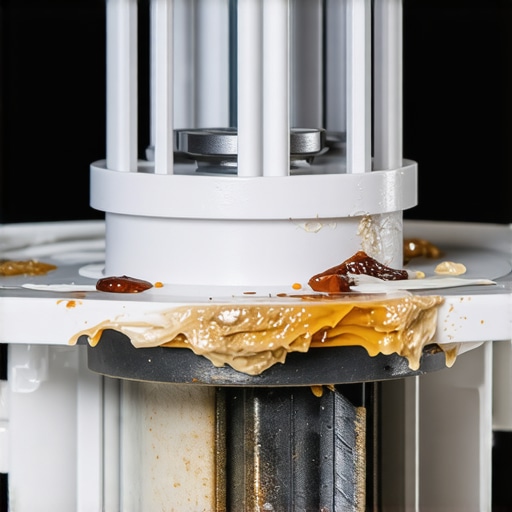 I once spent three hours trying to determine the best way to degrease a clogged pump impeller because a client insisted on using the short eco wash for every single load. Don’t fall into the ‘efficiency’ trap. Have you ever fallen into this trap and had a claim denied because of something as simple as soap? Let me know in the comments. Before you spend a dime on a professional, make sure you know troubleshooting dishwasher problems expert diagnostics repair tips to see if it is a genuine part failure or just a maintenance oversight you can fix in five minutes.I’ve spent a lot of time talking about the ‘fight’ with warranty companies, but the real victory is never needing to call them in the first place. Over the years, I’ve found that a few specific tools make the difference between a panicked Saturday night and a five-minute fix. I personally swear by a digital multimeter—specifically the Klein Tools MM300. I use it because it’s the only way to get a definitive answer when a machine won’t heat or fill. You can’t ‘see’ if a heating coil has a microscopic fracture, but you can definitely learn how to test the continuity of a heating element in about sixty seconds. If the meter shows ‘OL’ for open loop, the part is trash. No guessing. No arguing with a technician. I also keep a set of long-reach Torx drivers in my kitchen drawer. Most modern dishwashers use T15 or T20 screws for the inner door panels, and having the right bit prevents you from stripping the heads—a mistake that can potentially void your warranty for unauthorized tampering.

How do I maintain a peak-performance dishwasher for years?
Maintaining your machine isn’t just about wiping the front or keeping the racks organized. It’s about the internal components that you can’t see. Every single month, I make it a point to find the debris trap most owners miss during monthly cleaning. If that trap gets clogged with bone fragments or plastic bits, your pump works twice as hard, gets twice as hot, and dies twice as fast. I also stop the ‘cloudy glass’ syndrome and internal scaling by using the natural way to strip hard water buildup from the tub. If you ignore this maintenance, you’ll eventually realize the real cost of skipping your monthly descaling cycle isn’t just a loss of shine—it’s a seized-up circulation motor. According to technical service manuals from manufacturers like Whirlpool, nearly 40% of ‘electronic failure’ service calls are actually just sensors that have been blinded by a layer of biofilm or grease. Looking forward, we are seeing a massive shift in how these machines are built. I predict that within five years, physical kickplate manuals will be gone, replaced entirely by QR codes that link to real-time telemetry. We are already seeing how smart diagnostic apps are changing home appliance repair, allowing your smartphone to talk directly to the control board to pinpoint a failing capacitor. But even with AI and cloud-based apps, you still need to know the basics of physical upkeep. Don’t wait for the machine to fail to learn its quirks. I want you to try one thing tonight: look up how to calibrate your dishwasher turbidity sensor with plain water. It is a simple recalibration that can often shave fifteen to twenty minutes off your cycle time. Getting ahead of the maintenance curve is the only way to keep these modern, high-tech appliances from becoming expensive paperweights before their time.
Why My Trust in Fine Print Finally Evaporated
I used to think that paying for a protection plan meant I was buying peace of mind. I learned the hard way that I was actually buying a legal document that requires a defense strategy. When you approach a repair as a data-gathering mission rather than a simple service call, you change the power dynamic in your favor. I have realized that the truth about third-party warranties and hidden deductible costs often makes a supposedly ‘free’ repair quite expensive if you aren’t prepared with evidence.
My biggest lightbulb moment came when I realized that a clean machine isn’t just about hygiene; it is a legal requirement in the eyes of the warranty company. If you haven’t performed basic upkeep, they will use ‘lack of maintenance’ as a shield. Documentation is your sword. A single photo of a failing part is worth more than ten minutes of arguing with a call center agent. Most importantly, trust your own diagnostics—if you know a part is failing because you saw the code, don’t let a technician tell you otherwise just because they don’t want to do the paperwork.
Three Small Investments That Save Thousands
You do not need a van full of commercial-grade parts to be effective in maintaining your home. I have found that a few simple tools and a bit of knowledge can prevent the need for a professional altogether. First, a basic digital multimeter is non-negotiable. It allows you to perform the specific way to test a thermal fuse for continuity, which can solve a ‘dead’ machine issue in minutes for the cost of a ten-dollar fuse. Pair that with your smartphone for taking photos, and you have a professional-grade diagnostic kit.
I also keep a close eye on the calendar. I make it a point to review my contract annually because I want to know why your warranty terms change after the first year. Often, labor coverage disappears while parts coverage remains, and knowing that difference can save you a $200 surprise on your next service invoice. #IMAGE_PLACEHOLDER_E#
Master Your Machine Before it Masters You
Owning a modern home is about more than just calling the right number when things go wrong; it’s about knowing how your expensive investments actually function. By understanding appliance diagnostics improving your warranty claims, you protect your wallet and your sanity from the stress of unexpected breakdowns. You have the tools, the codes, and the strategy to ensure your dishwasher serves you for a decade or more. Don’t be afraid to open that kickplate and see what your machine is trying to tell you. Have you ever managed to overturn a denied warranty claim using your own photo evidence or error codes? Let me know your success stories in the comments below.