

It was 9:45 PM on a Tuesday, and I was finally settling into the couch with a glass of wine and the latest thriller. Then it started. A frantic, metallic thwack-thwack-thwack echoing from the kitchen. It wasn’t the rhythmic hum of progress; it sounded like my dishwasher was trying to digest a set of car keys. I panicked. My first instinct was to tear the kickplate off, but I realized I didn’t even know when to trust a warranty for dishwasher repairs versus when to grab my own screwdriver. I made the classic rookie mistake of ignoring it for a week, hoping it would ‘settle in.’ Spoiler alert: it didn’t. It just got louder until I finally performed some basic appliance diagnostics to save my sanity and my eardrums.
Why Your Kitchen Sounds Like a Construction Site
That rattling noise during the rinse cycle is usually a cry for help, but it’s rarely a death sentence for your machine. In my case, after a lot of sweating and a few choice words, I found a tiny piece of plastic stuck in the impeller. I could have saved myself hours of stress if I’d known how to identify a failing drain pump by sound early on. Today, I’m going to show you how to pinpoint exactly where that racket is coming from—whether it is a loose spray arm, a trapped cherry pit, or a pump that has seen better days. We are going to silence the beast without you having to spend three hundred bucks on a service call.
Can a simple noise actually mean your machine is dying?
I get the skepticism. You think, ‘It is just a rattle, maybe I will just turn up the TV.’ But here is the reality: vibration is the enemy of longevity. According to a study by the Association of Home Appliance Manufacturers, excessive vibration in high-speed cycles can lead to premature fatigue in soldered joints on the control board. If you ignore a mechanical rattle, you might end up needing expert diagnostics and repair tips for a much more expensive problem later. Have you ever felt that sinking feeling when your appliance starts ‘talking’ to you in a language of clanks and bangs? Drop a comment and tell me what your machine sounds like right now.
Before we dive into the deep end, it is worth checking if you have recently had any work done. Sometimes a kitchen remodeler moving the machine can slightly unlevel the legs, leading to a rinse-cycle dance that sounds like a drum solo. Let’s get into the nitty-gritty of the most common culprits.
Check the Spinners Before You Panic
Start by pulling out the bottom rack and giving the spray arms a manual spin. If they hit the heating element or the rack itself, you have found your culprit. Often, a rhythmic ‘clack-clack’ is just the five-minute fix for a loose spray arm nut away from total silence. I once spent twenty minutes wondering why my machine sounded like a hail storm, only to realize a tall cookie sheet was blocking the rotation. To be sure you are getting full coverage after you tighten things up, try the paper plate test for spray arm coverage. If the arm is actually wobbly or split, you can easily learn how to replace a cracked spray arm without calling a technician.
Is Your Filter Hiding a Secret?
Next, look at the very bottom of the tub. Most people ignore the hidden filter most owners never clean in their machine until it starts smelling like a swamp or making a grinding noise during the drain cycle. Twist it out and check for bone fragments, glass shards, or those annoying little fruit stickers. I highly recommend cleaning your sump filter with a soft brush to stop foul odors and ensure smooth water flow. Debris here acts like sandpaper on your pump’s internals, wearing down the seals until they fail completely.
Sucking Out the Problem with a Shop Vac
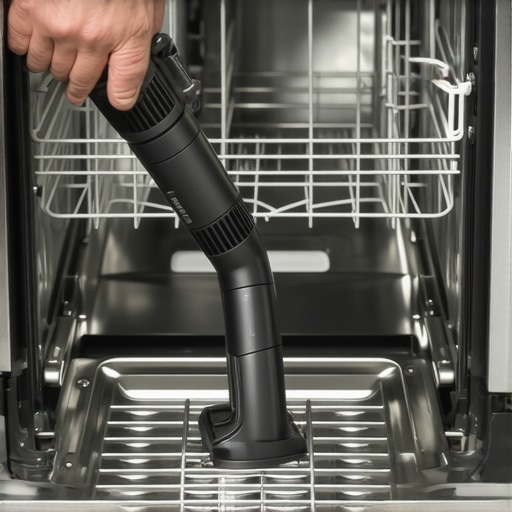
If the noise is a high-pitched whine or a persistent rattle that won’t go away, something is likely stuck in the impeller—the tiny fan-like component that moves the water. Last summer, I was convinced my motor was shot. I could hear the trick to identifying a failing drain pump by sound, and it sounded like a very expensive repair. Instead of calling a tech, I pulled out the filter and used a wet/dry vac to suck out the standing water and whatever was hiding in the housing. Out popped a single cherry pit that had been rattling around like a marble in a blender. That five-second move saved me a hefty diagnostic fee. You can follow the same steps on how to clear a blocked impeller with a shop vacuum to see if your ‘broken’ machine is just blocked by a piece of debris.
Don’t Void Your Protection
While DIY is great for simple clogs, you have to be smart about your coverage. Understanding how appliance diagnostics can save your warranty benefits is crucial because if you start dismantling the actual motor assembly, you might void your manufacturer’s protection. If the noise persists after you’ve cleared the spray arms and the sump area, these are the top signs your dishwasher needs professional diagnostics. Don’t try to play the hero if you suspect a leak is coming from the main motor seal; that is the moment to step back and let the pros handle the heavy lifting to ensure your warranty stays intact.
Everyone tells you that if the machine is loud, the motor is toast. In my experience, that is rarely the whole truth. We often jump to the most expensive conclusion because we’re conditioned to expect the worst. But here is a contrarian take: your dishwasher might be making a racket because you are actually being too clean. Modern high-efficiency machines rely on sophisticated turbidity sensors to determine how much water and heat to use. When you obsessively pre-rinse every speck of food off your plates, the sensors calibrate for a ‘light’ load, which can lead to the pump running dry or cavitating, creating a hollow, grinding sound. Consumer Reports has frequently noted that why pre-rinsing dishes actually makes your machine less efficient and can ironically lead to more mechanical wear over time. If the sensors don’t detect enough ‘soil,’ the detergents also have nothing to latch onto, which can lead to premature etching of your glassware.
The Sink Connection That Ruins Your Warranty
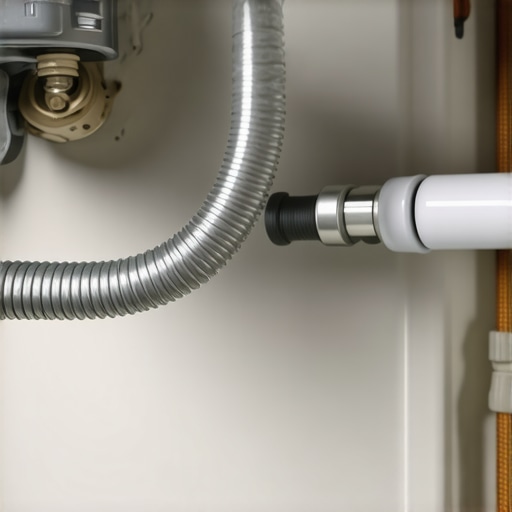
One of the biggest ‘oops’ factors I see involves the relationship between your dishwasher and the garbage disposal. I’ve seen homeowners spend a fortune on a new drain pump only to realize the issue was a three-dollar plastic plug. If you just installed a new disposal and your dishwasher won’t drain, that is why your warranty claim got denied because of your garbage disposal connection. It is the first thing a pro looks for, and it is an embarrassing way to lose your coverage. Another nuance is the ‘high loop’ in your drain line. If your hose doesn’t arch above the sink’s water level, dirty water siphons back into the machine, causing a ‘glugging’ sound that mimics a failing motor. This is the red flag your service tech looks for in your drain line before they even touch a screwdriver. Have you ever fallen into this trap? Let me know in the comments.
Why does my high-end machine stay on ‘one minute’ forever?
This is the ultimate advanced reader frustration. You check the clock, it says one minute left, and then ten minutes later, it still says one minute. This isn’t usually a broken timer; it is a diagnostic indicator. The machine is struggling to reach the target temperature or can’t quite get the water out fast enough. It is often a sign of the reason your dishwasher stays stuck on the last minute, which usually points to a partially clogged air gap or a heating element that is beginning to fail under load. Before you call a tech, try clearing the air gap to stop sink water from backing up. According to the National Kitchen & Bath Association, over 30% of dishwasher ‘malfunctions’ are actually just external plumbing issues. By understanding appliance diagnostics and improving your warranty claims, you can differentiate between a machine problem and a house problem. Remember, why your warranty claim was denied due to lack of maintenance often comes down to these external factors that manufacturers refuse to cover.
Don’t Fly Blind Without a Multimeter
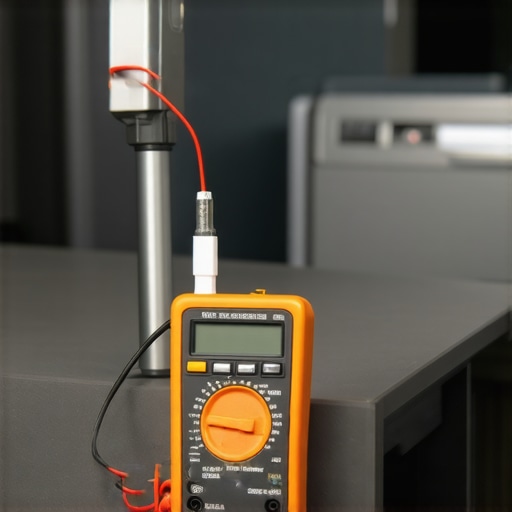
If you’re serious about DIY, you need a digital multimeter. I remember being terrified of electricity until a tech friend showed me that the specific way to test a thermal fuse for continuity is actually foolproof. Most people assume the control board is fried when the machine won’t turn on, but often it’s just a ten-dollar fuse. If you’re getting power but no heat, you should be testing your heating element for ground faults with a meter before buying a new unit. It takes five minutes and saves you from being the person who throws away a perfectly good machine.
How do I keep my dishwasher running for another decade?
Maintenance isn’t just about cleaning the filter. It’s about chemistry. If you live in a hard water area, you absolutely need to understand the truth about salt reservoirs in modern high-end dishwashers. Neglecting this leads to scale buildup that chokes the internal components. According to the Bosch Technical Service Manual for the 800 Series, failure to maintain proper water softness can lead to heater scale that reduces efficiency by 20% in just two years. This is also where things get legally tricky: check your paperwork, as the clause in your service plan that voids coverage for hard water is a very real trap for the unwary.
Looking ahead, the industry is moving toward ‘self-healing’ software and advanced telemetry. We’re already seeing how smart diagnostic apps are changing home appliance repair by letting the machine tell your phone exactly what’s wrong. But until every kitchen has a genius-level AI, you still need to know the manual tricks. For instance, if your water levels seem off, you can learn how to test your dishwashers float switch with a pencil. It’s a simple mechanical check that proves whether the ‘brain’ is getting the right signal. I challenge you to pull your bottom rack out today and look for how to prevent rust from forming on your dishwasher racks—catching a tiny chip now with some liquid rubber prevents a full rack replacement later.
Software Updates Are the New Screwdrivers
We used to only worry about mechanical parts, but now why firmware updates are essential for new smart dishwashers is a conversation I have constantly. A buggy sensor calibration can mimic a dying motor. If you’re tech-savvy, you can often access the secret diagnostic mode hidden on your touch control panel to reset these glitches yourself. Just be careful; as I’ve seen before, why your appliance firmware update just bricked the control board is a nightmare scenario you want to avoid by ensuring a stable Wi-Fi connection first. If you’re ever in doubt about whether to DIY or dial a pro, checking top signs your dishwasher needs professional diagnostics is the smartest move for your wallet and your warranty.
What the Repair Manual Won’t Explain About Your Machine
The most expensive lesson I learned was that sound is relative. I once thought a clicking noise meant I needed a new transmission, but it was just a tiny plastic fragment in the impeller. Here is the real talk: manufacturers expect you to fail. They bank on the fact that you won’t read the fine print about why your warranty terms change after the first year. I’ve realized that most ‘broken’ machines are actually just thirsty for a deep clean. If you ignore the hidden filter most owners never clean in their machine, no amount of software resets will fix the mechanical strain. Always check the physical blockages before you start blaming the control board or the motor.
#IMAGE_PLACEHOLDER_E#
My Three Secret Weapons for a Quiet Kitchen
If you want to move beyond basic troubleshooting, you need a small but mighty toolkit. First, a digital multimeter is non-negotiable; it is the only way to know for sure if you are testing a thermal fuse for continuity correctly. Second, keep a wet/dry shop vac in the garage. It is the absolute how to clear a blocked impeller with a shop vacuum shortcut that saves you from pulling the whole unit out and getting water all over the hardwood. Finally, I swear by citric acid for keeping sensors clear. Learning the secret to de-scaling your machine using lemon juice is cheaper and safer for your seals than harsh industrial chemicals that can cause premature cracking.
Take Control of Your Kitchen Maintenance Today
You don’t need a trade certificate to be the master of your appliances. By mastering appliance diagnostics, you shift the power balance from the service company back to your own hands. You’ll save hundreds in service fees and gain the peace of mind that comes with a job well done. There is a specific kind of satisfaction in hearing that perfectly quiet hum after you’ve evicted a stray cherry pit from the pump. Have you ever successfully fixed a noise only to have a different one start a week later? Tell me about your dishwasher ‘ghosts’ in the comments below!