

I stood in my kitchen last Tuesday, coffee mug in hand, and nearly gagged. It wasn’t the trash, and it wasn’t the leftovers in the fridge. It was a sharp, unmistakable scent of rotting fish wafting directly from my ‘clean’ dishwasher. I hadn’t cooked salmon in a month. That’s when it hit me: my dishwasher wasn’t just washing my plates; it was breeding a colony of bacteria that smelled like a pier at low tide. We’ve all been there, staring at a machine that’s supposed to sanitize our lives, wondering why it smells like a dumpster. Today, I’m going to show you exactly how to hunt down that stench and kill the bacteria behind it once and for all.
Your Kitchen Should Not Smell Like a Fish Market
When that fishy odor hits, it’s rarely because of actual fish. It’s usually a byproduct of organic matter—food scraps, grease, and fats—breaking down in a warm, moist environment. This creates a biofilm where bacteria thrive. Early in my DIY journey, I made the classic mistake of thinking more detergent would fix it. I’d double the soap, thinking I was ‘super-sanitizing’ the tub. In reality, the danger of using standard dish soap in your dishwasher or even just using too much detergent is that it leaves a soapy residue that actually traps the very bacteria you’re trying to kill. If you’ve ever noticed a slimy film on your gaskets, you’ve seen the problem firsthand. [image_placeholder] You need to realize that why your dishwasher still smells like old food after cleaning often comes down to the parts you can’t see without a little digging. Have you ever opened your dishwasher and felt like you needed a gas mask? Drop a comment and tell me how you dealt with it.
Is a deep clean really worth your Saturday afternoon?
You might be skeptical. After all, the machine uses hot water and soap every day—shouldn’t it be self-cleaning? Unfortunately, it isn’t. According to research published in the journal Biofouling, domestic appliances like dishwashers are notorious hotspots for opportunistic pathogens and fungi because of the high humidity and varying pH levels. If you don’t tackle the source, you’re just circulating those germs onto your forks. If the smell persists, you might even be looking at top signs your dishwasher needs professional diagnostics rather than just a simple scrub. I used to be the guy who ignored the ‘clean’ light flashing until the smell became unbearable. I eventually learned that cleaning your sump filter with a soft brush to stop foul odors is the bare minimum for maintenance. If you don’t do it, you’re essentially letting your machine sit in its own filth. We’re going to look at the hidden spots you’re missing, from the spray arms to the air gap, and even how how appliance diagnostics can save your warranty benefits if the smell is actually due to a failing component like a heater. Let’s get our hands dirty and fix this.
Stop the Rot Where It Starts
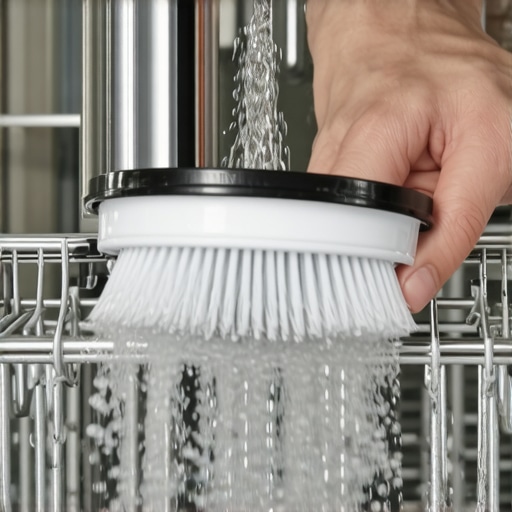
The first place that stench lives isn’t in the air; it’s trapped in the sludge at the very bottom of your tub. Think of your dishwasher filter like a lint trap in a dryer, but instead of fluffy cotton, it’s catching soggy cereal and old grease. I remember one Saturday afternoon when my machine was making a rhythmic ‘thump’ that drove me crazy. I pulled out the bottom rack, twisted the filter out, and found a solid mass of what looked like wet cardboard. After I spent ten minutes cleaning your sump filter with a soft brush to stop foul odors, the sound stopped, and the smell vanished. If you haven’t touched this part in a year, wear gloves.
Dig Into the Sump Without Moving the Machine
You don’t need to be a plumber to handle the deep stuff. Learning how to deep clean a dishwasher sump without pulling the machine is a game-changer. The sump is the reservoir where the water gathers before being pumped out. If grease builds up here, it turns rancid. Take a wet-dry vac or a large sponge to get all the standing water out first. Once it’s dry, you can see the debris that’s been marinating in there. This is also where you’ll see if you have a larger issue, like a failing component. If you find plastic chunks or metal shavings, you might be looking at top signs your dishwasher needs professional diagnostics rather than a DIY fix.
Clear Every Port with the Toothpick Trick
Next, look at the spray arms. These are the spinning ‘sprinklers’ of your machine. Over time, tiny seeds or hard water scale plug up the holes, causing the water pressure to drop. This is why why your dishwasher leaves a gritty film on your glasses—the water simply can’t reach them. I use the toothpick method for unclogging spray nozzles to poke out any blockages. It’s oddly satisfying to see a tiny lemon seed pop out of a hole that’s been blocked for months. If the arms are cracked or the bearings are shot, you should learn how to replace a cracked spray arm without calling a technician to save a service fee.
Use a Straw to Save Your Air Gap
If you have a little silver cylinder sitting on your sink, that’s your air gap. It prevents dirty sink water from siphoning back into your clean dishwasher. If that gets clogged, your dishwasher will smell like a sewer. You can actually use the secret to unclogging a dishwasher air gap with a straw to blow out the blockage. It sounds gross, but it works better than any chemical cleaner I’ve tried. If that doesn’t clear it, you may need to look at the quick drain pipe fix that stops your dishwasher from backing up to ensure everything flows one way: out of your house.
Keep Your Maintenance Records for the Warranty
Finally, don’t skip these steps because you think you’re covered by a service plan. Many homeowners are shocked to find why your warranty claim was denied due to lack of maintenance. If a technician comes out and finds the pump failed because it was choked with a year’s worth of hair and bone fragments, the manufacturer will often label it ‘consumer abuse’ and hand you the bill. Understanding how appliance diagnostics can save your warranty benefits starts with proving you did your part to keep the machine running clean.
While scrubbing the filter is a great start, there is a trap many ‘clean freaks’ fall into that actually makes the situation worse. Everyone tells you to pre-rinse your plates until they shine before loading them. In my experience, this is the quickest way to ruin your machine’s performance. Modern dishwashers use turbidity sensors to detect how dirty the water is. If you put in clean plates, the sensor assumes the water is clear and shortens the cycle, which is exactly why pre-rinsing dishes actually makes your machine less efficient. A study by the University of Michigan’s Center for Sustainable Systems found that most households waste thousands of gallons of water pre-rinsing, yet the dishes do not actually get cleaner because the detergent needs proteins and fats to latch onto. Without them, the soap just bounces off the plates and causes the real reason your glasses come out cloudy after a cycle.
The Natural Cleaner That Is Actually Killing Your Gaskets
Then there is the common ‘vinegar hack.’ We have all seen the social media tips suggesting a bowl of vinegar on the top rack for every wash. Stop doing that immediately. While vinegar is a great descaler for occasional use, its high acidity is a slow poison for your rubber components. I have seen perfectly good machines develop leaks because the owners did not realize why using distilled vinegar every week may damage your seals. It is better to use a dedicated, pH-balanced descaler once a month than to risk a kitchen flood from a corroded gasket. 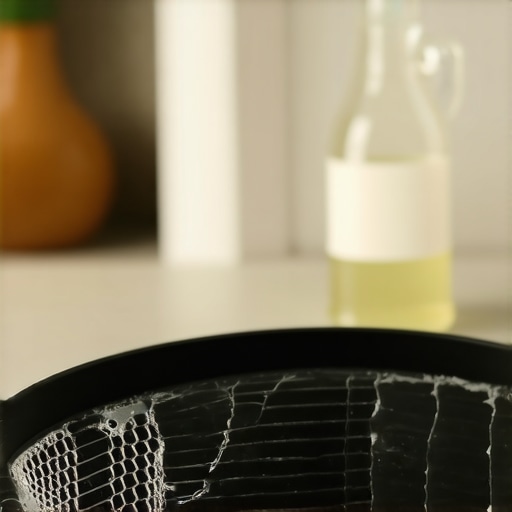
What if the sensor is just blinded by cleanliness?
If your dishes are still coming out gritty even after you have scrubbed the filter and skipped the pre-rinse, you might need to look beyond the spray arms. Sometimes the internal ‘brain’ of the machine needs a reset. You can actually learn how to calibrate your dishwasher turbidity sensor with plain water to get it back on track. This is the kind of high-level troubleshooting dishwasher problems-expert diagnostics-repair-tips that separates the pros from the weekend warriors. Have you ever fallen into the ‘clean-before-washing’ trap? Let me know in the comments.
Leverage Technology Before Calling a Tech
If the smell persists or the performance drops, do not just hand over your credit card to the first repairman you find. Use the technology built into your machine to your advantage. Most modern units manufactured in the last five years have hidden menus or diagnostic apps. Knowing how smart diagnostic apps are changing home appliance repair can help you verify what the technician is telling you before you agree to an expensive part replacement. This level of understanding appliance diagnostics-improving-your-warranty-claims ensures you are not paying for a whole new motor when you actually only needed a simple sensor cleaning or a firmware update.
The Bare Essentials for My Personal Repair Kit
I don’t believe in buying every gadget at the hardware store, but after a decade of keeping my own kitchen running, I have realized that three specific tools are non-negotiable. First is a basic digital multimeter. You cannot see electricity, but you can definitely feel the cost of a misdiagnosed circuit. I have used mine dozens of times for testing your heating element for ground faults with a meter when the dishes were coming out cold. Second is a long-reach Torx driver. Modern machines use these security screws to keep you out, but a quick the screwdriver move that fixes a sticky soap dispenser can save you fifty bucks in five minutes. Finally, keep a simple fridge magnet nearby; it is the most low-tech way to perform the simple magnet test for your door latch sensor if your machine refuses to start even though it has power.

How do I maintain my dishwasher’s performance over the long haul?
Maintenance is not a one-time event; it is a rhythm. The industry experts at the United Appliance Servicers Association (UASA) emphasize that internal scaling is the number one silent killer of circulation pumps. To fight this, I run a heavy-duty descaling cycle on the first Sunday of every month. If you ignore this, you are significantly increasing the real cost of skipping your monthly descaling cycle, which usually ends in a seized motor. I also recommend checking your drain line once a year. If you find a black, sludge-like buildup, it is a sign that your water temperature isn’t hitting the 120-degree mark needed to melt fats. This kind of proactive monitoring helps you decide when to trust a warranty for dishwasher repairs versus when to simply turn up your water heater’s thermostat.
Why OEM Parts Matter More Than You Think
When a part finally fails, the temptation to buy a ten-dollar knockoff from a random online marketplace is huge. I have been there, and I have regretted it every single time. Using non-certified components is a gamble with your safety and your wallet. Most people don’t realize the truth about non-manufacturer repair parts and your warranty: if that cheap part causes a leak or a fire, your insurance or manufacturer’s protection may be completely void. If you are ever fighting a denied claim, knowing the hidden loophole that gets your denied claim reversed usually involves proving you used factory-authorized components. Looking ahead, I predict we will see AI-integrated sensors that text your phone when a pump’s vibration frequency changes, allowing us to swap a part before the kitchen floors get wet. For now, the best thing you can do is get hands-on. Go grab a fridge magnet right now and try the simple magnet test for your door latch sensor to ensure your safety switches are engaging properly.
What No One Tells You About Living With a Smelly Dishwasher
Looking back at my years of DIY maintenance, I’ve realized that the ‘fish smell’ is often a symptom of a larger mechanical laziness. I once spent three days scrubbing a tub only to realize the real culprit was the red flag your service tech looks for in your drain line—a simple grease clog I could have cleared in five minutes. One major lightbulb moment was discovering that the ‘hottest’ setting on your machine isn’t just for show; it’s necessary for melting the fats that trap odors. Another hard-earned lesson: don’t assume a quiet machine is a healthy one. Sometimes why your drain pump makes a clicking sound is the only warning you get before a total failure. I also learned the hard way that when the unit fails, knowing when to trust a warranty for dishwasher repairs vs. diving in yourself can save you hundreds in parts.
Gear Up Before Your Next Deep Clean
You don’t need a professional’s van to keep your appliance running smoothly, but you do need the right basics. I never start a repair without my trusty digital multimeter—it’s the only way to be sure when testing your heating element for ground faults with a meter. I also keep a high-quality soft-bristled brush specifically for cleaning your sump filter with a soft brush to stop foul odors without tearing the delicate mesh. Finally, a simple high-lumen flashlight is essential for the flashlight trick for finding micro-cracks in your spray arm. These three items have saved me more money than any extended warranty ever could because they allow for real troubleshooting dishwasher problems-expert diagnostics-repair-tips right in your own kitchen.
Take Back Your Kitchen from the Bacteria
It’s easy to feel defeated when your kitchen smells like a pier, but remember that your dishwasher is just a machine, and you are the one in control. By following these steps, you aren’t just getting rid of a smell; you are performing the kind of understanding appliance diagnostics-improving-your-warranty-claims that extends the life of your appliance by years. Don’t wait until the next holiday dinner to realize your machine is struggling and you see the top signs your dishwasher needs professional diagnostics. Open that door, pull that filter, and start today. Have you ever found something truly bizarre or gross in your dishwasher filter? I want to hear your horror stories—drop a comment below!