

There I was, leaning against the kitchen counter with a well-deserved glass of wine, waiting for that familiar, rhythmic whoosh of the spray arms. The dishwasher had filled up just fine—I’d heard the water rushing in with plenty of gusto—but then, nothing. Just a dull, electric hum that sounded more like a cry for help than a cleaning cycle. It is a gut-sinking feeling because you know, deep down, that those dishes aren’t going to wash themselves, and tomorrow morning’s coffee is going to be served in a stained mug if you don’t figure this out right now.
The Silence That Means Your Machine Is Stuck
It happens to the best of us. We expect these stainless steel boxes to just work, but when they fill up and refuse to kick into gear, we’re usually looking at a standoff between the water inlet and the circulation pump. Today, we’re going to break that stalemate. I’m going to show you how to figure out why your machine is acting like a stagnant pool instead of a high-power washer, and we will do it without you having to mortgage the house for a professional visit. If you have ever felt that panic when the timer counts down but the water stays still, you are in the right place.
Is My Dishwasher Just a Total Goner Now?
You’re probably worried that a dead-silent dishwasher means the motor is fried and it’s time to go appliance shopping. I have been exactly where you are. In my early days of DIY-ing, I actually spent nearly two hundred dollars on a new control board because I assumed the brain of the machine was dead, only to find out a tiny piece of plastic from a takeout container was jammed in the impeller. Talk about a face-palm moment. It is a classic mistake to jump to the most expensive conclusion first. According to data from the Association of Home Appliance Manufacturers, the average lifespan of a modern dishwasher has shifted as they’ve become more digitally complex, which is why learning how to identify a dying circulation motor by its pitch is such a vital skill for any homeowner.
Why Your Pump Refuses to Push That Water Around
Most of the time, the issue isn’t the water—it’s the muscle behind it. If you have already tried the multimeter trick for checking your dishwasher motor and found that it isn’t getting the signal to start, you have got a diagnostic puzzle on your hands. Before you panic and start ripping out wires, remember that knowing when to trust a warranty can save you a lot of headache if your machine is still covered. We are going to look at the float switches and the start capacitors that usually cause this specific brand of headache. Have you ever opened your dishwasher mid-cycle only to find it full of cold, soapy water that hasn’t moved an inch?Once you’ve confirmed the water is actually in the tub, we need to look at why the relay isn’t clicking or why the motor is humming but not spinning.
Check the Low-Hanging Fruit Before Tearing the Unit Apart
You don’t need a degree in electrical engineering to rule out the simple stuff first. One of the most common reasons a dishwasher fills and then stalls is the float switch. Think of this switch as the machine’s internal flood sensor. If it gets stuck in the ‘up’ position because of a stray piece of kale or a build-up of gunk, the machine thinks it’s already overflowing and refuses to engage the wash motor to prevent a flood.
Wiggle the Float Switch to Unlock the Motor
You can usually find this plastic mushroom-shaped component in the front corner of the tub. Give it a few clicks with your finger. It should move freely. If it feels gummy or stuck, you’ve found your culprit. I’ve seen people use a toothpick or even learn how to test your float switch using a plastic straw to reach those tight spots without disassembly.
When the Motor Needs a Literal Jumpstart
If the float is fine and you hear a low hum, the motor is trying to turn but can’t find the ‘oomph.’ This is often the fault of the start capacitor. Imagine trying to push a car that’s stuck in a rut; you need a big initial shove to get it rolling. That’s what the capacitor does. Over time, these can leak or lose their capacity to hold a charge. To check this, you’ll need to get under the machine. Set your tool to the only multimeter settings you need for appliance repair and look for a capacitance reading. If it’s dead, replacing it is a ten-dollar fix that saves a four-hundred-dollar appliance. You can use the multimeter trick for checking your dishwasher motor to verify if the winding itself is still good.
Clear Out the Physical Roadblocks
I once spent an entire Saturday afternoon convinced my motor was toasted. I had my tools out, the dishwasher was pulled into the middle of the kitchen, and I was sweating through my shirt. When I finally got the sump apart, I found a single, tiny cherry pit wedged perfectly into the impeller blades. It was just enough to seize the motor.
Fish Out Hidden Debris From the Impeller
Before you buy parts, reach into the sump area—usually under the filters—and feel for anything that shouldn’t be there. Use the simple tool for removing hair from a drain pump or a pair of needle-nose pliers to clear any obstructions. Also, take a second to learn the secret to getting grease out of your filter mesh because a clogged filter can sometimes cause pressure issues that mimic a bad pump. 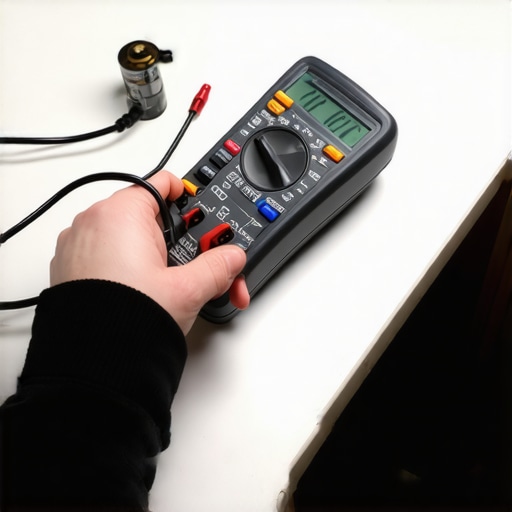 If you’ve cleared the debris and it still won’t budge, it’s time to look at the ‘kill switch.’
Don’t Overlook the Thermal Fuse
The thermal fuse is a safety device designed to blow if the machine gets too hot, effectively cutting power to the motor. If your machine is older, this fuse can become brittle and snap even without a major heat event. You can verify this by testing your thermal fuse for continuity without a pro. If there’s no continuity, the brain can’t send a signal to the brawn. For more advanced scenarios, always refer to troubleshooting dishwasher problems expert diagnostics repair tips to ensure you aren’t missing a secondary sensor.But even with expert tips in hand, there is a nuance to diagnostics that most people miss because they focus too much on what the machine is ‘telling’ them through the screen. Most DIYers think the ‘E-code’ on the display is the holy grail of repair. But here is the truth: those codes are often just a symptom, not the disease. For instance, why your dishwasher screen shows a numeric error code often points to a sensor failure when the real issue is actually a momentary voltage spike or a minor drainage delay. If you blindly replace the sensor, you are treating the sneeze instead of the cold. In my experience, relying solely on the machine’s self-diagnosis is the fastest way to waste money on parts you do not need.
Error Codes Are Often Just Red Herrings
I have lost count of how many times a ‘Drain Error’ was actually caused by a foam-over from too much detergent rather than a failing pump. Everyone says to trust the digital readout, but I prefer to trust my ears and my eyes. If the machine fills and then goes silent, do not just Google the code; look at the water level inside the tub. If it is too low, the pressure switch will not click, and the motor will not fire. It is a chain reaction, and the error code is just the last link.
The Hidden Trap in Your Garbage Disposal Connection
Here is the ‘oops’ factor that catches even the handiest homeowners. One of the biggest reasons a dishwasher fills and then stalls is a backup in the drainage system that the sensors cannot quite identify correctly. Believe it or not, why your warranty claim got denied because of your garbage disposal is a very real conversation I have had with frustrated clients. Manufacturers look for any excuse to label a component failure as ‘user-induced.’ 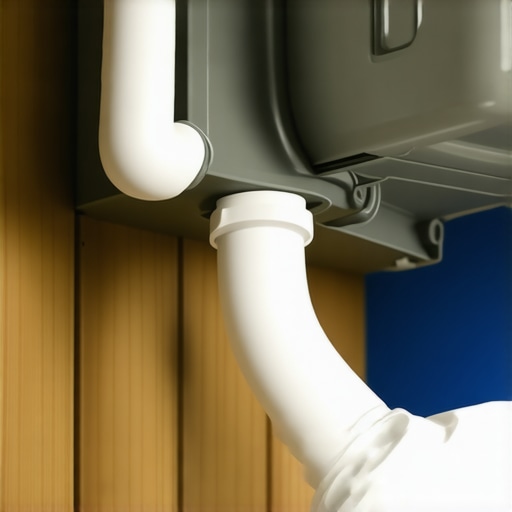 According to a report by J.D. Power on appliance satisfaction and repair trends, a significant percentage of service calls are categorized as ‘no fault found,’ meaning the issue was external to the machine itself. If your disposal is clogged or the knock-out plug was never removed during a DIY kitchen remodel, your dishwasher’s circulation pump might sense the back-pressure and shut down to protect itself.
Can a Simple Software Glitch Mimic a Blown Motor?
In the age of ‘smart’ appliances, we often forget these machines have brains that can freeze just like a smartphone. I have seen cases where a minor power fluctuation confused the control board’s logic, leading it to ‘think’ the motor was jammed when it was perfectly fine. Before you pull the trigger on a three-hundred-dollar motor replacement, try a ‘hard reset’ by flipping the kitchen breaker for ten full minutes. This forces the capacitors to discharge and clears the volatile memory. If the machine starts working again, it was not a hardware failure; it was a logic hang-up. To be safe, you should learn how to document intermittent noises for a repair claim just in case the glitch returns. This documentation is your best defense when navigating the real difference between service plans and manufacturer warranties. People underestimate the power of ‘soft’ failures where a motor might spin but lack the torque to push water through the spray arms. If you notice top signs your dishwasher needs professional diagnostics, it might be time to admit that a basic multimeter cannot always detect a worn-down internal seal causing a pressure drop. Have you ever fallen into the trap of replacing a part only to find the problem was something much simpler? Let me know in the comments.
I don’t go into any repair without what I call my “big three”: a quality digital multimeter, a set of Torx drivers, and a flexible inspection camera. People often laugh at the camera until they are trying to find a tiny pinhole leak behind the tub without pulling the whole sixty-pound unit out of the cabinetry. When I am checking for power issues, I always rely on the only multimeter settings you need for appliance repair to ensure I am not misreading a phantom voltage. It is truly the difference between guessing and knowing exactly which component has failed.
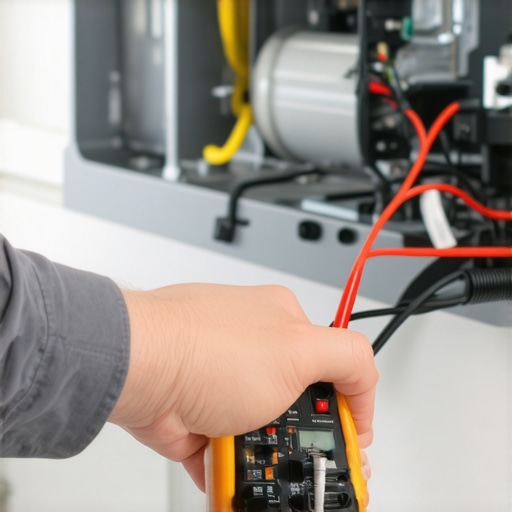
According to technical service bulletins provided by master technicians at the United Appliance Servicers Association, the number one cause of premature motor failure is not actually electrical—it is mechanical seized bearings caused by neglected hard water buildup. This is why I am so obsessive about maintenance. If you skip the small stuff, you are essentially inviting a major blowout. Before you assume the worst, check troubleshooting dishwasher problems expert diagnostics repair tips to see if you are facing a simple blockage rather than a hardware death. Most of the time, a thorough cleaning of the internal components can revive a machine that sounds like it is on its last legs.
How can I keep my dishwasher running for a decade or more?
The secret is managing your water quality and detergent usage. If you live in an area with heavy minerals, you are essentially running liquid sandpaper through your pump’s rubber seals every single night. I have personally seen machines last twice as long once owners learn how to calibrate your dishwasher for soft water settings. Furthermore, stop over-sudsing your loads. The impact of detergent overdose on energy efficiency is real, but the physical damage it does to the pressure sensors is even worse. Too many bubbles can cause the pump to cavitate, which leads to that dreaded screeching sound. If you hear it, try how to quiet a screeching circulation pump with food-grade grease before you buy a replacement.
Looking toward the future, I expect the ‘Right to Repair’ movement to significantly change how we interact with our kitchens. We are already seeing manufacturers make the secret diagnostic mode hidden on your touch control panel slightly more accessible to the average DIYer. Within the next five years, AI-driven sensors will likely ping your phone with the exact part number needed before the machine even stops spinning. Until then, you need to be your own advocate. If you are dealing with a newer unit, understanding appliance diagnostics improving your warranty claims is the only way to ensure the manufacturer picks up the tab for expensive parts. Don’t let them tell you a failure is user-error when you have the data to prove otherwise. If your machine is acting up right now, my challenge to you is to try the ten-minute breaker reset before you unscrew a single panel; it’s the easiest fix in the book.
Mistakes That Taught Me More Than the Repair Manual Ever Could
After years of wrestling with stubborn appliances, I have realized that the biggest barrier to a fix isn’t usually a lack of parts, but a lack of patience. My most expensive ‘learning moments’ happened because I ignored the basics. I once replaced an entire circulation pump because I was convinced the motor had seized, only to discover later that the pressure switch was simply clogged with a piece of eggshell. It taught me that diagnostics is a process of elimination, not a guessing game. Before you pull the trigger on a purchase, always verify that you are understanding appliance diagnostics improving your warranty claims so you don’t void any existing coverage by mistake.
Another hard truth? Modern machines are sensitive to power spikes in ways old mechanical units weren’t. I have seen perfectly ‘dead’ dishwashers roar back to life after a simple hard reset. If you haven’t tried the ten-minute breaker trick yet, you are skipping the easiest win in DIY. Lastly, never underestimate the power of documentation. Learning how appliance diagnostics can save your warranty benefits is vital; if you can prove you followed standard troubleshooting, manufacturers are much less likely to push back on a claim.
Tools That Stop the Professional Price Gouging
You do not need a van full of specialized equipment to fix 90% of dishwasher issues. My personal toolkit for these situations is lean and effective. First is a reliable digital multimeter. If you are nervous about using one, just stick to the only multimeter settings you need for appliance repair to avoid confusion. Second, get a set of Torx-head drivers (specifically T15 and T20), as almost every major brand like Bosch and KitchenAid uses them for their internal panels. Finally, a flexible inspection camera or even just a high-lumen flashlight is essential for spotting those tiny pinhole leaks or debris stuck deep in the sump.
Step Into Your Kitchen with New Confidence
Repairing your own dishwasher is about more than just saving a few hundred dollars on a service call; it is about taking control of your home. When you finally hear that motor kick in and the water starts hitting the dishes after a successful repair, the sense of accomplishment is incredible. If you have followed the steps and still find yourself stuck, keep an eye out for the top signs your dishwasher needs professional diagnostics. There is no shame in calling in a pro once you have ruled out the easy fixes. You have the knowledge, the tools, and the plan—now it is time to get that machine back in the game. Have you ever found a truly bizarre object stuck in your dishwasher’s impeller? Let me know in the comments below!