

I stood in my kitchen at 11:00 PM, staring at a bowl filled with a lukewarm puddle of water that should have been bone-dry. My dishwasher had just finished a three-hour marathon, the ‘Heat Dry’ light was glowing like a trophy, yet every single plate looked like it had just been pulled from a lake. For months, I had been ignoring that persistent, nagging ‘Low Rinse Aid’ light. I figured it was just another corporate ‘up-sell’—the appliance equivalent of a printer demanding more expensive cyan ink when I only wanted to print in black. I was dead wrong. Not only was I wasting time hand-drying everything, but I was also unknowingly jacking up my utility bill by forcing my machine to compensate for a missing link in its drying physics. Today, I am going to show you why keeping that reservoir empty is a direct drain on your wallet and how a simple liquid can actually save your heating element from an early grave.
Your Dishwasher is Fighting a Losing Battle Against Surface Tension
When I first started DIYing my home maintenance, I made the classic rookie mistake of thinking the heater did 100% of the heavy lifting. I even went as far as testing the continuity of my heating element because I was so sure the hardware was failing. In reality, modern dishwashers rely on the ‘evaporative’ method. Rinse aid contains surfactants that lower the surface tension of water, making it ‘sheet’ off the dishes rather than forming stubborn droplets. Without it, those droplets sit there, and your machine tries to blast them away with sheer heat. This is exactly why your dishes stay wet even with a dry cycle engaged. You are essentially asking your dishwasher to boil off standing water, which is an incredibly energy-intensive process compared to letting it simply slide off. If you have noticed that modern dishwashers take three hours to run, imagine how much extra energy is wasted when the internal sensor detects moisture and keeps the heat cranked up for the duration. Have you ever caught yourself running the ‘Extra Dry’ or ‘High Temp’ settings just to avoid using rinse aid?
Is Rinse Aid Just a Clever Marketing Gimmick?
It is easy to be skeptical, especially when every detergent box claims to have ‘built-in’ rinse power. However, the chemistry of a dishwasher cycle is specific; the detergent is washed away before the final rinse begins. An authoritative study by Consumer Reports confirms that rinse aid is virtually essential for the drying performance of modern units, as most manufacturers have moved away from high-heat drying to meet energy standards. By skipping the liquid, you are actually increasing the real cost of running your dishwasher because the machine works harder to achieve mediocre results. I once thought I was being frugal, but I was actually shortening the lifespan of my appliance by overworking the thermal components. You might even find that a bent heating element or a burnt-out sensor is in your future if you keep forcing the machine to fight physics every night. Filling that little blue cap isn’t just about sparkle; it is about efficiency.
Run Your Own Diagnostic Test
Before you start tearing panels off, you need to listen to what your machine is trying to tell you. Most modern units have a secret handshake—a series of button presses—that unlocks a service mode. I found this out the hard way after spending a Saturday morning scrubbing the floor, only to realize my machine had a built-in sensor that could have told me exactly what was wrong. By learning how to understand appliance diagnostics, you can often identify a failing thermistor or a communication error before you ever pick up a screwdriver. If you see a flashing ‘Clean’ light or a specific error code, don’t ignore it. These are the top signs your dishwasher needs professional diagnostics, but many codes can be cleared with a simple reset. I once had a ‘U’ code that looked like a major failure, but it was just a reminder that the water supply was slightly restricted. Learning how appliance diagnostics can save your warranty benefits is vital because it provides the documented proof you need if you eventually have to call a manufacturer for a repair.
Clear the Clogs in Your Spray Arms
If your dishes are coming out wet, it might not be the heater at all; it might be that the water isn’t hitting them with enough force to begin with. Food debris, especially those tiny seeds and hard water minerals, love to hide in the nozzles. I take my spray arms out once a month and give them a shake. You would be shocked at what falls out. You should prioritize learning how to clean the tiny holes in your spray arms using a soft brush or even how a toothpick can save your spray arm from clogs. If the water cannot spray effectively, the rinse aid won’t be distributed evenly, and you’ll end up with those dreaded puddles on your mugs.
Test the Heater with a Multimeter
If the spray arms are clear and the rinse aid is full, but the air inside is still cold at the end of the cycle, it is time to look at the hardware. This sounds intimidating, but it is basically like checking if a lightbulb is burnt out. You can learn how to test the continuity of a heating element using a basic multimeter set to ohms. You are looking for a specific range of resistance. For most machines, you want to see the exact multimeter reading for a healthy thermal fuse and heating element to ensure the circuit is complete. I remember my first time doing this; I was terrified I’d break something, but once I saw that ‘infinity’ reading on the screen, I knew I’d found the culprit. Replacing a $30 element myself saved me a $200 service call and instantly fixed the drying issue.
Verify Your Drainage Path
Lastly, water cannot evaporate if there is a lake sitting at the bottom of the tub. If your machine isn’t draining fully, that standing water creates a humid jungle inside the cabinet that no amount of heat can overcome. You need to know how to fix a dishwasher that won’t drain in five minutes by checking the piston and nut assembly or the drain hose loop. If the water stays, the dishes stay wet. Simple as that.Most DIYers assume that if the screen displays a specific code, the part mentioned is the one that is broken. However, a common mistake is treating these codes as a final verdict rather than a starting point for investigation. In my years of tinkering, I have found that a ‘drain error’ is more often a result of external plumbing issues than a mechanical pump failure. This is why understanding appliance diagnostics is a double-edged sword; you must look past the symptom to find the source. For example, the common plumbing errors that cause dishwasher floods often trigger internal sensors that look like electronic failures, leading homeowners to waste money on control boards when a simple drain hose adjustment was all that was needed.
Why do service technicians care so much about your detergent choice?
It sounds like a corporate script, but why your service technician wants to see your detergent box is actually rooted in fluid dynamics. High-efficiency (HE) machines use very little water, and the wrong detergent can cause ‘suds lock,’ which mimics a pump failure. A study by the Association of Home Appliance Manufacturers (AHAM) indicates that over-sudsing remains a top cause for service calls where no actual mechanical defect is found. This is also why service techs deny warranty claims for soap choice; if they find chemical residue buildup that violates the manufacturer’s guidelines, they will label it as maintenance neglect rather than a factory defect.  One of the most dangerous traps for the modern homeowner is the ‘reset-and-forget’ cycle. While the one-minute move to reset your control board can clear a temporary glitch, using it to bypass persistent warnings can be catastrophic. I have seen instances where an appliance firmware update just bricked the control board because a user attempted a hard reset during a background diagnostic check. If your machine is signaling a fault, you need to identify the hidden reason your dishwasher is beeping constantly before you cut the power. Ignoring the nuance of these signals can lead to top signs your dishwasher needs professional diagnostics that you can no longer handle yourself. To protect your investment, you must keep these three receipts to ensure a smooth repair claim, as manufacturers often demand proof of professional installation or maintenance before honoring a part replacement. Knowing when to trust a warranty for dishwasher repairs versus when to grab your own multimeter is the hallmark of a savvy homeowner. Have you ever fallen into the trap of replacing a part only to find out it was a simple plumbing clog? Let me know in the comments below.I am not suggesting you turn your garage into a full-scale repair shop, but there is one tool that changed my life: the digital multimeter. If you are serious about moving beyond basic fixes, you need to learn how to use a multimeter to find a shorted wire. Most people see a nest of wires and panic, but with a simple continuity test, you can pinpoint exactly where the electricity stops flowing. I personally use a Fluke 115 because of its reliability, but even a basic model from the hardware store can help you follow the troubleshooting dishwasher problems expert diagnostics repair tips that professional techs use every day. According to the RepairClinic Technical Manual, over 40% of electrical failures in appliances are actually caused by loose or oxidized wiring harnesses rather than the components themselves. This is why testing the circuit is more important than just blindly swapping parts.
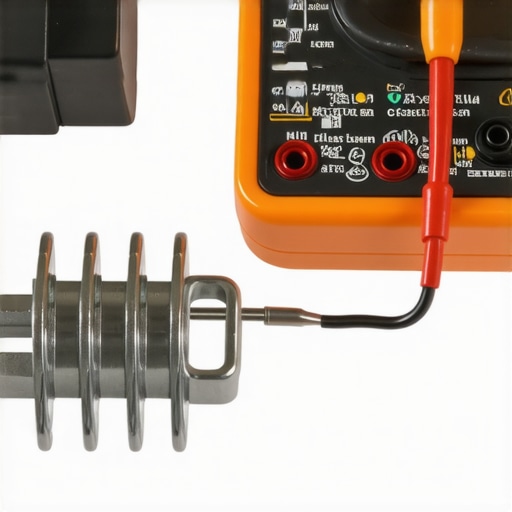
Stop Guessing and Buy a Digital Multimeter
Using a multimeter allows you to see the invisible. For instance, when your machine stops heating, you can check the element, the thermostat, and the control board in under ten minutes. You can also learn how to get professional-grade diagnostic codes from your interface to supplement your physical testing. By combining the internal computer’s data with your own manual readings, you remove the guesswork that leads to expensive, unnecessary repairs.
How do I maintain my dishwasher’s performance over several years?
Consistency beats intensity every time. You do not need a deep clean every week, but you do need to catch the debris trap most owners miss during monthly cleaning. That little mesh screen at the bottom is the gatekeeper of your pump’s health. If you let it clog, your pump works twice as hard, eventually leading to the specific noise that means your circulation pump is dying. I also recommend a monthly ‘heavy cycle’ run. Even if you usually prefer the eco-mode, why the heavy cycle is actually better for your machine’s health comes down to heat; the higher temperatures help dissolve the fatty grease and lime scale that lower temperatures leave behind.
The Future of Kitchen Appliances is Already Here
Looking ahead, I see the ‘Right to Repair’ movement forcing manufacturers to make their diagnostic software even more accessible to the average Joe. We are already seeing a shift where you can learn how to use smart features to lower your electric bill while also receiving real-time health reports on your phone. In the next five years, your dishwasher won’t just tell you it’s broken; it will likely send an alert to your device telling you exactly which solenoid is sticking before a single drop of water hits your floor. To get ahead of the curve, try this tonight: instead of just hitting the normal cycle, enter the service mode of your machine to see if any latent errors are stored. It is the fastest way to catch a small glitch before it becomes a flooded kitchen.
The Hard-Earned Lesson of Ignoring That Constant Beeping
My biggest mistake wasn’t failing to fix the machine; it was waiting too long to listen to it. I have learned that the hidden reason your dishwasher is beeping constantly is usually a cry for help that, if addressed early, costs five dollars instead of five hundred. For years, I assumed these machines were smart enough to protect themselves, but I have seen firsthand why your appliance overheated without tripping a fuse simply because a sensor was coated in hard water scale. The reality is that modern efficiency comes with a price: sensitivity. If you notice the specific noise that means your circulation pump is dying, do not wait for the puddle to appear on your hardwood. Trust the data, not your hope that it will just go away.
My Personal Toolkit for Conquering Kitchen Gremlins
You do not need a truck full of parts to be successful, but you do need a few high-quality resources. First, I always keep a digital multimeter handy; it is the only way to know for sure if you are dealing with a dead part or just a loose wire. Second, I highly recommend bookmarking a guide on troubleshooting dishwasher problems expert diagnostics repair tips to use as a roadmap. I also suggest learning how to get professional-grade diagnostic codes from your interface before you ever call a technician. These codes are the secret language of your appliance, and having them ready can be the difference between a quick fix and a wasted service fee.
The Future of Your Kitchen is in Your Hands
Realizing that you are capable of maintaining these complex machines is a powerful feeling. It is about more than just dry plates; it is about the confidence of knowing how your home actually functions. By mastering dishwasher diagnostics, you are saving money, reducing waste, and extending the life of your expensive appliances. Do not let a Low Rinse Aid light or a damp dinner plate intimidate you. Whether you are checking if your water softener is actually working or clearing a simple clog, every small step makes you a more self-reliant homeowner. If you ever feel stuck, feel free to reach out and contact us for more specialized advice. Have you ever spent money on a replacement part only to realize a simple cleaning was the real solution? Let me know your story in the comments below!