

I stood there, knee-deep in a soggy rug, wondering why my brand-new dishwasher smelled like a swamp. I had done everything by the book—or so I thought. I’d connected the power, tightened the water line, and even leveled the feet until they were perfect. But every single morning, I’d open that door only to find an inch of murky, gray water sitting in the bottom of the tub. It was infuriating. I was convinced I had a lemon. I was two minutes away from a frustrated call to the manufacturer to demand a replacement when my neighbor, an old-school appliance tech, walked in. He didn’t even look at the buttons. He just opened the cabinet under the sink, groaned, and pointed at the drain hose laying flat on the floor. “There’s your problem,” he muttered. That was the day I learned about the high loop, and more importantly, why ignoring it is the fastest way to ruin a perfectly good machine.
Gravity is Your Best Friend and Worst Enemy Under the Sink
Today, I’m going to show you exactly why that simple curve in your drain hose is the secret to a clean kitchen and a valid warranty. We aren’t just talking about a minor plumbing tweak; we are talking about the difference between a machine that lasts ten years and one that dies in two. When I first started messing with my own appliances, I made the classic rookie mistake of thinking that as long as the water went out, it didn’t matter how it got there. I was wrong. I ended up clearing the air gap to stop sink water from backing up more times than I care to admit before I realized that gravity was pulling my sink’s dirty dishwater right back into my clean dishwasher. This isn’t just a suggestion; it is a fundamental part of troubleshooting dishwasher problems that every homeowner should know.
Is a high loop actually worth the hassle?
You might be skeptical. After all, if the pump is strong enough to push water out, why does it need a fancy loop? Well, it’s not about the pump’s strength; it’s about preventing cross-contamination. According to the International Association of Plumbing and Mechanical Officials (IAPMO), proper backflow prevention is a non-negotiable health standard because it prevents bacteria-laden sink water from siphoning back into your washing environment. If your hose is flat, your dishwasher is basically sharing a straw with your garbage disposal. That’s the red flag your service tech looks for in your drain line the second they walk into your kitchen. If they see a sagging hose, they already know why your motor is struggling. I once spent three hours on a Saturday trying to figure out a drainage issue, only to find out a fifty-cent plastic clip would have fixed everything. It’s a humbling realization, but one that can save you hundreds in unnecessary service calls. Have you ever opened your dishwasher and been hit with a smell that definitely didn’t come from your dinner? Let me know, because you might be one simple adjustment away from a fix. Before we get into the technical bits, you need to understand that this isn’t just about smell—it’s about protecting your investment and understanding appliance diagnostics so you don’t get your next claim denied.
Get the Hose High Enough to Defy Gravity
Think of your dishwasher drain hose like a roller coaster. If the track stays flat on the ground, the cars aren’t going anywhere interesting—and in this case, the ‘cars’ are filthy, grease-laden water from your sink. To fix this, you need to create a peak that is higher than the entry point to your garbage disposal or sink drain. Implementing the quick drain pipe fix that stops your dishwasher from backing up is simpler than you think. You want to pull that flexible hose up toward the very top of your cabinet, as close to the underside of the countertop as possible. I usually use a heavy-duty zip tie or a specific plastic pipe strap. If you just let it dangle, gravity pulls the dirty water back down the ‘track’ and right into your clean tub. This simple mechanical hill acts as a one-way valve that doesn’t require electricity or moving parts. This is a foundational step in troubleshooting dishwasher problems because it rules out external plumbing issues before you start blaming the internal hardware. 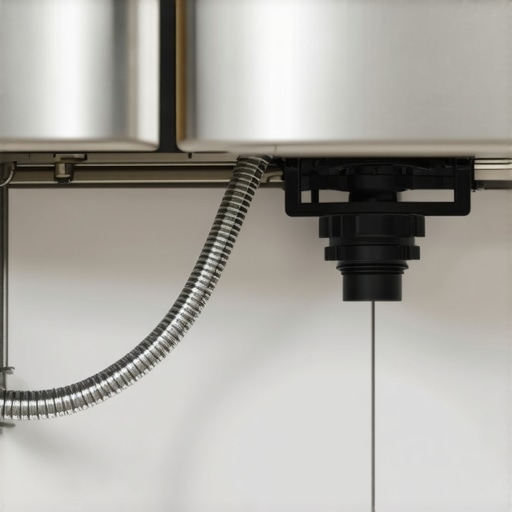
Spotting the Siphon Before it Smells
If you aren’t sure if you have a drainage problem or a mechanical failure, listen to the machine. You should hear a clear, rhythmic ‘whoosh’ as the pump works. If you hear a gurgle or a persistent rattling, you might need to learn the trick to identifying a failing drain pump by sound before you go buying parts. A common sign of a missing high loop is finding ‘clean’ water in the bottom of the tub after you’ve run the kitchen sink faucet for a while. That is the sink water siphoning back. It’s a subtle disaster that can ruin your dishes and eventually burn out the pump motor because it’s constantly fighting against the weight of the water. Professional techs see this and immediately check your records; failing to maintain this setup is a major reason why your warranty claim was denied due to lack of maintenance. You have to prove you did your part.
One Small Zip Tie Saved My Saturday
I remember a frantic call from my brother-in-law who was convinced his three-month-old dishwasher had a ‘dead heart.’ He was hearing a weird clicking and the tub was always wet. He was ready to fight the manufacturer for a replacement. When I got there, I didn’t even touch a screwdriver. I crawled under his sink and found the drain hose coiled like a sleeping snake on the cabinet floor. I grabbed a single zip tie, pulled the hose up to the mounting bracket near the sink rim, and tightened it. We ran a drain cycle, and the ‘clicking’ stopped—it was just the pump struggling against a vacuum lock created by the flat hose. It’s amazing how understanding appliance diagnostics can save you from an afternoon of frustration and a potentially expensive service call fee. Knowing the difference between a clogged hose and a dead drain pump is the first step toward becoming the master of your own kitchen maintenance.Most homeowners think that being ‘extra clean’ is the ultimate key to a long-lasting dishwasher. They pre-rinse every plate until it shines and run vinegar through every cycle like it’s holy water. But here’s the contrarian truth: you might be cleaning your machine to death. Modern dishwashers are smarter than we give them credit for, and treating them like 1990s relics is a recipe for a frustrating service call. This is where understanding appliance diagnostics becomes your best defense against premature hardware failure.
Your Pre-Rinsing Habit is Training Your Machine to Fail
When you scrub every bit of food debris off a plate before loading it, you are actually confusing the turbidity sensor. This ‘optical eye’ measures how murky the water is to determine cycle length and temperature. If the water stays clear because you’ve already done the work, the machine assumes the load is light and short-changes the wash. This is exactly why pre-rinsing dishes actually makes your machine less efficient and, ironically, often leaves a gritty film on your glasses because the detergent enzymes have no food particles to latch onto. According to the Association of Home Appliance Manufacturers (AHAM), modern detergents are designed to react with food soil; without it, the chemicals can actually begin to etch your glassware or cause excessive foaming.
Why Does the Smart Sensor Get Confused by Clean Plates?
It comes down to how the machine ‘learns’ the load. If you are constantly calibrating your dishwasher turbidity sensor with plain water by pre-washing, the machine never hits the thermal targets required to melt away hidden fats in the sump. This is a common trap: you think you are helping, but you are actually inviting a clogged hose or a grease-choked impeller. Professional technicians often see units that look pristine inside but are mechanically failing because the internal plumbing hasn’t seen hot enough water to stay clear. 
Don’t Let a Vinegar Soak Eat Your Seals
Another massive myth is the ‘vinegar cure-all.’ While it’s excellent for removing hard water spots on a single occasion, using distilled vinegar every week may damage your seals. Vinegar is an acetic acid, and constant exposure can degrade the specialized rubber gaskets and the tub seal. This leads to those tiny, microscopic leaks that won’t trigger a flood sensor but will eventually warp your cabinetry. This is a classic example of ‘improper maintenance’—a specific reason why your warranty claim was denied when the tech finds corroded rubber components. Instead of pantry staples, you should focus on the real cost of skipping your monthly descaling cycle with citric-acid based cleaners that are formulated for appliance safety. Have you ever fallen into this trap of over-cleaning your dishes or using the wrong ‘natural’ hacks? Let me know in the comments—I’d love to hear if your ‘clean’ habits ever backfired on your wallet.
Why a ten-dollar multimeter is your most powerful repair tool
I used to be terrified of the electrical components inside my kitchen appliances. I thought you needed a degree in engineering to touch anything behind the kickplate. But once I realized that most failures are just simple breaks in continuity, my entire perspective changed. If you want to stop paying for service calls, you need to own a basic digital multimeter. I use mine specifically for testing your heating element for ground faults with a meter because that is usually why your dishes aren’t drying. Being able to see a numerical value instead of guessing based on a ‘hunch’ is what separates a DIYer from a victim of high repair bills. Even according to the Bosch Service Manual for SHX series units, checking the NTC (Negative Temperature Coefficient) sensor resistance is the only definitive way to know if your heater is actually getting the signal to fire. If you don’t have this tool, you’re just throwing parts at a problem and hoping for the best.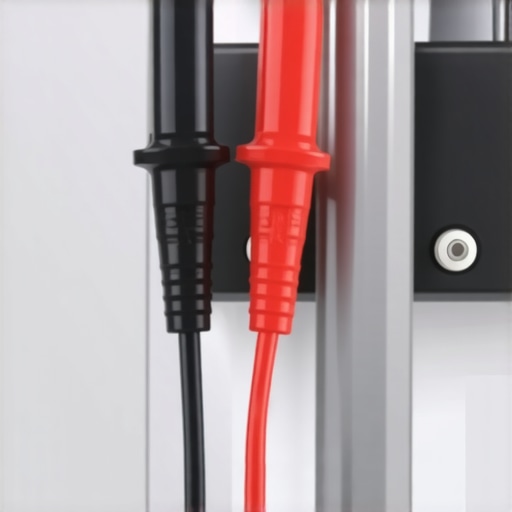
How do I keep my dishwasher running like new for a decade?
The secret to longevity isn’t a magical cleaning product; it’s consistency and technical awareness. I’ve seen machines that should have lasted fifteen years die in four because the owners ignored the real cost of skipping your monthly descaling cycle. Scale builds up in the hidden chambers of the circulation pump, forcing the motor to work twice as hard. Beyond physical cleaning, we are entering an era where software maintenance is just as critical as plumbing. You might find that firmware updates are essential for new smart dishwashers to prevent sensor drift or logic errors. I personally make it a habit to check for updates in my manufacturer’s app every six months. It sounds tedious, but it’s often the difference between a machine that runs smoothly and one that catches a software bug that prevents the door latch from engaging. If you start seeing weird glitches, regular software cache clears might be the obscure fix you never knew you needed.
The future of appliance repair is in the cloud
We are quickly moving toward a world where your dishwasher will tell you it’s failing before you even see a leak. Predictive diagnostics are becoming standard, and understanding appliance diagnostics is the only way to stay ahead of the curve. Soon, your machine will likely send a message to your phone saying the pump is drawing 10% more current than normal, signaling a partial clog before the motor burns out. While this tech is great, it also means you have to be more diligent about your connectivity; many owners find that smart dishwashers won’t sync with mesh wi-fi, which can actually prevent you from receiving these vital early-warning signs. My advice? Don’t wait for a breakdown. Try the paper plate test for spray arm coverage tonight to ensure your internal mechanics are still moving at 100% capacity. It’s a five-minute check that gives you a window into the health of your pump without ever pulling the machine out of the cabinet.
What My Most Expensive Mistakes Taught Me About DIY Repair
Looking back at that soggy rug and the ‘lemon’ I thought I owned, I realize my biggest hurdle wasn’t the plumbing; it was my own assumptions. First, I learned that more cleaning doesn’t equal more performance. If you aren’t careful, you can actually scrub away the efficiency of your unit. I also found out the hard way that knowing top signs your dishwasher needs professional diagnostics is just as important as knowing how to use a screwdriver. Sometimes, the fix is internal and requires accessing the secret tech menu that calibrates your water sensors rather than just tightening a hose. Finally, I realized that the best tool in my belt wasn’t a wrench, but the machine’s own manual. These lightbulb moments transformed me from a frustrated homeowner into someone who actually understands the ‘why’ behind the ‘how.’
The Three Tools I Never Start a Repair Without
If you want to move beyond basic maintenance, you need a specialized kit. I always keep a digital multimeter handy for checking continuity, specifically when testing your heating element for ground faults with a meter. It removes the guesswork that leads to wasted money on parts. Secondly, I swear by citric acid or even the lemon peel trick for clearing hard water scale to keep the internal sprayers moving freely. Lastly, always keep a copy of your service agreement nearby so you know when to trust a warranty for dishwasher repairs versus when to grab the pliers yourself. These resources have saved me thousands of dollars over the last decade.
You Are More Capable Than You Think
Don’t let the blinking lights and complex sensors intimidate you. Most dishwasher issues are the result of simple physics—gravity, scale, and software—all of which you can manage with a bit of patience. By mastering understanding appliance diagnostics, you aren’t just fixing a machine; you’re taking control of your home’s efficiency and protecting your hard-earned money. Your dishwasher is a tool designed to serve you, and with the right approach, you can keep it running perfectly for years to come. Have you ever felt intimidated by the electronics inside your machine or struggled with a high loop installation? Let me know in the comments below!