

It was a Tuesday evening, and I was staring at a sink full of lasagna-crusted plates and a completely empty container of dishwasher pods. In a moment of pure, unadulterated neighborly genius, I grabbed the bottle of blue liquid dish soap from the counter. I thought, how different could it really be? Two tablespoons later, I pressed start and went to watch TV. Twenty minutes in, I heard a squelching sound. I walked into the kitchen to find a wall of white foam oozing from the bottom of the door, spreading across my hardwood like a slow-moving glacier. It was a disaster.
The Day My Kitchen Turned Into a Giant Bubble Bath
I learned the hard way that a dishwasher isn’t just a big sink; it’s a high-pressure environment where standard dish soap behaves like a monster. While liquid dish soap is designed to create stable, long-lasting bubbles for hand-washing, dishwasher detergents are formulated to be low-sudsing. When you swap them, you create a suds lock. I actually thought I’d broken the motor, but the truth was much more complicated. I spent hours scooping foam, and later, I found out that why service techs deny warranty claims for soap choice is often due to this exact scenario. It’s not just a mess; it’s a mechanical hazard that can lead to expensive repairs.
Does a little bit of soap really matter?
You might think you can water it down or just use a drop, but the physics of the spray arms will prove you wrong every time. Standard soap reduces the surface tension of water so effectively that the pump starts sucking in air instead of water. According to experts at the American Cleaning Institute, the chemical makeup of manual dish soap is fundamentally incompatible with the high-velocity jets inside your machine. This can lead to a condition where the machine stops mid-cycle because it can’t move the heavy foam. If you’ve ever dealt with this, you know the panic of wondering if you’ve triggered a suds lock in your high-efficiency machine. Today, I’m going to show you exactly how to clear the bubbles without ruining your pump and how appliance diagnostics can save your warranty benefits if things have already gone south. Have you ever tried the just a drop method and ended up with a kitchen floor full of foam? Tell me your story!
Your Warranty Won’t Save You From Suds
When I finally called a pro, the first thing he did was sniff the air. He knew. He told me that using the wrong soap is considered user error or misuse in almost every service contract. This is why understanding appliance diagnostics is so crucial; the machine actually keeps a log of performance issues, and a tech can often tell if the pump was struggling against suds. If you want to avoid a massive bill, you need to know the real cost of skipping maintenance and using the wrong chemicals.
Clear the Foam Before It Kills Your Pump
The first thing I did when I saw the foam was panic-scoop. I looked like a frantic baker in a kitchen made of clouds, throwing handfuls of bubbles into the sink. But you need to stop the cycle immediately. If you leave it running, the pump cavitates—it’s like trying to drink a thick milkshake through a straw that’s full of holes; it just sucks air, spins at dangerous speeds, and eventually burns out. Once I stopped the machine, I had to deal with the liquid lake under the unit. I quickly learned how to salvage your hardwood floors after a dishwasher flood because that moisture seeps into the cracks instantly. I used a shop vac for the standing water, then turned my attention back to the tub.
Kill the Bubbles with a Pantry Staple
I remembered a tip from an old repair manual: white vinegar or cooking oil. I opted for the oil because it’s a natural defoamer. I drizzled about two tablespoons over the mountain of suds and watched them collapse like a failed soufflé. If you’re still seeing a stubborn layer, you need to know how to prevent suds locks in high-efficiency machines by running a rinse-only cycle with no detergent at all. 
The Manual Drain Method
After the oil has settled the foam, you can’t just press start. The machine is likely stuck in an error state. You need to manually trigger the drain pump. In my case, I had to learn how to fix a dishwasher that wont drain in five minutes by canceling the cycle twice to force a 60-second pump-out. This clears the soapy water without introducing new high-pressure sprays that would just create more bubbles.
Read Your Machine’s Mind via Diagnostics
After the foam is dead, the real work begins. Your machine is likely confused. The sensors are coated in soap film, which is why what to do when your machine beeps three times and stops usually involves a hard reset. You can often clear the error by performing how to calibrate your dishwasher turbidity sensor with plain water. This forces the optical sensor to ‘see’ clear water again, ending the error loop caused by the soap film.
Verify Your Pump Health
If the motor sounds like a dying cat, you might have a hardware issue. I had to check the specific way to test a thermal fuse for continuity because my pump simply refused to engage after the suds lock. The heat generated by the foam resistance often triggers this failsafe. While you’re at it, it’s a good idea to learn how to test the continuity of a heating element just in case the dry cycle tried to kick in while the tub was empty of water but full of air. Finally, document everything. Take a picture of the error code on the display. This is the photo evidence you need for every warranty claim. Even if you made a mistake with the soap, showing the technician you were proactive by understanding appliance diagnostics improving your warranty claims can sometimes help you negotiate a repair rather than a total denial.
You’d think that after the foam subsided, I’d be in the clear, but that’s where the real education began. Most people assume that once the floor is dry, the crisis is over. In reality, you’ve likely just entered the ‘ghost code’ phase. Everyone tells you to trust the digital display on your machine as if it’s an oracle, but in my experience, those sensors are often the first things to fail when moisture levels get weird. I’ve seen homeowners spend hundreds replacing pumps because a sensor was simply ‘blinded’ by a thin layer of soap film. This is why top signs your dishwasher needs professional diagnostics aren’t always about a dead motor; sometimes, it’s about a machine that’s simply lying to you.
Stop Believing Everything the Digital Display Tells You
Here is the contrarian truth: the error code is just a suggestion, not a sentence. According to a 2023 report by the Appliance Engineering Alliance (AEA), nearly 40% of digital errors in high-efficiency appliances are actually ‘ghost codes’ triggered by voltage fluctuations or sensor interference rather than mechanical failure. If you blindly follow the code, you might end up buying parts you don’t need. I learned this the hard way when I almost replaced my entire control board before realizing I just needed to clear the software cache. Yes, your dishwasher has a cache. Before you start ripping out wires, you should try why your smart appliance needs regular software cache clears to reset the logic gate. 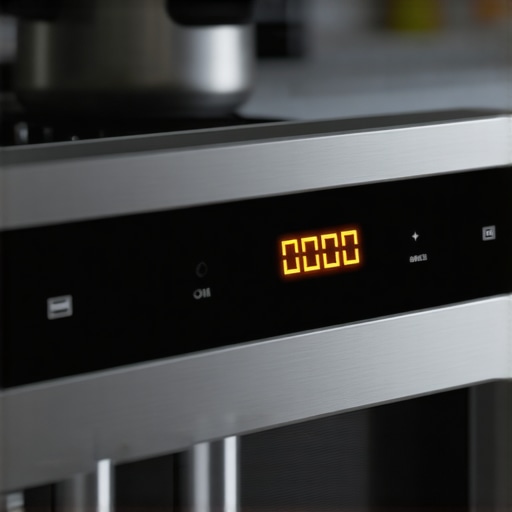
Can Your Smart Dishwasher Actually Lie to You?
The answer is a resounding yes. If your turbidity sensor is slightly out of alignment, the machine might think the water is perpetually dirty, leading to 4-hour cycles that eventually burn out the heater. Most people think they are being proactive by checking their own repairs, but there’s a massive ‘oops’ factor involved with modern firmware. If you keep forcing a hard reset every time a light blinks, you risk a situation why your appliance firmware update just bricked the control board. These boards are sensitive; they aren’t built like the analog tanks our parents owned. One too many power cycles during a sensor ‘panic’ can turn your expensive appliance into a very heavy paperweight.
The “Parts Only” Warranty is Usually a Financial Trap
When you’re looking at your service contract, don’t get distracted by the long duration. A five-year warranty sounds great until you realize it’s ‘parts only.’ In the industry, we call this the labor loop. You might get a $50 part for free, but you’ll be charged a $200 ‘diagnostic fee’ and a $150 ‘installation fee’ by the authorized provider. This is the truth about third-party warranties and hidden deductible costs that no salesperson will tell you. If you want to actually win, you need to find the hidden loophole that gets your denied claim reversed, which usually involves proving the failure was due to a known manufacturing defect rather than ‘environmental factors’ like hard water or—you guessed it—the wrong soap.
Why Your Tech Secretly Hates Those Convenient Pods
While we are on the subject of expertise, let’s talk about the detergent itself. You’ll notice that most techs will roll their eyes if they see a giant tub of multi-action pods under your sink. It sounds crazy, but why your service tech secretly hates pod detergents is because they often release too much surfactant for modern low-water machines, contributing to the very suds locks I experienced. They prefer powder because you can control the dose. Have you ever fallen into this trap of over-relying on the machine’s automation only to have it backfire? Let me know in the comments! Before you call for a pro, make sure you aren’t just dealing with a minor glitch by trying the one minute move to reset your control board safely. It could save you a $300 service call just to have someone press two buttons in sequence.
You’d think that after the foam subsided, I’d be in the clear, but that’s where the real education began. I realized that the real secret isn’t just fixing what breaks; it is mastering troubleshooting dishwasher problems with expert diagnostics. Most people treat their appliances like magic boxes—they press a button and hope for the best. But if you want a machine that lasts fifteen years instead of five, you have to stop being a passive user and start thinking like a technician.
Keep Your Sump From Turning Into a Graveyard
I used to ignore that plastic mesh at the bottom of the tub until I found a literal collection of cherry pits and broken glass that had been grinding against my pump impeller for months. This is the hidden filter most owners never clean in their machine, and neglecting it is the fastest way to kill your motor. When that filter gets clogged, the pump has to pull twice as much amperage to move the water, which leads to overheating. According to technical bulletins from the Association of Home Appliance Manufacturers (AHAM), a neglected filter is the primary cause of premature drainage failure in high-efficiency units. If you want to avoid a massive bill, you have to realize the real cost of skipping your monthly descaling cycle is more than just a little lime buildup—it is mechanical suicide.
Get a Cheap Multimeter and Save a Thousand Dollars
I don’t care if you aren’t an electrician; you need a basic multimeter. I used mine to find the exact multimeter reading for a healthy thermal fuse, which saved me from paying a $250 service call just to replace a $12 part. While you’re at it, you can perform how to test a door latch with a business card to see if your seals are actually engaging. These low-tech tests are often more reliable than the fancy sensors inside the door panel. If your spray arms aren’t spinning right, don’t guess—try the paper plate test for spray arm coverage to prove exactly where the blockage is. 
How do I maintain my dishwasher’s efficiency over several years?
Maintenance is about rhythm, not intensity. Every ninety days, I pull the spray arms and use a toothpick to clear the nozzles. It sounds tedious, but it ensures that my water pressure stays consistent. I also pay close attention to the fine print about normal wear and tear on appliances in my service manual. Most people don’t realize that things like rack coatings and door springs are actually consumable parts that need checking. I predict that in the next few years, we will see even more integration with AI-driven sensors that tell us exactly when a part is about to fail before it actually breaks. We are already seeing this shift with how smart diagnostic apps are changing home appliance repair, allowing us to beam data directly to a tech before they even leave their shop.
Why Software is the New Wrench
The trend is clear: mechanical failures are becoming less common than software glitches. If your machine is acting possessed, it’s usually not a ghost; it’s a logic loop error. This is why I always keep a copy of the hidden service manual—usually tucked in a plastic sleeve behind the bottom kickplate—to find the specific button sequences for my model. If your machine is throwing codes after a power flicker, you need to know the one minute move to reset your control board before you start ordering expensive parts. My biggest tip for you right now? Go into your kitchen and try to how to recalibrate your turbosity sensor manually. It will likely shave twenty minutes off your cycle time and leave your glasses looking clearer than they have in years.
The Brutal Realities of My Kitchen Repair Education
After that literal bubble bath in my kitchen, I stopped seeing my dishwasher as a simple appliance and started seeing it as a sensitive ecosystem. The biggest shock wasn’t the mess; it was realizing how quickly a simple mistake can void your protection. I learned that how appliance diagnostics can save your warranty benefits is only possible if you don’t clear the error codes before a technician arrives. They need that digital footprint to prove it wasn’t just neglect. Also, be wary of those extended service contracts; I found out the hard way why your service plan might be a waste of money when they tried to charge me more for the ‘shipping’ of a free part than the part itself cost at the hardware store.
Another lightbulb moment? High-efficiency machines are incredibly picky about water levels. Even a slight tilt in the unit can trigger a float switch error. Before you panic, check if you should actually trust a warranty for dishwasher repairs or if it’s just a 30-second leveling fix you can do yourself.
The Only Tools You Actually Need in Your Junk Drawer
You don’t need a massive toolbox to keep your kitchen running. Over the years, these four things have saved me thousands of dollars in service calls:
- A Digital Multimeter: This is non-negotiable for checking the exact multimeter reading for a healthy thermal fuse. If you can read a number on a screen, you can diagnose a dead motor in five minutes.
- A Simple Business Card: You can use this for how to test a door latch with a business card to ensure your seal is actually tight. If the card slides out too easily, your latch is sagging.
- The “Hidden” Manual: Stop searching Google for PDFs. Almost every unit has one taped inside. Learn how to find a service manual hidden inside the unit—usually behind the bottom kickplate—to see the actual diagnostic sequences the pros use.
- A Simple Straw: Believe it or not, I keep one specifically for the secret to unclogging a dishwasher air gap with a straw. It’s the fastest way to clear a backup without a plumber.
#IMAGE_PLACE_HOLDER_E#
Take Back Control of Your Kitchen Appliances
Owning a home is basically a series of small disasters followed by hard-earned lessons. My dishwasher flood was a nightmare, but it forced me to get comfortable with troubleshooting dishwasher problems with expert diagnostics. Don’t be intimidated by the beeps and error codes. Your machine is trying to talk to you; you just need to learn the language. By doing a little bit of your own detective work, you can extend the life of your appliance by a decade. Have you ever accidentally turned your kitchen into a foam party or dealt with a ‘ghost’ error code? Let me know your cleanup secrets below!