

I was standing in my kitchen at 11:30 PM, staring at a dishwasher that was exactly 45% full. I had two options: run the whole thing and feel like an environmental criminal, or let the lasagna crust petrify overnight. I chose to run it on a full heavy cycle. Big mistake. Back then, I didn’t trust that little ‘Half Load’ button; I thought it was just a placebo for people who like to feel in control. It wasn’t until I burned out a circulation motor prematurely—a fix that cost me nearly half the price of a new machine—that I realized I was treating my high-end appliance like a 1990s tank. Today, I am going to show you why that button is actually a mechanical lifesaver and how it keeps your kitchen running smoothly without the drama.
How Half-Loads Stop Your Pump from Working Overtime
Modern appliances are finicky, high-tech beasts. They are packed with sensors that measure water turbidity and internal temperature with more precision than my old high school lab equipment. When I first started getting serious about DIY, I ignored the manual and ended up learning about appliance diagnostics the hard way. If you aren’t using the half-load setting for smaller piles of dishes, you’re forcing the machine to run a full-pressure cycle that puts unnecessary strain on the pump and the delicate seals. According to the Natural Resources Defense Council, while modern machines are built for efficiency, running them at full tilt for a handful of cereal bowls is like redlining your engine just to drive to the end of the driveway. It wears out the moving parts long before their time.
Is this setting just a marketing gimmick?
I get it; I was a skeptic too. We’ve been conditioned to believe that ‘more’ always means ‘cleaner.’ But here is the reality: using the wrong cycle is one of the most common reasons why warranty claims get complicated. The half-load setting isn’t just a PR move; it physically redirects water flow to specific spray arms and adjusts the heating duration. If you’ve ever wondered why your energy bill spikes when using high heat modes, you will quickly see the value in a setting that scales back the power when the machine isn’t packed to the rafters. Have you ever felt that weird pang of guilt when you hit ‘Start’ on a machine that’s barely half-full, or do you just let the dishes sit and get funky until the weekend?
Load Only One Rack to Redirect the Pressure
Most people think the half-load button just cuts the time in half, but that is a mechanical myth. In reality, your machine is performing a complex internal bypass. It is like shutting off the sprinklers in the backyard so you can get double the pressure on the front lawn. When you engage this setting, the diverter valve—a small motor-driven gate—actually blocks water from reaching one of the spray arms, usually the top one. I learned this the hard way during a Tuesday night cleanup when I shoved a grease-caked roasting pan on the top rack and hit ‘Half Load.’ Forty minutes later, the pan was bone dry and still covered in beef fat. The machine had only powered the bottom arm. If you are struggling with performance here, check if your third rack sprayer isn’t getting enough water pressure before blaming the pump.
Keep Your Lower Spray Arm from Wobbling
Because the half-load setting concentrates water pressure into a single zone, any physical instability in your hardware gets magnified. Think of it like a tire that is slightly out of balance; it’s fine at thirty miles per hour, but it starts shaking the whole car at seventy. If your spray arm is even slightly loose, that concentrated blast of water will cause it to rattle against the rack. I once spent three days thinking my motor was dying because of a rhythmic thumping, only to realize I just needed to learn the correct way to tighten a loose upper spray arm mount. Taking thirty seconds to ensure the arms spin freely without vertical play can prevent the diverter valve from wearing out prematurely under the increased pressure. 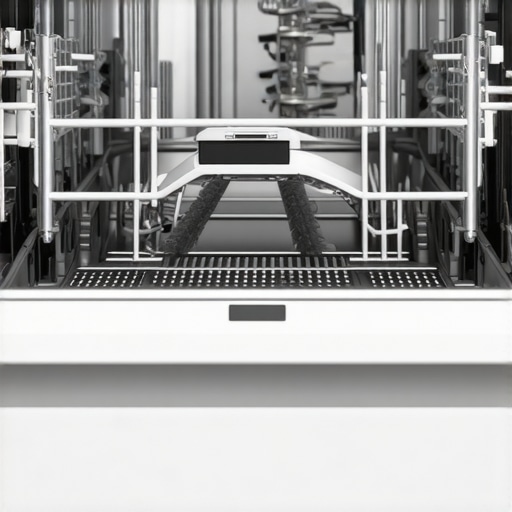
Listen to the Pitch of Your Circulation Motor
Your dishwasher speaks to you in a language of hums and clicks, and the half-load cycle changes its vocabulary. Since the pump is moving less total water but through a more restricted path, the motor often runs at a slightly higher pitch. This is perfectly normal. However, if that hum turns into a rhythmic screech or a grinding growl, you are looking at a mechanical failure, not an efficiency setting. You can actually identify a dying circulation motor by its pitch before it completely seizes up. If you ignore these sounds, you are not just skipping a dish cycle; you are risking a total appliance meltdown that your warranty might not cover if the failure was caused by debris.
Clean Your Sump Filter Before Hitting Start
Because half-load cycles use less water, the concentration of food particles in that water is much higher. It is a simple math problem: the same amount of lasagna crust in half the amount of water creates a thicker ‘sludge.’ This sludge is the natural enemy of your pump’s impeller. I make it a habit to do a quick manual check before every small load. Cleaning your sump filter with a soft brush prevents those particles from being forced into the spray arm nozzles under high pressure.
Check the Tech Menu for Sensor Accuracy
Sometimes, your machine refuses to acknowledge the half-load commands correctly because the turbidity sensors—the ‘eyes’ of the machine—are clouded with hard water scale. If your dishes are coming out dirty even on specific settings, it might be time to enter the secret tech menu that calibrates your water sensors. This isn’t just for pros; it’s a vital step in ensuring your high-efficiency machine actually knows how much water it’s dealing with. When these sensors are calibrated, the half-load setting works with surgical precision, saving you money on every single run.Let’s dig deeper into the stuff the big-box stores won’t tell you during the sales pitch. Most people believe that the cleaner the dish is when it goes into the machine, the easier the machine’s life will be. I used to be a serial ‘pre-rinser,’ scrubbing every plate until it shone before I even touched the dishwasher handle. This is actually a major mistake. Modern dishwashers use soil sensors to determine how much heat and water are needed; if your dishes are too clean, the machine concludes it’s a light load and scales back its performance. This often results in a filmy residue because the detergent has nothing to latch onto except your glassware. According to a study by Consumer Reports, pre-rinsing can waste up to 6,000 gallons of water per year and ironically leads to worse cleaning results because why pre-rinsing dishes actually makes your machine less efficient is a mechanical reality most homeowners ignore. 
Why Your Garbage Disposal is the Secret Warranty Killer
Here is an ‘oops’ factor that catches almost everyone off guard: your kitchen sink’s garbage disposal. I’ve seen dozens of people get their repair requests rejected because of a simple plumbing oversight. If you recently installed a new disposal and your dishwasher isn’t draining, you likely forgot to knock out the drain plug. This back-pressure can burn out your pump in a single week. More importantly, why your warranty claim was denied because of your garbage disposal is a common horror story in the industry. Manufacturers argue that if the external drainage environment is restricted, the internal failure is ‘environmental’ rather than a factory defect. Always run your disposal before starting a cycle to ensure a clear path for the wastewater.
Does hard water coverage actually exist in standard service plans?
This is a question I get from readers who live in areas with heavy mineral deposits. The short answer is usually ‘no.’ There is a massive distinction between the factory warranty and an extended service agreement, and the real difference between service plans and manufacturer warranties often comes down to the fine print regarding water quality. Most plans contain the clause in your service plan that voids coverage for hard water damage. If lime scale seizes your diverter valve, they’ll call it ‘lack of maintenance’ rather than a mechanical failure. If you find yourself in a dispute with a provider, knowing how to appeal a rejected extended warranty claim can save you hundreds, but it’s better to avoid the fight by using a dedicated water softener. Have you ever fallen into this trap or had a claim denied for a weird reason? Let me know in the comments.
The Three Tools I Never Start a Repair Without
I have spent too many hours on my knees on cold tile floors to ever approach a repair without a plan. If you are serious about keeping your machine out of the landfill, you need more than just a screwdriver. I personally swear by a digital multimeter with fine-point probes; it is the only way to be sure your hardware is actually getting juice. Before you start ripping out wire harnesses, using a voltmeter to check your power cord connection safely is the first step in any real diagnostic flow. My second essential is a high-lumen inspection light. You would be shocked at how many ‘unfixable’ leaks are just tiny fractures you can only see with the flashlight trick for finding micro-cracks in your spray arm. Finally, keep a basic set of Torx bits handy, as most modern manufacturers have moved away from standard Phillips heads to discourage casual tinkering. 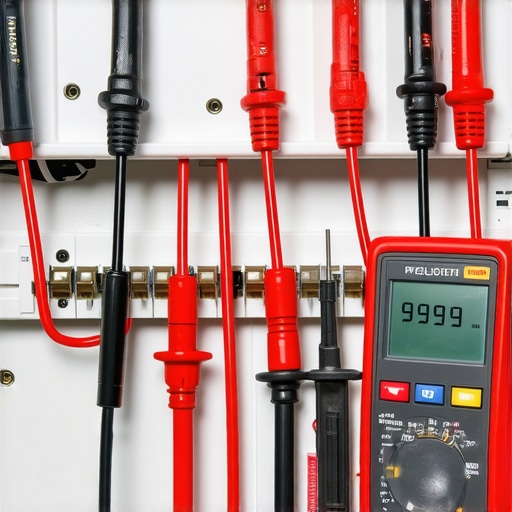
Stop Ignoring the Sump Gasket Before it Warps Your Floor
Maintenance isn’t just about cleaning the filters; it’s about watching the weak points. The sump gasket is a prime example. This rubber seal sits at the very bottom of your tub, and over five to seven years, it begins to lose its elasticity. I’ve seen homeowners ignore a tiny ‘drip’ only to end up replacing their entire subfloor. You have to get proactive about identifying a failing sump gasket before the floor warps. According to technical guides from the Professional Service Association (PSA), moisture ingress from failing seals causes nearly a third of all control board short circuits. If you notice a musty smell that doesn’t go away after a cleaning cycle, it is time for top signs your dishwasher needs professional diagnostics before an electrical fault occurs.
How do I maintain my machine’s efficiency over several years?
The secret to longevity is a mix of mechanical checks and software hygiene. Most people don’t realize their dishwasher even has software, but why firmware updates are essential for new smart dishwashers becomes clear when a manufacturer releases a patch that fixes a common pump-timing error. Mechanically, you should be testing your thermal fuse for continuity without a pro if the machine suddenly refuses to power on after a heavy steam cycle. This prevents the heating element from overheating and potentially melting your racks. I also recommend a monthly inspection of the heater itself; testing your heating element for ground faults with a meter can catch a failing part before it trips your home’s circuit breaker.
Predictive Diagnostics are Coming to Your Kitchen
The trend is moving toward ‘predictive maintenance,’ where your dishwasher will literally text you when it senses a change in pump resistance. Until that becomes standard, we have to rely on manual troubleshooting dishwasher problems expert diagnostics repair tips to bridge the gap. I predict that within five years, we won’t even need to open the machine to find a clog; ultrasonic sensors will map the blockage for us. For now, grab your flashlight and check those spray arms tonight. Use the proper way to clean spray arm nozzles using a paperclip to ensure your water pressure stays exactly where it needs to be. Don’t wait for a flood to start caring about your appliance’s health.
The Brutal Truth About Pre-Rinsing and Pump Stress
After years of tinkering with every model from budget builds to luxury imports, I realized that my obsession with ‘clean’ dishes before they hit the rack was actually my machine’s biggest enemy. Here is the insider logic most manufacturers don’t emphasize:
- Trust the sensors: Modern soil sensors need organic material to ‘see’ so they can calibrate the cycle correctly. When you over-clean, you’re actually causing the machine to under-perform, leading to detergent etching.
- The Diverter is King: That half-load button is a mechanical control switch for your diverter valve. If you don’t use it for small loads, you’re unnecessarily stressing the motor by forcing water through spray arms that don’t need the pressure.
- Noise is Data: If the pitch of your machine changes suddenly, don’t ignore it. Learning how to identify a dying circulation motor by its pitch is the difference between a fifty-dollar part and a six-hundred-dollar replacement.
Tools That Saved Me Hundreds on Service Calls
I don’t believe in buying every gadget on the shelf, but three specific things live permanently in my kitchen ’emergency’ drawer to keep things running. First is a basic digital multimeter; using a voltmeter to check your power cord connection safely is the only way to rule out electrical gremlins before you waste money blaming the control board. Second, I keep a bag of food-grade citric acid. Learning how to remove cloudiness from glasses using citric acid is a total game-changer for anyone living in hard water areas. Finally, a long-reach LED inspection light helps me spot tiny leaks in the sump gasket before they have the chance to rot the subfloor.
#IMAGE_PLACEHOLDER_E#
Your Path to a Silent and Efficient Kitchen
Owning a high-end appliance shouldn’t feel like a constant burden or a mystery. By understanding the mechanical reality of your machine—from the half-load diverter to the soil sensors—you take the power back from expensive service calls. You don’t need a degree in mechanical engineering to master troubleshooting dishwasher problems expert diagnostics repair tips. It all starts with a little curiosity and the willingness to check your filters once a month. Your dishwasher works hard to keep your home running; a little preventative maintenance ensures it stays that way for a decade or more. Have you ever found a weird object like a toothpick, a cherry pit, or even a piece of broken glass in your sump filter that stopped the whole machine? Let me know about your strangest find in the comments below!