

I remember sitting in my dark kitchen at 2:00 AM, staring at the eerie blue glow of my dishwasher’s control panel. It wasn’t running a cycle, yet it was blinking frantically like it was having a heated argument with my router. When I finally dug into my network logs the next morning, my heart sank. That ‘convenient’ smart feature was sending outbound packets to a server I didn’t recognize in a country I couldn’t pronounce. I’d spent years obsessing over my laptop’s firewall while leaving my kitchen wide open—digitally speaking. It was a visceral wake-up call. We buy these high-tech machines for the convenience, but we rarely think about the security baggage that comes with them. If you’ve ever felt like your appliances were doing more than just cleaning your plates, you aren’t alone. Today, I’m going to help you button up your local network so your appliances stay helpful rather than hazardous.
Stop Letting Your Appliances Whisper to Strangers
I made a classic rookie mistake when I first brought my smart unit home. I figured, ‘It’s just a dishwasher; what’s a hacker going to do, make it cycle twice?’ Because of that mindset, I ignored every single notification about why firmware updates are essential for new smart dishwashers. I thought they were just bugging me for no reason. In reality, those updates often patch critical vulnerabilities that prevent your home network from being recruited into a botnet. A report by the FBI’s Internet Crime Complaint Center (IC3) specifically warns that unsecured IoT devices are frequently used as entry points for more significant network compromises. It isn’t about someone ‘hijacking’ your rinse cycle; it’s about them using your appliance as a backdoor to your personal data. I’ve learned the hard way that a ‘set it and forget it’ attitude is a recipe for disaster.
Is connecting your dishwasher to Wi-Fi actually worth the risk?
It’s a fair question. I’ve seen plenty of folks get so frustrated when their smart appliance app keeps losing connection that they just give up and leave the device in a semi-connected, vulnerable state. That is the worst possible scenario. If you’re going to use the tech—especially features like why your smart dishwasher needs a firmware update to save water—you have to do it right. Otherwise, you’re just inviting a digital intruder to sit at your dinner table. I once had a situation where my smart appliance app keeps crashing during firmware updates, leaving my machine completely exposed for hours. Have you ever checked your router’s device list and found a ‘mystery guest’ that turned out to be your own fridge or washer? Tell me about that moment of realization in the comments.
Isolation is Your Best Defense
The first thing you need to do—right now—is log into your router and set up a guest network. Think of it like a VIP lounge for your smart devices where they can talk to the internet but can’t touch your main computers or sensitive files. When my dishwasher started its midnight “packet party,” it was because I had it on the same frequency as my work laptop. By isolating these IoT devices, you create a digital air gap. If your machine starts acting up or if your smart appliance app keeps losing connection, it won’t take your whole home network down with it. It’s a simple ten-minute fix that solves 90% of the security risks I mentioned earlier.
What to Do When the Update Fails
We’ve all been there: the progress bar hits 99% and then stays there until the sun comes up. I once had a situation where my smart appliance app keeps crashing during firmware updates, and I felt like throwing the whole machine out. If this happens, don’t just walk away. A half-installed update is like leaving your front door unlocked and wide open. You need to perform a hard reset—usually by flipping the breaker for 30 seconds—and then try the update again through a stable 2.4GHz connection rather than 5GHz. Most of these smart modules are notoriously picky about frequency. Ensuring these patches go through is how you maintain the integrity of your system.
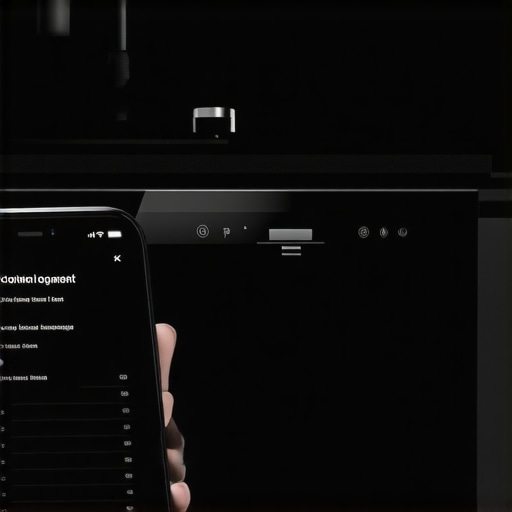
Master the Secret Diagnostic Panel
Security isn’t just about hackers; it’s about knowing exactly what’s happening under the hood. Most modern machines have a “backdoor” for technicians that you can access yourself. Learning to trigger the secret diagnostic mode hidden on your touch control panel can tell you if a sensor is failing before it leads to a catastrophic leak. I remember a few months back when my machine felt “off.” Instead of guessing, I ran the internal test and found an error code for the float switch. Being able to test your dishwashers float switch with a pencil or a simple probe saved me a $200 service call. It’s about being the boss of your own hardware.
Keep the Warranty Valid While You Tinker
I’ve seen too many people lose their coverage because they tried a “shortcut” they saw on YouTube. If you’re diving into troubleshooting dishwasher problems expert diagnostics repair tips, you must document everything. Manufacturers love to claim “user error” to avoid paying out. In fact, many people find that their warranty claim was denied due to lack of maintenance like cleaning the sump or checking hoses. To stay on their good side, always check the basics before calling for help. If you do end up needing a pro, knowing how to claim a repair refund from your appliance manufacturer can be the difference between a free fix and a massive credit card bill. Stay proactive, keep your logs clean, and don’t let a small software glitch turn into a hardware nightmare.
Your Pre-Rinse Habit is Actually Killing Your Machine
It’s a common misconception that you’re doing your dishwasher a favor by scrubbing every scrap of food off your plates before loading them. In fact, most people are shocked to learn that why pre-rinsing dishes actually makes your machine less efficient. Modern units use turbidity sensors to ‘see’ how dirty the water is. If you provide a perfectly clean load, the sensor assumes the cycle is done and shortchanges the wash time, leaving you with film and residue. According to the Association of Home Appliance Manufacturers (AHAM), modern detergents contain enzymes designed to latch onto food particles; without them, the detergent just ends up scratching your glassware or attacking your gaskets. I’ve seen enthusiasts spend thousands on high-end European models only to ruin them with ‘clean’ dishes. Let the machine do the work it was engineered for.
Why does my machine stay on the last minute for an eternity?
I get this question from my tech-savvy readers constantly. You see that ‘1 minute remaining’ on the display and ten minutes later, it’s still humming. This isn’t a glitch or a sign that your control board is dying. It’s usually the machine performing a final thermal check or trying to achieve a specific humidity level for the drying phase. Understanding why your new machine stays on one minute for ten minutes helps you realize it’s actually working overtime to save you energy. If you force the door open during this phase, you’re just sabotaging the dry cycle and potentially damaging the electronic latch mechanism over time.
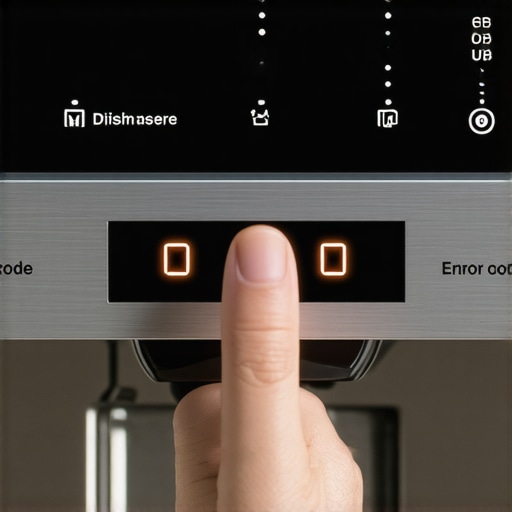
One of the biggest ‘traps’ I see DIYers fall into happens during a kitchen refresh. If you install a new unit and forget to knock out the plastic plug in your garbage disposal inlet, the machine will fail to drain on its first run. It seems like a minor oversight, but it’s the number one reason why your warranty claim got denied because of your garbage disposal. Manufacturers consider this an installation error, not a factory defect. Beyond that, many service plans have a specific ‘hard water clause’ that many people overlook. If you haven’t been maintaining your unit, the clause in your service plan that voids coverage for hard water might leave you paying the full bill for a scaled-up heating element or a seized pump.
Stop Guessing and Start Documenting
To truly protect your investment, you need to stop relying on ‘feel’ and start using data. I’ve found that understanding appliance diagnostics improving your warranty claims is the only way to win a dispute with a manufacturer. You need to show them the error logs from your secret diagnostic mode rather than just saying ‘it doesn’t work.’ This high-level approach shifts the power dynamic from the repair tech back to you. Have you ever fallen into this trap where a simple installation mistake or a lack of documentation cost you your entire warranty? Let me know in the comments.
Grab a multimeter before you call a pro
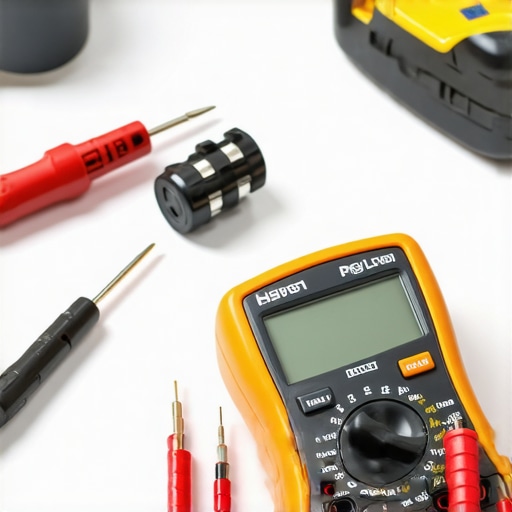
Whenever I see a neighbor hauling a three-year-old dishwasher to the curb, I want to run out and hand them my toolbox. Most of the time, the fix isn’t a hundred-dollar control board; it’s a five-dollar fuse. My go-to strategy for any power issue involves using a voltmeter to check your power cord connection safely. If you have power at the wall but nothing at the panel, you are likely looking at a blown safety component. I’ve saved myself thousands by testing your thermal fuse before buying a new control board. It takes two minutes to check for continuity, and it’s the most specific piece of data you can have when troubleshooting dishwasher problems expert diagnostics repair tips. If the fuse is dead, the machine won’t even wake up, and no amount of firmware updating will help. Another tool I swear by is a standard shop vacuum. When a piece of glass or a stray cherry pit gets stuck, you can’t always reach it with your fingers. Knowing how to clear a blocked impeller with a shop vacuum can save you from a messy floor and a dead motor.
How do I maintain my dishwasher’s efficiency over time?
The long-term health of your machine isn’t about one big annual service; it’s about the micro-habits. For example, if you live in an area with high mineral content, you are fighting a constant battle against calcium. I’ve found that the eco-friendly way to remove hard water scale from spray arms is to use citric acid or a targeted descaler every few months. This prevents the nozzles from clogging, which ensures that how appliance diagnostics can save your warranty benefits because you’re demonstrating proper care. In fact, many Bosch Service Manuals—specifically the 300 and 500 Series technical bulletins—state that mineral buildup is the leading cause of premature heater failure. If you ignore this, the heater works twice as hard to reach the set temperature, eventually burning out and leaving you with a cold wash. I also recommend checking your filters weekly. If you see grease building up, how to clean out grease build-up in a drain impeller is the most important skill you can learn to prevent that ‘damp basement’ smell from taking over your kitchen.
The future of the smart kitchen is self-healing
I predict that in the next five years, we won’t be looking for error codes on a tiny LCD screen. We are moving toward predictive AI where the machine tells you three weeks in advance that a bearing is beginning to wear out based on vibration frequencies. Until then, we have to be our own ‘AI.’ By how to document intermittent noises for a repair claim, you provide the evidence needed to force a manufacturer to honor their agreement. If you want to really level up your DIY game, I challenge you to find your machine’s tech sheet—it’s usually tucked behind the kickplate—and run the full diagnostic cycle tonight. Getting comfortable with these ‘hidden’ features is how you transition from a frustrated owner to a master of your domain. Don’t wait for a leak; find out what your machine is trying to tell you while it’s still dry.
Lessons from the Control Board Trenches
After years of tinkering with every sensor and Wi-Fi module, I’ve realized that the most common failure point isn’t the hardware itself—it’s our own hesitation to engage with it. Many homeowners avoid understanding appliance diagnostics improving your warranty claims because the tech feels intimidating. My biggest lightbulb moment came when I stopped treating my machine like a black box and started treating it like a computer with plumbing. Most issues that look like total system failures are actually the machine trying to protect itself. For instance, the impact of detergent overdose on energy efficiency can cause foam leaks that trigger a flood sensor, making you think the pump is dead when you simply used too much soap. Documentation is your greatest weapon; keep a digital folder of every error code you see, as this log is exactly what turns a ‘maybe’ into a ‘yes’ when dealing with a stubborn manufacturer.
The DIYer’s Digital Toolkit
I don’t expect you to become a master electrician overnight, but there are a few resources and tools that changed the game for me. First, a reliable multimeter is non-negotiable for using a voltmeter to check your power cord connection safely. It’s the difference between a calculated fix and a wild guess. Second, I highly recommend tracking down the specific ‘Tech Sheet’ for your model, which is often hidden inside the kickplate; it’s the literal map to your machine’s brain. Finally, knowing top signs your dishwasher needs professional diagnostics helps you recognize when a project is within your skill level or when it’s time to call in the cavalry. These resources provide the data-driven confidence needed to handle complex appliance repair and diagnostics without the stress of the unknown.
#IMAGE_PLACEHOLDER_E#
Own the Tech Before it Owns You
Your smart appliances should work for you, not the other way around. Whether you are navigating the complexities of a smart home network or deciding when to trust a warranty for dishwasher repairs, remember that you are the primary advocate for your home’s efficiency. Taking ten minutes to isolate your network or clean a filter isn’t just maintenance; it’s a way of future-proofing your investment. By mastering these small habits and the art of appliance repair, warranty, and diagnostics, you ensure your kitchen stays a place of convenience rather than a source of digital vulnerability. Don’t be afraid to pull off that kickplate and see what your machine is trying to tell you—knowledge is the best tool in your box. Have you ever found a ‘secret’ fix for your dishwasher that saved you a service call? Let me know in the comments below.