

It was 8:14 PM on a freezing Tuesday when my high-end dishwasher decided to die mid-cycle. Water pooled at the bottom of the tub, and the control panel flashed a rhythmic, mocking red sequence. I wasn’t too worried at first because I was only nine months into the manufacturer warranty. I called the service line, feeling confident. But three weeks later, my claim was flatly denied because I lacked “sufficient evidence of immediate failure.” They claimed my own household plumbing caused the backup. I was absolutely furious, and worse, I was out three hundred dollars for a private service call. It was a brutal wake-up call on how the system actually works.
The Secret Weapon of Successful Warranty Claims
That expensive headache taught me a valuable lesson. Manufacturer representatives are paid to find reasons to say “no.” If you cannot present an airtight case, you will lose the battle every single time. Learning how appliance diagnostics can protect your coverage is the difference between a free repair and a massive out-of-pocket bill. When you document a failure, you are essentially building a legal brief for a very small, very stubborn court. I want to help you avoid the exact mistakes I made so you can keep your hard-earned money in your pocket.
Is keeping a paper trail really worth all this extra hassle?
I get it. You are busy, and the last thing you want to do is play detective with a camera and a notebook. But let’s look at the facts. According to consumer advocacy research by the Consumer Reports organization, nearly 30% of homeowners face significant administrative friction when filing major appliance claims. Without clear, date-stamped visual proof, companies will often default to blaming “user error” or “wear and tear.” By learning how to properly document intermittent issues and system failures, you strip away their favorite excuses before they can even voice them.
The Crucial Mistake That Cost Me Hundreds
Early on, I made the amateur mistake of calling a technician before I took a single photo. I thought his professional invoice would be enough. It wasn’t. The manufacturer claimed the technician’s report was too vague. Since then, I have developed a system of capturing crisp video evidence, tracking error codes, and even understanding how diagnostics save your warranty benefits from day one. Have you ever had a warranty claim denied for a ridiculous reason? Next, we will dive into the exact steps to create a bulletproof digital evidence folder that no customer service agent can ignore.
The Step-by-Step Strategy to Prove Your Case
Filing a successful claim isn’t about being angry; it’s about being incredibly organized. Think of your claim as a trial. The claims processor is the jury, and your smart phone is your star witness. When my second dishwasher began acting up, I didn’t just call the customer service line. I built a digital folder containing video clips, photos of the model sticker, and clear logs of the failure. This structured approach is how you turn a frustrating denial into a swift, free service call.
Capture the Code Before It Disappears
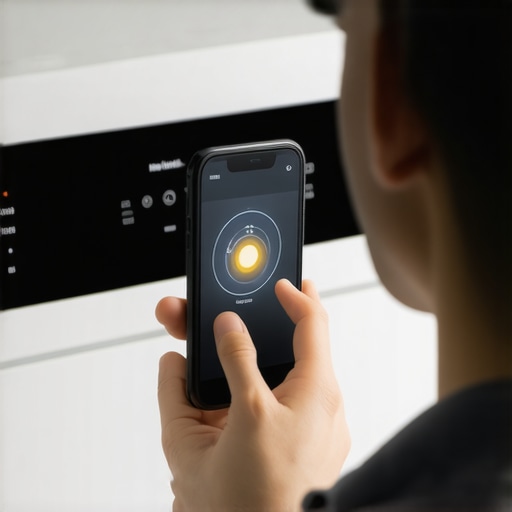
Modern appliances are essentially computers that wash dishes. When something goes wrong, the control board usually logs a specific code. The moment you see flashing lights or letters on your digital screen, grab your phone. You need a clear, unblurred photo of that exact message. If you want to know why this is so critical, look at why your dishwasher screen shows a numeric error code. Manufacturers cannot argue with their own onboard computer diagnostics. If you call them and say ‘it won’t run,’ they will drag their feet. If you say ‘the machine is throwing an E15 error code,’ you instantly speak their language and bypass the first tier of support script-readers.
Record the Fault in Real Time
A photo of an error code is great, but video evidence of the actual malfunction is your silver bullet. I remember when my drainage pump began making a high-pitched, grinding squeal. It only happened during the last ten minutes of the cycle. I set up my phone on a small tripod, recorded a two-minute clip of the sound, and made sure to capture the water pooling inside the tub in the same shot. This proved the pump was failing under load. If your issue comes and goes, you need to know how to capture it properly; learning how to document intermittent noises for a repair claim will save you from the dreaded ‘could not reproduce fault’ technician report. When the repair technician finally arrived at my house, I simply played the video for him. He didn’t even need to run a test cycle; he immediately ordered the replacement pump under warranty.
Exclude User Error Immediately
The first defense tactic a manufacturer will use is blaming your home plumbing or your installation. To shut this down, you must show you did everything by the book. Take a photo of the drain line connection under your kitchen sink. Make sure your drain hose has the correct physical elevation. A low drain hose causes sink water to backwash into your appliance, a common issue you can understand by checking the drain loop height that stops your kitchen sink from backing up. Showing a photo of a perfectly installed high drain loop proves the issue is internal to the machine, not a result of your poor plumbing. This simple photo completely strips away their ability to say your home setup caused the backup.
Keep a Paper Trail of Every Interaction
Every phone call, live chat, and email must be logged. When you speak to an agent, ask for their name, their employee ID, and a direct ticket number. Write down the exact date and time of the call. If an agent promises you that a repair will be covered, ask for that confirmation in writing via email. If they refuse, send a follow-up email summarizing the conversation: ‘As per our phone call today at 2:00 PM, you confirmed that…’ This creates a written timeline. If they try to deny your claim later, you can present this log to a supervisor. Having this level of detail makes you look like a consumer protection lawyer, and companies quickly realize it is cheaper to fix your machine than to argue with you.
When you are staring at a broken machine, the temptation to jump in and solve the problem yourself is incredibly strong. We have been conditioned by DIY culture to believe that every home appliance issue is just one video tutorial away from being solved. However, when it comes to preserving your coverage, the classic DIY mindset can actually be your greatest liability. Let’s look at the nuances of how the repair ecosystem really works behind closed doors.
The Dangerous Myth of the Quick Self-Fix
Everyone tells you to grab your toolbox and trace the problem yourself, but in my experience, diagnosing a machine without formal training often leaves a digital trail of breadcrumbs that manufacturers will use to deny your claim. For instance, many homeowners assume that using third-party parts is a harmless way to save money while waiting for an official service appointment. This is a massive trap. Under many service agreements, installing unauthorized components is the fastest way to nullify your entire coverage. If you want to keep your protection intact, you need to know why third-party parts might kill your service contract before you order that cheap replacement valve online.
Another common mistake is trying to clean internal components using harsh chemical solutions. I once had a reader who thought they were clearing a simple grease clog by pouring concentrated vinegar into their machine. Unfortunately, vinegar degrades sensitive rubber seals over time, leading to slow, internal leaks. If you have done this, understanding the vinegar mistake that turns your rubber door seals to mush will explain why your unit started leaking weeks after your deep clean. When a manufacturer technician spots degraded rubber caused by chemical exposure, they will instantly categorize the failure as owner neglect.
Why do warranty companies reject claims even when you prove the part is defective?
This is the ultimate point of frustration for most consumers. You have the photo of the broken part, you have the diagnostic code, and you have the purchase receipt. Yet, the claim processor still says no. The hidden nuance lies in the distinction between a component failure and an environmental issue. According to a landmark study on consumer product warranties by the Federal Trade Commission (FTC), a significant percentage of denials stem from what companies call “external operating conditions.” This includes hard water scaling, power surges, and improper home water pressure.
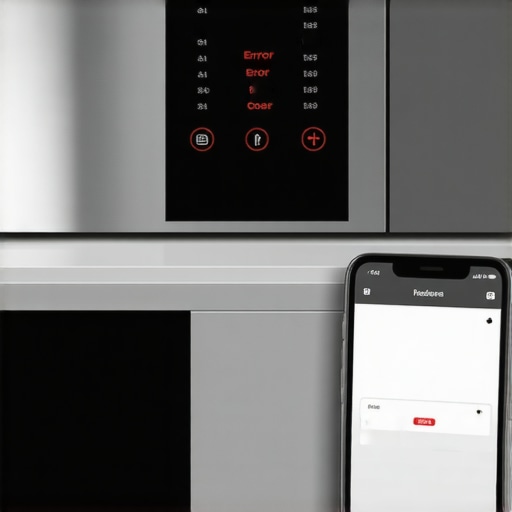
If your heating element burns out because of heavy calcium buildup, the manufacturer will argue that your local water quality, not their manufacturing standards, caused the failure. To protect yourself, you need to understand why your warranty claim for a clogged pump might get denied due to these external factors. Unless you can show that you maintained the machine according to the user manual, they have a legal loophole to walk right through. Before you submit any paperwork, make sure your digital evidence folder proves that you performed regular maintenance and used the proper settings.
The Subtle Difference in Your Coverage Fine Print
Another major trap is confusing your initial manufacturer warranty with an extended service contract. They are not the same thing, and they do not play by the same rules. The original manufacturer warranty is legally bound by federal regulations like the Magnuson-Moss Warranty Act, which offers you certain consumer protections. Extended service plans, however, are essentially private insurance policies managed by third-party administrators. These administrators make their profits by minimizing payouts. Understanding the real difference between service plans and manufacturer warranties is crucial when deciding how to frame your diagnostic evidence. If you file under a service plan, the list of exclusions is often twice as long, and they will search aggressively for any sign of pre-existing issues or self-repair attempts.
Have you ever fallen into this trap and had a claim denied over a tiny technicality? Let me know in the comments below, because sharing these experiences is how we build a better blueprint for dealing with these companies.
When you shift your focus from fighting denials to actual prevention, you enter the real arena of long-term appliance ownership. I used to think keeping a machine running was just about luck and occasional cleaning cycles. It isn’t. It is about having the right tools and maintaining the machine in a way that respects both the mechanical components and your legal coverage. By using professional diagnostic methods at home, you keep your machine in peak condition while collecting data that keeps your service contract intact.
The Diagnostic Tools I Personally Keep in My Kitchen Drawer
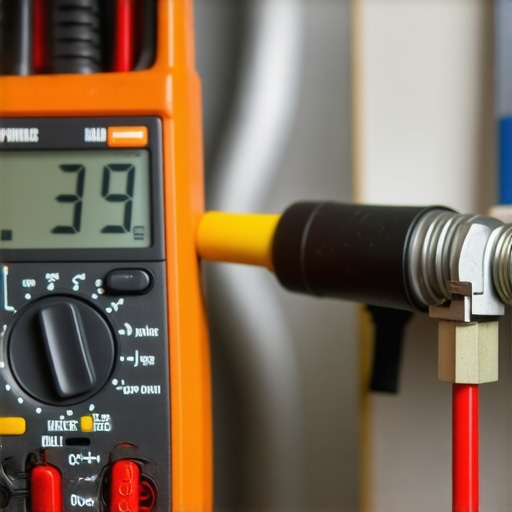
I do not believe in guessing when a machine fails. I rely on a small, highly specific kit that lives right next to my silverware drawer. My absolute go-to tool is a digital multimeter. I do not use it to rebuild control boards myself, but rather to check if a component is truly dead before I call the warranty company. For example, knowing the only multimeter settings you need for appliance repair lets me quickly test whether an inlet valve has failed or if the control board simply isn’t sending power. If I test the valve and find an open circuit, I can confidently tell the dispatcher that the part itself is dead.
Another tool I highly recommend is a basic diagnostic OBD-style reader if you have a smart appliance, or simply knowing the manual button combination to force a diagnostic mode. Appliance technician and industry veteran Dean Landers frequently notes in trade publications that over 40% of professional service calls could be avoided if homeowners knew how to read the physical feedback their machines already provide. Knowing how to access these built-in test cycles is a game-changer when you need to prove a fault to a skeptic customer service agent.
How do I maintain my dishwasher over time without voiding my warranty?
Consistent, non-invasive maintenance is the secret. First, step away from the harsh chemical descalers. Instead of risking damage to internal components, focus on manual cleaning of physical barriers. I make it a habit to check the fine mesh filter at the bottom of the tub every single week. If you have never done this, finding the hidden drain screen that most homeowners never clean is your first priority. Debris trapped here forces the wash pump to work twice as hard, leading to premature motor burnout—a failure that inspectors often attribute to owner neglect due to poor maintenance.
Second, ensure you are running your hot water at the kitchen sink for thirty seconds before you start a dishwashing cycle. This simple trick ensures the machine fills with hot water immediately, which optimizes detergent performance and prevents grease from solidifying inside your drain lines. It also takes the thermal load off your heating element, extending its lifespan significantly.
The Future of Appliance Diagnostics and Connected Warranties
Looking ahead, the days of arguing with phone operators about error codes are quickly coming to an end. We are moving toward a subscription-based, telemetry-driven model. Within the next five years, manufacturers will likely require appliances to be constantly connected to Wi-Fi to maintain warranty coverage. These smart machines will stream real-time diagnostic telemetry directly to the manufacturer’s cloud. While this means faster part replacements, it also means companies will know the exact second you overload the machine or skip a filter cleaning cycle. Staying informed on understanding appliance diagnostics and improving your claims is going to be your primary defense in this new, hyper-monitored era.
I want you to take control of your kitchen today. Instead of waiting for the next breakdown, take ten minutes to look up the exact button combination required to put your specific dishwasher model into diagnostic mode. Run a self-test cycle and see if your machine has been harboring any hidden, silent error codes.
What Experts Won’t Tell You About Your Repair Rights
Behind the closed doors of major customer service centers, the goal is simple: close the file as quickly and cheaply as possible. To win this game, you must understand the unwritten rules that dictate how claims are actually processed. Here are the three most critical lessons I learned after going toe-to-toe with manufacturer legal teams:
- Labor costs are the real loophole: Many owners do not realize that a brand-new machine might come with free parts but zero coverage for the technician’s time. Reading up on why your dishwasher warranty might not cover labor will save you from an unexpected bill at the end of a ‘free’ repair visit.
- You do not have to use their network: While companies love to insist you use their internal service providers, federal laws offer protections that allow you to challenge their strict vendor lists under specific circumstances. Knowing when to trust a warranty for dishwasher repairs vs. hiring an independent expert is a crucial strategic choice.
- Administrative wear-down is a real tactic: If a company ignores your emails or schedules appointments three weeks out, they are often hoping you will give up and pay a local repairman out of pocket. Do not take this personally; keep your records organized, remain polite, and hold your ground.
The Diagnostic Tools I Always Recommend
You do not need an expensive degree to run basic tests on your kitchen equipment. Over the years, I have built a small kit that has saved me thousands of dollars in diagnostic fees. If you want to take control of your kitchen maintenance, these are the resources you should have on hand:
- A Reliable Digital Multimeter: This is the ultimate truth-teller for anything with wires. Instead of guessing if a heating element is bad, you can use simple testing procedures to verify the component’s health instantly.
- A Sturdy Inspection Camera: A cheap, flexible endoscope that plugs into your smartphone allows you to look behind your kickplate and under the machine without pulling the entire heavy unit out of the cabinetry.
- The Original Tech Sheet: This is the hidden paper schematic folded up inside your machine’s base. It contains the exact button combinations needed to read the hidden blinking lights on your control board.
How to Take Back Control of Your Kitchen Today
You do not have to be at the mercy of unpredictable appliance failures or stubborn claims processors. By shifting your approach from reactive panic to proactive preparation, you protect your home budget and your sanity. Take ten minutes this weekend to locate your purchase receipts, scan them to a cloud folder, and learn the basic physical layout of your machine. When you understand the baseline health of your system, you can easily spot small issues before they become catastrophic disasters.
Have you ever had a manufacturer deny a claim over a tiny technical detail, or have you successfully fought a denial using your own evidence? Let me know in the comments below!