

Ever been in the middle of laundry or dishwashing, only to hear that dreaded beep or see your machine frozen at a certain stage? I remember the first time I faced this frustration. My dishwasher, an old but reliable model, suddenly stopped mid-cycle. No error codes, no obvious leaks—just that stubborn, unresponsive control board staring back at me. It felt like I was caught in a digital Dead Zone, helpless and considering calling in a professional, which can be costly and time-consuming.
Why Being Able to Manually Advance Your Dishwasher Cycle Matters
This seemingly small skill—learning how to manually advance a cycle—can actually save you a lot of headache. Especially with older mechanical boards that don’t update their statuses or reset easily. Knowing how to jump-start or skip past a stuck phase allows you to complete your laundry or dishes without waiting for a repair appointment. It’s a hands-on way to troubleshoot and often a vital step before deciding whether you need a professional diagnosis. According to appliance experts, understanding your machine’s control panel and cycle options can significantly extend its lifespan and help you catch problems early—sometimes even before a service call is necessary (source).
Is Manually Advancing Cycles Actually Worth the Effort?
Many folks worry that tampering might cause more harm than good. I get it. I’ve made plenty of early mistakes—like resetting the control board without knowing the proper sequence, which sometimes led to more confusion. But with patience and a basic understanding, you can often bypass those stubborn glitches and keep your appliance running smoothly. Plus, it offers a chance to diagnose issues without immediately jumping to costly repairs. Have you ever tried to manually advance your dishwasher’s cycle? If not, you might be missing out on a straightforward way to troubleshoot minor glitches and avoid unnecessary expenses.
Now, let’s get into how you can do this yourself—step by step. It’s simpler than you think, and I’ll walk you through the process so you can become a bit more self-reliant with your appliances.
Identify Your Control Panel and Cycle Options
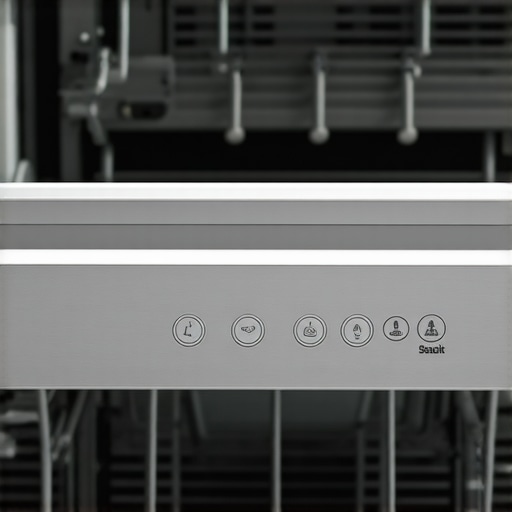
Start by locating your dishwasher’s control panel. Unlike newer models that have digital screens, older units often feature manual dials or buttons. Familiarize yourself with the cycle options, noting any specific labels like ‘Start,’ ‘Pause,’ or ‘Cycle Select.’ This understanding is crucial because you’ll need to know how to manipulate or bypass the normal operation sequence.
Power Off and Prepare
Turn off the dishwasher and unplug it from the electrical outlet to ensure safety. Open the door and remove any dishes or racks if necessary to access the control panel more easily. If your model has a control lock feature, disable it as instructed in your user manual. This step prevents unintentional activations during your adjustment process.
Perform a Reset to Clear Error Codes
If your machine is frozen or stuck, resetting it can often clear transient faults. Typically, this involves pressing and holding certain buttons or turning the cycle selector dial to a specific position for a few seconds. For example, on some models, holding the ‘Start’ button for 5 seconds resets the system. This process acts like a reboot on a computer, giving you a fresh start before attempting to advance the cycle.
Example: My Dishwasher Was Stuck Mid-Cower & Reset Worked
Once, I faced a situation where my dishwasher halted during the drying phase. I unplugged it, waited 2 minutes, then plugged it back in. After pressing a sequence of buttons (like holding ‘Cancel’ and then selecting a new cycle), it reset and allowed me to manually choose a different cycle segment. That quick action saved me a costly repair.
Use the Cycle Selector to Jump Forward
Many mechanical dishwashers allow you to manually skip to later stages by turning the cycle selector or pressing specific buttons in sequence. For example, if you press ‘Heated Dry’ twice and then ‘Start,’ some models interpret this as a command to jump ahead. Consult your user manual or online resources for your specific model to identify the correct sequence. If absent, listening for clicks or feeling resistance can help determine if a new cycle has begun.
Force the Cycle to Progress
On some appliances, holding down the ‘Start’ button for an extended period (e.g., 3-5 seconds) can force the cycle to proceed or the machine to reset to a desired stage. This is akin to pressing the accelerator pedal in a car to move past a traffic light. Be careful not to hold buttons too long, as it might trigger a full reset or enter diagnostic mode.
Troubleshooting Common Issues During Manual Advancement
Problems like unresponsive controls or error codes can complicate the process. In such cases, inspecting components like door latches or control boards may be necessary. Sometimes, the issue isn’t with the cycle but with hardware failure, which could be verified by testing parts like thermal fuses or door switches (see troubleshooting tips). If these steps fail, professional diagnostics might be the safest route to avoid causing further damage.
Document Your Actions for Future Reference
Keep a record of the steps you took, especially if you plan to seek professional help later. Photos or videos of error codes and your manual adjustments can assist technicians during diagnostics, saving time and avoiding unnecessary charges (more on documentation).
Remember, every model is different. When in doubt, check the manufacturer’s website or contact support directly if unsure about specific procedures. Approach manual cycle advancement patiently—rushing could worsen existing issues or lead to new ones.
 Many homeowners operate under assumptions about appliance warranties and repair processes that can lead to costly mistakes. One widespread myth is that all repairs are covered equally under warranty, but in reality, manufacturers often exclude certain components or damage caused by user error, which can void your coverage if not carefully documented. Experts from reputable sources emphasize the importance of understanding your warranty’s fine print to prevent surprises when a repair is needed (read more here). Moreover, many believe that attempting DIY repairs won’t affect warranty eligibility, but in many cases, unauthorized repairs can void the entire plan, especially if they lead to further damage (more on this topic).
One critical nuance often overlooked is the role of diagnostics in warranty claims. Proper documentation through professional diagnostics not only speeds up the repair process but also strengthens your case if there’s a dispute. Incorrect or incomplete diagnostics, meanwhile, can lead to rejected claims or improper repairs that cause repeat problems. According to industry insights, thorough diagnostic reports are the key to maximizing warranty benefits (see how diagnostics help).
A common mistake is assuming that all appliance problems are visible or obvious. Hidden issues, like failing thermal fuses or worn motor bearings, often go unnoticed until more severe damage occurs. Recognizing subtle signs and conducting advanced diagnostics can save you from expensive replacements down the line. For example, using a smartphone camera to monitor motor bearing wear can provide invaluable insights (see how to do this). Failing to catch these issues early may invalidate warranty claims or lead to unsafe conditions.
Have you ever fallen into this trap? Let me know in the comments.
When dealing with complex appliances like dishwashers, relying solely on manufacturer claims or generic tips can backfire. Often, professionals know how to navigate diagnostic codes, bypass common pitfalls, and document issues effectively, which is critical during warranty disputes (tips on documentation). Avoid rushing into repairs without proper diagnostics, as improper DIY interventions can cause more harm, void warranties, or lead to unsafe situations (see essential documentation tips). Recognizing the difference between a minor glitch and a hardware failure is the hallmark of an experienced technician.
Being armed with the right knowledge and approach ensures your appliances are fixed efficiently and that your warranty remains valid. Remember, proactive diagnostics, understanding your warranty, and consulting professionals when in doubt can save you time and money. Don’t hesitate to reach out to trusted experts for honest advice and quality repairs (contact us today).
Keeping Your Appliances Running Smoothly
Maintaining your dishwashers and other appliances isn’t just about fixing issues when they arise; it’s about adopting proactive habits and using the right tools to ensure longevity. I personally rely on a curated set of diagnostic and maintenance tools that have proven invaluable in my troubleshooting efforts. These tools help me identify problems early, perform basic repairs, and avoid costly professional visits.
The MultiMeter — Your Diagnostic Ally
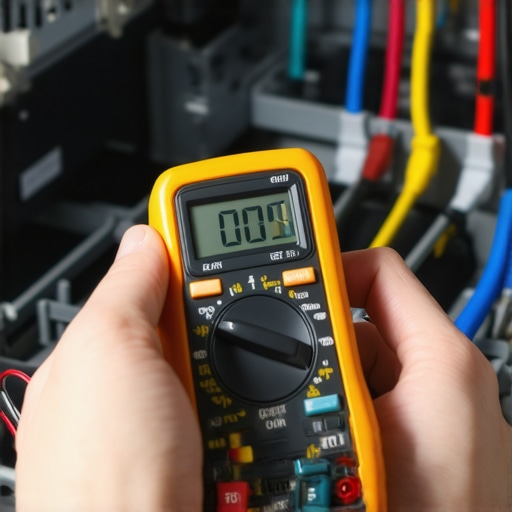
My go-to device is a high-quality digital multimeter. I use it not only to test thermal fuses and control boards but also to verify motor windings and grounding issues. For instance, checking the heating element’s resistance with a multimeter is straightforward and offers immediate insight into its health. I prefer models with auto-ranging capabilities and a data hold function, such as the Fluke 117, because it allows for precise testing in tricky spots. Learning to read multimeter readings has significantly improved my ability to diagnose complex appliance issues.
Smartphone Tools for Early Detection
Beyond traditional hardware, I recommend leveraging smartphone apps designed for appliance diagnostics. Using a phone’s microphone combined with specific apps like ‘Bearing Noise Scanner’ helps me detect unusual sound patterns in motors and pumps—an early sign of wear (more about sound diagnostics). Additionally, digital camera inspections of internal components, like the drain pump or spray arms, reveal hidden debris or wear without dismantling the entire unit.
Consistent Maintenance Habits Extend Appliance Life
Cleaning filters regularly, inspecting door gaskets, and running diagnostic cycles are crucial. For example, I use a soft brush and a microfiber cloth to clean the dishwasher’s filter and spray arms monthly, preventing clogs that cause wash failures (inspection techniques). Additionally, I record patterns when my appliances exhibit minor glitches—such documentation helps during warranty claims and ensures I catch issues early.
The Future of Appliance Care Goes Digital
Looking ahead, integration of IoT (Internet of Things) sensors into appliances promises real-time diagnostics and predictive maintenance, reducing unexpected breakdowns. Companies are developing smart systems that alert you to part wear or faults before total failure, shifting maintenance from reactive to proactive. Embracing these innovations can save money and time in the long run.
How do I maintain appliance diagnostics over time?
Establishing a routine, such as monthly checks with a multimeter and visual inspections, keeps you ahead of potential problems. Also, upgrading firmware when updates are available ensures your appliances benefit from the latest fixes and features. Remember, the more familiar you are with your tools and your machine’s normal behavior, the quicker you’ll spot anomalies and act accordingly.
If you find yourself unsure about interpreting diagnostic signals or performing specific repairs, don’t hesitate to reach out for professional guidance. Mastering these tools empowers you to extend your appliances’ lifespan and maintain peak performance, ultimately saving you money and stress in the future.
Try calibrating your multimeter today on a known resistor and see how it reads—this simple step can boost your confidence when diagnosing real issues.
< >
>
Remember, the key to bringing your appliances into a long-term, worry-free operation is consistency and knowledge. Equip yourself with the right tools and habits to keep them running smoothly for years to come.
,
3 Lessons I Learned the Hard Way About Appliance Troubleshooting
- Never underestimate the power of patience. Rushing to fix or skip steps often leads to more confusion or damage. Taking the time to carefully reset and observe can reveal subtle clues that guide you to the real issue.
- Documentation isn’t just for technicians. Photograph error codes, write down troubleshooting steps, and keep records of repairs. This habit saved me during warranty claims, ensuring I met all the necessary proof requirements.
- Understanding your machine’s manual is gold. I used to skip reading manuals, thinking they were unnecessary. Now, I realize they contain specific cycle reset procedures and diagnostic modes that can make troubleshooting much more straightforward.
- The temptation of DIY can backfire if you’re not informed. Attempting repairs without proper knowledge can void warranties or cause harm. When in doubt, consult trusted resources or professionals.
My Toolbox for Smarter Repairs
These tools have transformed my approach to appliance maintenance. A reliable multimeter helps me verify electrical components instantly. Smartphone apps can detect unusual motor noises early, preventing costly replacements. Thermal leak detectors assist in early diagnosis of overheating issues. And maintaining a repair log keeps me prepared for warranty discussions.
Keep Your Appliance Confidence High and Your Warranties Intact
Taking control of your dishwasher’s diagnostics empowers you; it’s not about replacing professionals but about making informed decisions and avoiding unnecessary expenses. Embrace the learning curve, and you’ll find yourself more at ease with troubleshooting when the inevitable glitches happen. Remember, your proactive approach protects your investments and keeps your household running smoothly. Ready to start diagnosing like a pro? Share your stories or ask your burning questions below—let’s navigate this journey together.