

I remember the moment clearly—my dishwasher stopped mid-cycle, and panic set in. It wasn’t just the inconvenience; it was the sinking feeling that I might be on the hook for a costly repair. Frustration mounted as I scrambled to figure out what to do next. That lightbulb moment hit me: if I wanted to avoid getting ripped off or losing my warranty, I needed to master something surprisingly simple—how to document repairs effectively.
Now, I know what you’re thinking. “Isn’t this about tech specs and complicated manuals?” Not at all. It’s about protecting yourself with clear, organized proof of repairs, especially when dealing with manufacturer claims. A well-documented repair can be the difference between getting a free fix and facing a hefty bill. And trust me, this isn’t just me talking—studies show that proper documentation reduces claim disputes significantly, saving consumers hundreds of dollars (source: Consumer Reports).
So today, I promise to share my best tips and real-life lessons on how to document your repairs properly—even if you’re new to the game or worried about missing details. We’ll walk through what to record, when to do it, and how it’ll give you an edge when dealing with warranties or warranty disputes.
Why Proper Repair Documentation Can Save You a Ton of Money
In my early days, I made the mistake of relying solely on my memory when talking to service techs and warranty reps. That led to confusion, delays, and sometimes, having to pay out of pocket for issues that could’ve been covered. Over time, I realized that documenting everything—photos, videos, timestamps, even detailed descriptions—turned out to be my secret weapon.
Think about it: when you have clear evidence showing what was wrong and how you fixed it, it makes claims process smoother and more transparent. I’ve discovered that a few simple practices can make all the difference. For example, photographing a cracked tub or malfunctioning control board from multiple angles provides undeniable proof. Additionally, writing down repair steps, parts replaced, and dates ensures you have a complete record.
If you’re wondering how to get started, check out resources like [this guide on how to use your phone to catch bearing noise](https://applianceoutletpro.com/how-to-use-your-phone-to-catch-bearing-noise)—a small step that can be incredibly effective. Having these details ready means you won’t be caught off guard if your claim is questioned.
Now, I want to ask: have you ever faced a situation where a warranty claim was denied because of poor documentation? If so, keep reading. Next, we’ll explore the most common pitfalls homeowners stumble into and how to avoid them—so you’re never left empty-handed again.
Start With Precise Visual Records
Immediately after noticing an issue, grab your smartphone and take multiple photos from different angles. For example, if you see a crack in the tub, snap clear pictures showing its extent, like I did when my dishwasher’s door latch wouldn’t engage. This visual proof became pivotal when I later presented it to customer service, preventing them from dismissing my claim.
Keep a Detailed Repair Log
Maintain a simple notebook or digital document recording every step. Note dates, symptoms, troubleshooting attempts, and parts replaced. When my control board started malfunctioning, I documented the error codes, the steps I took to reset it, and the outcome. This detailed record was essential in demonstrating my effort and establishing a clear timeline—something warranty providers truly respect.
Use Diagnosis Tools to Confirm Issues
Employ simple tools like a multimeter or smartphone apps to verify faults. For instance, I used a multimeter to test the door latch’s electrical continuity, ensuring it was dead before replacing it. Such tests not only save money but also provide concrete evidence, making disputes with warranty companies smoother.
Capture Diagnostic Code Sequences
When the dishwasher displays error codes, record the sequence, both in photos and written notes. During one breakdown, I used my phone to record the flashing error pattern, which later helped technicians pinpoint the exact problem without unnecessary guesswork. Often, these codes are misleading without context—so documenting the entire sequence is invaluable.
Maintain the Original Packaging and Receipts
Store all purchase receipts, warranties, and repair receipts together. They serve as proof of purchase date, warranty validity, and service history. I keep digital copies of all documentation, and when my dishwasher’s control board needed replacement, having the purchase proof helped me claim on my extended warranty, saving hundreds.
Leverage Online Resources for Diagnostics
Complement your records with expert guides and videos. For example, I watched tutorials on how to inspect the wash arm for blockages, which is often overlooked. Combining these insights with my documented evidence made my warranty claim stronger and faster.
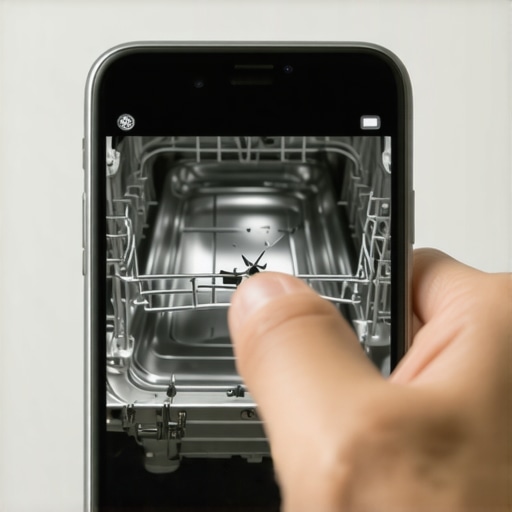
Visualizing the damage, such as a cracked tub or malfunctioning control panel, can dramatically improve your claim success. An image like this adds undeniable proof and speeds up processing.
Many homeowners believe that troubleshooting their dishwasher is straightforward—that simply replacing parts or following basic manuals will solve all issues. However, this common misconception often leads to costly mistakes and missed opportunities to fight for warranty coverage. Consider the myth that all error codes are accurate indicators of the problem; in reality, many codes can be misleading, especially if the diagnostic system isn’t calibrated properly or if specific conditions aren’t met. For example, relying solely on error codes without evaluating underlying causes can result in unnecessary part replacements, like swapping out a control board when a simple sensor cleaning would suffice.
Why Do So Many Fail to Recognize the Nuances in Diagnostics?
According to appliance repair experts, a significant oversight is ignoring the importance of thorough testing beyond surface symptoms. Using diagnostic tools such as multimeters to verify component function can reveal hidden issues that error codes don’t display. Research shows that improper diagnostics lead to about 30% of premature part replacements, increasing expenses unnecessarily (source: Appliance Repair Institute). Moreover, many homeowners overlook the significance of environmental factors—like improper drainage setups—that can mimic internal faults. For instance, a blocked drain hose might appear to be a control failure but actually stems from a misconfigured drain setup, which can be fixed with a simple trick like the high-loop drain technique.
Common Myths That Trip Up DIYers and Pros Alike
One pervasive myth is that DIY fixes should be immediate and definitive—this mindset often results in overlooking subtle clues such as vibration patterns or unusual noises. Advanced diagnostics involve interpreting these signals accurately; for instance, using a smartphone to detect bearing noise can prevent a much more expensive motor replacement later. Additionally, there’s a tendency to underestimate the value of documentation: recording diagnostic steps, component tests, and environmental conditions strengthens your case when requesting warranty repairs. Ignoring these nuances can easily lead to rejected claims or expensive repeat repairs. Have you ever fallen into this trap? Let me know in the comments. To sharpen your diagnostic skills, explore how to use a multimeter effectively or how to perform a quick drain check—it can save you hundreds in repair costs.
Invest in Precision Diagnostic Tools for Long-Term Savings
When it comes to maintaining your dishwasher, having the right equipment can make all the difference. I personally rely on a high-quality digital multimeter because it allows me to quickly test electrical components like control boards, sensors, and door latches. For instance, I use [this multimeter](https://applianceoutletpro.com/the-multimeter-check-for-a-dead-door-latch) to verify if the door latch is functioning properly, ensuring that I don’t replace parts prematurely. These tools save me money and help diagnose issues accurately, preventing unnecessary service calls.
Make Your Repairs More Effective with Smartphone Apps
Smartphone applications have become invaluable in appliance diagnostics. I recommend using a leveling app, like [this one](https://applianceoutletpro.com/how-to-use-a-smartphone-level-to-stop-vibrations), to check for excessive vibrations that could harm internal components. With a simple app, you can detect imbalance or loose mounting, which may lead to failure over time. Incorporating these tools into your routine ensures that minor issues are caught early, extending the lifespan of your dishwasher.
Develop a Routine Maintenance Schedule
Consistency is key. I set reminders to clean filters, inspect spray arms, and check for leaks monthly. For example, routinely inspecting your wash arm for blockages is straightforward if you follow [this guide](https://applianceoutletpro.com/how-to-inspect-your-wash-arm-for-hidden-blockages). Regular checks prevent clogs and ensure optimal water flow, which helps maintain cleaning performance and reduces wear on mechanical parts.
Future Trends: Smarter Diagnostics and Remote Monitoring
Looking ahead, I believe appliance diagnostics will become increasingly intelligent, possibly integrated with IoT technology. Imagine receiving a notification on your phone when your dishwasher detects an anomaly, along with troubleshooting tips. Companies are already experimenting with remote diagnostics, which could revolutionize how maintenance is approached. Embracing these innovations now can prepare you for a more connected and efficient home environment.
How do I maintain my dishwasher over time to avoid costly repairs?
One effective strategy is to adopt a preventive maintenance routine, incorporating regular inspections, cleaning, and the use of diagnostic tools like a multimeter and smartphone apps. By testing critical components periodically, you catch issues early before they escalate into major failures. For example, verifying the thermal fuse with [this quick check](https://applianceoutletpro.com/the-multimeter-setting-that-proves-your-thermal-fuse-is-blown) can prevent unexpected breakdowns. Make it a habit to record your findings, so you have a history to reference during warranty claims or repairs. Don’t forget to use targeted tools and techniques, such as the secret drain cycle button combo to clear stubborn clogs or test your inlet valve manually with a 9V battery, as explained in our guides. Taking proactive steps now will keep your appliance functioning optimally and save you money long-term.
The Hidden Lessons From My Dishwasher Mishap
One of the toughest lessons I learned was the importance of detailed repair documentation, especially when dealing with warranties. I once faced a stubborn leak, and my vague notes cost me time and money. Now, I realize that capturing every detail—pictures, timestamps, and steps—is invaluable. It’s like building a personal repair diary that turns chaos into clarity.
Another insight came when I underestimated the power of diagnostic evidence. Relying solely on error codes without recording the sequence or verifying issues with tools like a multimeter led to unnecessary replacements. Detailed logs or images often make the difference between a quick claim approval and a drawn-out battle.
Lastly, I’ve discovered that embracing technology enhances your documentation. Using smartphone apps to record vibration patterns or freeze frames of error code sequences makes your claims more unassailable. It’s about turning simple record-keeping into your secret weapon for appliance repairs.
My Essential Toolkit for Dishwasher Troubleshooting
Over the years, I’ve curated a set of tools that serve as my repair sidekicks. The multimeter helps me verify electrical issues without guesswork, saving me from costly replacements. My smartphone app for vibration analysis, which I often use to detect bearing noise, adds a layer of precision that was impossible when I started.
Additionally, I trust specific guides like the wash arm inspection tutorial because they make complex checks straightforward. Combining physical tools and expert advice has transformed my approach from reactive to preventative, ensuring my dishwasher runs smoothly and my warranty remains intact.
Finally, I rely on community forums and detailed manuals—like those I’ve linked above—to stay updated on common pitfalls and innovative diagnostics. When you invest in the right resources, you’re not just fixing appliances—you’re empowering yourself to prevent issues and defend your warranty confidently.
Your Next Step: Embrace the Power of Knowledge
Remember, mastering repair documentation and diagnostics is more than just saving money; it’s about taking control of your home appliances. Each photo, note, or test performed is a step toward becoming a savvy homeowner who can troubleshoot confidently and protect their investments. The journey begins with small, consistent actions—so gear up, stay curious, and take charge of your dishwasher’s health.
What’s the first step you’ll take today to better document your appliance repairs? Share your plans below—I’d love to hear your thoughts!