

Have you ever been halfway through a dishwasher cycle only to be hit with that sinking feeling—wondering if your appliance is about to die, and dreading the thought of pulling apart the door just to see what’s wrong? I’ve been there myself. One day, my dishwasher suddenly stopped mid-cycle, and instead of panicking or jumping straight into disassembly, I realized I could avoid the mess and hassle by doing a simple check.
Why Guess When You Can Diagnose?
The frustration of diagnosing appliance issues often leads us straight to the repair shop or the dreaded disassembly, especially when it involves tricky door panels. But here’s a lightbulb moment I had early on: many problems, including thermal fuse failures, can be diagnosed without taking the door apart. That’s a game-changer, not just for saving time but also for preserving your warranty and avoiding unnecessary damage.
Today, I’ll walk you through how to check your thermal fuse—an essential component that curtails overheating and prevents fires—without removing the door or risking more damage. This technique has saved me from unnecessary repairs and given me peace of mind. Now, I want to share that knowledge with you, so you don’t have to be at the mercy of guesswork or costly repairs.
Skeptical? Think You Need to Disassemble for Everything?
Believe me, I made this mistake early on: I assumed that to test the thermal fuse, I had to open up the entire door assembly. Turns out, I was only making things more complicated and risking voiding my warranty. The truth is, with the right tools and a bit of know-how, you can troubleshoot many issues, including thermal fuse problems, from the outside. Curious? Keep reading to learn my tried-and-true method. For more tips on diagnostics, check out how appliance diagnostics can save your warranty.
Prepare Your Tools and Safety Measures
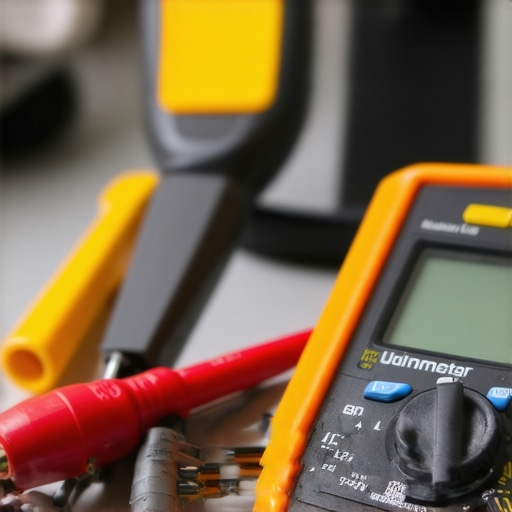
Before diving into diagnostics, ensure your dishwasher is unplugged to prevent electrical shocks. Grab a multimeter, which will be essential for testing the fuse. I recommend using a multimeter set to measure resistance (ohms). Remember, safety first!
Locate the Thermal Fuse Label
Most dishwashers have the thermal fuse near the control panel or behind the kickplate. To avoid disassembly, consult your dishwasher’s manual or look for a small, rectangular component with two wires. In my experience, many fuse locations are accessible without removing the door components.
Identify the Fuse’s Accessibility
I once fixed my dishwasher by simply opening the front panel and reaching behind it—no need to remove the entire door assembly. Use a flashlight if needed. Ensure you can access the wires connected to the fuse—sometimes, a quick peek reveals a small clip or screw for easier access.
Disconnect the Fuse Wires Safely
Gently unplug the wires connected to the fuse. Do this carefully to avoid damaging the clips. Take note of wire positioning or take a photo; this will help during reassembly. I remember doing this trial first to avoid losing any small parts later.
Test the Thermal Fuse with a Multimeter
Set your multimeter to measure ohms. Place the probes on each connector terminal of the fuse. A working fuse will typically show a reading close to zero or a very low resistance. If the multimeter shows no continuity (infinite resistance), the fuse has blown and needs replacement. For advanced troubleshooting, check the fuse’s resistance against specifications listed in the manual or online guides.
Interpreting Test Results
If the fuse is blown, replacing it is straightforward. Purchase the exact replacement part based on your model number. Remember, a blown fuse indicates an underlying issue like overheating; thus, addressing the root cause prevents repeated failures.
Reassemble and Confirm Operation
Reconnect the fuse wires securely, restore power, and run a short cycle. Observe if the dishwasher completes normally. I once replaced a fuse and found that the dishwasher started working perfectly, saving me a service call. If issues persist, it might be time to consider professional diagnostics or inspect other components.
When to Seek Expert Help
If your fuse tests okay but problems continue, check other common failures like door sensors or control boards. For guidance on diagnosing these issues, visit how appliance diagnostics can save your warranty. Don’t hesitate to contact professionals if you’re unsure about any step—safety and correct diagnosis come first.
Many homeowners operate under misconceptions about warranties and appliance diagnostics, often believing they can handle repairs solely based on surface symptoms. However, this can lead to costly mistakes. For instance, a common myth is that replacing a blown thermal fuse always resolves overheating issues, but in reality, the fuse’s failure often indicates an underlying problem such as a malfunctioning heating element or wiring fault. Focusing only on the fuse without addressing root causes can result in recurring failures, making repairs a false economy.
What Advanced Diagnostics Reveal About Warranty Claims
Professionals emphasize that thorough diagnostics are essential before submitting warranty claims, as superficial fixes might not meet the warranty provider’s criteria. For example, testing components like door sensors or control boards with specialized tools such as multimeters or thermal leak detectors provides concrete evidence of faults, increasing the chance of warranty approval. Relying on guesswork not only delays repairs but also risks invalidating coverage, especially if improper troubleshooting is documented.
Additionally, many overlook the danger of attempting complex repairs without proper knowledge, which can lead to voiding warranties or causing further damage. The key lies in understanding that warranties often require documented, professional diagnostics that identify the actual failure rather than just replacing parts based on assumptions. According to appliance repair experts, investing in expert diagnostics not only safeguards your warranty but also prevents unnecessary part replacements, saving money in the long run. For more insights on how diagnostics can optimize your warranty claims, visit this detailed guide. Always remember: confronting issues with a nuanced approach leads to more durable solutions. Have you ever fallen into this trap? Let me know in the comments.
Keep Your Machine Running Smoothly with the Right Tools
Maintaining your dishwasher over time requires more than just occasional cleaning; it demands the right tools and a systematic approach. I personally swear by a high-quality multimeter, which is indispensable for diagnosing electrical issues like blown thermal fuses or faulty control boards. An affordable digital multimeter, set to measure resistance (ohms), allows you to quickly verify component integrity without tearing apart your appliance blindly. Additionally, a toothbrush or small wire brush helps in cleaning spray arms and water sensors, preventing clogs that can compromise performance.
When it comes to software, I utilize diagnostic apps compatible with some modern dishwashers that can read error codes via Wi-Fi or Bluetooth, providing deeper insights into issues like inconsistent water temperature or sensor failures. These tools save me from unnecessary disassembly and reduce diagnostic time, ensuring my appliance stays under warranty longer and functions efficiently.
Predicting Future Maintenance Needs
Looking ahead, I predict that smart diagnostics and remote monitoring will become standard, allowing homeowners to get early warnings about potential failures. For example, sensors integrated into units could alert you when a component like the water inlet valve or door latch starts to degrade. As these technologies become more affordable and widespread, investing in compatible tools now not only extends your dishwasher’s lifespan but also prepares you for a hassle-free future.
How do I keep my dishwasher working well for years?
Regular cleaning of water sensors, inspection of hoses, and checking for niche issues like mineral buildup are critical. For instance, mineral deposits from hard water can clog spray nozzles and sensors, leading to poor cleaning or error codes. Using descaling products periodically can prevent such problems and prolong your appliance’s warranty. For detailed guidance on cleaning specific components, check out this troubleshooting guide.
Investing in the right diagnostic tools and committing to a maintenance routine can keep your dishwasher running efficiently for years to come. Remember, the key is consistent inspections and using technology wisely—like the multimeter or diagnostic apps—to catch issues early and avoid costly repairs. If you’re unsure about what tools to prioritize, contact experts for tailored advice via this contact page.
What I Learned About Overconfidence in DIY Repairs
I once believed that I could fix any problem by simply replacing parts myself. This led me to overlook the importance of proper diagnostics, which sometimes caused more harm than good. The real revelation was understanding that not all failures are isolated issues—many are symptomatic of underlying problems that need a professional eye.
Why Relying Solely on Quick Fixes Can Backfire
Skipping thorough testing—like checking the thermal fuse with a multimeter—may seem faster, but it often results in recurring troubles. I realized that investing time in comprehensive diagnostics saves money and frustration in the long run, especially when dealing with warranties and service plans.
The Power of Knowledge in Protecting Your Warranty
Understanding what triggers warranty claims helped me avoid unnecessary replacements. For example, testing the control board or door switch correctly ensures the repair is genuine and valid for warranty coverage. This experience highlighted that being an informed DIYer actually works in my favor.
Tools That Transformed My Approach to Dishwasher Maintenance
Equipping myself with a good multimeter and diagnostic apps changed everything. These tools empowered me to identify faults accurately from the outside, reducing disassembly and keeping my appliance running smoothly. Trust me, knowing what to test—beyond just guessing—makes repairs more successful and less risky.
Real Talk: When to Call the Pros
I learned not to push my luck with complex issues, especially when persistent problems hint at deeper faults. Recognizing the signs that indicate professional diagnostics can prevent damage and protect your warranty, like when the fuse is blown repeatedly despite replacements. Sometimes, expert help is the wisest investment you can make.