

I vividly remember the frustration of loading my dishwasher after a long day, only to hear the familiar hum of water filling the chamber—yet nothing happens afterward. It’s an experience that’s both confusing and downright annoying. You open the door, check the control panel, and realize your dishwasher is simply refusing to launch the wash cycle. Sound familiar? If so, you’re not alone—and trust me, I’ve been there too.
Don’t Let This Simple Problem Ruin Your Day
Many homeowners encounter a puzzling issue: their dishwasher fills with water but then remains eerily silent when it’s time to start the actual wash. Before you call a repair tech or get overwhelmed, know that this is a solvable problem. You’ll be relieved to learn that often, it’s just a minor glitch, not a sign of a major breakdown.
Is It Worth Trying to Fix This Yourself?
Early in my repair journey, I made the mistake of dismissing simple fixes and jumping straight to the costly solutions. The truth is, many problems—like a dishwasher that won’t start—can be diagnosed and resolved using basic tools and some guidance. While it’s essential to know when a professional is needed, understanding the common causes can save you time and money. As highlighted in this comprehensive guide, proper diagnostics not only pinpoint the issue but also help you avoid voiding your warranty with incorrect repairs.
Now, let’s get into the crux of the matter: what’s causing your dishwasher to fill but sit idle? The good news is, with a little know-how, you can often fix the problem yourself. So, grab your screwdriver and a flashlight—it’s time to troubleshoot and bring that dishwasher back to life!
Check the Power and Control Settings
Start by ensuring your dishwasher is properly plugged in and that the circuit breaker hasn’t tripped. Sometimes, a simple power issue can cause the machine to fill but not proceed. I once had a dishwasher that only partially powered on because a GFCI outlet had been tripped; resetting it resolved the problem immediately.
Reset the Circuit Breaker
Locate your home’s breaker panel, find the dedicated circuit for your dishwasher, and flip it off and on after waiting for 30 seconds. This can clear minor electronic glitches. Remember, if your dishwasher still doesn’t start, move to the next step.
Inspect the Door Latch and Switch
A common reason for a dishwasher to fill but not start is a faulty door latch or switch. Think of it like a safety lock—if it doesn’t detect the door is closed, it won’t begin the cycle. Use a multimeter to test the latch switch’s continuity. If it shows an open circuit, replace the latch.
In my experience, the simple testing of the door switch saved me from buying an entire control panel. Learn how to test door latches with a multimeter here.
Examine the Water Inlet Valve
If your dishwasher fills but doesn’t move into wash mode, the inlet valve could be the culprit. The inlet valve controls water flow into the machine, akin to the faucet feeding your home’s plumbing. Remove the inlet hose, inspect for clogs or debris, and test the valve’s coil with a multimeter. A faulty coil means replacing the inlet valve is necessary.
Make sure to turn off the power and water supply before attempting this. For a step-by-step guide, see testing your inlet valve here.
Verify the Control Board and Wiring
If all the above components seem functional, the problem may reside within the control board or wiring harness. Look for burnt smells, loose connections, or visible damage. Use a multimeter to check for voltage output from the control board. Damaged wiring or a failed control board can prevent the cycle from starting even if water fills properly.
In complex cases, consulting professional diagnostics can be worthwhile, especially since attempting repairs on the control board without proper knowledge risks voiding your warranty. Get more tips on diagnosing control board issues.
Watch for Error Codes and Indicators
Many modern dishwashers display error codes for specific problems. Take a photo or write down any codes or blinking lights for reference. Cross-reference these with your model’s manual or online resources to identify the specific faulty component.
For example, a blinking light sequence could indicate a door latch issue or a water fill problem. Decoding these signals can narrow down your repair process significantly without guesswork.
Proceed with Caution to Prevent Voiding the Warranty
Before you try any invasive repairs, review your warranty policy. Sometimes, opening the machine or replacing certain parts can void coverage. If your warranty is still active, it might be better to consult a professional or follow manufacturer-approved troubleshooting.
For detailed advice on warranty considerations and diagnostics, see here.
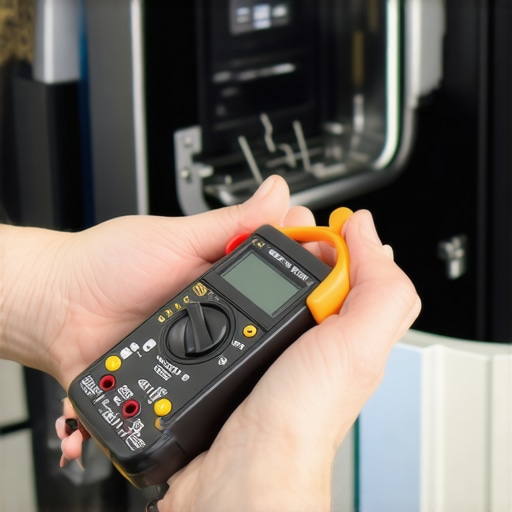
Illustration of a multimeter testing a dishwasher’s door latch switch, highlighting essential safety and diagnostic steps.
,
Many homeowners operate under misconceptions that can lead to costly mistakes, especially when it comes to appliance repair and managing warranties. One prevalent myth is that all repairs automatically void a warranty, but modern manufacturers often have strict rules about what constitutes proper or improper repairs. Understanding these nuances can make the difference between safeguarding your warranty and unintentionally voiding it. For instance, proper diagnostics are crucial not just for repairs but also for preserving your warranty coverage, yet many overlook this step, risking claim denial.
Misconception about DIY Repairs is widespread. People often think that any repair they can do themselves won’t impact their warranty, but DIY replacements or temporary fixes can sometimes void coverage if not done following manufacturer guidelines. For example, replacing a dishwasher pump without verifying the model-specific requirements might look harmless but can be grounds for warranty denial. Therefore, understanding the diagnostics process is essential to differentiate between minor fixes and major interventions that could impact warranties.
Are All Diagnostics Created Equal — And Do They Protect Your Warranty?
Here’s a critical point often missed: not all diagnostics are equally effective at protecting your warranty. Quick visual inspections or unreliable tests might miss underlying issues, leading you to overlook problems that could escalate. Certified diagnostics and professional assessments can identify hidden faults—like subtle control board failures or thermal fuse issues—that might not be evident during a simple checklist. As found in expert studies, comprehensive diagnostics significantly improve the success rate of warranty claims, especially when dealing with complex appliances such as dishwashers with Smarttech features. Effective diagnostics are both a shield and a guide in navigating warranty protections.
Another hidden nuance involves the small common mistakes that people repeatedly make, like neglecting to check for error codes or ignoring unusual noises. These overlooked clues can be vital for accurate diagnostics. Spotting these signs early can save you from larger repairs or warranty claim rejections down the line.
In my experience, understanding this intricate dance between diagnostics, repair, and warranty policies requires more than just basic knowledge. It’s about recognizing the subtleties and avoiding the traps that many fall into—like attempting complex repairs without proper tools or expertise, which can be considered misuse. Protect your investment by familiarizing yourself with manufacturer policies and using expert resources.
Have you ever fallen into this trap? Let me know in the comments.
How Do I Keep My Dishwasher Running Smoothly Over Time?
Maintaining your dishwasher effectively requires more than just running cycles; it’s about implementing a strategic approach with the right tools and practices. Personally, I rely on a few specific instruments that help me diagnose issues early and extend the appliance’s lifespan. An essential piece in my toolkit is a качественный мультиметр (quality multimeter), which I use to test components like the thermal fuse and control board connections. Why? Because accurate diagnostics prevent unnecessary replacements and protect your warranty, aligning with insights from this guide on diagnostics and warranty preservation.
In addition, I recommend investing in a flexible inspection camera. Compact and easy to maneuver, it allows visual checks of internal parts—like the spray arms or filters—without disassembling large sections of the appliance. Using a camera is especially helpful for spotting hairpins, debris, or mineral buildup hidden in tight spaces, which can cause long-term damage if ignored.
Tools alone aren’t enough; establishing a routine maintenance schedule is vital. I try to inspect and clean the filters and spray arms every three months, which has significantly reduced breakdowns and improved cleaning performance. For detailed cleaning methods, refer to this article on cleaning door seals and filters.
Another critical aspect is monitoring error codes and cycle behaviors. Modern dishwashers increasingly include diagnostic features accessible via smartphone apps or onboard displays—knowing how to interpret these signs can give you a head start on repairs. Moreover, embracing smart diagnostics aligns with predictive maintenance trends, ensuring issues are caught before they escalate.
Going further, I suggest setting up a dedicated workspace for repairs equipped with a toolbox containing screwdrivers, pliers, and specialty parts. Keeping these organized saves time during troubleshooting and prevents damage from improper tools. For advanced repair techniques, such as replacing a control board or thermal fuse, tutorials from this site on diagnosing pump failures can be invaluable.
Looking ahead, I believe that as appliance technology advances, smart diagnostic tools integrated with mobile apps will become standard, offering real-time alerts and step-by-step troubleshooting guidance. This will democratize maintenance, allowing homeowners to keep appliances functioning longer without relying solely on professional technicians.
Start by trying out a simple, yet powerful tip: use a multimeter to check your dishwasher’s thermal fuse. It’s a quick, non-invasive test that can save you from costly repairs down the line. With regular diagnostics and proactive maintenance, you’ll keep your dishwasher running smoothly for years to come.
Can I Maintain My Dishwasher Regularly Without Specialized Skills?
Absolutely. Basic checks like cleaning filters, inspecting spray arms, and monitoring for error codes can be done with minimal expertise. However, for more complex issues—such as control board replacements or wiring repairs—consulting detailed guides or trusted professionals is advisable. Moreover, proper documentation of repairs can help preserve your warranty, as discussed in this article on repair documentation.
Remember, staying informed about your appliance’s health and using the right diagnostic tools is your best strategy for long-term success. Next time your dishwasher acts up, try testing the thermal fuse with a multimeter—you might save a trip from the repair tech and extend your warranty’s benefits.
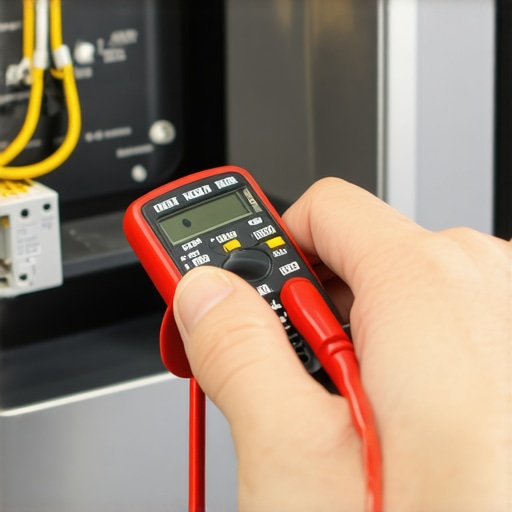
What I Wish Someone Told Me About Mastering Dishwasher Diagnostics
The biggest surprise in my repair journey was realizing that most problems are simpler than they seem—if you know where to look. Often, I found that a faulty door latch or a tripped circuit breaker was the culprit, not expensive control boards or wiring harnesses. The lightbulb moment came when I stopped rushing and started diagnosing systematically, using the right tools and references. This taught me that patience and knowledge are your best allies, especially when it comes to preserving your warranty and avoiding unnecessary costs.
My Tools of Choice for Troubleshooting Dishwasher Woes
Over the years, I’ve collected a few trusted resources that have transformed how I maintain my dishwasher. A high-quality multimeter, for instance, not only helps me test electrical components but also gives peace of mind that I’m not guessing when diagnosing issues. Pairing it with a compact inspection camera allows me to peek inside without disassembly, saving time and preventing damage. Additionally, trusted guides like this DIY pump test or expert repair tips keep me ahead of failures and help me maintain my warranty coverage effectively.
Carpe Diem — Protect Your Investment and Keep Your Kitchen Running
Don’t wait for your dishwasher to completely break down before taking action. Regular inspection, diagnostics, and understanding your appliance’s signals can extend its lifespan and safeguard your warranty. Remember, mastering basic troubleshooting skills isn’t just a DIY fad—it’s your personal shield against costly repairs and service plan pitfalls. Start small: check error codes, test electrical connections, and keep a log of issues. Each proactive step brings you closer to a leak-free, quiet, and efficient dishwasher that serves your home reliably for years to come. So, what’s the first diagnostic you’re going to try today? Let me know below and share your experiences with fellow homeowners!