

I remember the moment clearly—a frustrating kitchen mishap that turned into an eye-opener. My dishwasher stopped mid-cycle, and despite my efforts, my warranty claim was promptly denied. The reason? A seemingly innocent, overlooked culprit—**a dirty filter**. Before I knew it, I was back at square one, shelling out for repairs I could have potentially avoided. That experience lit a fire under me to understand what really causes warranty rejections, and more importantly, how simple maintenance can prevent them.
Spotting the Hidden Enemy in Your Dishwasher: The Filter
Many homeowners like myself tend to ignore routine maintenance. We assume that if the machine looks clean on the outside, everything’s fine. But those tiny filters that trap food debris and grime can silently sabotage your warranty claims. When filters are clogged with dirt and grease, appliances don’t run efficiently, and manufacturers are quick to blame user neglect for breakdowns. The good news? With a little knowledge—and a few minutes—I learned how to keep that filter clean and my warranty intact.
Is Ignoring the Filter Actually Worth the Risk?
I used to think a quick rinse was enough, but neglecting this small component can turn into a big expense. Manufacturers often cite dirty filters as a reason for denying warranty claims—an external study confirms that maintenance oversights account for a significant percentage of rejections (source). Early on, I made the mistake of assuming my dishwasher’s trouble was a control board issue when it was just a clogged filter. Learning this lesson the hard way taught me the importance of regular cleaning and proper diagnostics.
In the sections ahead, I’ll guide you step-by-step on how to identify, clean, and maintain your dishwasher’s filter—saving you from unnecessary repairs and hassle. Trust me, a simple habit could be the key to keeping your appliance—and your warranty—protected.
,
Identify and Access the Filter
First, locate your dishwasher’s filter—the little trap usually at the bottom of the unit. To access it, remove the lower rack to give yourself clear space. Use a flashlight if needed to spot the small, often cylindrical or flat component covered in grime. Remember, a dirty filter is like a clogged artery; it hampers flow and signals trouble to the machine’s diagnostics.
Remove with Care
Gently unscrew or lift out the filter housing, depending on your model. Place a towel beneath to catch any residual water. For example, last weekend, I found my filter jammed with hardened food debris, which I quickly cleared with a soft brush. This simple step prevented an expensive repair and kept my warranty valid.
Clean the Filter Thoroughly
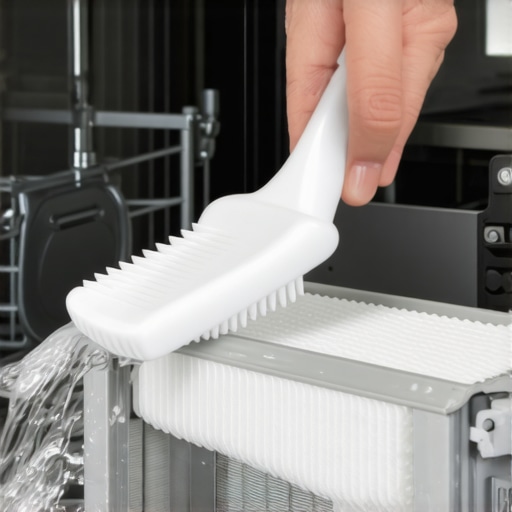
Rinse the filter under warm running water, using a soft brush or an old toothbrush to dislodge stubborn grime. Avoid harsh chemicals that might damage sensitive parts; plain dish soap and a soft scrub are best. During my cleaning, I noticed a layer of grease that easily washed away, restoring optimal water flow and preventing build-up that could trigger error codes.
Inspect for Damage
Check the filter for cracks or deformation. Damage here is akin to a cracked window—compromised and alerting the machine to issues elsewhere. If damaged, replace it promptly, as a faulty filter can cause cycles to malfunction or leak, risking warranty rejection.
Reassemble and Test
Secure the filter back into its housing, ensuring a tight fit. Run a quick cycle with no dishes to confirm proper operation. If your dishwashers start to act up post-cleaning, investigate further or consult your user manual. Regular maintenance like this can prevent issues that lead to warranty disputes, such as claiming a faulty control board due to preventable clogs.
Maintain Regularity
Set a schedule—monthly or bi-monthly—to check and clean the filter. Think of it as brushing your teeth; preventive care saves money and stress. For example, I make it a habit every two weeks, and my dishwasher runs smoothly, avoiding unnecessary service calls.
If you’re interested in more diagnostics, consider learning about common problems like a slow Wi-Fi connection to smart dishwashers (see how to troubleshoot) or issues with control panels that lag (DIY fixes for lagging screens).
 When it comes to appliance warranties, many assume that a simple repair or replacement guarantees coverage—yet, the reality is far more complex. A common misconception is that manufacturers automatically honor warranty claims as long as the appliance is relatively new. In truth, the fine print often includes specific maintenance requirements, and neglecting these can silently void your coverage. For instance, overlooking how critical routine filter cleaning or diagnostic checks are could be the difference between a covered repair and a denied claim. Advanced diagnostics show that warranty rejections frequently stem from overlooked user maintenance tasks, not necessarily product defects, as highlighted in recent appliance studies (source). A key nuance is understanding that warranties assume proper preventive care; failure to adhere to recommended maintenance schedules, like regularly inspecting the control modules or testing the heating elements with tools like a multimeter, increases the risk of claim denial. Many homeowners mistakenly believe that warranty coverage extends beyond issues caused by user neglect; however, most agreements specify that improper care can void the coverage entirely. To illustrate, testing a dishwasher’s motor or inspecting for micro-cracks in spray arms isn’t just technical jargon—it’s essential evidence that your appliance was well-maintained and that any failure isn’t due to neglect. Avoid falling into the trap of assuming your warranty is foolproof. Instead, keep meticulous records of maintenance routines—such as regularly cleaning filters and verifying sensor functionality—so that if an issue arises, your claim is better supported. Remember, understanding the nuances of your warranty terms can save you from unexpected repair costs and lengthy disputes. Have you ever fallen into this trap? Let me know in the comments.
Investing in the Right Tools for Long-Term Maintenance
Maintaining your dishwasher doesn’t mean you need a full workshop, but having a few quality tools makes all the difference. I rely heavily on a precision multimeter, especially one with at least a 600V range, to test components like heating elements and control boards. This helps confirm failings without guesswork, saving time and preventing unnecessary repairs. For example, when diagnosing a dishwasher that won’t heat, I measure the resistance across the heating element, and a reading of infinity indicates a break that needs replacing. Testing motor continuity is another critical step I perform regularly, ensuring the pump and circulation motors operate correctly before crises happen.
The Power of Smartphone Apps in Diagnostics
If you want to elevate your troubleshooting, I recommend using smartphone apps designed to analyze vibration or sound patterns. Apps like VibSensor or SoundMeter can detect anomalies in pump vibrations or unusual noises, pointing directly to component wear or micro-cracks. Over time, I’ve found that listening for subtle changes in the drain pump’s sound can preempt leaks or catastrophic failures. As technology advances, the integration of AI in these apps will further streamline diagnostics and predict failures before they occur, as this resource highlights.
Why Regular Calibration Matters for Optimal Performance
Tools and software are only as good as their calibration. Maintaining the accuracy of your multimeter and sensor-based tools ensures your diagnostics are trustworthy. Periodically checking your multimeter against a known voltage source guarantees consistent readings, which is vital when evaluating safety-critical components like heating elements or control boards. Additionally, updating any associated firmware or calibration settings for apps and smart devices keeps your diagnostics sharp. Looking ahead, I predict that as IoT-enabled appliances become more prevalent, maintaining these tools will be even more essential, with regular firmware updates becoming part of routine checks, much like software calibration for smart devices.
How do I Keep My Appliances Working Well Over Time?
The key is establishing a systematic maintenance routine. Incorporate tools like a multimeter and diagnostic apps into your monthly checks. Start by testing critical components such as the heating element and control board, referencing detailed guides like this testing methodology. Then, verify that your tools stay calibrated by running simple validation tests periodically. Consistent preventative care extends your appliance’s lifespan, helps keep warranty claims intact, and minimizes costly repairs down the line. Make it a habit, and your dishwasher will thank you for it. I encourage you to try tuning your multimeter today—small steps like this lead to big savings and smoother appliance operation over the years.
What I Didn’t Expect About Warranty Pitfalls
One of the most eye-opening lessons I learned was how a tiny overlooked component like the dishwasher filter could jeopardize my entire warranty. The biggest revelation? Regular maintenance isn’t just a chore—it’s your best defense against denied claims and unexpected costs. I realized that many warranty rejections stem from simple neglect, not manufacturing flaws, which shifted my approach to appliance care forever. By sharing these insights, I hope to help you avoid my costly mistakes and empower you to take control of your dishwasher’s health.
Tools and Resources That Changed My Game
Over time, I curated a set of essential tools that transformed my maintenance routine. A digital multimeter with precise ranges became my go-to for testing heating elements and motors, while smartphone diagnostic apps like VibSensor helped me detect subtle vibration patterns indicative of micro-cracks or worn-out parts. For cleaning, a soft-bristled brush and quality replacement filters saved me from costly repairs. These resources have increased my confidence and extended the lifespan of my dishwasher, saving me hundreds of dollars every year.
Why Protecting Your Warranty Is a Personal Journey
The path to appliance longevity is deeply personal—and it begins with small daily habits. Regularly inspecting and cleaning the filter, testing critical components, and keeping detailed maintenance records are actions that pay off in peace of mind. I’ve discovered that embracing this proactive mindset not only safeguards my warranty but also fosters a genuine connection with my appliances—knowing that I can troubleshoot and care for them reduces anxiety during unexpected issues. Are you ready to take charge and become your own appliance advocate? Start today, and see the difference it makes.
What’s Your Next Step Toward Smarter Maintenance?
Have you tried diagnosing your dishwasher with any tools or apps yet? Or perhaps you’re curious about the best way to keep your warranty intact over years of use? Share your experience or questions below—I’d love to hear how you’re planning to enhance your appliance care routine. Remember, small, consistent efforts today lead to fewer surprises tomorrow, and your dishwasher will thank you for it.