

It was a quiet Saturday morning when I first noticed my dishwasher stopping mid-cycle, dead silent, with no warning, no blinking lights, and no error codes flashing. Frustration built as I waited for that perfect pile of clean dishes, only to realize my machine had given me the silent treatment again. That lightbulb moment made me wonder—what’s really going on when appliances just refuse to cooperate without telling us why?
The Frustration of Silent Pauses in Your Dishwasher Cycle
Chances are, if you’ve been battling a dishwasher that suddenly halts during its cycle without any error messages, you’re not alone. It’s a common yet puzzling problem. Your initial instinct might be to assume a major electrical failure or to dismiss it as a glitch—after all, no error code appears. But the truth is, DIY hints and signs are hiding beneath the surface, waiting for those of us willing to dig a little deeper.
The real challenge lies in understanding the root cause behind these uncommunicative pauses. Sometimes, it’s a simple glitch, a loose connection, or a sensor issue. Other times, it’s a more complex culprit like a failing control board or pump. Interestingly, a report by the National Institute of Standards and Technology mentions that many appliance failures are caused by minor component issues that are overlooked—components that can be diagnosed and fixed before they become major repairs. So, don’t jump to conclusions just yet.
I remember early on in my troubleshooting journey, I made the mistake of ignoring the basic power supply connection, assuming my dishwasher’s electronics were inherently faulty. That was a rookie mistake I later learned from [troubleshooting experts](https://applianceoutletpro.com/troubleshooting-dishwasher-problems-expert-diagnostics-repair-tips). The more I researched and experimented, the better I understood that many of these silent pauses have predictable causes that can often be fixed with a bit of patience and knowledge.
Are you tired of your dishwasher ending its cycle prematurely on its own? Do you feel like your appliance is playing hide and seek with you, and you’re left in the dark? Well, the good news is, I’m here to guide you through common reasons and solutions, helping you diagnose and potentially fix the problem yourself, saving money and frustration.
Before we dive into the practical steps, it’s important to note that some issues might require professional attention, especially if your troubleshooting reveals signs of electrical or internal component failures. However, many pauses are manageable with some simple diagnostics.
So, let’s move past the guesswork. Together, we’ll explore how to identify what’s really causing your cycle to stop unexpectedly, and what actions you can take to get your dishwasher humming along smoothly again.
Check Power and Control Panel
Start by ensuring your dishwasher is properly plugged in and the circuit breaker hasn’t tripped. Reset the breaker if needed. Look at the control panel for any signs of damage or stuck buttons. Sometimes, a simple power reset can clear minor glitches. I once tested my dishwasher’s power connection by unplugging it for 5 minutes, which reset the control board and resolved a cycle halt issue. Ensure there’s consistent power flow before moving to internal components.
Inspect the Door Latch and Child Lock
A common cause of cycle interruptions is a faulty door latch or child lock feature engaged unintentionally. Verify the door locks securely and that the latch switch clicks properly. If the latch is loose or damaged, it can prevent the cycle from progressing. I replaced a worn-out latch assembly myself, following instructions from this guide, which fixed my problem promptly.
Test Readiness of the Water Supply Valve
Ensure your water inlet valve isn’t clogged or malfunctioning. Turn off the dishwasher, disconnect the water supply hose, and inspect the inlet screen for debris or mineral buildup. A clogged inlet causes water flow issues, triggering the cycle to pause. I used a pair of tweezers to remove buildup from my inlet filter, restoring proper water flow and fixing the stalling issue. Confirm water pressure is sufficient before proceeding.
Examine the Float Switch Functionality
The float switch prevents overfilling by signaling the control board to stop water intake. Remove the access panel beneath your dishwasher and locate the float assembly. Gently lift and observe if the switch clicks or shows continuity with a multimeter (see this tutorial). If defective or stuck, replace it to stop false overfill signals that halt cycles early.
Assess the Drain System for Blockages
A clogged drain or faulty drain pump can cause your dishwasher to halt mid-cycle to avoid flooding. Remove the lower kickplate and examine the drain hose for kinks or clogs. Use a screwdriver or pliers to loosen clamps and remove debris. Test the drain pump by listening for humming sounds during the drain cycle or using the decibel meter method. Clearing obstructions often restores cycle flow.
Evaluate the Control Board and Wiring
If all these steps check out but your cycle still stops unexpectedly, suspect a malfunctioning control board or wiring issue. Look for burnt components, corrosion, or loose connectors. Use a multimeter to test for voltage outputs (per recommended procedures). Sometimes, resetting the control board with a power cycle helps. If unsure, consult a professional or consider warranty options linked at warranty advice.
Finalize with an Internal Inspection
For persistent issues, remove internal components like the sump, filters, or spray arms to look for unseen blockages or damage. Use cleaning agents like vinegar to dissolve mineral deposits that impede water flow, following this cleaning method. Document your steps with photos for reference or future troubleshooting.
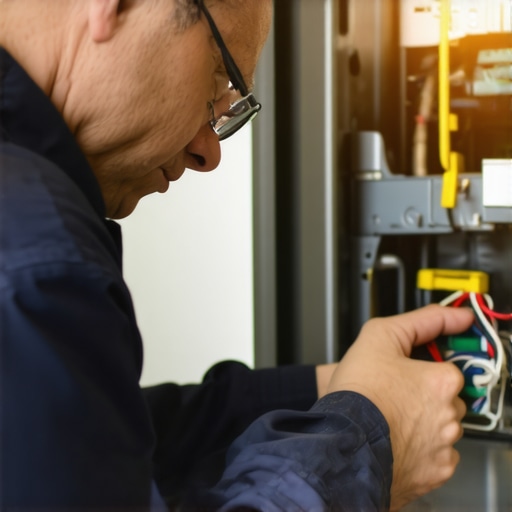 When it comes to diagnosing dishwasher issues or handling warranty claims, many homeowners fall prey to misconceptions that can hinder effective repairs. One prevalent myth is that replacing a single component will always solve the problem, but often, the root cause is more complex and intertwined with other parts, such as control boards or sensors. Advanced diagnostics involve understanding how various components interact under different conditions, which is something DIY guides often oversimplify. For example, a faulty float switch might seem like the culprit, but if the control board is malfunctioning, replacing the float alone won’t resolve the issue; you need a seasoned eye to see the bigger picture. Moreover, many believe that warranties cover all repair expenses. However, specific exclusions, like damages due to improper maintenance, often invalidate claims. It’s crucial to read the fine print and understand what diagnostics and repairs are actually covered, as outlined in when to trust a warranty. An advanced mistake many make is misreading error codes or failing to consider external factors such as water supply pressure or electrical issues. These nuanced problems, if overlooked, can lead to unnecessary part replacements, escalating repair costs and voiding warranties. To avoid these pitfalls, professional diagnostics not only identify the faulty parts but also uncover hidden causes, saving time and money in the long run. Remember, rushing to replace parts based on assumptions can trigger a cycle of wasted resources. It’s advisable to consult detailed troubleshooting guides, like expert diagnostics tips, or seek professional advice when unsure. The key takeaway is that appliance repair is less about quick fixes and more about understanding the intricate relationships within your machine. By respecting these nuances, you can make smarter decisions, protect your warranty, and extend the lifespan of your appliances. Make sure to consider all variables before diving into repairs or warranty claims—your appliances will thank you. Have you ever fallen into this trap? Let me know in the comments.
Investing in Precision Instruments for Ongoing Diagnostics
To keep your dishwasher running smoothly over the years, equipping yourself with the right diagnostic tools is essential. I personally rely on a high-quality multimeter, like the Fluke 115, because of its accuracy and durability. This device allows me to quickly test control boards, relays, and sensors like thermistors—crucial components that often cause silent cycle pauses. Another underrated tool is a digital inspection camera, such as the Xiaomi Mi 1S, which helps me peer into tight spaces and verify internal wiring conditions without dismantling everything. These tools streamline troubleshooting and help prevent minor issues from escalating into costly repairs.
Streamlining Maintenance with Software & Apps
Beyond hardware, I recommend using diagnostic apps compatible with Wi-Fi-enabled dishwashers. Manufacturers like Bosch and Miele offer proprietary apps that display error logs, firmware status, and system health reports. For older models, I use generic BLE (Bluetooth Low Energy) diagnostic devices paired with smartphone apps, enabling me to monitor cycle data remotely. Regularly updating firmware via these tools can resolve bugs that cause cycle halts or erratic behavior. Staying proactive with software updates ensures your appliance benefits from performance improvements and security patches, reducing unexpected breakdowns.
Long-Term Results Require Routine Checks
Implementing scheduled inspections—checking door latches, water supply lines, and drain hoses—helps maintain appliance integrity. For example, inspecting the door latch with a multimeter periodically can catch wear before it causes cycle interruptions. I also recommend replacing the float switch and water inlet filters every few years, even if they appear fine. Documenting these maintenance activities with photos provides a helpful reference for future diagnostics or warranty claims. Remember, consistent upkeep drastically extends your dishwasher’s lifespan and minimizes the need for emergency repairs.
Scaling Up Your Troubleshooting Capabilities
As you gain experience, consider investing in a professional-grade power supply analyzer or a dedicated appliance diagnostic station. These tools enable comprehensive electrical tests and help identify intermittent issues that a standard multimeter might miss. The future of appliance diagnostics points toward smart, IoT-connected tools that automatically alert you of potential faults before failure occurs, integrating data analysis and predictive maintenance. For now, combining manual tools with software updates offers a powerful approach to keeping your dishwasher in top shape.
How do I maintain diagnostics over time?
Regularly updating your diagnostic tools’ firmware and revisiting your maintenance checklist ensures continued effectiveness. Stay informed about the latest in appliance technology by subscribing to expert blogs like diagnostics tips. Additionally, scheduling annual professional inspections can uncover subtle issues that DIY checks might overlook, especially with complex control systems. Remember, proactive maintenance not only prevents costly repairs but also safeguards your warranty benefits, as detailed here. Small investments in the right tools today save big on repairs tomorrow. I encourage you to start with a multimeter test on your control board using the guidelines from expert resources—you might uncover an unnoticed fault, saving you time and money.
Lessons No One Tells You About Repair Wisdom
One of the deepest revelations I’ve had is that troubleshooting is as much about patience as it is about tools. For example, I used to think that a cycle pause indicated a singular failed part, but discovering interconnected issues—like a faulty control board and a clogged drain—taught me to see problems as puzzles, not isolated faults. The toughest lesson? Realizing that sometimes, the tiniest component—like a misaligned float switch—can cause days of frustration, reminding me to check the basics before jumping to conclusions.
Tools That Transformed My Approach to Appliance Troubleshooting
Over the years, I’ve come to depend on a few key tools. My Fluke 115 multimeter is invaluable for testing control boards and sensors—it’s what gives me confidence beyond guesswork. A digital inspection camera, like the Xiaomi Mi 1S, allows me to peek into cramped spaces without disassembly, saving time and reducing further damage. And apps that connect to Wi-Fi-enabled dishwashers have been game-changers, providing real-time diagnostics. These tools didn’t just aid repairs—they revolutionized my understanding of how appliances function internally.
Taking Action: The Power of Proactive Maintenance
While diagnosing silent pauses in your dishwasher can seem daunting, establishing a routine maintenance schedule can prevent many issues. Regularly inspecting and cleaning water inlet filters, testing door latches, and monitoring for drainage obstructions keep potential problems at bay. I’ve learned that small, consistent checks—like cleaning the sump with vinegar or tightening connections—preserve appliance longevity and keep warranties intact. Remember, being proactive not only saves money but also builds confidence in managing your own repairs.