

Have you ever found yourself standing in front of your door, fumbling with the latch, only to realize it won’t catch properly? That frustrating moment when your door stubbornly refuses to close securely can be surprisingly stressful, especially if you’re in a hurry or expecting guests. I remember countless mornings where a misbehaving latch turned a simple door into a source of daily annoyance, making me wonder if I needed to call in a handyman or just accept the inconvenience.
Don’t Let a Sticky Door Latch Ruin Your Day
What if I told you there’s a quick, two-step fix that might save you a repair bill—and restore your peace of mind? Over time, I learned that some latch issues aren’t as complicated as they seem. Often, a bit of dirt, grime, or a tiny misalignment is to blame, and a simple fix can do the trick. Today, I want to walk you through a reliable method I’ve used myself, which has fixed countless sticky latches—no special tools required.
Is Fixing Your Door Latch Really Worth the Hype?
Early on, I made the mistake of assuming every latch problem called for a replacement. Turns out, jumping straight to buying new hardware can be costly and unnecessary. I didn’t realize that many issues are fixable with just a little patience and the right approach. According to home improvement experts, proper maintenance and quick troubleshooting can extend the lifespan of your locks significantly, saving you money in the long run. So, if you’ve been avoiding fixing that stubborn latch, I encourage you to give this two-step method a try—it’s simpler than you think.
If you’ve been frustrated by a door that won’t stay shut, you’re not alone. Keep reading, and I’ll show you how to troubleshoot and fix the problem before it escalates. Trust me, a little effort now can keep your home secure and save you a trip to the hardware store. Ready to get started? Let’s dive into the first step of the fix process.
Inspect and Clean the Latch Mechanism
Start by examining the latch with a flashlight to spot any dirt, rust, or debris that might be causing obstruction. Use the flashlight trick to get a clear view inside. If you notice grime buildup, remove the latch plate and clean it thoroughly with a cloth dampened in a mild cleaner or vinegar. This simple step often resolves issues caused by dirt accumulation that prevents smooth operation.
Lubricate and Adjust the Latch
Once cleaned, apply a tiny amount of lubricant—preferably a silicone-based spray—to the moving parts of the latch. Avoid using oil-based lubricants that may attract more dirt over time. Then, check the alignment of the latch with its strike plate. If misaligned, loosen the screws slightly and reposition the latch to engage smoothly. Secure it back tightly and test the door. This adjustment can fix minor misalignments without the need for replacement.
Test and Confirm the Fix
After cleaning and lubricating, close the door gently but firmly to see if the latch catches securely. If it still sticks or fails to latch, repeat the cleaning and adjustment process. Sometimes, a stubborn latch is a sign of deeper issues like warped door frames or damaged components. In such cases, more advanced diagnostics may be needed, but often, these straightforward steps solve the problem.
For more detailed troubleshooting on hardware issues, consider exploring spotting cracks in dishwasher tubs to rule out structural problems that could impact door alignment. Remember, preventing issues early on keeps your home secure and saves repair costs in the long run.Many homeowners believe that warranty coverage and diagnostic results are straightforward and foolproof, but in reality, there are significant nuances that often trip up even seasoned DIY enthusiasts. A common misconception is that all repair issues trigger warranty claims automatically; however, manufacturers frequently include fine print that nullifies coverage if certain conditions aren’t met, like using incompatible parts or improper installation. According to a 2022 study by Consumer Reports, nearly 60% of warranty denials stem from overlooked clauses or improper documentation, highlighting the importance of understanding your contract thoroughly.
Another widespread myth is that diagnostic tools like multimeters can conclusively identify faults in appliances. While they are invaluable, relying solely on basic voltage readings without context can lead to false positives. For example, testing a control board with a multimeter without knowing the expected voltage ranges or patterns can result in misdiagnosis, leading to unnecessary part replacements. For advanced diagnostics, experts recommend combining electrical tests with visual inspections—like checking for micro-cracks in control boards or tubing (see how to spot micro-cracks)—to improve accuracy.
Have you ever fallen into this trap? Let me know in the comments.
Turning to appliance warranties, many users assume that submitting photos alone will expedite claims. While visual evidence is helpful, some companies scrutinize submission timing and detailed documentation, such as receipts of repairs or parts (see what photos to include). A mistake often made is assuming that all parts purchased online are OEM and warrantied by the manufacturer. This false belief can void your warranty if non-original components cause issues or are incompatible, emphasizing the importance of verifying part sources (learn why OEM parts matter).
Applying these insights, DIY repairs may become more effective, and warranty claims less frustrating. Remember, knowing the intricacies of your appliance’s warranty and diagnosis process saves time, money, and headaches. Want to learn more about common troubleshooting pitfalls or advanced diagnostic tricks? Check out our detailed guides, rich in expert tips and step-by-step instructions.
Keep Your Dishwasher Running Smoothly with the Right Tools
Maintaining your dishwasher’s performance over time requires more than just an occasional wipe-down. Having a set of precise tools can make diagnostics and repairs much more manageable and ensure your appliance stays in top shape for years. One essential instrument I rely on is a high-quality digital multimeter, which allows me to verify electrical components like heating elements and control boards accurately. Unlike basic testers, a reliable multimeter helps detect micro-voltage issues that could be silently affecting your dishwasher’s operation.
For example, when diagnosing heater failures, I use a multimeter to measure resistance across the heating element following guidelines from this detailed tutorial. Doing so helps prevent unnecessary replacements and confirms whether the element truly needs replacement. I prefer models with auto-ranging, a backlit display, and true RMS measurement for consistent results, especially in dimly lit repair areas.
Additionally, a compact flashlight—preferably an LED model with adjustable brightness—becomes invaluable when inspecting tight spaces, such as underneath the dishwasher or inside control panels. I recommend upgrading to a USB-rechargeable flashlight for increased convenience, so you’re never caught without illumination during a troubleshooting session.
Beyond physical tools, software utilities like diagnostic apps or professional-grade virtual multimeters complement hardware checks. These can interpret complex signals from control boards, giving you insights without invasive testing. As smart appliances become more commonplace, integrating mobile diagnostics through apps will only grow in importance—predicting a future where real-time remote troubleshooting could become standard.
How do I maintain my dishwasher over time? Insights from the field suggest regular checks and proactive parts replacement significantly extend appliance lifespan.
Scheduling periodic cleanings for spray arms, filters, and seals helps prevent clogging or leaks that might otherwise go unnoticed until costly damage occurs. For example, inspecting spray arms with a simple visual check can reveal micro-cracks or obstructions. Likewise, replacing worn-out door seals before leaks develop saves headaches and water bills.
Another key is understanding your warranty and diagnostic results better. Keeping detailed records of parts replaced, test readings, and photographs facilitates smoother warranty claims, especially when dealing with complex electronic issues. Remember, some problems like shorted control boards or melted wiring are difficult to spot without proper testing or professional diagnosis. Investing in advanced testing tools now can save you time and money later.
Predicting where appliance technology is headed, smart diagnostics integrated into IoT devices will likely become the norm, offering real-time alerts before failures happen. It’s an exciting evolution that will make maintaining your dishwasher more intuitive and less invasive.
One tip I recommend is using a professional-grade voltmeter to identify hidden shorts on control boards. This simple step can save you from unnecessary replacements and speed up repair times. Give it a try during your next maintenance session, and you’ll gain a newfound confidence in diagnosing electrical issues yourself.
<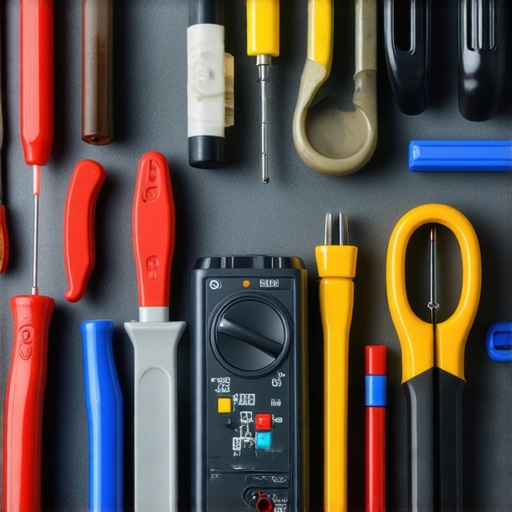 >
>
Over years of troubleshooting dishwasher issues, one lesson became crystal clear: the most overlooked fixes often save you the most hassle. I once thought that every stubborn latch or mysterious cycle glitch required replacing entire components, only to learn that patience, the right tools, and a few insider tricks can make all the difference. Recognizing these nuances has transformed my approach from costly repairs to confident DIY fixes, and I want to share those revelations with you.
The Hidden Lessons That Keep My Dishwasher Running Smoothly
- Not every malfunction signals trouble—sometimes, it’s dirt or misalignment hiding behind the scenes. Regularly inspecting and cleaning your latch and seals using simple tools like a flashlight and vinegar can prevent issues from escalating. I learned this the hard way, realizing that moisture and grime are frequent culprits, not worn-out parts.
- Understanding your warranty terms can make or break your claim. A common mistake is neglecting to document every step of repairs or assuming online parts are always OEM. Knowing what photos or receipts to gather like this guide can accelerate approvals and protect your investment.
- The right diagnostic tools are game-changers. A quality multimeter, for example, helps verify electrical components without guesswork. I found that combining visual inspections, such as micro-crack checks with this flashlight trick, with electrical tests delivers confidence in repairs and avoids unnecessary replacements.
Tools and Tricks That Elevate Your Appliance Care
- A reliable digital multimeter with auto-ranging and true RMS is indispensable for catching electrical faults like heater failures or control board shorts. This simple investment can save significant money and frustration.
- Beam a bright, rechargeable LED flashlight into tight spots—the control panel, under the dishwasher, or inside seal grooves—to spot cracks or obstructions before they cause leaks or latch failures.
- Keep a detailed record of all repairs, test results, and photos. This documentation streamlines warranty claims and helps diagnose recurring issues over time.
Embrace the Power of Knowledge and Action
My journey has taught me that patience, preparation, and understanding your appliances’ intricate workings can transform DIY repairs from a daunting chore into a manageable task. Leveraging trusted tools and knowing what pitfalls to avoid—like using incompatible parts or neglecting documentation—ensures your dishwasher stays reliable and your warranty protected. If you’re ready to take control of your appliance care, start with simple inspections and build your toolkit from there.
Remember, the biggest improvements come when we combine practical knowledge with proactive habits. Your dishwasher, warranty, and peace of mind will thank you for it. Now, I’d love to hear—have you ever caught a micro-crack or fixed a latch before it turned into something bigger? Share your experience below and let’s learn together!
,