

Ever been in the middle of a dishwasher repair, only to realize you’re not quite sure if the heating element has truly given up? I’ve been there—scratching my head, guessing, and wasting both time and money on parts that didn’t need replacing. That lightbulb moment hit me when I finally learned how to properly test the heating element using a multimeter, saving me from unnecessary replacements and ensuring I fixed the real issue. If you’ve ever faced the frustration of troubleshooting a dishwasher or oven heater, you’re in the right place.
Why Proving Your Heating Element Is Dead Matters More Than You Think
In my experience, guessing has cost me more than a few bucks. Replacing a heating element without confirming it’s actually dead can lead to a cycle of waste—buying parts, installing, only to find out the problem was somewhere else. Plus, with complicated appliances, jumping to conclusions can even void your warranty if you aren’t careful. That’s why knowing how to use a multimeter for this specific test is a game-changer. It’s like having a reliable neighbor who always tells you the truth about what’s wrong, instead of selling you parts you don’t need.
According to appliance repair experts, testing your heating element with a multimeter is the most reliable way to determine its condition without guesswork. It’s a simple, inexpensive step that saves headaches and cash. And if you’re new to multimeters, don’t worry—I’ll walk you through it step-by-step, so you can do it confidently, like the seasoned pro I aim to be.
Have You Faced This Struggle?
Are you tired of throwing parts at your appliance only to find nothing’s actually broken? Let’s change that. Together, we’ll uncover how to properly test your heating element, so you don’t waste another dime or mistake. Ready to become a troubleshooting hero?
First, a quick confession—early in my repairs, I mistakenly assumed all heating elements were meant to be perfect conductors. I learned the hard way that a simple multimeter test reveals when an element has lost its conductivity, preventing costly errors. Trust me, mastering this small skill will transform your DIY approach and boost your confidence when tackling appliance issues. For more tips on troubleshooting dishwasher problems, check out this guide on diagnosing dishwasher wash arms and other common issues.
Prepare Your Tools and Environment
Start by gathering a reliable multimeter capable of measuring resistance (ohms). Turn off the dishwasher and unplug it from the power source to ensure safety. Remove the access panel to locate the heating element, usually at the bottom of the tub. Take a moment to familiarize yourself with the wiring setup—this prevents confusion during testing and helps avoid accidental damage.
Disconnect and Access the Heating Element
Carefully disconnect the wires attached to the heating element terminals. Remember which wire goes where or label them for reinstallation. Wearing insulated gloves is recommended for safety. Once disconnected, remove any mounting brackets if necessary. This step is crucial because testing with the wires connected can yield inaccurate results or cause equipment damage.
Check for Visible Damage
Visually inspect the heating element for obvious signs of failure such as cracks, corrosion, or burns. If you notice any damage, it’s a strong indicator that replacement is necessary. However, a visual assessment alone isn’t enough—testing with a multimeter confirms the element’s conductivity status, preventing unnecessary replacements.
Test the Resistance of the Heating Element
Set your multimeter to the lowest resistance (ohms) setting. Place the probes on the two terminals of the heating element—one probe on each terminal. Observe the reading: a healthy element typically shows a resistance value between 10 and 30 ohms, depending on the model. If you see a reading of zero (short circuit) or infinite resistance (open circuit), the element has failed.
Interpreting the Results
If the multimeter shows an open circuit (infinite resistance), the heating element is broken and must be replaced. A very low resistance or a short indicates internal damage. Remember, replacing a good element is unnecessary and can void warranties, so verify the readings carefully.
Double-Check Your Findings
Reconnect the wires temporarily and power on the dishwasher to see if the problem persists. Alternatively, consult your appliance’s wiring diagram to confirm the correct testing points. If you’re unsure, check resources like this guide on troubleshooting dishwasher float switches to explore additional diagnostic steps.
Document and Proceed
Record your resistance measurements and any visual signs. This documentation can assist if you need to claim warranty, consult a technician, or order a replacement part. Remember, confirming the failure before buying a new part is the best way to avoid unnecessary expenses and keep your appliance warranty intact.
During my own repair last month, I followed these steps meticulously. I found my heating element’s resistance was infinite, indicating a break inside. Replacing it fixed my dishwasher’s heating issues instantly, saving me a trip to the repair shop and preserving my warranty status. This precise testing method is a game-changer for DIY repairs.
Get the Most Out of Your Diagnostic Effort
Using a multimeter effectively not only saves money but also Prevents unnecessary warranty complications. Always confirm your results—if uncertain, consult online resources or professional advice. Mastering this simple step turns a frustrating puzzle into a straightforward fix, giving you control over your appliance health and longevity.
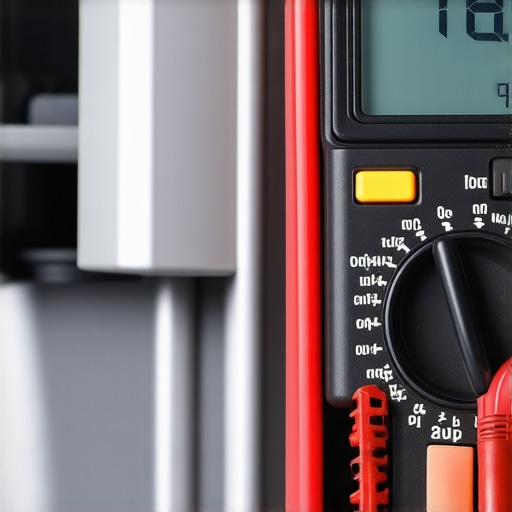 Many homeowners operate under misguided beliefs about appliance diagnostics, especially regarding warranties and repair processes. A common misconception is that simply replacing a part, like a heating element, will automatically fix the problem, overlooking the importance of thorough testing and proper diagnosis. In reality, jumping straight to part replacement can lead to unnecessary expenses and potential warranty voids if the repair isn’t conducted correctly. For instance, some assume that as long as they replace the suspected faulty component, they’re covered, but warranties often require proof of proper diagnostics and use of OEM parts, as highlighted in expert guidelines.
One of the most overlooked nuances is the danger of relying solely on visual inspections. While cracks or corrosion are obvious signs of failure, they aren’t definitive proof of a component’s condition. Advanced testing, such as resistance measurements with a multimeter, reveals internal faults that aren’t visible to the naked eye. Skipping these steps increases the risk of misdiagnosis, leading to wasted money and warranty issues.
A particularly tricky trap is the assumption that performing a basic resistance test is sufficient for diagnosis. But, as studies suggest, certain faults like partial resistance drops or intermittent issues require more sophisticated methods, including thermal imaging or signal analysis, which many DIYers aren’t aware of. According to appliance repair professionals, neglecting these advanced diagnostic techniques often results in recurring failures and warranty rejections.
Are your diagnostic efforts truly comprehensive? Or are you missing hidden faults that cause stubborn issues? To improve your accuracy, consider tools like thermal cameras, which can detect uneven heat distribution indicative of internal faults—a method that surpasses traditional resistance testing. Learn more about such advanced diagnostics in our detailed guide on why your thermal camera might be more effective than a plumber for leak detection: here.
Another pitfall to avoid is rushing through the warranty process without understanding its nuanced clauses. Many homeowners unknowingly forfeit coverage by neglecting to document their diagnostic steps or failing to use OEM serial numbers, which are often critical. Consult resources like this article for tips on optimizing your warranty claims.
Remember, effective diagnostics are more than just testing—it’s about understanding the complexities and subtle faults that more superficial checks can’t reveal. Mastering this can save you money, prevent voiding your warranty, and ensure the right repairs are made. Have you ever fallen into this trap? Let me know in the comments.
Investing in Reliable Diagnostic Equipment
Maintaining your appliances over time requires more than just basic repair skills; it demands the right tools. Personally, I rely heavily on a quality digital multimeter set to measure resistance accurately. My go-to model is the Fluke 115 because of its precision and durability, especially when testing components like heating elements or control boards. I also keep a non-contact voltage tester handy to verify power presence before handling any electrical parts, ensuring safety and preventing damage. Modern diagnostics are trending toward integrating smartphone-based tools, such as Bluetooth-enabled probes, which allow me to perform quick, on-the-spot tests of sensors, switches, and even wiring continuity, with results displayed directly on my device. This combination of traditional and smart tools makes long-term appliance maintenance both efficient and precise.
For example, using a Bluetooth diagnostic tool has revolutionized how I identify faults without invasive disassembly. These tools can detect issues like heating element failures or logic board shorts within minutes, saving time and reducing unnecessary part replacements.
Consistency is Key for Effective Maintenance
Regularly scheduled inspections and testing can prevent major breakdowns. I recommend setting a routine to check critical components, especially in appliances exposed to frequent use. For instance, periodic resistance testing of heating elements or checking for corrosion signs can alert you to potential issues before they escalate. To streamline this, I use a dedicated maintenance log, noting resistance readings and visual conditions over time. This historical data helps me identify trends—like gradual increases in resistance—that indicate aging parts that need replacement. As appliances evolve, integrating digital record-keeping becomes increasingly valuable, especially when warranty or professional service is involved.
Tools That Future-Proof Your Repairs
Looking ahead, the integration of AI-driven diagnostics and portable testing devices will further simplify maintenance. Imagine sensors that alert you remotely about internal faults or temperature irregularities. Currently, I predict that smart diagnostic platforms embedded directly into appliances will allow real-time monitoring and automatic alerts, reducing the need for manual testing. Meanwhile, upgrading your toolkit with adaptable, high-precision meters and sensor testers is a wise move—these will keep you ahead in troubleshooting even as appliance technology becomes more complex.
How do I keep my appliances in top shape over time?
To ensure long-term performance, cleaning and calibration are essential. For example, regularly cleaning the temperature sensors in dishwashers prevents false readings that could cause inefficient operation. Additionally, verifying that control boards and wiring connections remain secure requires minimal but regular inspections. Be sure to use manufacturer-recommended cleaning agents and calibration procedures when applicable, which preserves warranty coverage and maintains appliance efficiency. Investing in tools like thermal cameras can help detect uneven heating or insulation issues early; see why thermal cameras excel in leak detection and other diagnostics.
Remember, consistent maintenance using the right tools extends the lifespan of your appliances, saving you money and hassle. Don’t forget to document your tests and maintenance activities—this record can be invaluable if warranty claims or professional repairs become necessary. Try integrating a Bluetooth sensor tester into your routine; I’ve found it to be incredibly effective for catching faults early and avoiding costly repairs down the line.
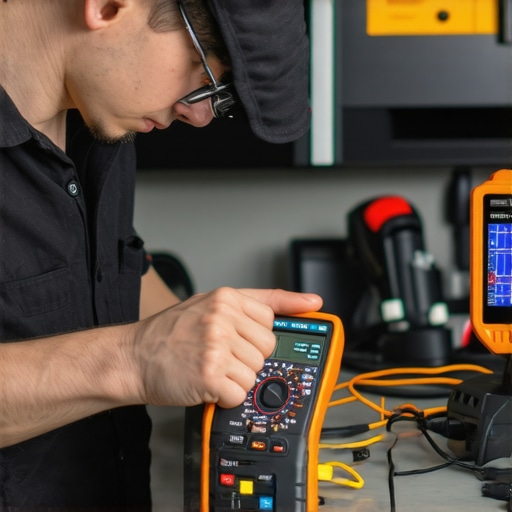
Image Description: Close-up of a technician using a Bluetooth-enabled multimeter and thermal camera to diagnose dishwasher issues.
Alt Text: Technician inspecting appliances with advanced diagnostic tools for maintenance and repair.
What I Wish I Knew When Diagnosing My Dishwasher The Hard Way
- Never assume a heating element is definitely dead without proper testing; I learned this the hard way when I replaced one only to discover later it was still functional, costing me time and money.
- Using a multimeter to verify resistance gave me clarity, preventing unnecessary part replacements and preserving my warranty coverage.
- Visual inspections are helpful but can be misleading—internal faults often hide beyond the naked eye, emphasizing the importance of proper diagnostic tools.
- Advanced diagnostics like thermal imaging or Bluetooth-enabled sensors can reveal hidden faults, ultimately saving frustration and expenses.
- Document every test and visual sign; this record is invaluable if you need to claim warranty or consult professionals.
Tools and Resources That Elevated My Repairs
- Fluke 115 Multimeter: Reliable and precise, it became my go-to for resistance and continuity tests, ensuring accurate readings every time.
- Bluetooth diagnostic tools: These smart gadgets transformed my troubleshooting sessions, quickly pinpointing faults without invasive disassembly.
- Thermal Cameras: Detecting uneven heat distribution prevented costly repairs down the line by catching issues early.
- Guides on leak detection: Learning to interpret thermal images optimized my diagnostic accuracy.
Keep Your Appliances in Top Shape Without the Guesswork
Taking control over dishwasher diagnostics isn’t just about avoiding unnecessary expenses; it’s about empowering yourself with knowledge that’s hard to find in generic advice. By honing your diagnostic skills and investing in the right tools, you can extend your appliance’s lifespan, protect your warranty, and avoid the pitfalls of misdiagnosis. Remember, every test you perform and document you keep makes you more confident—and more prepared—to handle any appliance hiccup. So go ahead, get your tools ready, and embrace becoming your own repair hero. Have you ever struggled with diagnosing your dishwasher? Share your experience below and let’s grow together in smarter repairs.