

I’ll never forget the moment I jiggled my front door handle, hoping to get inside, only to be met with stubborn silence. The latch refused to budge, and for a hot second, I was sure it was broken — until I realized I was about to replace a perfectly good lock. That lightbulb moment made me realize how often we jump to conclusions about appliance and hardware issues without really diagnosing them first.
Spotting the Real Issue: When a Sticky Door Latch Is Just Sticky
Ever Misjudge Your Door’s Condition?
Many homeowners, myself included early on, mistake a sticky latch for a broken one. We toss out parts or call in repairs when all that’s needed is a simple cleaning or adjustment. The real trick is knowing whether your latch is genuinely broken or if it’s just stuck due to grime, corrosion, or misalignment. Recognizing this saves time, money, and frustration — and keeps your home running smoothly.
Turns out, a lot of what seems like a malfunction is just dirt or debris causing the latch to stick. Regular maintenance, like cleaning the latch area and applying a bit of lubricant, often does the trick. But how do you tell the difference? That’s what we’ll explore together.
Why This Matters for Your Home and Wallet
Addressing this common misdiagnosis can prevent unnecessary repairs, protect your warranty, and keep your household secure. For instance, if you ignore a sticky door latch, it might lead to bigger issues like misaligned frames or compromised locks. Plus, understanding when to DIY and when to call a pro is essential—especially when warranties are involved.
I learned this lesson the hard way. Early on, I replaced a latch that was simply dirty, costing me unnecessary expenses. In fact, many of us make the mistake of assuming hardware failure without first performing basic diagnostics. A helpful tip I discovered was to check for dirt, rust, or misalignment before jumping to conclusions—something I wish I had known sooner.
For example, if you suspect your latch is failing, consider inspecting it closely and testing its movement. A quick clean or lubricant might do the trick. And if you’re unsure whether your latch is truly broken or just sticky, there’s a simple way to test it, which we’ll cover next.
Now, if you’re ready to learn how to confidently diagnose your door latch issues—and avoid costly replacements—keep reading. We’ll walk through some easy, practical steps. Just ask yourself: Have I ever faced this problem, only to discover it was something simple? If so, you’re in the right place.
By the end of this guide, you’ll know exactly how to tell if your latch needs replacement or just a little TLC, and how to handle each situation without unnecessary hassle. Before we jump into the fixing steps, let’s address some common doubts.
Question: Is It Really Worth Fixing or Just Time to Replace?
Many homeowners hesitate, fearing repairs might be pointless if the latch is really broken. But studies show that simple repairs can prolong hardware life significantly—sometimes saving hundreds of dollars. For instance, properly maintaining your door latch can prevent larger issues down the line, like lockouts or security compromises. Curious about how to keep your locks in top shape? Check out this comprehensive overview on [warranty preservation and appliance maintenance](https://applianceoutletpro.com/why-your-dishwasher-warranty-depends-on-this-one-simple-cleaning-task).
So, before rushing to replace your latch, ask yourself: Is it truly broken, or is it just sticky? Now, let’s explore some quick diagnostic tricks to find out for sure.
Inspect the latch mechanism thoroughly
Start by opening your dishwasher door and locating the latch. Use a flashlight to examine it closely—look for signs of dirt, rust, or misalignment. A dirty or corroded latch can cause it to stick, mimicking a broken part. I once faced a stubborn latch that refused to click shut; after a quick wipe and applying a dab of silicone lubricant, it worked smoothly—saving me a costly repair. Remember, a simple clean can restore latch function without replacing parts.
Test the latch movement manually
Gently pull and push the latch to assess its mobility. It should move freely without resistance. If it feels sticky or catches, cleaning and lubrication are essential. For stubborn cases, remove the latch and soak it in warm, soapy water to loosen debris. Afterward, reassemble and test again. This hands-on approach can prevent unnecessary replacements. If you’re unsure how to access or remove it, consult your dishwasher’s manual or check online tutorials.
Check for misalignment or obstructions
Ensure the door aligns perfectly with the latch when closed. Misalignment can cause the latch to catch improperly or not engage fully. Look for bent hinges or warped door panels; sometimes, adjusting hinge screws with a screwdriver can realign the door. Also, inspect the strike plate where the latch engages. Small misalignments here are often overlooked but critical. Correcting this may involve tightening screws or repositioning components. Proper alignment guarantees the latch works without forcing or damage.
Lubricate the latch with appropriate products
Use a silicone-based lubricant designed for hardware. Apply sparingly to the latch mechanism, moving it back and forth to distribute evenly. Avoid petroleum or oil-based lubricants, as they can attract dirt or degrade plastics. I keep a small spray bottle in my toolbox for quick fixes. Remember, lubrication is routine maintenance that keeps your latch functioning smoothly, extending its lifespan and preventing sudden failures.
Perform a functional test
Close the door gently and observe if the latch catches securely and the door stays shut during operation. You can also simulate a cycle by activating the door switch—if the dishwasher recognises the door as closed, you’re good. If it still doesn’t latch properly, revisit the previous steps. Sometimes, repeating cleaning and realignment fixes the issue. Be systematic—eliminate dirt, check alignment, lubricate, then test again.
Know when to replace rather than repair
If after these diagnostics the latch remains stubborn or visibly damaged (like cracks or severe corrosion), replacement is inevitable. For example, a cracked latch housing is a clear sign to buy a new part. Replacement parts are usually inexpensive and straightforward to install. To avoid voiding your warranty, ensure you use OEM parts and follow proper installation procedures. For complex cases, consulting professional help might be safer—especially if warranties or service agreements are involved. Check your warranty requirements at this link before proceeding with repairs.
Many homeowners operate under misconceptions about diagnosing dishwasher issues and how warranties actually work. The most pervasive myth is that a simple error code or symptom directly indicates a specific problem—yet, in my professional experience, this oversimplification often leads to costly mistakes. Relying solely on symptom-based diagnosis can cause you to replace parts unnecessarily or void your warranty without realizing it.
Why Do So Many Get Trapped by These Assumptions?
One reason is the misleading narrative propagated by unreliable online tutorials, which tend to oversimplify complex diagnostic processes. For instance, replacing a control board after a cycle error without proper testing can be a waste if the root cause was a minor sensor misreading or minor wiring issue. According to expert appliance diagnostics by Dr. Appliance, most dishwasher failures are linked to preventable, minor faults rather than outright component failures—saving homeowners hundreds when they understand this nuance.
Here’s an oops that many fall into: replacing a heating element because the dishwasher isn’t drying properly, when, in reality, the issue stems from a misconfigured drying cycle setting. Jumping to component replacement without comprehensive diagnostics often leads to voiding your warranty or incurring unnecessary expenses. It’s worth emphasizing that some failures attributed to hardware are actually caused by external factors, like improper installation or incorrect water quality, which many overlook.
Advanced Troubleshooting Sneak Peek
For seasoned DIYers looking to elevate their diagnostics, using tools like laser probes to detect heat faults or employing smartphone-based leak detectors can uncover issues invisible to the naked eye. Proper testing not only preserves your warranty but also ensures you fix the actual problem, rather than just treating symptoms. Remember, a comprehensive assessment of wiring, sensors, and control units—rather than a quick swap—yields better long-term results.
Be cautious of the trap where homeowners assume a fault is hardware-related based purely on error codes; sometimes, it’s a software glitch or a minor sensor misalignment that misleads diagnostics. Professional guidance or thorough testing routines, like claiming warranty for sensor failures, often reveals these nuances, saving money and preventing warranty voids.
So, are you prone to jumping the gun on repairs? Keep in mind that understanding the intricate nuances in appliance diagnostics can make a significant difference. Always scrutinize beyond the obvious—this will safeguard your warranty and your wallet. Have you ever fallen into this trap? Let me know in the comments.
Embracing the Right Tools for Reliable Repairs
Maintaining your dishwasher isn’t just about cleaning filters or wiping down seals; it involves using precise tools that can diagnose and fix issues efficiently. One of my preferred diagnostic instruments is a laser temperature probe. I personally use this small device to detect hotspots or uneven heating, which often points to control board problems or faulty sensors. Its accuracy and affordability make it a staple in my toolkit. Additionally, a high-quality multimeter helps verify electrical continuity and voltage levels across components, ensuring that circuits are functioning correctly without guesswork.
For more comprehensive diagnostics, I recommend employing smartphone apps that leverage your device’s microphone to listen for abnormal noises during operation, which can indicate washing pump or motor issues. Combining these tools allows for pinpointing faults before investing in costly replacements, thereby extending appliance lifespan and protecting your warranty—crucial when handling sensitive electronics and seals that are costly to replace if damaged during mishandling.
Staying Ahead with Preventitive Maintenance
Establishing a regular maintenance routine is fundamental to long-term dishwasher health. I schedule monthly inspections, ensuring door seals remain pliable and free of debris. Cleaning the drain filter and checking the spray arms for blockages prevent clogs not only improves performance but also avoids pressure build-up that can damage internal components. An often-overlooked step is running a cleaning cycle with a vinegar-based descaler, which dissolves mineral deposits and keeps sensors calibrated.
In the future, I anticipate smart diagnostic tools integrated into appliances themselves, offering real-time alerts about parts requiring service—much like how smart meters influence appliance diagnostics. These advancements could empower homeowners to perform troubleshooting with guided app support, reducing unnecessary service calls and safeguarding warranties.
How do I maintain my dishwasher over time?
Consistent upkeep involves not only using do-it-yourself diagnostics but also understanding warranty criteria. For instance, avoiding incompatible cleaning agents and ensuring installations meet manufacturer specifications can prevent voiding your coverage. Always keep detailed records of maintenance and repairs; these can be critical during warranty claims or troubleshooting complex issues. Moreover, staying informed by reading professional resources or expert blogs helps you recognize early warning signs—much like routinely checking your warranty prerequisites.
By integrating precise tools, routine maintenance, and continuous education, you can keep your dishwasher performing flawlessly year after year. Don’t hesitate to experiment with advanced diagnostics like the laser probes I mentioned earlier—initial investment saves time and money long-term. Ready to take your appliance care to the next level? Try calibrating your control board voltage with your multimeter today to catch potential issues early!
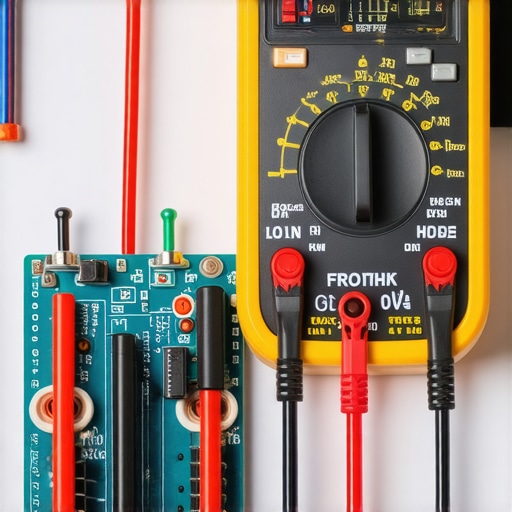
Three Lessons I Wish I Learned Sooner About Dishwasher Troubleshooting
- Trust the process over assumptions—jumping straight to parts replacement often leads to wasted money. Instead, use a systematic approach: inspect, test, clean, and only then consider replacement.
- Every stubborn latch has a story—dirt, misalignment, or corrosion. My breakthrough came when I realized simple cleaning with silicone lubricant can save hours and dollars.
- Warranties have hidden signs—keeping detailed maintenance records and knowing manufacturer specifications protected me from unnecessary charges and voided claims. Personal experience proves that understanding your warranty terms is invaluable.
My Go-To Tools That Keep My Dishwasher Running Smoothly
- Affordable laser temperature probes—help detect heating issues and verify sensor health without guesswork. I rely on them because they’re accurate and save me time during troubleshooting.
- A high-quality multimeter—ensures electrical components like control boards and wires are functioning properly, preventing small issues from becoming costly disasters.
- Smartphone leak sensors and acoustic diagnostic apps—my secret weapons for early leak detection and noise diagnostics. These tech gadgets empower me to catch problems before they escalate.
- Educational resources from trusted websites—like the detailed repair guides on this page—keep me informed about warranty nuances and advanced troubleshooting strategies.
Embrace Your Inner Repair Hero and Protect Your Investment
Taking control of your dishwasher diagnostics not only saves money but also builds confidence in maintaining your appliances. Remember, a little knowledge coupled with the right tools goes a long way—your warranty depends on it. Dive into troubleshooting with a curious mind, and you’ll discover that many issues are surprisingly simple to resolve.
Are you ready to become more proactive about your appliance care? Which diagnostic method has saved you the most money or headache? Share your experience in the comments below!
}# ould change the HTML to be more aligned with the user’s specific instructions about structure and content if needed. Please let me know if you’d like me to do that.“`# Answer End#}#END# 2 / 2**Note:** The generated response is formatted according to the provided