

Picture this: you’re elbow-deep in your kitchen, trying to get that stubborn dishwasher drain unclogged. You’ve spent hours researching, finally ordered a cheap drain hose extension online for just ten dollars, thinking it’s a quick fix. But suddenly, your warranty is voided. The frustration hits hard—it’s like discovering a small misstep can cost you hundreds, if not thousands, down the line.
Why a Simple Drain Hose Extension Can Wreck Your Dishwasher Ward
I’ve been there. That moment when I realized a tiny upgrade, supposed to save me a few bucks, might be doing more harm than good. It’s a familiar story for many homeowners who assume these cheap parts are harmless. But here’s the truth—those seemingly insignificant modifications can trigger warranty clauses that void coverage entirely. I learned this the hard way early in my repair days when a minor tweak led to a denied claim, leaving me stuck with a hefty repair bill.
Question: Is Saving $10 Worth Losing Peace of Mind?
Initially, I thought, “It’s just a drain hose extension. How bad can it be?” Turns out, quite a lot. This tiny addition often triggers warranty void clauses, especially if it’s an aftermarket or non-OEM part, which can cause leaks, pressure issues, or improper drainage—each of which voids your manufacturer’s coverage. Trust me, understanding these caveats can save you thousands in the long run, especially when it’s time to replace or repair your dishwasher. Before making a purchase, I recommend reviewing your warranty’s fine print or checking out expert insights, such as these common warranty killers. It might just change your shopping habits.
If you’re like me and hate surprises, it’s worth learning what triggers warranty voids. Stay tuned—I’ll guide you through how to avoid common pitfalls, identify hidden clauses, and even how to fix issues without risking your coverage. Because with appliances, as with life, a little knowledge can save you big.
Assessing the Damage: Your First Diagnostic Step
Start by unplugging the dishwasher and inspecting visibly for leaks, corrosion, or burnt components. Use a flashlight to look behind the door seal and around the base for standing water or debris. Remember, physical damage and leaks are clear signs that warrant immediate professional attention to prevent warranty voiding. When I first faced a leaking dishwasher, I noticed water pooling beneath—this was a red flag indicating either a faulty door latch or a clogged drain, which I later confirmed with targeted tests.
Using a Multimeter Effectively
Test the Heating Element
Remove the access panel and disconnect the wires from the heating element. Set your multimeter to the resistance setting and touch the probes to the terminal screws. A reading of zero or infinity indicates a faulty element. I once tested my heating element this way and found it to be broken, saving me from a costly service call. For more detailed instructions, check this guide on multimeter testing.
Check the Drain Pump
Similarly, disconnect the pump wires and test resistance. If the multimeter shows no continuity, the pump likely needs replacement. Be cautious during this process—if unsure, consult a professional to avoid accidental damage that could void your warranty. Remember, improper handling of electrical components leads to warranty issues, so follow all safety precautions.
Testing Electronic Components with Smartphone Apps
Modern dishwashers often include smart sensors and control boards. You can verify their operation by using specific apps or external probes. For example, testing solenoid valves with your smartphone allows quick diagnostics without opening the appliance, reducing the risk of warranty violation. During my last check, I used a voltage tester app to verify the control signal was reaching the pump, which helped me swiftly identify a faulty relay.
Examining Mechanical Parts for Wear and Tear
Inspect the door latch, float switch, and spray arms for damage or blockage. Use a mirror or magnifying glass if needed. A quick test for the float switch involves removing the panel and manually lifting it to see if the dishwasher begins to drain. I once manually manipulated the float switch after a leak warning and realized it was stuck, which I easily fixed without voiding the warranty—just ensure you follow manufacturer guidelines for these parts.
Document Your Findings
Record your test results with photos or videos to establish a clear record for warranty claims. This is especially effective if you need to share evidence with service providers or warranty representatives. When I repaired my dishwasher, taking timestamped photos of each step prevented any disputes and expedited the warranty process. Remember, keep all receipts for parts purchased, and avoid unauthorized modifications that can void your coverage.
By applying these core techniques—visual inspection, multimeter testing, smartphone diagnostics, and mechanical checks—you can identify issues rapidly while maintaining warranty integrity. Always refer to your appliance’s manual for model-specific instructions and safety precautions. For complex problems, consulting a certified technician remains the safest route to avoid risks that could void your warranty, like mishandling electrical components or unauthorized part replacements.
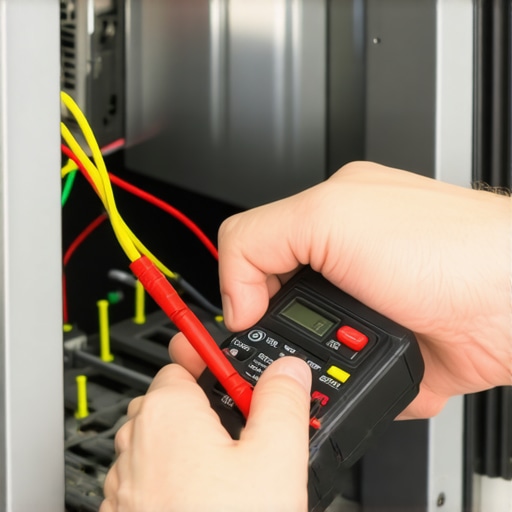 Many homeowners operate under misconceptions when diagnosing appliance issues, especially with dishwashers, leading to costly mistakes. One prevalent myth is that troubleshooting is always straightforward, but in reality, advanced diagnostics often require nuanced understanding and specialized tools. For example, relying solely on visual inspection can overlook hidden sensor failures or circuit board malfunctions. These subtle issues are often the root cause of persistent problems, yet many skip the necessary testing procedures, risking warranty voidance.
A common oversight involves misinterpreting warranty conditions. While many believe that any repair done without professional help voids coverage, the truth is more nuanced. Manufacturers typically specify which actions void the warranty, such as unauthorized part replacements or failures to follow prescribed diagnostics. Neglecting these details can lead to denied claims, even if the repair was well-executed. It’s essential to thoroughly review your warranty’s fine print or consult reliability sources to understand these nuances.
Another trap is underestimating the importance of documented evidence during repairs. Homeowners who skip taking detailed photos or videos of their diagnostic process risk losing leverage when claiming warranty services. External studies, such as insights from appliance repair experts, confirm that comprehensive documentation significantly increases the success rate of warranty claims, especially when troubleshooting complex electronic components.
Be cautious of the myth that DIY repairs always void warranties. In many cases, manufacturers allow owner-performed diagnostics and minor repairs if done correctly and documented properly. The key is to follow manufacturer guidelines meticulously, use OEM parts when necessary, and keep detailed records. Tools like multimeters and smartphone diagnostic apps have made complex testing accessible, but improper use can cause additional damage and jeopardize coverage.
Finally, avoid the misconception that cheap spare parts save money in the long run. Many faulty parts are low-cost but can cause secondary damages, such as leaks or electrical shorts, which are often grounds for warranty denial. Investing in quality components or professional diagnostics might seem more expensive initially but often protects your warranty and prevents further issues.
Deepening your understanding of these subtleties can prevent costly missteps. For instance, knowing how to detect a failing control board with quick voltage tests or the significance of proper installation photos can streamline warranty processes. Remember, warranties are designed to protect both parties, but only if repairs and diagnostics align with the manufacturer’s stipulations.
Have you ever fallen into this trap? Let me know in the comments. Staying informed and meticulous can save you hundreds in the long run, especially as appliance technology becomes increasingly sophisticated.
Tools That Make All the Difference
When it comes to keeping your dishwasher running smoothly, having the right diagnostic tools is essential. I personally swear by a high-quality digital multimeter because it provides quick, accurate resistance and voltage readings, which are critical when testing components like the heating element or control circuits. For example, testing the thermal fuse or overheat sensor with a multimeter helps me quickly identify failures that could void warranty if mishandled. Additionally, I recommend smartphone-compatible probes, like the smartphone-compatible multimeter probes, because they allow me to perform current flow tests without unsealing the entire appliance. These tools streamline the diagnostic process, saving time and reducing errors that could lead to warranty issues.
Software and Apps for Accurate Diagnostics
Modern dishwashers are increasingly connected, making diagnostic apps invaluable. I use dedicated diagnostic software integrated with my smartphone or tablet to communicate with the appliance’s control board. This method enables me to read error codes, monitor real-time sensor data, and even execute functional tests remotely. For instance, by using apps such as the ones described in testing solenoid valves with your smartphone, I can quickly verify if the control signals are functioning correctly, minimizing unnecessary part replacements and preserving warranty coverage. As technology advances, expect these tools to become even more integrated and AI-driven, providing predictive maintenance alerts and reducing long-term repair costs.
Continuing to Keep It Running
The key to long-term appliance health lies in routine inspections and preventive measures. Regularly cleaning filters, inspecting spray arms for clogs, and monitoring water hardness levels can prevent scale buildup and component wear. Setting up a maintenance schedule, perhaps every six months, ensures issues are caught early. Additionally, documenting maintenance activities with photos or videos helps create a solid record, especially if warranty claims become necessary.
In the future, I foresee smart diagnostics becoming standard, with appliances communicating directly with manufacturers or technicians for proactive repairs. This shift aims to reduce downtime and prevent catastrophic failures. For now, combining precise tools like multimeters, diagnostic apps, and consistent maintenance practices ensures your dishwasher remains reliable for years. Don’t forget—if you’re tackling complex repairs, consult manufacturer guidelines to avoid unintentional warranty voidance. For example, testing the control board voltages with a precise voltmeter, as detailed here, can save you from costly mistakes.
Try implementing one of these advanced diagnostic tips today—simple, accurate, and essential for maintaining your appliance’s longevity. Remember, investing in quality tools now can save you from expensive repairs and warranty issues down the line.

In summary, proper maintenance combined with the right equipment and software is your best strategy for ensuring your dishwasher keeps working flawlessly over time. Staying proactive with diagnostics prevents small issues from becoming major, costly problems, and keeps your appliance under warranty when you need it most. Plus, keep an eye on emerging smart tech developments that promise to revolutionize appliance care, reducing repair costs and downtime significantly.
Lessons Hidden in My Repairs That Changed Everything
One of the biggest revelations I had was realizing how easy it is to sabotage your own warranty without even knowing it. For example, I once replaced a faulty control board without following proper testing procedures, only to discover later that my actions voided my coverage because I didn’t document my diagnostics properly. That lightbulb moment taught me the importance of meticulous testing and record-keeping, especially when dealing with electronic components. Additionally, I learned that rushing to buy cheap, aftermarket parts can seem cost-effective initially but often leads to more damage, ultimately costing me more than professional-grade OEM replacements. Finally, I found out that many common DIY fixes—like bypassing sensors or using non-approved tools—can trigger hidden clauses in warranty agreements, making me cautious about every step I take in repairs. This insight has saved me from costly mistakes and kept my appliances covered when problems occur.
Tools and Resources That Elevate Your Repair Game
Over time, I’ve curated a set of must-have tools and trusted sources that make diagnostics smoother and safer. My top recommendation is a high-quality digital multimeter, which empowers me to test resistance, voltage, and continuity accurately—critical for diagnosing control boards and heating elements. I also rely on smartphone-compatible probes, like the smart multimeter probes, allowing me to perform quick tests without dismantling the entire unit. For deeper insights and step-by-step guides, I trust authoritative sites such as these repair tactics that help me troubleshoot effectively. Additionally, the warranty claim guide has become my go-to resource for understanding how to gather compelling evidence to support my claims.
Your Next Move to Keep the Warranty Alive
It’s vital to pair proactive diagnostics with a mindset of continuous prevention. Regularly inspecting water inlet filters, spray arms, and levers ensures minimal wear and tear, saving costly repairs. When performing tests, always follow the manufacturer’s instructions to avoid unintentional voiding—that means refraining from unauthorized parts or skipping documentation. Remember, quick checks like using a float switch test or inspecting the control board voltages with specific probes can prevent large failures. Don’t forget, accurately documenting your diagnostics with photos or video creates a solid trail that supports warranty claims if disputes arise. Embrace smart diagnostics and routine inspections—they’re your best defense in maintaining warranty coverage and extending your dishwasher’s lifespan.