

I stood there in my socks, staring at a growing puddle under my dishwasher, feeling surprisingly calm. Why? Because I had an extended service plan. I’d paid the premium, tucked the contract in a drawer, and figured I was invincible against mechanical failure. Then the technician arrived. He took one look at the aftermarket drain hose I’d installed six months prior and closed his toolbox. That $12 DIY fix ended up costing me the entire $500 service agreement because I’d ‘unauthorizedly modified’ the unit. It was a brutal lesson in how the fine print is designed to keep money in their pockets and out of yours. We aren’t just talking about big mistakes, either. Sometimes, even third-party parts frequently void your service plan without you even realizing it. Today, I’m going to show you exactly where these traps are hidden so you can actually get what you paid for. Have you ever had a claim denied for something that felt like a total technicality? [IMAGE_PLACEHOLDER]
The Contract Traps That Turn Your Protection Into Paper
I used to think a warranty was a simple promise, but it’s more like a legal minefield. One of the biggest mistakes I made early on was failing to realize the real difference between service plans and manufacturer warranties. A manufacturer covers factory defects, but a service plan is essentially an insurance policy with a massive list of ‘exclusions.’ According to the Federal Trade Commission, the Magnuson-Moss Warranty Act protects consumers, yet many service providers still try to push the limits of what counts as ‘misuse’ to deny expensive repairs. For instance, if you didn’t perform the ‘required’ seasonal maintenance listed on page 24 of a manual you never read, they can claim negligence. They look for any reason to say the failure was your fault. Whether it’s why your dishwasher warranty covers parts but not labor costs or a clause about ‘pre-existing conditions,’ the house always wants to win.
Does This Expensive Paper Actually Protect You?
It feels like a total bait-and-switch when you call for help and get told that your specific problem isn’t covered. People often ask me if these plans are just a waste of hard-earned money. My answer is always: it depends on your record-keeping and how you handle the first ten minutes of the service call. If you know how appliance diagnostics can save your warranty benefits, you can often beat them at their own game. By documenting the issue correctly before the tech even rings your doorbell, you prevent them from blaming ‘normal wear and tear’ or user error. I learned the hard way that silence is the enemy of a successful claim. If you don’t speak their language and show them you’ve maintained the machine, they’ll use your lack of evidence against you. You need to be prepared to prove you haven’t been clogging the pump through neglect, or else you’re just paying for a very expensive piece of paper.
Beat the Warranty Trolls at Their Own Game
You need to treat every service call like you’re building a legal case. The first thing I do when my machine acts up is grab my phone. If you don’t know how to document intermittent noises for a repair claim, you’re already behind. Service technicians are often on a tight schedule, and if the machine doesn’t make ‘the sound’ while they are standing there, they’ll mark it as ‘could not duplicate’ and leave. I once spent forty minutes capturing a high-pitched whine from my wash motor just to prove I wasn’t crazy. When the tech arrived, he tried to brush it off until I played the video. That proof forced him to actually look at the motor, where he found a failing bearing that would have seized up a month after my plan expired. 
Document Everything Like a Crime Scene Investigator
Start a digital folder for every appliance. This isn’t just about the receipt; it’s about proving you aren’t the cause of the failure. I keep photos of my clean filters and a log of every time I’ve used a descaler. If the company tries to say your pump failed because of neglect, you can show them exactly how well you’ve maintained the unit. Learning how appliance diagnostics can save your warranty benefits is your best defense. By understanding appliance diagnostics improving your warranty claims, you can pinpoint the error code yourself. This prevents a shady technician from misdiagnosing a major component failure as ‘user error’ or ‘environmental factors’ like hard water.
Perform Your Own Pre-Flight Check
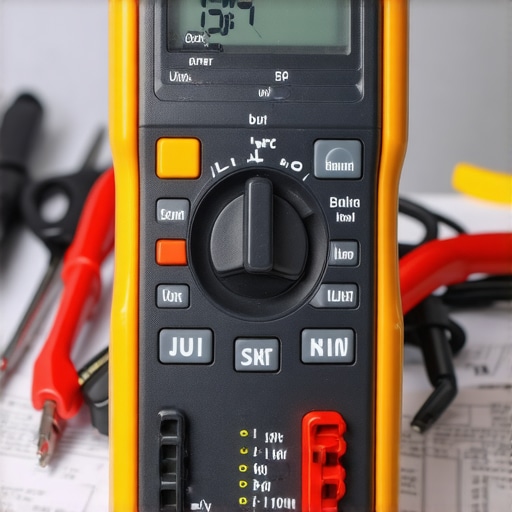
Before the professional arrives, run a few basic tests yourself so you can speak their language. You don’t need to be an engineer; you just need to be observant. For instance, if your machine is overfilling, how to test your float switch using a plastic straw is a quick way to see if the mechanical part is physically stuck or if it’s an electrical issue. If you’re feeling more adventurous, testing your door switch with a basic continuity test can tell you if the latch is truly broken before the tech tries to sell you an entire control board. I keep a cheap tool kit nearby and knowing the only multimeter settings you need for appliance repair has saved me from being talked into unnecessary ‘upgrades’ that the warranty wouldn’t cover anyway.
Don’t Let Them Use Your Maintenance Against You
There is a fine line between ‘helpful DIY’ and ‘voiding the contract.’ I learned this the hard way when I tried to how to quiet a screeching circulation pump with food-grade grease. While it fixed the noise, the technician noted the presence of ‘unauthorized lubricants’ and tried to deny the claim for a separate seal leak. Now, I only perform tasks that are explicitly listed in the user manual as ‘consumer maintenance.’ If the machine won’t empty, check for the simple plumbing fix for a dishwasher that wont drain before calling the pros. If the problem is external to the machine, like a clogged house pipe, the warranty company will charge you for the visit and deny the claim. Being able to prove the issue is internal to the appliance is the only way to keep your money in your pocket.Most homeowners think that once a machine throws a specific error code, the mystery is solved. That is a massive mistake. In my experience, the onboard computer is often the most unreliable witness in your kitchen. For example, reading the hidden blinking lights on your dishwasher brain might tell you there is a drainage issue, but it cannot tell you that a tiny piece of plastic is shimmying into the impeller only when the water hits a specific temperature.
Why Your Error Code is Probably Lying to You
You have to look past the surface symptoms. A study by the Journal of Engineering and Technology Management suggests that complex diagnostic systems in consumer electronics can actually increase ‘No Fault Found’ (NFF) results because they fail to account for intermittent environmental variables. If you blindly follow the screen, you might end up testing your thermal fuse before buying a new control board only to realize the real culprit was a loose wiring harness. This is where understanding appliance diagnostics improving your warranty claims becomes your secret weapon. You aren’t just reading a code; you are verifying the hardware performance behind it. 
Can Your House Wiring Void Your Appliance Protection?
Here is the ‘oops’ factor that catches even the most prepared owners: the power supply trap. If you are fixing a dishwasher that trips your circuit breaker, be extremely careful how you phrase the issue to the technician. If you suggest it might be a ‘nuisance trip’ caused by your home’s aging electrical panel, the warranty company will pounce on that and deny the claim as an ‘external site issue.’ I always use the multimeter test that pinpoints a dead water valve or a shorted heater before they arrive. By proving the short is internal to the machine, you lock the provider into the repair. Don’t let them blame your house for their faulty components. This nuance is the difference between a free repair and a $150 service fee for ‘no appliance defect found.’ You need to know when to trust a warranty for dishwasher repairs and when to keep your DIY suspicions to yourself. Have you ever fallen into this trap? Let me know in the comments. Even a detail as obscure as why your smart appliance is using more data than expected can be a clue that the control board is stuck in a logic loop, but mentioning your Wi-Fi might just give them an excuse to label it a ‘software connectivity issue’ not covered by the mechanical contract.
The first thing I tell anyone who wants to stop being a victim of service contracts is to buy a decent digital multimeter. I personally swear by the Klein Tools MM400 because it is rugged enough to survive a drop onto a tiled kitchen floor and precise enough to catch a ghost voltage that might be tricking your control board. When you understand the only multimeter settings you need for appliance repair, you stop guessing and start knowing. Most service techs expect you to be helpless, but when you show up with data, the power dynamic shifts instantly. I’ve found that troubleshooting-dishwasher-problems-expert-diagnostics-repair-tips are only as good as the tools you use to verify them. If you can prove a component is out of spec according to the manufacturer’s own service manual, the warranty company has no ground to stand on when they try to deny your claim.
How do I maintain my dishwasher performance over the long haul?
Maintenance isn’t about deep-cleaning once a year; it is about the micro-habits that prevent the ‘death by a thousand clogs.’ According to the Association of Home Appliance Manufacturers (AHAM), failing to maintain proper water flow is the primary reason high-efficiency pumps burn out prematurely. I make it a point to perform the proper way to clean spray arm nozzles using a paperclip every three months. It sounds trivial, but a single seed or shard of glass in those nozzles creates backpressure that wears out the motor seals. I also rely on using-white-vinegar-to-clear-a-blocked-drain-line once a month to dissolve the fatty deposits that commercial cleaners often miss. These small steps are your best defense against top-signs-your-dishwasher-needs-professional-diagnostics, which usually indicate that the damage is already done and the repair bill is coming.
The Future of Smart Diagnostics and Home Repair
We are entering an era where the machines will start talking back in ways we haven’t seen before. I predict that within the next five years, onboard AI will move beyond simple error codes to predictive failure analysis. Instead of wondering why your dishes are wet, your machine will send a notification to your phone saying the heating element has drifted 10% out of resistance range and will likely fail in three weeks. This shift will make how appliance diagnostics can save your warranty benefits even more critical because you’ll have a digital paper trail of the failure as it happens. However, until the machines are that smart, you need to know when to trust a warranty for dishwasher repairs and when to grab your own tools. My advice? Don’t wait for a flood to become an expert on your own kitchen. I challenge you to go into your kitchen right now and check your spray arms; if you find even one blocked hole, you’ve just extended the life of your pump by months. Document that maintenance, keep your receipts, and never let a service tech tell you that you didn’t do your part.
Hard Lessons from the Service Call Frontlines
After years of dealing with service providers, I’ve realized that the burden of proof is always on the homeowner. First, never assume the technician knows more about your specific model than you do; they see dozens of brands daily, while you live with yours. Second, always keep a “warranty shield” by logging every filter change and cleaning cycle. Third, the moment you hear a weird sound, start recording. Using how to document intermittent noises for a repair claim techniques has saved me hundreds because it eliminates the “could not duplicate” excuse that techs use to close tickets. Lastly, remember that why your appliance warranty covers parts but not labor costs is a common clause that can turn a “free” repair into a $200 bill—always ask for a full fee breakdown before they even step through the door.
[IMAGE_PLACEHOLDER]
The Only Gear You Need in Your Kitchen Junk Drawer
You don’t need a warehouse of tools to beat the warranty trolls. I recommend three specific items to keep on hand. First, a reliable digital multimeter; it is the single best way to prove a component is dead before the professional arrives, leaving them no room to blame your house wiring. Second, a physical folder for all your manuals and receipts; while digital is great, handing a technician a physical stack of maintenance logs shows you are an organized owner who won’t be easily bullied. Third, I highly recommend bookmarking troubleshooting-dishwasher-problems-expert-diagnostics-repair-tips to build your foundational knowledge. These resources turn you from a confused consumer into an informed advocate for your own home.
Take Back Control of Your Kitchen
A service plan should be a safety net, not a source of constant stress. By mastering the basics and learning how appliance diagnostics can save your warranty benefits, you ensure that you are never at the mercy of a fine-print technicality. You have the tools, the knowledge, and now the strategy to keep your home running smoothly without breaking the bank. Don’t be afraid to push back when a claim is denied—your documented data is your ultimate power. Have you ever successfully challenged a warranty denial using your own evidence? Let me know in the comments below.