

I remember the first time I heard it. I was finally sitting down with a glass of wine, the dishwasher was supposed to be doing the heavy lifting, and then the rhythm started. Click. Click. Click. It wasn’t a loud bang, just a persistent, mechanical tapping that made my stomach drop. My first instinct? I turned up the TV volume. Big mistake. I thought it might just be a loose spoon, but that little noise was actually the death rattle of a pump struggling for its life. If you’re hearing that same sound right now, do not ignore it like I did—or you’ll be looking up how to salvage your hardwood floors after a dishwasher flood by tomorrow morning.
That Rhythmic Tapping is More Than Just a Nuisance
Today, we are going to get to the bottom of that clicking sound so you do not end up with a puddle in your kitchen or a denied warranty claim. I’ve spent more hours than I’d like to admit elbow-deep in soapy greywater, and I’ve learned that the sound check for a dying drain pump is the most important diagnostic tool you own. Most of the time, it’s a simple fix—a stray cherry pit or a bit of broken glass—but if you let it go, you’re looking at a burnt-out motor. Early in my DIY journey, I assumed every noise meant I needed a expensive new machine. I actually replaced a perfectly good unit because I didn’t know how to clear a jammed chopper blade without calling a pro. It was a $900 mistake that still haunts my bank account. Have you ever spent an entire evening trying to ignore a weird appliance noise only to regret it later?
Is this really something a regular person can fix?
Look, I get the skepticism. Modern appliances feel like they require a NASA degree to open. But the truth is, the drain pump is usually one of the most accessible parts. According to data from Consumer Reports, nearly 30% of dishwasher repairs can be handled by the homeowner with basic tools and a bit of patience. You do not always need expert diagnostics and repair tips to find a trapped toothpick that is hitting a plastic impeller. Sometimes, the debris trap most owners miss during monthly cleaning is the only thing standing between you and a silent kitchen. Let’s walk through exactly what is causing that clicking and how you can stop it before it ruins your next cycle.
Stop the Clicking Before the Pump Dies
The first thing you have to do—and I cannot stress this enough—is kill the power. I’m not talking about just hitting the ‘off’ button; I mean flipping the breaker or pulling the plug. A dishwasher is essentially a metal box full of water and electricity, and we are about to go digging near the motor. Think of it like trying to change the oil in your car while the engine is still running; it’s messy, dangerous, and completely unnecessary. Once you’ve secured the site, you need to clear the way. Pull out the bottom rack and set it aside. This is the moment where most people realize the debris trap most owners miss during monthly cleaning is actually quite disgusting. If you find a layer of slime, it’s time to learn the best way to degrease a clogged pump impeller because that gunk puts extra strain on the motor, making every rotation a struggle. 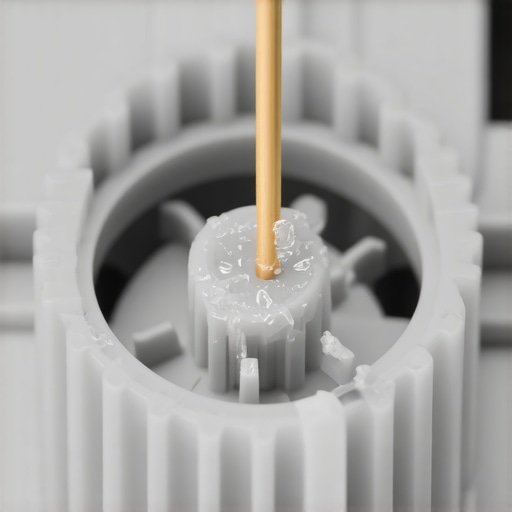
Clear the Obstructions Your Filter Missed
Now, look at the very bottom of the tub. Most modern units have a plastic cover held by a single screw or a simple clip. This is the gatekeeper to your drain pump. When I had that persistent clicking in my old machine, I was convinced I needed a whole new assembly. I spent twenty minutes unscrewing the cover, only to find a single, calcified chicken bone wedged perfectly against the spinning blades of the impeller. Every time the pump tried to drain, that bone acted like a playing card in bicycle spokes. If you’re lucky, you’ll find a toothpick or a bit of plastic. If you’re seeing a lot of water left behind, follow this guide on how to fix a dishwasher that wont drain in five minutes to clear the path properly. It’s a dirty job, but it’s better than writing a check for a repairman to do the exact same thing.
Check the Chopper Blade and Impeller
If the sump area is clear but the clicking persists, the issue might be deeper in the macerator or ‘chopper’ area. This part is designed to grind up soft food, but it is no match for a rogue popcorn kernel or a shard of glass from a broken wine glass. I once helped a neighbor who was about to toss a year-old Samsung because of a ‘grinding click.’ We found a tiny piece of a broken porcelain plate wedged in the chopper. We didn’t need a pro because we knew how to clear a jammed chopper blade without calling a pro. Use a pair of needle-nose pliers—never your fingers—to feel for resistance in the blades. If they don’t spin freely, you’ve found your culprit.
Don’t Void Your Warranty While You Dig
Before you start dismantling the entire motor housing, take a breath and check your paperwork. While cleaning out a drain pump is considered standard maintenance, taking the motor apart is a different story. If you’re still within your first year of ownership, understanding appliance diagnostics improving your warranty claims is vital. If you go too far, the manufacturer might claim ‘owner interference’ and deny a future claim. My rule of thumb? If you need more than a screwdriver, stop and think. Always make sure to capture the photo evidence you need for every warranty claim before you remove any parts. Taking a quick picture of the obstruction while it is still stuck in the pump can actually prove the pump was failing due to a design flaw rather than neglect, which is a huge win if you ever have to argue with a service representative.Most people think the little digital screen on their dishwasher is an oracle of truth. If it flashes ‘OE’ or ‘F5’, they immediately buy whatever replacement part the manual suggests. But here is the professional secret: sensors are fallible. I’ve seen countless homeowners replace expensive control boards when the real issue was just a bit of residual foam from a pre-rinse with dish soap. This is exactly why your smart app says the filter is dirty when it is not; the turbidity sensor is simply coated in a thin film of grease, not detecting actual debris. Everyone says to trust the manufacturer’s troubleshooting guide, but those guides are often written to lead you toward part replacement rather than simple deep cleaning. The biggest ‘oops’ I see during a DIY attempt? People reaching for a plumbing snake when they hit a clog. It works for a bathroom sink, but the dangers of using plumbing snake tools on your appliance are massive. You can easily puncture the soft, corrugated drain hose or crack a delicate plastic check valve, turning a $50 clog into a $500 kitchen flood.
Can your detergent choice actually void your factory warranty?
It sounds like a myth designed to sell name-brand pods, but why service techs deny warranty claims for soap choice is actually rooted in chemical engineering. A report by the Association of Home Appliance Manufacturers (AHAM) highlights that excessive sudsing from non-HE detergents or ‘natural’ DIY soap recipes can cause ‘nuisance tripping’ of the leak sensor. When a technician pulls the kickplate and sees that signature white, powdery residue inside the motor housing, they often categorize the repair as ‘owner-induced misuse’ rather than a mechanical failure. This simple mistake can lead to a denied claim faster than you can say ‘organic’.  If you are facing a complex issue, how appliance diagnostics can save your warranty benefits comes down to meticulous documentation. You need to prove you have followed the maintenance schedule. Keep these three receipts to ensure a smooth repair claim: your original purchase receipt, any professional maintenance logs, and even receipts for the correct detergent. It sounds like overkill until you are staring down a denied $400 bill for a circulation pump. Understanding appliance diagnostics improving your warranty claims is the difference between a free fix and a total loss. Have you ever fallen into this trap of trusting the error code too much, only to find out the fix was a five-cent toothpick? Let me know in the comments! If you are still stuck, don’t hesitate to contact us or check out the top signs your dishwasher needs professional diagnostics before you start dismantling the motor. It is always better to know when to trust a warranty for dishwasher repairs rather than trying to play hero with a screwdriver.I’ve learned the hard way that ‘eyeballing it’ is a recipe for a $200 service call. If you really want to graduate from ‘hopeful DIYer’ to ‘household hero,’ you need to stop guessing and start measuring. My most-used tool isn’t a wrench—it’s a digital multimeter. I remember being terrified of them, thinking I’d somehow shock myself into next week, but once I learned how to use a multimeter to find a shorted wire, the mystery of ‘dead’ appliances vanished. If your machine won’t even power on, checking for the exact multimeter reading for a healthy thermal fuse can save you from buying a new control board you don’t actually need. According to the technical training manuals from the Professional Service Association (PSA), electrical component failure is often misdiagnosed as mechanical failure simply because the technician failed to check for continuity first.
Grab the Hidden Manual the Factory Didn’t Tell You About
Most people don’t realize there is a ‘cheat sheet’ tucked inside their machine. If you pull off the kickplate—that metal panel at the very bottom—you’ll often find a folded-up paper called a tech sheet. This is your bible. It tells you how to get professional grade diagnostic codes from your interface. It’s much more reliable than a generic Google search because it’s specific to your exact model number. This is the difference between troubleshooting dishwasher problems expert diagnostics repair tips and just throwing parts at the wall. 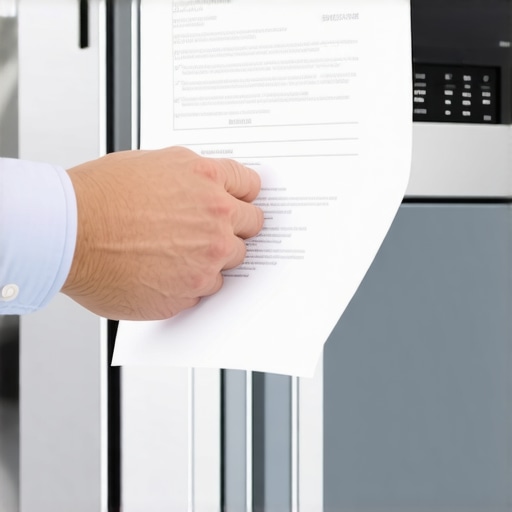
How can I maintain my dishwasher so it never leaks again?
It’s not about the fancy cleaners; it’s about heat and habits. Stop running ‘Eco’ mode every day. I know, the energy savings look good on paper, but why the heavy cycle is actually better for your machines health comes down to fat emulsification. Cold water and short cycles allow grease to solidify in the pump, eventually leading to that clicking sound we talked about. Every few weeks, take a moment for the toothpick method for unclogging spray nozzles. If those tiny holes are blocked by mineral scale, the water pressure drops and your pump has to work twice as hard. I predict that as ‘Smart’ appliances become more sensitive, these basic physical maintenance tasks will actually become more critical as sensors will trigger shut-offs for even minor clogs. Go ahead and grab a multimeter today—it’s the best $20 investment you’ll ever make for your kitchen’s longevity.
My Three Rules for Avoiding a $500 Repair Bill
After years of wrestling with soap scum and noisy motors, I’ve realized that understanding appliance diagnostics improving your warranty claims is the most valuable skill you can have as a homeowner. First, never assume a persistent mechanical noise is just ‘old age’; it is almost always an obstruction or a component screaming for help before a total meltdown. Second, take five minutes to read the fine print about normal wear and tear on appliances. Most people don’t realize that items like filters and door seals are often considered maintenance parts, not warranty-covered repairs. Finally, keep a log of your cleaning; being able to point to the hidden loophole that gets your denied claim reversed often comes down to proving you haven’t neglected the machine.
What is Actually in My Diagnostic Go-Bag
You do not need a truck full of specialized parts to be effective at home repairs. I swear by these three simple items that save me every time: 1. A digital multimeter—once you learn how to use a multimeter to find a shorted wire, you stop guessing and start knowing exactly what is wrong. 2. Your phone camera—it is your best friend for capturing the photo evidence you need for every warranty claim before you move any parts. 3. White vinegar and a stiff brush—these are the ultimate tools for the natural way to strip hard water buildup from the tub. I trust these because they are low-cost, high-impact methods that solve 80% of common household issues without a pro.
Why a Little Maintenance Goes a Long Way
Fixing your own machine isn’t just about the money you save on a service call; it is about the confidence that comes with knowing your home is in good hands. Whether you are decoding complex error codes or just clearing out a trapped chicken bone, taking control of your dishwasher diagnostics ensures you won’t be caught off guard by a surprise kitchen flood. Don’t let a small clicking sound turn into a major renovation project. You have the tools, the knowledge, and the tech sheet—now go take care of that machine! Have you ever had a warranty claim denied for why service techs deny warranty claims for soap choice or another reason that felt totally unfair? Let me know in the comments below!