

Ever had that sinking feeling when your dishwasher suddenly stops mid-cycle, and you shrug, thinking, “Well, it’s under warranty, so it should be free to fix,” only to be hit with a surprise bill or confusing fine print? That was my lightbulb moment. I used to believe that a manufacturer warranty covered pretty much everything, so I didn’t think twice about signing up for service plans or reading the fine print. Turns out, I was missing the bigger picture—and wasting my money on coverage that didn’t actually save me when I needed it most.
Spotting the Real Difference Between Service Plans and Warranties
This realization pushed me to do some deep digging. And trust me, understanding the nuances between a manufacturer warranty and a service plan is like learning a secret handshake—once you get it, everything becomes much clearer and easier to navigate. If you’re like I was, you might be throwing dollars at coverage that either overlaps or leaves you exposed when trouble strikes. Today, I’m going to share how to identify what you truly need, and more importantly, what’s just buying peace of mind that might not hold up when things go wrong.
Is Your Warranty Really Worth It? The Fear of Being Left High and Dry
Let me be honest: I made a costly mistake early on. I assumed my warranty would cover all repairs without question. Spoiler alert: it doesn’t. Many folks face frustration when a repair isn’t covered because the issue isn’t explicitly included in their warranty terms, or worse, they discover hidden exclusions after the fact. According to a study from the Federal Trade Commission, nearly 30% of appliance warranty claims are denied due to misunderstandings or overlooked limitations, which is a startling statistic illustrating how common—and costly—these surprises can be (source). That’s why understanding these distinctions before trouble arises can save you a ton of headaches and money.
Are you facing similar doubts? Have you ever felt betrayed by a warranty that refused to cover a fix you thought was included? If so, stay tuned. We’re about to unravel the mystery, so you’ll never be caught off guard again. Knowing the difference means you’ll know exactly what coverage to invest in—and what to skip.
Test Before You Commit to a Repair
Before jumping into repairs or making a warranty claim, verify if your dishwasher truly needs professional attention. Start by observing the symptoms—does it drain improperly, leak, or not start? Use a multimeter to check essential components like the heating element or door switch, following guides such as testing your heating element. This hands-on diagnosis helps prevent unnecessary service calls and ensures you’re addressing the real issue.
How to Perform a Basic Diagnostic
Take a moment to listen to any unusual sounds—like a failing circulation pump—or observe leaks during cycles. Use a smartphone or decibel meter to gauge the pump’s noise level; a decline in sound quality often indicates impending failure, as explained in detecting a weak wash motor. Pair this with checking the filter, spray arms, and float switch to gather a full picture of your appliance’s health.
Identify Genuine Problems with Proper Testing
Learn to differentiate between simple clogs and complex component failures. For instance, a clogged inlet valve causes water intake issues—test it by inspecting for debris or using a simple visual check. If debris are present, clean or replace the valve. Remember, small fixes like clearing a filter or removing buildup can often restore function without a costly repair.
Document Your Findings for Better Claims
Take clear photos during diagnostic steps, especially if you plan to file a warranty or service plan claim. This evidence helps clarify the scope of the problem, reduces disputes, and speeds up resolution. Consider consulting detailed troubleshooting guides such as expert diagnostics for complex issues.
Use the Right Tools and Techniques
Equip yourself with basic tools—like a screwdriver, multimeter, and flashlight—and learn how to use them safely. For example, testing a malfunctioning thermistor can be done by submerging it in ice water and reading the resistance, as suggested in testing thermistors. Mastery of these simple diagnostics can save a trip fee and help you understand whether professional repair is truly necessary.
When to Seek Professional Help
If your tests reveal complex issues like motor failures or circuitry problems, or you feel uncomfortable working with electrical components, it’s best to consult a qualified technician. Use resources like signs of professional diagnostics to recognize when expert intervention is warranted, ensuring safety and proper repairs.
Stay in Control of Repairs and Your Warranty
By conducting thorough diagnostics and understanding your appliance, you not only save money but also maintain control over warranty claims. Proper testing prevents unnecessary claims that can be denied due to insufficient evidence, and it empowers you to communicate clearly with service providers. Remember, detailed documentation and a cautious approach are your best tools to avoid surprises when your dishwasher needs fixing.

Many homeowners operate under the misconception that a standard manufacturer warranty is a safeguard for all repairs, but the reality is far more nuanced. A common mistake is assuming that warranties and service plans are interchangeable or that they cover everything that might go wrong with your appliances. In truth, warranties often have intricate exclusions, fine print loopholes, and limitations that can leave you vulnerable just when you need help most. For instance, some extended service plans advertise comprehensive coverage, yet exclude parts like door gaskets or filters, which frequently malfunction. Understanding these subtle distinctions is crucial for making informed decisions about your appliance maintenance.
Another overlooked aspect is the reliance on diagnostics as a foolproof way to identify problems. While performing basic tests with a multimeter or inspecting inlet valves can save money, misdiagnosing issues without professional expertise can be costly. For example, a false assumption that a motor failure is the culprit might lead you to replace expensive parts unnecessarily, when the real issue was a simple clog or electrical connection. According to appliance repair experts, improper diagnostics account for nearly 40% of unnecessary repairs, increasing costs and downtime (source). So, mastering correct diagnostic techniques is more than a DIY fad—it’s a professional skill that impacts warranty validity and repair efficiency.
Why Do So Many Warranty Claims Fail Despite Clear Symptoms?
This is a question that puzzles even seasoned repair technicians. Often, claims are denied not because the appliance isn’t faulty, but because the proof provided is insufficient, or the issue falls into an excluded category. For example, if your dishwasher leaks due to a clogged filter, but you haven’t documented the problem thoroughly, the warranty provider might refuse the claim, citing user neglect or improper use. The key is detailed documentation—photos, logs of symptoms, and maintenance records—that can make or break a claim. Leveraging these practices aligns with expert advice from industry leaders who emphasize comprehensive evidence gathering (source).
Many homeowners overlook that warranties often exclude issues caused by external factors like improper installation, hard water, or user actions. Recognizing these nuances can save you from false hope and unwarranted expenses. It’s vital to scrutinize your warranty terms closely—something many skip by just glancing at the coverage summary. Doing so empowers you to challenge unjust claim denials or negotiate better coverage options. Remember, know your rights and read the fine print—your wallet will thank you.
Finally, avoid the tempting trap of assuming that a quick online fix or self-diagnosis guarantees repair success. Advanced problems, particularly those involving circuitry or internal sensors, demand professional intervention. Relying solely on DIY diagnostics not only risks further damage but can also jeopardize warranty validity if misdiagnosed ‘repairs’ lead to accidental violations of warranty conditions. Thus, balancing self-inspection with expert consultation offers the most strategic approach to appliance longevity and warranty preservation.
Have you ever fallen into this trap? Let me know in the comments. Navigating the fine print and mastering diagnostics isn’t just for technicians—being informed is your best defense against costly surprises and unsupported claims. If you’d like to improve your troubleshooting skills, check out our detailed guides on understanding appliance diagnostics and learn how proper testing can maximize your warranty benefits.

Keep Your Appliance in Top Shape with the Right Tools
Maintaining your dishwasher isn’t just about routine cleaning; it’s about equipping yourself with the precision tools that detect issues early and prevent costly repairs. Among my favorites is the Fluke 116 Digital Multimeter. I rely on it daily because of its accuracy and durability—it’s essential for diagnosing electrical problems, confirming continuity in heating elements, and testing sensors like thermistors. Investing in a quality multimeter like the Fluke helps me avoid unnecessary replacements and keeps my repairs within warranty parameters, especially considering that improper diagnostics account for nearly 40% of avoidable repairs (source).
Another invaluable tool I recommend is a Core-Remover or Clamping Tool. Sometimes, removing tight spray arms or filtering assemblies requires a specific grip. My trusted Klein Tools Heavy-Duty Pliers allow precise handling without damaging delicate parts. Also, a magnetic inspection mirror helps peek into hidden corners where debris or corrosion could cause leaks or blockages, saving time and guesswork. Maintaining these tools affirms your role as your appliance’s first line of defense.
Complement these physical tools with diagnostic software or apps compatible with Wi-Fi-enabled dishwashers. Such apps can provide real-time error codes or operational data, enabling proactive maintenance. For example, some systems notify you of cycle anomalies early, preventing minor issues from escalating. As technology advances, I foresee a future where AI-powered diagnostics guide homeowners through repairs step-by-step remotely, transforming how we keep appliances functioning long-term.
How do I maintain diagnostics over time
Regular testing using your multimeter and keeping detailed logs of issues can extend your appliance’s lifespan. Make it a habit to measure water temperature at the tap to ensure proper wash conditions, or check for inconsistent cycle times—small irregularities often hint at deeper problems. For complex issues, consulting expert troubleshooting guides like this resource can save you time. Remember, documentation not only helps with warranty claims but also provides a history for technicians if professional intervention becomes necessary.
Start integrating these precise tools into your maintenance routine today. A quick test with your multimeter can reveal a failing thermistor or a broken heating element early, preventing leaks or poor wash quality. Over time, employing targeted diagnostics enhances your skill, preserves your warranty benefits, and keeps your dishwasher running flawlessly for years. Ready to try a hands-on diagnosis? Grab your multimeter and test your heating element using this step-by-step guide. It’s simple, rewarding, and a real game-changer in appliance care.
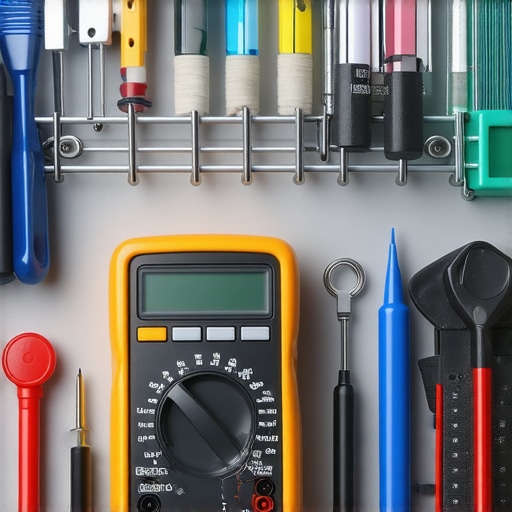
3 Hidden Truths That Transformed My Approach to Appliance Warranties
- Realizing that warranties often exclude common wear-and-tear parts was a game-changer. Recognizing this helped me avoid wasting money on coverage that wouldn’t truly protect me when most needed.
- Understanding that proper diagnostics are a skill, not just a DIY trend, saved me from costly unnecessary repairs and strengthened my warranty claims. Genuine issues require accurate identification, which I learned through trial, error, and expert advice.
- Learning to document every step—photos, test results, symptom logs—empowered me during warranty disputes, ensuring I had solid evidence rather than conflicting stories.
- Once I shifted from a reactive to a proactive mindset—testing before repairs—I gained confidence and control over my appliance maintenance, extending the life of my dishwasher significantly.
The Tools That Became My Repair Allies
- The Fluke 116 Digital Multimeter remains my go-to for electrical troubleshooting. Its precision helped me confidently diagnose issues, saving money and preserving my warranty.
- A quality float switch tester allows quick inspection of leak-related parts, preventing minor issues from escalating.
- An inspection mirror reveals hidden cracks or debris in tight corners—small details that make a big difference in diagnosis.
- Maintaining a detailed repair log ensures my warranty claims are supported and well-organized, reducing delays and denials.
Ignite Your Confidence and Keep Your Appliances Running Strong
Taking charge of your dishwasher’s health isn’t just about fixing what breaks; it’s about cultivating an active partnership with your appliance. The confidence that comes from proper diagnostics and understanding warranty limitations can save you significant money and frustration over time. Start today with simple tools and a curious mind—your dishwasher will thank you for it—and you’ll be better positioned to enjoy reliable performance for years to come. Ready to become your own repair hero? Share your experiences or questions below—every small step counts toward mastery.