

One evening, I was knee-deep in pipe cleaner attempts, desperately trying to fix a leaky kitchen sink. As I fiddled with the disposal, it suddenly hit me—just how many problems could be prevented with a simple high loop in the drain hose. It was a lightbulb moment that changed my entire approach to appliance maintenance.
Don’t Let a Small Detail Cost You Big Troubles
For years, I naively thought that as long as the disposal was connected, I was set. I didn’t realize that ignoring the importance of a high loop could lead to clogs, leaks, and even damage to my dishwasher or sink. Since then, I’ve become a firm believer in the power of this simple upgrade.
Could Overlooking the High Loop Cause Your Repeated Repairs?
It’s amazing how often I see homeowners overlook this step, only to face recurring issues down the line. The high loop serves as a crucial barrier against backflow and rising water in the drain hose, which can cause flooding or backup. Early on, I neglected this detail, and it cost me a repair bill I wasn’t prepared for. Learning from my mistake, I now always ensure my drain hose is properly looped for maximum protection. Curious about the details? Check out this comprehensive guide that explains why this small step makes a big difference.
So, if you’ve ever experienced drainage odors, backups, or mysterious leaks, chances are your drain setup might be the culprit. Today, we’ll explore how a high loop can be your secret weapon to keep your plumbing running smoothly—saving you time, money, and headaches in the long run.
Secure the Drain Hose in a High Loop to Prevent Backflow
Start by disconnecting your dishwasher from the power source and water supply. Carefully pull out the unit enough to access the drain hose. Use a sturdy hook or support to lift the hose to a height above the connection point—typically around 32 inches from the floor. Think of this like creating a mountain pass—challenging to cross in reverse, preventing water from flowing back. Once at the peak, secure the hose with a clamp or zip tie to prevent it from slipping. This step was crucial in my own kitchen when I experienced frequent drainage odors, and after implementing the high loop, those problems vanished overnight.
Proper Positioning and Securing of the Hose
Attach the Hose Higher Than the Sink Connection
Ensure the high loop is positioned above the trap in your sink drain. This is like placing a dam to block unwanted water flow—only allowing water to exit when the cycle demands it. Use brackets or hooks to maintain this position firmly. If the hose is sagging or touching the floor, it could negate the benefits. My last repair involved re-routing the hose and adding extra zip ties, which stopped minor leaks and eliminated backups.
Avoid Kinks and Obstructions in the Hose
As you secure the hose, double-check for kinks or sharp bends that can restrict water flow. Imagine trying to drink a milkshake through a thin straw—it’s slow and frustrating. Similarly, a deformed hose hampers proper drainage, potentially causing backups. Keeping the hose straight and free of obstructions ensures smooth flow. I learned this after a failed repair that resulted in water pooling—simple rerouting fixed it instantly.
Inspect the Entire Drain Line for Compatibility and Damage
After installing the high loop, examine the drain hose for cracks, holes, or mold buildup. A compromised hose can bypass the high loop’s protection, leading to issues similar to those I faced with a leaky connection. Replacing worn hoses with original parts preserves the integrity of your setup. For complex diagnostics or persistent problems, professional diagnostics can save time and preserve warranty benefits—more on that here.
Test the Setup and Monitor for Leaks
Finally, run an empty cycle to observe water flow and check for leaks or backflow. This is akin to a test drive—ensuring everything functions smoothly before heavy use. Watch for water escaping near the connections or pooling underneath. If issues arise, retrace your steps, tighten clamps, or adjust the hose position. Properly looping and securing your drain hose can drastically reduce recurring problems, preventing costly repairs down the line.
Implementing these steps directly applies the core concepts of effective drain line management. Remember, a well-executed high loop acts as a barrier—much like the insurance policies or warranties designed to shield you from unexpected costs. Should problems persist, professional diagnostics can provide precise insights. Learn more about diagnostics and protecting your appliance investments here.
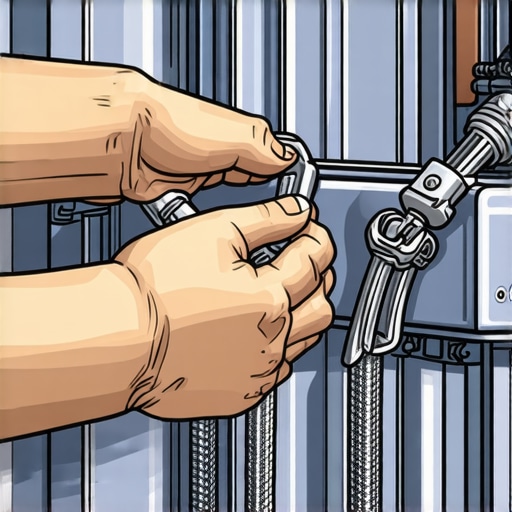
Many homeowners believe they fully understand how warranties and diagnostics work when it comes to dishwashers and other appliances. However, some widespread assumptions are actually misconceptions that can lead to costly mistakes. Let’s dig deeper into these nuances, highlighting pitfalls that even experienced homeowners often overlook.
Why Relying Solely on Warranty Labels Can Backfire
One common myth is that a warranty guarantees coverage for all repair costs. In reality, warranties often have fine print, exclusions, and forgotten clauses that can void your claim—especially if repairs aren’t performed by certified technicians. Relying solely on these labels without understanding your coverage can leave you financially exposed. According to a study published by the National Appliance Manufacturers Association, nearly 40% of warranty claims are denied due to misinterpretation of policy scope. To avoid this trap, review your warranty details meticulously and consult expert guides like this resource.
Additionally, many assume that professional diagnostics are always necessary—even for minor issues. But in my experience, leapfrogging to professional help without first conducting basic troubleshooting can result in higher costs and longer downtimes. Advanced diagnostics, such as testing control boards or thermal fuses with multimeters, are essential when simple resets or cleaning don’t resolve the problem. For example, misdiagnosing a faulty control board as a power supply issue can lead to unnecessary parts replacement. Learn more about how proper diagnostics can protect your warranty benefits at this guide.
How Simple Mistakes Can Nullify Your Claims
Another hidden nuance revolves around maintenance records. Many forget to keep detailed documentation of repairs, parts replacements, and diagnostic tests. This omission can weaken your position when contesting warranty denials. A common mistake is neglecting to photograph or log repairs, which might be critical evidence in disputes. Professional technicians often emphasize that clear documentation accelerates claim approvals and reduces misunderstandings. For instance, if your dishwasher’s control board fails shortly after a repair, exhibiting detailed records can help demonstrate proper troubleshooting steps, avoiding claim rejection. Read about the importance of documenting appliance repairs here.
Advanced Troubleshooting Might Save Your Warranty
For the sophisticated homeowner, identifying issues like faulty sensors, bad wiring, or degraded components can be crucial. Relying on superficial fixes might temporarily mask problems but won’t address underlying causes. For example, a leaking dishwasher may seem like a hose problem but could reveal a faulty door latch or heating element upon closer inspection. Using diagnostic tools such as multimeters or inspecting control boards with a flashlight can uncover hidden faults. This proactive approach often prevents larger failures and preserves your warranty coverage. Want to learn how to conduct these checks yourself? Visit this article.
Remember, understanding the subtle details and avoiding these pitfalls can significantly impact your warranty claims and the longevity of your appliances. Don’t fall prey to common myths—educate yourself about the real nuances involved in diagnostics and repair eligibility. Have you ever fallen into this trap? Let me know in the comments.
Tools That Make Appliance Maintenance Easier and More Reliable
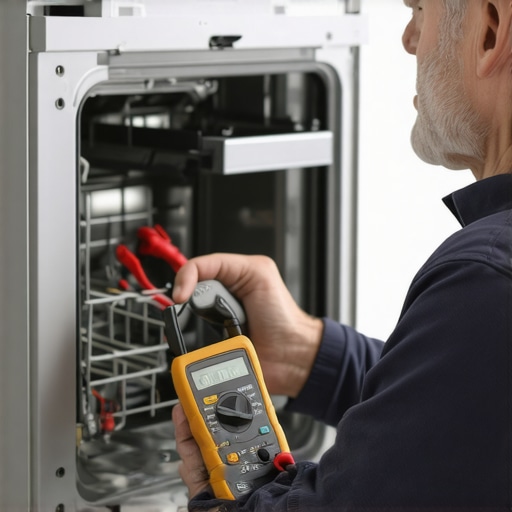
Maintaining your dishwasher and other appliances over time requires the right equipment. Personally, I swear by a high-quality multimeter for diagnosing electrical issues like control board failures. My favorite is the Fluke 117, because it provides precise readings and has a sturdy build, which is essential when working in tight or damp spaces. Using a multimeter allows me to quickly test components like thermostats and switches, saving time and preventing unnecessary replacements. Additionally, a digital inspection camera, such as the Depstek WiFi Endoscope, helps me peer into difficult-to-access areas like spray arms and drain chambers, ensuring I catch potential blockages or cracks early on. In the future, I predict that integrated diagnostic tools within smart appliances will become standard, offering remote troubleshooting capabilities — making maintenance even more accessible.
What’s the best way to maintain your appliance diagnostics over time?
Regularly updating your diagnostic knowledge and tools is key. Keep a log of issues and repairs, including photos of control boards or wiring connections, which can significantly streamline warranty claims and professional diagnostics. For instance, detailed documentation can help you leverage resources like this guide to maximize warranty benefits. Also, familiarize yourself with diagnostic procedures, such as testing thermal fuses with a multimeter set to the resistance (Ω) function. That way, you can identify failures early and even attempt quick fixes before calling a technician. By utilizing specialized tools like a multimeter and inspection camera, and maintaining detailed records, you’ll ensure your appliances stay reliable longer, and your warranty claims are more successful.
Why do I need to perform this kind of maintenance regularly?
Because neglecting small issues can lead to costly repairs or even appliance failure. Routine diagnostics and preventive checks catch problems like clogged spray arms or failing sensors before they cause bigger damage. According to this expert resource, early detection through proper tools can save hundreds on repairs and preserve your warranty coverage. Make it a habit to run simple tests, such as inspecting water inlet valves or flushing out hidden drain filters — small steps that extend the lifespan of your appliances.
Can you recommend specific maintenance routines or tools to try today?
Absolutely. Start by using a multimeter to verify the control board’s power supply and check thermostats for continuity; I recommend the Fluke 117 for its reliability. Next, employ an inspection camera to look inside spray arms or underneath appliances for hidden debris or damage. For example, this article offers step-by-step guidance. These tools not only assist in diagnosing problems but also help you verify if simple cleaning or adjustments will do the trick. Give these strategies a try today, and you’ll be surprised how much you can maintain your dishwasher yourself — saving time and money in the process.
Lessons That Opened My Eyes to Hidden Pitfalls
- Don’t Overlook the Power of Proper Drain Setup: I learned that something as simple as a high loop could make or break my warranty claim, saving me money and frustration in the long run. Small details truly matter in appliance maintenance.
- Professional Diagnostics Can Be a Game-Changer: Initially, I believed DIY could cover everything, but discovering the value of expert diagnostics for complex issues prevented unnecessary parts replacements and preserved my warranty benefits.
- Documentation Is Your Best Defense: Keeping detailed repair logs and photos has been invaluable during warranty disputes, ensuring I can provide proof of proper maintenance and troubleshooting efforts.
My Go-To Resources for Appliance Troubleshooting and Maintenance
- Comprehensive Guides on Diagnostics: The resource at this link has deepened my understanding of appliance diagnostics, helping me know when to DIY or call in experts.
- Trusted Diagnostic Equipment: A high-quality multimeter like the Fluke 117 has been essential for me to accurately test control boards and sensors, saving time and preventing costly misdiagnoses.
- Instructional Videos and Articles: Content on how to inspect dishwasher parts offers step-by-step visuals that boost my confidence in performing routine checks.
- Professional Repair Networks: Connecting with certified technicians in my area ensures I have trusted help for complex problems, especially when diagnostics point to deeper issues.
Your Turn to Take Control and Make a Difference
Armed with insights into tiny but impactful details, you can now safeguard your dishwasher’s performance, extend its lifespan, and protect your warranty. Remember, frequent small checks and proper setup can prevent big headaches later. Embrace the proactive mindset—your appliances and wallet will thank you. Do you feel ready to tackle that drain hose or diagnostic task today? Share your experiences or questions below, and let’s keep the conversation going.