

It happened just last week. I was gearing up for a quick dinner when my dishwasher decided to throw a tantrum—leaking water, strange noises, and an annoying burning plastic smell. Turns out, I had overlooked a simple culprit that was silently killing my machine: hard water. That lightbulb moment hit me hard—that my not-so-hard water might be the villain behind my appliance woes.
Why Hard Water Is the Hidden Enemy in Your Kitchen
If you’ve been battling unexpected dishwasher issues—spotty dishes, persistent odors, or even costly repairs—there’s a good chance that hard water is to blame. Hard water is rich in minerals like calcium and magnesium, which over time, form stubborn deposits inside your machine. These deposits can cause components to work less efficiently, clog filters, and even lead to early breakdowns. I learned this the hard way when a technician told me my water’s mineral content was causing buildup that would eventually ruin my dishwasher if I didn’t address it.
Is Hard Water Actually Worth the Hype?
Honestly, I used to dismiss the fuss about hard water. My assumption was that a good rinse cycle would wash away any mineral residues. But I was wrong, and I paid the price. Early on, I made the mistake of ignoring the signs—thinking those white spots on my glassware were just a cosmetic issue, not a warning sign of deeper problems. Once I took action, I discovered that addressing hard water isn’t just about cleaner dishes; it’s about extending the life of your entire appliance. For more insights, check out why hard water is the number one killer of modern dishwashers.
So, if you’re tired of throwing money into repairs or dealing with stubborn stains, stay tuned. I’ll show you how to identify if your water is the silent culprit and what practical steps you can take—no complicated jargon, just real advice from someone who’s been there. Let’s dive into the actionable solutions that could save your dishwasher and your sanity.
Test Your Water’s Mineral Content
Start by confirming if hard water is the culprit. Use test strips available at hardware stores or order a water testing kit online. When I tested mine, the results showed calcium levels well above the recommended threshold, confirming the need for mitigation. This step prevents unnecessary repairs and helps you choose effective solutions.
Install a Water Softener System
Choose the Right Softener
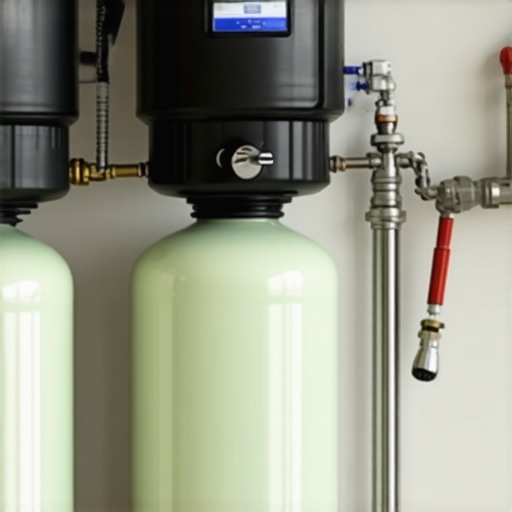
Pick a reputable water softening unit rated for your household’s water usage. Salt-based ion exchange systems are common and effective. I installed one in my basement as an inline filter, which significantly reduced mineral buildup. Remember, a quality softener can double the lifespan of your dishwasher and improve cleaning results.
Proper Installation Matters
Ensure the softener is installed correctly, preferably by a professional or following manufacturer instructions meticulously. An improper setup can lead to leaks or ineffective softening. For guidance, I referenced this article on common installation pitfalls.
Maintain Regularly to Prevent Buildup
Scheduled maintenance is critical. Run the softener’s regeneration cycle as prescribed, often weekly. Clean out mineral deposits from the system’s brine tank to keep it functioning at peak efficiency. Consistent upkeep saved me from costly repairs and stained glassware.
Use Appropriate Detergents and Techniques
Switch to high-efficiency, phosphate-free detergents formulated for soft water. Avoid overusing soap, which can cause residue and worsen deposits. I learned this when my dishes still came out spotty despite new filters. Also, regularly check and clean the filters of your dishwasher to prevent clogs, as blocked filters can trap mineral deposits.
Address Existing Mineral Deposits
If your dishwasher already has mineral buildup, consider descaling it. Run a cleaning cycle with a commercial descaler or a mix of vinegar and baking soda. In one of my attempts, this process loosened extensive deposits, improving both cleanliness and appliance longevity. For stubborn cases, you might need professional cleaning.
Optimize Your Dishwasher Usage
Arrange dishes to allow water and detergent to circulate freely. Avoid overloading, and select cycle settings optimized for hard water. Upgrading to newer models with water hardness sensors can provide additional benefits, like automatic adjustments to prevent buildup.
Monitor and Adjust Over Time
Keep track of your water quality periodically. Adjust your softening system or cleaning routines accordingly. Regular monitoring helped me catch rising mineral levels early, preventing major issues before they started. Remember, proactive maintenance is your best defense against hard water damage.
Implementing these steps turned my dishwasher from a constant repair candidate into a reliable kitchen helper, saving me money and frustration. Addressing hard water is an ongoing process, but with the right actions, you can extend your appliance’s life and maintain spotless, streak-free dishes.
When it comes to appliance warranties and repairs, many homeowners operate under a set of misconceptions that can cost them both time and money. As someone deeply immersed in diagnostics and appliance restoration, I’ve seen common myths persist despite the technical nuances that often determine the true outcome of a warranty claim or repair success.
One of the biggest errors is believing that warranties fully cover all repairs or replacements. This is a false sense of security. Manufacturers frequently include fine print or hidden clauses that exclude coverage for issues caused by improper use, neglect, or non-standard modifications. For example, neglecting to regularly clean filters, which can be a critical factor in warranty denials—check out this article on how dirty filters sabotage warranty claims.
Moreover, many assume that a simple diagnosis from a technician always points to the defective component. However, advanced diagnostics often reveal system-level issues that mask the real culprit. For instance, a faulty water inlet valve might seem like the cause of a leak, but in reality, a blocked drain hose or malfunctioning sensor could be responsible. Testing solenoid valves with basic tools can sometimes prevent unnecessary part replacements and save money.
Are Warranties Really Worth the Paper They’re Printed On?
This is a question I get quite often. While warranties can save you from expensive repairs, they hinge on proper adherence to maintenance routines and packaging conditions. Overlooking this is a common mistake. For example, prolonged neglect of filter cleaning and descaling can lead to issues that are then blamed on manufacturing defects, even though user maintenance was the real problem. This underscores the importance of understanding what your warranty covers and the steps necessary to preserve it.
I’ve also learned that some repair professionals unknowingly compound problems by recommending unnecessary replacements. A good example is replacing an entire control board when a simple reset could have fixed the issue—see this guide on resetting control boards. This not only adds cost but delays the restoration of your appliance.
Finally, advanced diagnostics have revealed that certain issues, such as inconsistent heating or unexplained error codes, are often linked to external factors like power surges or Wi-Fi module failures. These can be tricky to spot without specialized knowledge. This article explains how smart appliance components can become hidden sources of persistent faults.
In sum, knowing the nuances, sneaky clauses, and advanced diagnostic traps can empower you to make better decisions whether dealing with warranties or repair services. It’s a layered game that requires both technical insight and cautious scrutiny. Have you ever fallen into this trap? Let me know in the comments.
Invest in Quality Diagnostic Tools for Long-Term Savings
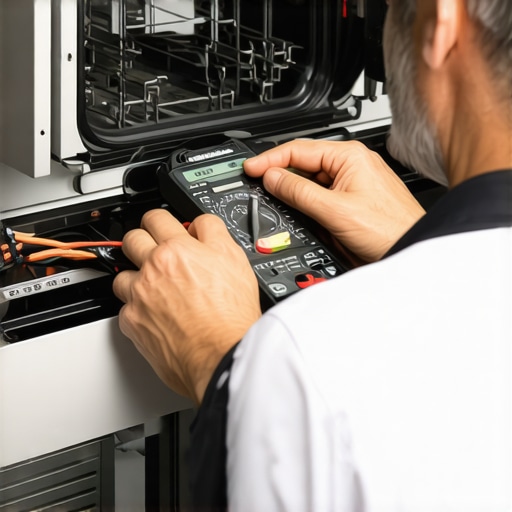
One of the most vital investments for any serious DIY enthusiast or professional repair tech is a reliable multimeter, like the Fluke 117. I personally rely on this tool because of its precision and durability, enabling me to quickly identify electrical faults such as faulty thermostats or circuit shorts without guesswork. Additionally, a laser thermometer, like the Seek Thermal Compact, has become invaluable for pinpointing temperature inconsistencies in heating elements, which are common culprits in dishwasher malfunctions. These tools empower me to perform non-intrusive diagnostics, saving time and avoiding unnecessary replacements.
Develop Routine Maintenance Habits to Prevent Major Failures
Regularly inspecting and cleaning components like filters, spray arms, and door latches prevents buildup and detects issues early. For example, I schedule a bi-monthly check of the dishwasher’s filter, which you can read more about here. This simple habit extends the lifespan of both internal parts and the appliance overall. Remember, preventing problems is far more cost-effective than repairs after breakdowns occur.
Utilize Software and Digital Resources for Accurate Diagnostics
Modern dishwashers often come with smart diagnostics features that can be accessed via manufacturer apps. For instance, connecting your device to an app can reveal hidden error codes and system statuses, enabling targeted troubleshooting. I recommend using manufacturer-specific tools or third-party diagnostic apps like the Dishwasher Troubleshooter, which helps interpret error patterns before calling a technician. Staying informed about your appliance’s digital health allows for proactive maintenance and can even help you identify issues caused by external factors like Wi-Fi module failures, detailed here.
How Do I Maintain My Dishwasher Over Time?
Consistent care involves more than just cleaning and testing. It requires understanding your specific model’s nuances, including manufacturer-recommended schedules for descaling and filter replacement. Keeping a maintenance log can be a game-changer; I track every cleaning cycle, software update, and part replacement to anticipate future needs. This disciplined approach minimizes unexpected failures and keeps your dishwasher functioning at peak performance.
Looking ahead, I predict that the integration of IoT and smart diagnostics will become standard, further simplifying maintenance routines and diagnostics. Embracing these advancements now—such as using a digital multimeter combined with smart apps—can prepare you for seamless long-term appliance management. I encourage you to pick up a quality multimeter and start practicing diagnostic checks yourself; it’s an empowering skill that can resolve many issues without calling in a technician, saving both time and money.
Three Lessons That Changed My Approach to Appliance Care
- Never assume your water quality is just fine. Testing revealed mineral levels far above safe thresholds, which prompted immediate action and saved me from costly repairs. Regular tests became a crucial part of my maintenance routine.
- Softening water isn’t a one-time fix. I learned that ongoing maintenance of the softener system, including regeneration cycles and filter checks, dramatically extends my dishwasher’s lifespan and prevents buildup.
- Invest in diagnostic tools early on. Using a multimeter and water temperature gun helped me identify issues quickly, avoiding unnecessary replacements and service calls. Knowing these skills empowered me to troubleshoot confidently.
Tools and Resources That Make a Difference
- High-quality water test strips: They provided immediate insights into mineral content, guiding my next steps effectively.
- Reliable multimeter: Essential for diagnosing electrical problems and confirming component integrity, saving diagnostic time.
- Water temperature gun: Helped me ensure my dishwasher was reaching optimal temperatures for proper cleaning and descaling.
- Maintenance logs: Keeping detailed records of upkeep and tests helped me when dealing with warranties or expert diagnostics.
Your Next Step Is Closer Than You Think
Don’t wait until your appliance fails unexpectedly. Embrace proactive care, equip yourself with simple diagnostic tools, and stay curious about your water quality. These small steps will lead to longer-lasting appliances, fewer repairs, and peace of mind. Remember, understanding your water and equipment isn’t just smart—it’s essential for a smooth-running kitchen.
What’s the first step you’re planning to take to master your dishwasher’s health? Let me know below!