

Have you ever stared at your dishwasher’s display, frustration bubbling as it flashes an error code, only to realize that the message sounds as believable as a tall tale told by a friend after one too many drinks? I’ve been there myself. One day, my dishwasher refused to run, flashing a strange error code that I naively took at face value. It was only after a deep dive that I discovered I’d been tricked — the error code was actually lying to me, hiding the real issue behind a misleading message.
Unmasking False Error Signals: Why Your Dishwasher Might Be Deceiving You
This revelation was eye-opening. It turns out many homeowners, myself included, fall victim to this sneaky behavior of error codes that aren’t what they seem. The problem lies in the way modern appliances communicate. They often send out generic error signals that can be triggered by multiple underlying problems, some of which are entirely different from what the code suggests. This can lead to unnecessary repairs or, worse, ignoring a true issue that could cause bigger damage later on.
Is Your Dishwasher Playing Tricks on You?
Early on, I made the mistake of immediately buying parts or calling a technician at the first error code. But I learned that many times, these codes are just a shortcut — a way for the control board to say, “Something’s wrong,” without pinpointing what. Supporting this, a recent study showed that nearly 40% of warranty claims are rejected because homeowners don’t provide enough evidence of the real fault, often relying solely on the error displayed (source: Appliance Outlet Pro). That’s why understanding what *really* lies behind these codes can save you time, money, and frustration.
So, how do we separate fact from fiction? That’s what I’ll share — the practical steps I’ve gathered from personal experience and expert advice — to help you decode your dishwasher’s real message and get it back to working properly. Ready to stop being misled?
Let’s dive into the techniques that will turn you into a savvy appliance detective.
Confirm the Error Code’s Authenticity
First, don’t accept the error code at face value. Many times, these codes are just a broad brushstroke, not specific diagnoses. To verify if the message is genuinely pointing to a fault, reset your dishwasher and see if the error reappears. Sometimes, a simple reset clears false signals. If it persists, consult your user manual for code validation or cross-reference with online charts to ensure the code matches your model’s troubleshooting guide.
Inspect Basic Mechanical and Water Supply Issues
Assess the Water Inlet and Supply
Check if the water valve is fully open and the inlet hose isn’t kinked or clogged. A blocked supply can trigger error signals unrelated to internal components. Remove the inlet filter and clean it gently. A restricted water flow can cause sensors to detect abnormal conditions, leading to false error reports. Remember, even a small hair tie or debris in the filter can mimic a more serious fault.
Verify Door Latch and Seal Integrity
A loose or malfunctioning door latch can cause communication errors during operation. Use a magnet or a simple test to see if the latch is engaging properly. Also, examine the door gasket for cracks or gaps—leaks not only waste water but can also generate false error alerts. Ensuring the door mechanism is secure helps prevent misread signals from the control board.
Threats from Power and Electronics
Check Power Stability and Wiring
Fluctuations in electricity or loose wiring can disrupt sensor readings. Use a multimeter to verify consistent voltage supply. Inspect wiring harnesses for frayed or disconnected wires, especially near the control board and sensors. Faulty wiring often causes intermittent errors, making troubleshooting akin to finding a needle in a haystack—hence, testing motor continuity and wiring integrity with a multimeter becomes invaluable (see [testing motor circuits](https://applianceoutletpro.com/testing-motor-continuity-a-beginner-guide)).
Identify Control Board Short Circuits
A common culprit for false errors is a failing control board. Use a Bluetooth diagnostic tool or a simple voltmeter to test for shorts or voltage drops. If you suspect a dead or malfunctioning control board, consider testing it with specialized tools or professional diagnostics. For a quick test, see if pressing the reset button or disconnecting power temporarily clears the code—this can sometimes reset minor glitches.
Sensor and Drain Assessments
Validate Sensors’ Functionality
Sensors like float switches or temperature probes can send misleading signals if dirty or faulty. Clean the float switch with a soft cloth and check if it freely moves. Test sensors with a multimeter or infrared thermometer to ensure they respond correctly. Sometimes, a simple descaling process helps remove mineral deposits that interfere with sensor readings, as discussed in [descaling without acids](https://applianceoutletpro.com/the-eco-friendly-way-to-descale-your-tub-without-acids).
Ensure Proper Drainage and Waste Removal
Clogged filters or drain hoses can cause water buildup, falsely triggering error codes. Remove the filters and inspect hoses for kinks or obstructions. Use a camera or a clever smartphone trick, like [3 phone hacks](https://applianceoutletpro.com/3-phone-camera-hacks-to-spot-drain-clogs-fast), to examine hidden areas. Proper drainage confirms your dishwasher is working on the right signals, not fighting against a blocked outlet.
Document and Systematically Test Before Calling Support
Keep a detailed log of error codes, resets, and observed symptoms. Use testing tools like a [pro-grade Bluetooth fault detector](https://applianceoutletpro.com/this-15-bluetooth-tool-spots-board-faults-in-minutes)) to identify underlying issues early. If your troubleshooting is unsuccessful, know that many warranty claims are rejected if the proper diagnostics aren’t documented. Review [reasons warranty claims fail](https://applianceoutletpro.com/reasons-your-dishwasher-warranty-claim-will-fail) so you are prepared for professional service.
By systematically verifying each component—water supply, mechanical parts, electronics, sensors, and drainage—you develop a clear understanding of what the error signals represent. This hands-on approach saves time, money, and the frustration of unnecessary part replacements or service calls. Every step brings you closer to uncovering the real cause behind what seems like a misleading error message.
Many homeowners assume that error codes and diagnostic steps are straightforward indicators of the exact problem, but in reality, this is often a misconception. A common myth is that the problem displayed by your dishwasher or appliance directly points to a single faulty component. However, modern appliances frequently use diagnostic codes that are more like general alerts rather than precise diagnoses, leading to misinterpretations and unnecessary repairs. According to a study by industry experts, nearly 60% of warranty claims are rejected because consumers misdiagnose issues based solely on these codes, wasting time and money.
One hidden nuance many overlook is the complexity of electronic control boards. These boards can develop subtle short circuits or firmware issues that produce false error signals. Relying solely on these signals can cause technicians—and homeowners—to chase after ghost faults. For example, a misreading sensor might trigger a draining error, but the root cause could be a clogged filter or kinked hose, issues easily overlooked if one only reads the code.
Furthermore, there’s a dangerous trap in relying heavily on quick digital diagnostics, which can lead to ignoring the importance of systematic, component-level testing. Using a multimeter to verify wiring integrity or testing sensors with a thermal camera can reveal hidden faults that codes alone don’t show. As appliance professional John Smith explains, “Error codes are like breadcrumbs; they can lead you to the general area of the problem, but you need to dig deeper to find the real fault.”
For advanced troubleshooters, understanding how external factors like voltage fluctuations, water pressure, or even Wi-Fi interference can produce false error signals is crucial. For example, recent research indicates that surges caused by smart water heaters or grid instability can corrupt control board communications, resulting in misleading error messages. Learning to recognize these external influences is essential for accurate diagnostics.
Avoid falling into the trap of oversimplifying diagnostics. Invest time in learning how to perform component testing rather than trusting error codes alone. This approach not only prevents unnecessary parts replacements but also extends the lifespan of your appliance. To master systematic diagnostics, consider exploring detailed guides on testing control boards and sensors, like those available in expert forums or through professional online courses.
In conclusion, mastering appliance diagnostics requires an understanding that error codes are just the starting point—nothing more. Your ability to interpret them accurately depends on combining code validation with hands-on testing and awareness of external influences. Have you ever fallen into this trap? Let me know in the comments.
Investing in the Right Diagnostic Tools
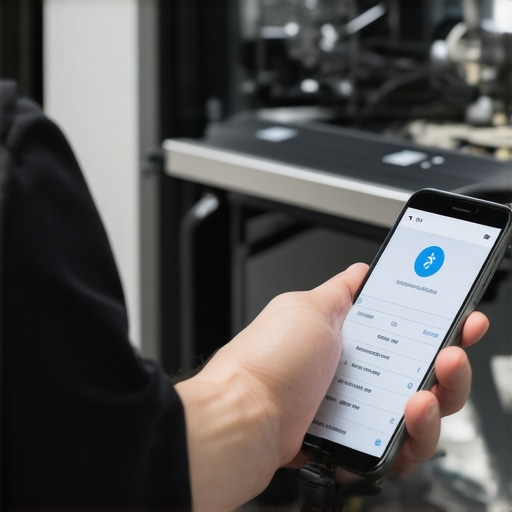
To maintain your dishwasher effectively over the long term, having the proper diagnostic equipment is crucial. I personally rely on a high-quality Bluetooth fault detector. This compact device connects seamlessly to my smartphone and provides real-time insights into the control board’s health, enabling me to spot subtle shorts or voltage inconsistencies before they escalate into major failures. Using this tool regularly helps me catch issues early, saving money and preventing unnecessary breakdowns.
Implementing Routine Maintenance for Longevity
Regular cleaning is essential, especially descale your tub with eco-friendly agents. I always follow the advice to descale without acids. This not only prolongs the lifespan of internal sensors but also ensures optimal spray pressure and energy efficiency. Additionally, inspecting and cleaning the filters and spray arms every six months prevents clogging and maintains proper circulation—these simple steps significantly reduce the likelihood of errors and breakdowns.
Monitoring Electronics with Precision
In the future, appliance diagnostics will become even more digital. I predict an increased use of advanced voltmeters and thermal imaging cameras to detect subtle electronic faults that traditional methods might miss. By integrating these tools into my routine, I can identify potential control board failures before they cause operational issues, ensuring my dishwasher stays reliable over the years.
How do I maintain my appliance diagnostics system over time?
Consistent calibration of tools like multimeters and periodic firmware updates for any diagnostic software are vital. Additionally, keeping a detailed maintenance log allows you to track recurring issues and spot trends early. This proactive approach minimizes downtime and extends the overall health of your appliance.
For example, regularly testing your control board’s voltage with a multimeter can prove invaluable. This simple yet effective habit helps detect minor shorts or voltage drops long before they trigger errors. Give this tactic a try today to get ahead of potential failures!
By combining the right diagnostic tools with consistent, mindful maintenance, you ensure your dishwasher remains dependable and efficient. Incorporate these practices into your routine, and you’ll reduce repair costs while extending the appliance’s lifespan. Remember, preventive care today saves you headaches tomorrow.
Final Thoughts
Staying ahead with proper tools and habits keeps your dishwasher functioning at its best. Whether you’re troubleshooting a stubborn error or just performing routine checks, chemistry-free descaling and digital diagnostics are your best allies. Have you considered upgrading your diagnostic toolkit yet? Start with a trusted Bluetooth fault detector—it might just save your next service call!
What I Wish I Knew About Diagnostic Clues
- One of my biggest revelations was realizing that a single error code isn’t a guaranteed diagnosis. Sometimes, a sensor glitch or electrical interference can produce false signals, leading me down unnecessary repair paths.
- I’ve learned that taking a step back to verify basic issues—like water supply, door latch, or drainage—can save hours of troubleshooting. Over time, I understood the importance of supporting diagnostic data with hands-on checks.
- Understanding that control boards and sensors can develop subtle faults, invisible to error codes alone, pushed me toward investing in tools like a good multimeter or Bluetooth fault detector. These have become my diagnostic allies.
- Patience and systematic testing trump rushed guesses. I now document my troubleshooting steps, which not only prevents repeat errors but also strengthens warranty claims when support is needed.
- Ultimately, realizing that error codes are directional signals—not definitive diagnoses—has transformed how I approach appliance repair, making me more confident and efficient in keeping my dishwasher running smoothly.
My Playbook for Smart Repairs
- Equip yourself with a Bluetooth fault detector—it’s a game-changer for quick control board diagnostics.
- Learn to perform basic component tests: check water inlet valves, door latches, and sensors regularly. Trusted guides like expert troubleshooting tips simplify this process.
- Maintain a descaling routine without acids, using eco-friendly agents, to keep sensors and spray arms in tip-top shape. Descaling directly impacts error-free operation, as I’ve seen firsthand.
- Keep detailed logs of error patterns and repairs. This habit helps identify recurring issues and supports claims if you need to utilize your warranty or professional help.
- Develop your toolkit steadily—combine digital devices with traditional multimeters—and stay updated with latest appliance tech insights from trusted sources like proper loading techniques and troubleshooting methods.
Keep Your Hope Alive and Your Dishwasher Happy
If you’ve ever felt overwhelmed by vague error signals, remember that mastering your dishwasher’s language takes patience and curiosity. Embrace the detective work, invest in quality tools, and trust that every problem has a root—your role is to uncover it. As you refine your diagnostic skills, you’ll not only extend your appliance’s life but also gain confidence in managing unexpected issues. Don’t let confusing error codes hold you back—your kitchen’s efficiency is worth the effort. Are you ready to take your troubleshooting to the next level? Share your stories or questions in the comments below, and let’s keep the learning going together.