

It was a morning like any other, until I opened my dishwasher to find a flood of water pooling on my kitchen floor. Panic set in. I knew I’d ignored that small, seemingly harmless repair shop sign the week before — the one promising quick fixes for a fraction of the cost. I thought, “If I just spend a little less now, I can avoid the big bill later.” But the reality hit me hard: that tiny saving of twenty dollars nearly cost me thousands in warranty claims.
Why Cutting Corners Can Cost You Big Time
As homeowners, we’re often tempted to pinch pennies, especially when it comes to minor repairs or spare parts. The idea is simple: why pay more when a cheaper part or quick fix seems to do the job? But my experience taught me a harsh lesson: that small savings can inadvertently void our warranties, leaving us vulnerable when real problems strike.
What I didn’t realize then was that the warranty process isn’t just about having receipts or proof of purchase. It’s also about following specific guidelines — like using original parts, not skipping diagnostics, and avoiding unqualified repair attempts. Skimping on these details might seem insignificant, but they form the backbone of valid warranty claims.
If you’re wondering whether your saving strategies could harm your warranty, you’re not alone. Many homeowners make the mistake of prioritizing short-term savings over long-term protection. That’s why I want to share what I’ve learned. By understanding the actual pitfalls and how to avoid them, you can protect your household investments and peace of mind.
Testing before replacing parts is crucial — skipping these steps might seem harmless, but it can lead to unnecessary expenses and warranty denials. And trust me, once your warranty is voided, the costs add up quickly.
So, what’s the solution? How can you avoid these costly mistakes? Let’s explore the practical steps to keep your warranty intact and ensure your dishwasher or other appliances stay in top shape, saving you both money and hassle in the long run.
Perform Thorough Diagnostics Before Replacing Parts
Before you buy any replacement, verify the actual issue using simple tests. For example, use a multimeter to check if the heating element is functioning or if the control board is responsive. I once suspected my dishwasher’s control panel was dead, but after testing with a basic multimeter, I discovered a blown fuse instead, saving me money and preserving my warranty. Always test to confirm the problem—skipping this step risks unnecessary repairs and potential warranty rejection. To get detailed diagnostic tactics, see this guide.
Use OEM Parts and Follow Installation Guidelines
Always choose original equipment manufacturer (OEM) parts rather than cheap aftermarket ones. A quick story: I attempted to replace my dishwasher’s motor with an off-brand part, which caused a sensor failure. My warranty was void because I didn’t use authentic parts. Carefully follow installation instructions—this is crucial. Many warranties specify that parts should be installed according to manufacturer guidelines. Take photos during installation to document compliance; these can be vital when filing claims. For tips on verifying parts, visit this resource.
Document Every Step of the Repair Process
Keep detailed records: receipts, serial numbers, photos, and notes of each step. I once had to file a warranty claim for my dishwasher’s sensor issue. Providing a sequence of photos showing proper testing and installation helped my claim succeed quickly. Inconsistent or missing documentation can lead to claim denial. Remember, official documentation often hinges on a service receipt; always request and keep your original paperwork. For critical tips on documentation, see this article.
Test Components Before Finalizing Repairs
Use specialized tools like laser probes or digital sensors to verify if critical components are functioning correctly. For example, testing the drain pump with a simple probe can prevent unnecessary replacements. I used a cheap laser probe to identify a clogged drain hose that mimicked a pump failure, saving me hundreds. This method ensures you only replace what is truly faulty, protecting your warranty and your wallet. For practical testing techniques, explore this resource.
Practice Care When Working on Sensitive Components
Handle sensors, wires, and circuit boards gently. A colleague once caused a minor short by mishandling a control board, resulting in warranty denial. Use anti-static wristbands and proper tools. Also, avoid forcing parts or applying excessive force—this could cause micro-cracks or damage that voids warranties. When in doubt, refer to the manufacturer’s repair manuals or professional advice to prevent costly mistakes. For more about protecting delicate parts, check this guide.
Verify Repairs with Function Tests Before Sealing Up
After replacing or repairing components, run the appliance through a test cycle. Observe for correct operation—no leaks, proper water fill, and heating. I once replaced a sensor and tested my dishwasher’s cycle, observing proper drainage and drying—this verification protected my warranty claim afterwards. Skipping this step risks undetected issues that could lead to future failures or warranty complaints. For step-by-step testing routines, see this article.
Many homeowners believe that warranties are infallible safety nets that automatically cover any repair cost, but this myth can lead to costly mistakes. In reality, understanding the nuances of warranty coverage is crucial for effective troubleshooting and claims. For instance, some assume that merely having a proof of purchase guarantees a successful claim, but without proper documentation or adherence to guidelines, your warranty can be voided.
A common trap is the misconception that replacement parts don’t affect warranty validity. However, using non-OEM parts or attempting DIY repairs without following manufacturer instructions can invalidate coverage. This is especially dangerous because non-compliant repairs often escape proper diagnostics, leading to misdiagnosis and unnecessary replacements.
Have you ever fallen into this trap? Let me know in the comments.
Attacking these myths requires a sharp understanding of appliance diagnostics. For example, many overlook the importance of verifying tested components before installing replacements. Skipping this verification is a mistake that can cause additional damage, micro-cracks, or faulty claims. A simple multimeter test can save your warranty status.
Another common error lies in assuming that all repair attempts are equally valid from the warranty perspective. Many think that calling a technician immediately is the best move, but in fact, attempting proper diagnostics first, like using board tests, can prevent warranty denial due to improper repairs.
Advanced issues such as micro-cracks in circuit boards or subtle sensor failures often trip homeowners into false alarms. Without proper equipment — for example, a laser probe — these faults may go unnoticed, jeopardizing the entire claim.
Knowing when a symptom is a false alarm is an art that separates DIY amateurs from seasoned techs. An example is mistaking a clogged drain hose for a worn pump. Proper diagnostics involve testing these components before replacement to ensure your warranty remains valid. For more on such testing, see this article.
In conclusion, the key to safeguarding your warranty lies in nuanced understanding: verifying components thoroughly, following OEM guidelines, and documenting every step meticulously. Rushing to replace parts or misdiagnosing faults often leads to voided warranties, leaving you to pay out of pocket. Let this be a reminder that in appliance repair, attention to detail is your best defense.Maintaining your dishwasher and appliances over time requires a combination of specialized tools and consistent practices. One of my top recommendations is investing in a high-quality digital multimeter. I personally use the Fluke 117 because of its accuracy and durability, which allows me to quickly verify voltage and resistance readings on control boards and heating elements, ensuring diagnostics are precise and avoiding unnecessary part replacements. For complex diagnostics, I find a digital laser thermometer invaluable; it helps me identify uneven heating issues or cooled zones within appliances, preventing premature component failures. Over time, using tools like these not only accelerates troubleshooting but also ensures that your repairs are founded on solid data, helping maintain warranties and avoid voiding coverage.
Another technique I swear by involves routine visual inspections combined with ultrasonic inspections. Ultrasound apps paired with a smartphone microphone can detect micro-leaks and bearing failures that aren’t visible to the naked eye. For example, I often use the Ultrasound Master app to listen for abnormal sounds, which preempt major failures and extend the lifespan of my appliances.
Looking ahead, the integration of AI-powered diagnostics is promising. Future tools may analyze heartbeat patterns in control boards or sensor data to diagnose issues remotely, enabling even more precise maintenance.
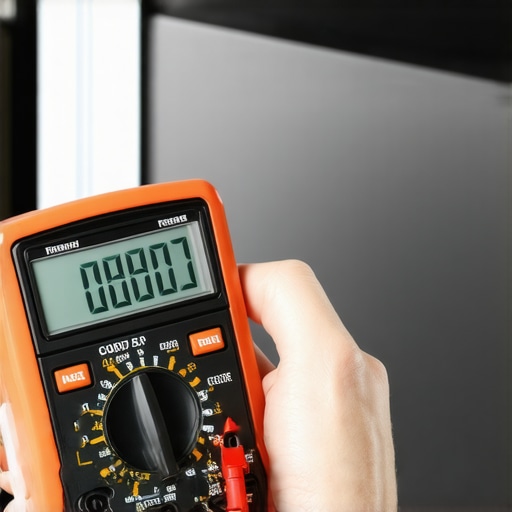
Why keep your diagnostic tools sharp? Investing in quality equipment like a Fluke multimeter or ultrasonic sensor can save you hundreds in repairs and protect your warranty over the long haul.
How do I maintain appliance diagnostics over time?
Regularly calibrate your tools, stay updated with firmware or app updates for ultrasonic and sensor devices, and keep a log of diagnostic results that can help identify recurring issues or trends. Remember, proactive maintenance with the right equipment is your best bet to keep appliances running smoothly and warranties intact. Try routinely checking your control boards with a digital multimeter and see how early issues can be caught before they escalate.
Over the years, I’ve learned that the most valuable lessons in appliance repair often come from mistakes—particularly those that threaten our warranty coverage. One of the biggest revelations was understanding how slipshod repairs or skipping diagnostics can unknowingly void my warranty, leaving me to foot hefty bills. It’s a game of attention to detail, patience, and strategic action.
Lessons That Changed My Repair Approach
- Never skip diagnostics: Confirm the issue with proper testing before buying parts. A multimeter isn’t just a tool—it’s a safeguard against unnecessary expenses and warranty pitfalls.
- Stick to OEM parts: Original parts come with quality and warranty assurance. Trying to save a few bucks on aftermarket parts can backfire if your warranty becomes void due to non-compliance.
- Document meticulously: Keep photos, receipts, and notes of every repair step. Documentation can be your best defense when contesting warranty denials.
- Verify components before replacement: Use laser probes and digital sensors to identify faulty parts accurately. This prevents micro-cracks or micro-failures from slipping past your review, protecting your warranty status.
- Practice delicate handling: Handle sensors and circuit boards with anti-static precautions and patience. Damage here often leads to claim rejections, which are easily avoidable with gentle care.
Tools and Resources I Swear By
- Pro board testing guides—Knowing how to test before buying parts prevents costly mistakes.
- Warranty claim tips— Ensures your documentation and repair process meet warranty criteria.
- Quick repair hacks— Sometimes a simple hardware reboot or test can solve issues without risking your warranty.
- Warranty coverage secrets— Understanding what voids an extended warranty helps you avoid common pitfalls.
Take Action and Protect Your Investment
Remember, appliance repairs aren’t just about fixing what’s broken—they’re about safeguarding your long-term investment. Using proper diagnostics, handling components with care, and keeping thorough records makes all the difference. The more you learn, the better equipped you are to face appliance issues confidently, knowing that your warranty is preserved and your wallet is protected.
So, I challenge you: Are you ready to shift from reactive fixes to strategic, warranty-savvy repairs? Every detail counts, and your appliances—and your peace of mind—will thank you.