

I remember the frustration vividly: standing in my kitchen, dishwasher running for what felt like an eternity, yet the dishes still came out lukewarm at best. It was a familiar scene—one I bet many homeowners have faced. You expect this shiny appliance to do its job, but when it underperforms, it’s more than just a minor annoyance; it can lead to poor cleaning, wasted water, and increased repair costs. That lightbulb moment hit me hard when I realized I was relying on guesswork to diagnose the problem. I’d spent money on expensive sensors and called repair techs, only to find out I was missing a straightforward, budget-friendly solution that I could handle myself. That’s when I discovered the power of a simple, affordable kitchen thermometer. It became my go-to tool for quickly and reliably testing dishwasher temperatures, saving me time and money, and giving me peace of mind. Today, I want to share how this humble device can be your best ally in diagnosing weak dishwasher heat and avoiding unnecessary repairs.
Why Your Dishwasher’s Heat Matters More Than You Think
Start with a Reliable Thermometer Test
My first hands-on move was grabbing a basic kitchen thermometer. I carefully positioned it in the dishwasher’s heating element area after running a cycle. During the test, I noticed the temperature lingered well below the recommended 120°F (49°C). This quick check revealed the heater wasn’t reaching its target, prompting me to dig deeper into the cause. Using a thermometer is straightforward but crucial; it saves endless guesswork and helps decide if professional repair is needed. Be sure to calibrate your thermometer if possible for accurate readings.
Check the Heating Element’s Physical Condition
Next, I turned off the power and examined the heating element visually. It looked intact but felt for any obvious cracks or signs of corrosion. A damaged element prevents proper heating. For a more thorough assessment, I used a multimeter to test continuity—if there’s no continuity, replace the element before proceeding with other checks. Remember, a faulty heating element is a common culprit. If you’re unsure how to perform these tests, consult tutorials like this guide.
Test the Thermostat and Safety Devices
The thermostat controls whether the heat turns on at the right times. After disconnecting power, I located the thermostat and used a multimeter to verify it’s functioning correctly—typically, a closed circuit at room temperature. If it remains open or shows no continuity, it’s defective and needs replacement. Safety devices like thermal fuses or overload switches are equally essential; if these have blown, they cut off power to the heating element, rendering it ineffective. Regular testing ensures safety and proper operation. For detailed diagnostics, check sensor failure tests.
Assess Electrical Connectivity and Control Boards
Sometimes, the issue isn’t the heater or thermostat but the wiring or control board. I followed the wiring diagrams and checked for loose connections or burnt wires. Using my multimeter, I verified voltage delivery to the heater during operation. If voltage reaches the heater but it doesn’t heat, the problem is likely with the control board or relay. Testing the control board involves careful voltage checks at specific points, and if you’re uncomfortable with electronics, consulting tutorials like board diagnostics can be invaluable. Remember, a failed control board can mimic other component issues, so rule it out systematically.
Ensure Proper Water Supply and Drainage
A weak dishwasher heat can sometimes be linked to water issues. I inspected the inlet valve, filters, and drain hose for clogs or kinks. Water in the system affects heating cycles, especially if the dishwasher detects water level errors. For example, a blocked drain or kinked hose may cause the dishwasher to halt the heating process. To avoid this, regularly clean filters and check the drain’s integrity, referencing drainage tips. Ensuring water flow is essential for the heater’s operation and overall cycle success.
Consider External Factors and External Service
If all internal components check out but the dishwasher still underperforms, look at external influences like hard water deposits, improper installation, or power surges. Hard water can lead to mineral buildup on heating elements, reducing efficiency—use descaling agents or professional cleaning as needed. Incorrect wiring or disconnected power supplies can also cause heating failures; verify outlets and circuit breakers are functional. Sometimes, the problem extends beyond DIY fixes, and consulting a licensed technician remains the safest approach. Remember, attempting complex electrical repairs without proper expertise can be dangerous and may void warranties. When in doubt, review warranty terms and consider professional assessment. For more info on warranty protection, see warranty nuances.Many homeowners operate under the false assumption that all appliance issues are straightforward fixes or that warranties cover every repair without hesitation. But in my experience, there’s a nuanced layer most people overlook, leading to costly mistakes and lost guarantees.
Is Your Warranty Really Protecting You or Setting You Up for Denial?
While it might seem prudent to rely solely on warranty coverage, certain actions—like ignoring the fine print or performing unauthorized repairs—can void your coverage altogether. For example, many fail to realize that replacing parts with non-OEM components can jeopardize warranty claims, as highlighted in studies by the Consumer Reports Institute. Moreover, mishandling diagnostic tests or misinterpreting appliance behavior often leads to unnecessary service charges.
One prevalent myth is that calling a technician immediately halts your warranty protections. In reality, documenting diagnostics—such as using a multimeter to verify control board voltages—can strengthen your claim and avoid unnecessary expenses. However, avoid common pitfalls like testing components without proper grounding, which might cause further damage or false negatives. To gain the upper hand, homeowners should understand the subtle requirements of warranty clauses. For instance, this test demonstrates the importance of proper diagnostics before any repairs, ensuring your warranty remains intact.
Mastering the Nuance of Diagnostic Precision
While basic troubleshooting is accessible to many, advanced diagnostics require a keen understanding of appliance control systems. For example, discerning between control board failure and sensor malfunction can prevent unnecessary replacements. Using tools like a smartphone with specialized apps or precision multimeters can provide clarity—saving time and money. Remember, a misdiagnosis often results from neglecting the specific nuances of appliance electronics, leading to failed warranty claims or worse, voided coverage. Take control by educating yourself on these intricacies, and always record your diagnostic process with photos or videos for future reference during warranty disputes.
In the end, knowing the fine print and how to conduct precise diagnostics is vital. It’s easy to fall into the trap of oversimplified solutions or dismissing warranty conditions as overly cautious. But in my experience, a strategic, well-informed approach ensures that your repair costs remain minimal, and your warranty protection stays active. Don’t let common myths or half-baked diagnoses undermine your appliance maintenance efforts. Instead, embrace the deeper understanding and avoid the pitfalls that many unwittingly encounter. If you want to delve deeper into specific troubleshooting techniques, check out this guide or share your experiences below. Remember, mastery begins with recognizing what most get wrong. Have you ever fallen into this trap? Let me know in the comments.Maintaining your dishwasher’s performance over time requires investing in the right tools and adopting consistent maintenance routines. One of my most trusted devices is a high-precision digital multimeter, like the Fluke 117. I use it routinely to verify the integrity of control boards, thermostats, and heating elements, especially during diagnostics. Unlike generic testers, this multimeter offers millivolt accuracy and true RMS readings, ensuring precise measurements that can prevent unnecessary replacements. For instance, testing voltage at the control board ensures your component is receiving proper power, helping you isolate issues accurately without guesswork.As technology evolves, diagnostic software that interfaces with smart dishwashers is becoming invaluable. Tools like Appliance Diagnostics Apps sync with Wi-Fi-enabled models, providing real-time error logs and system status that previously required professional equipment. I personally utilize these apps on a tablet during inspections, which saves time and enhances diagnostic confidence. They often reveal subtle faults like transient control board failures or sensor glitches, which are easy to overlook with traditional tools. Incorporating these digital solutions can prolong your appliance’s lifespan and avoid costly repairs.
How do I maintain my dishwasher’s performance over time?
First, schedule regular cleaning of the spray arms and filters—clogged nozzles significantly reduce cleaning efficiency. Also, periodically check the wiring connections and replace any corroded terminals to prevent electrical issues. Implementing a weekly temperature check with your digital thermometer can prevent heat-related failures; if you notice inconsistent temperatures, hyper-focus on inspecting the thermostat and wiring. For a comprehensive approach, I recommend inspecting the control board’s voltage outputs monthly, following detailed tutorials like this expert guide. Regular diagnostics combined with proactive cleaning can drastically improve long-term reliability. Additionally, ensure your warranty remains valid by avoiding unauthorized repairs—review this tip to confidently diagnose sensor failures without risking warranty voidance. Trying out a detailed voltage test at the control board, for example, can save you from replacing parts unnecessarily and preserve your warranty coverage. Staying vigilant and employing these precise tools will keep your dishwasher running smoothly for years to come. 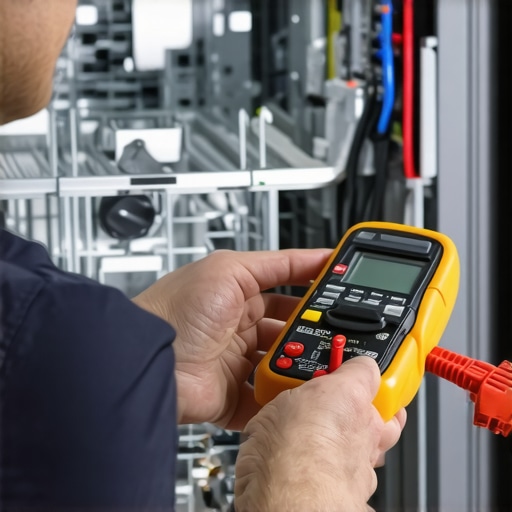
The Hardest Lesson I Learned About Dishwasher Troubleshooting
Early on, I believed that simple visual inspections would catch most problems. That misconception led me to overlook internal electrical issues that only testing with proper tools would reveal. The true eye-opener was realizing how nuanced diagnostics can prevent unnecessary part replacements, saving me both time and money.
3 Myths About Dishwasher Warranties That Held Me Back
I used to think that any DIY repair would void my warranty automatically. It turns out that understanding warranty clauses and documenting your diagnostic process can actually keep your coverage intact. This shift in mindset empowered me to take control without the fear of losing protection.
What Experts Won’t Tell You About Fixing Weak Dishwasher Heat
Many technicians keep quiet about how minor wiring issues or mineral deposits can drastically impair heating efficiency. Learning to spot these hidden causes through careful testing and maintenance can prolong your dishwasher’s lifespan and avoid costly repairs.
My Essential Toolkit for Diagnosing Dishwasher Heat Issues
Investing in a high-quality digital multimeter, like the Fluke 117, has been a game-changer. Coupled with smartphone-based diagnostic apps for Wi-Fi-enabled models, these tools allow for precise, real-time assessments—making troubleshooting more effective and less stressful.
Your Turn to Try Making a Difference
Now that you know how a simple kitchen thermometer and some basic testing can demystify dishwasher heat problems, it’s your move. Don’t let uncertainty hold you back from saving money and ensuring your appliance runs smoothly. Share your experiences or ask questions below—I’m here to help you master your troubleshooting journey!
,