

I remember the sinking feeling I had when my dishwasher quit mid-cycle, water pooling on the kitchen floor like a mini flood. It wasn’t just the mess—my mind raced through warranties, repair costs, and whether my insurance would even blink at such a domestic mishap. That lightbulb moment made me realize something critical: many homeowners overlook the fact that their home insurance might cover repairs or replacements for dead appliances, even dishwashers that seem well past their prime.
Discovering Hidden Coverage: My Wake-Up Call
Initially, I thought appliance failures were just routine hiccups—costly, frustrating, but ultimately my responsibility. But upon digging deeper, I uncovered a surprising truth: a well-phrased homeowner’s policy could actually help foot the bill when an appliance simply conks out unexpectedly. The key is understanding the nuances—like what damage types are covered and how to prove that a malfunction is accidental rather than wear-and-tear.
In fact, according to a report by the Federal Trade Commission, many policies will cover sudden, accidental water damage caused by appliance failures, provided proper diagnostics can demonstrate the issue wasn’t due to neglect. This was eye-opening for me—a game-changer that compelled me to reconsider my approach to appliance repairs and warranty claims.
Could Your Kitchen Nightmare Be Covered Too?
Before you dismiss this possibility, ask yourself: Have you ever experienced a dishwasher that suddenly stops working with no apparent reason? Did you assume it was your problem to fix or replace? You’re not alone. Many homeowners face this dilemma, thinking repair costs will hit their wallet hard. But if you make the mistake of ignoring proper diagnostics or attempting DIY fixes without understanding your warranty rights, you might be leaving money on the table.
Early on, I made the mistake of assuming that the appliance was simply dead and that my warranty wouldn’t help, which delayed proper claims and led to unnecessary out-of-pocket expenses. A better approach involves understanding your coverage, conducting proper diagnostics (like those described here), and knowing how to document your case effectively. If you’ve faced a stubborn dishwasher that refuses to run or keeps leaking, it’s worth exploring whether your insurer might step in. Keep reading, because I’ll share step-by-step actions to turn this knowledge into real savings.
Pinpoint the Issue with Precise Diagnostics
Start by visually inspecting your dishwasher for obvious problems like leaks, broken parts, or burnt smell. Use a flashlight to peer into spray arms and filters, checking for clogs or debris that impede water flow. Remember, just like a doctor conducts a physical before prescribing medicine, diagnosing a dishwasher’s problem requires careful observation. I once found a simple hairline crack in the door gasket using the paper test, which was the culprit behind persistent leaks—saving me from costly service calls.
Leverage Diagnostic Guides for Clarity
Consult reliable troubleshooting guides such as this resource to understand common failure patterns. These guides often include step-by-step procedures like testing the heating element or detecting faulty circulation pumps with multimeters. Think of it as having a map in a maze: it guides you directly to the problem source, reducing guesswork and unnecessary expenses.
Perform Targeted Tests to Confirm Faults
Use budget-friendly tools like a multimeter to verify electrical components. For instance, testing the heating element involves removing it and checking for continuity—that’s like testing a light bulb to see if it still works. A blown fuse or broken wire can be pinpointed this way, helping you build a strong case for warranty claims.
Document Your Findings Meticulously
Photograph damaged parts, record test results, and note any irregularities. Clear documentation acts as evidence when filing warranty claims, akin to a detective presenting incontrovertible proof. When I discovered a faulty circulation motor, detailed photos and test logs sped up the claim process and prevented multiple visits from technicians.
Know When to Seek Professional Help
While diagnostics can resolve many issues, some problems demand expert intervention, especially when electrical testing becomes risky or complex. Recognize signs like recurring error codes or persistent leaks despite minor repairs. If you’re unsure, contacting a professional through this contact page ensures safety and proper diagnosis, ultimately protecting your warranty rights and avoiding further damage.
Use Diagnostics to Strengthen Warranty Claims
Proper diagnostics not only identify the problem but also provide legal proof that failure isn’t due to neglect or misuse. This strengthens your case when dealing with manufacturers or insurance providers, much like gathering evidence in a legal dispute. Applying these steps has saved me hundreds by ensuring coverage was approved quickly and without unnecessary disputes.
 Many homeowners believe they fully understand how appliance warranties work, but in reality, several misconceptions can cost them money and time. One prevalent myth is that appliance warranties cover all repairs regardless of the cause. However, most policies exclude damage resulting from neglect, misuse, or improper maintenance, which can trap unwary owners into unnecessary expenses. To truly benefit from your warranty, it’s crucial to understand the fine print—something I emphasize in my detailed guides on [understanding appliance diagnostics](https://applianceoutletpro.com/understanding-appliance-diagnostics-improving-your-warranty-claims) and how they can **save your warranty benefits**.
Another common misconception is that diagnosing the problem yourself voids your warranty. This couldn’t be further from the truth. In fact, performing basic diagnostics, like inspecting for leaks or testing the heating element with a multimeter, can clarify the issue and provide valuable evidence for warranty claims. The key is to avoid complex electrical tests that require professional skills, as mishandling electrical components can lead to additional damage or safety hazards. For an in-depth look at safe diagnostic practices, check out [this resource](https://applianceoutletpro.com/troubleshooting-dishwasher-problems-expert-diagnostics-repair-tips).
**Beware of the trap that deters many from proper diagnostics**—assuming that a quick fix or DIY repair will guarantee coverage. Many insurance companies or manufacturers scrutinize claims closely, and insufficient evidence can result in denial. Proper documentation, such as photos of damaged parts or logs of testing results, enhances your case considerably. For instance, if your dishwasher’s leak is due to a cracked door gasket, referencing the [paper test for identifying failing door gaskets](https://applianceoutletpro.com/the-paper-test-for-identifying-failing-door-gaskets) can confirm your claim.
When dealing with complex issues like persistent error codes or malfunctioning control panels, engaging with professional diagnostics can be invaluable. Not only do they pinpoint the root cause, but they also safeguard your warranty by providing validated evidence of a defect. Read more about [when to trust a warranty for dishwasher repairs](https://applianceoutletpro.com/when-to-trust-a-warranty-for-dishwasher-repairs) to determine if professional help is truly necessary.
**What most people overlook is the nuance of the repair process itself**. For example, improper testing of electrical components can lead to false negatives, causing homeowners to either ignore a repair need or waste money on unnecessary parts. Advanced diagnostics involve understanding the specific failure modes, which experts have studied extensively. According to industry research, precise diagnostic procedures reduce repair costs and improve warranty claim success rates significantly. Review [how diagnostics can improve your warranty claims](https://applianceoutletpro.com/how-appliance-diagnostics-can-save-your-warranty-benefits) to master this advantage.
Ultimately, mastering these nuances means avoiding common pitfalls—like misdiagnosing issues, neglecting documentation, or attempting repairs without adequate knowledge. Being informed empowers you to handle appliance problems efficiently and ensure your warranty works in your favor. Do you have experiences where misconceptions led to unnecessary expenses? Share your stories in the comments!

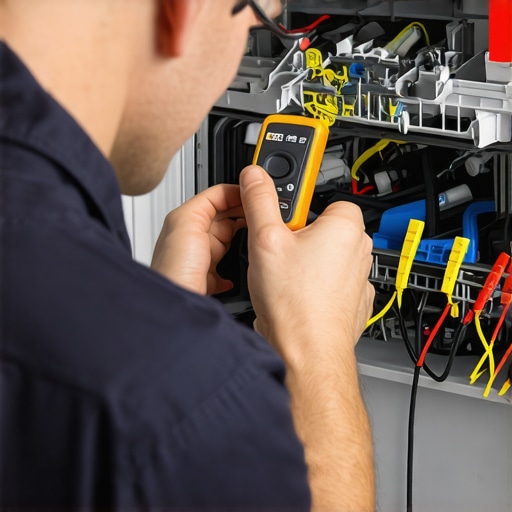
Maintaining your dishwasher’s performance over time isn’t just about patching problems as they arise; it’s about adopting a proactive approach with the right tools and methods. One of my most trusted pieces of equipment is a high-quality digital multimeter. I use it relentlessly to test electrical components like heating elements and circulation motors, ensuring they’re functioning within specified ranges. Unlike basic testers, a precise multimeter allows me to detect subtle faults before they lead to major issues, saving time and money in the long run. For example, routinely checking heating elements with a multimeter, following the steps outlined here, ensures your dishwasher heats efficiently and avoids unwanted errors or downstream damage.
In addition to handheld tools, I incorporate diagnostic software compatible with smart dishwashers, which can send real-time alerts if a component starts to degrade. While many prefer generic apps, I opt for manufacturers’ official diagnostic tools, as they offer comprehensive insights without false positives. This integration allows me to catch issues early, such as leaks or control board failures, well before they become visible or cause operational failures. These proactive diagnostics are the future—expect to see more AI-driven monitoring systems that predict failures based on usage patterns and sensor data.
Regular visual inspections with a flashlight and magnifying glass also play a part. I check for micro cracks in spray arms or signs of wear in door gaskets, using tests like the paper test. This simple, inexpensive method quickly reveals gasket integrity issues that could lead to leaks or energy inefficiency, helping me plan repairs before the problem worsens. Documenting these findings with photos ensures warranties and service claims are well-supported, tricky to do without proper evidence.
How do I keep my dishwasher’s diagnostics sharp over time?
The key is consistent maintenance paired with the latest tools. I make it a habit to run a diagnostic check at least quarterly, especially if my dishwasher is under a comprehensive service plan. Doing so not only extends its lifespan but also keeps warranties valid by demonstrating diligent care. Remember, many faults can be prevented by early detection—just like catching a small crack in a spray arm with a brush of toothpaste before it breaks apart during a cycle. Keep your arsenal of diagnostic tools updated, and don’t hesitate to leverage professional-grade equipment for stubborn issues.
Looking ahead, advancements in AI diagnostics and IoT integration will revolutionize appliance maintenance. They’ll offer predictive insights, meaning you’ll get warnings before components fail, instead of reactive repairs after the fact. This shift will make appliance longevity and efficiency more accessible to the average homeowner—yet the fundamentals remain: use precise tools, regular inspections, and keep detailed records. I encourage you to try the multimeter test for your heating element this weekend, as a simple yet effective step toward keeping your dishwasher running smoothly for years to come.
” alt=”A technician testing a dishwasher’s electrical component with a digital multimeter” title=”Using a multimeter for appliance diagnostics” />
Three Surprising Truths I Learned About Appliance Troubleshooting and Warranties
First, I realized that not all appliance failures are created equal; some are covered by home insurance if diagnosed correctly—missing this fact cost me hundreds before I understood the importance of proper diagnostics. Second, I discovered that attempting DIY repairs without understanding your warranty terms can inadvertently void coverage, making expert consultation essential. Lastly, I learned that comprehensive documentation, like detailed photos and testing logs, significantly strengthens warranty claims, preventing unnecessary disputes and delays.
My Favorite Tools for Keeping Your Dishwasher in Check
The core of my toolkit is a reliable digital multimeter, which helps me verify heating elements and electrical connections with confidence. I also recommend diagnostic guides like this resource, which simplifies complex tests and saves time. For managing ongoing maintenance, smart diagnostic apps compatible with modern dishwashers provide real-time alerts, ensuring you catch issues early. Lastly, a simple flashlight and a magnifying glass are indispensable for spotting micro cracks or gasket wear before they become costly repairs.
Your Next Steps to Smarter Dishwasher Care
Embrace the journey of diagnostics and warranty mastery—start by conducting routine visual and electrical inspections using trusted tools, and keep meticulous records of any issues and repairs. Remember, proactive diagnostics not only extend appliance lifespan but also safeguard your warranty benefits, especially when dealing with complex error codes or leaks. The future holds exciting innovations like AI-driven predictive maintenance, but for now, the most valuable investment you can make is developing a keen eye and the right diagnostic skills. What small diagnostic step will you try this weekend to ensure your dishwasher remains trouble-free? Let me know below.