

It happened unexpectedly one morning—my dishwasher, suddenly dead after a power surge. I had just finished loading it with a fresh batch of dishes, counting on it to be done before I left for work. But instead of the cheerful hum of cleaning cycles, I was met with silence and a stubbornly full, waterlogged tub. That lightbulb moment made me realize: a power surge can do more damage than just flickering lights. It disrupts sensitive components inside your appliances, especially your dishwasher’s electronics and drainage system.
Understanding the Drainage Dilemma
When your dishwasher refuses to drain following a power surge, it’s often a sign that something inside has been jolted or fried. I learned this the hard way early on, making the mistake of assuming a simple power cycle would reset everything. Instead, I realized that the surge might have damaged the control board or the drain pump—components that are crucial for emptying out water properly.
Here’s the thing: appliances are intricate systems, and a surge can impact multiple parts simultaneously. The control board, often considered the brain of your dishwasher, might have become unresponsive or malfunctioned. Similarly, the drain pump, responsible for expelling water, could have burned out or become clogged due to electrical issues. So, what can we do next?
If you’ve faced similar problems, you’re not alone. Many homeowners overlook the potential damage a power surge can cause, jumping straight into costly repairs or replacements. But before calling in the pros, it’s worth understanding what’s going on inside—and that’s where diagnostics come in. Sometimes, the cause is as simple as a clogged filter or a tripped circuit breaker, but other times, it’s a more serious electrical fault.
To prevent voiding your warranty or causing further damage, consider reading more about [when to trust a warranty for dishwasher repairs](https://applianceoutletpro.com/when-to-trust-a-warranty-for-dishwasher-repairs), or explore detailed diagnostics that can save your appliance and your wallet. Trust me, knowing exactly what’s wrong is the first step toward fixing it efficiently.
Now, let’s dive into the core reasons your dishwasher might be stubbornly holding onto water and how you can troubleshoot or fix them yourself—saving money and frustration in the process.
Start with Safety and Reset
Before diving into diagnostics, unplug the dishwasher from the power outlet to avoid electrical shock. Wait for at least 10 minutes to allow residual power to drain. Plug it back in and try running a simple cycle—if it responds, this can sometimes reset minor control board glitches. Remember, a power surge can cause temporary glitches; a reset might just clear them.
Check and Reset the Circuit Breaker
Locate your home’s circuit breaker panel and identify the breaker connected to the dishwasher. Reset it by flipping it off then on again. If the breaker tripped due to the surge, resetting it might restore power, but be cautious—if it trips again immediately, consult an electrician or appliance technician as there could be internal damage.
Inspect the Control Panel and Door Latch
Access the control panel to look for any visible signs of damage, burnt components, or corrosion. Use a multimeter to test for continuity if you’re comfortable with electrical testing. Also, ensure the door latch is functioning; a faulty latch can prevent the dishwasher from starting or draining properly, mimicking electrical faults. Test the latch by trying to latch and unlatch it firmly while observing its movement.
Evaluate the Drain Pump and Filter
Since draining issues often follow surges, remove the bottom panel or kickplate to access the drain pump and filter assembly. Clear any debris or clogs. Spin the pump impeller manually—the motor should spin freely without resistance. If it feels stiff or makes grinding noises, the pump might have burned out. Replacing the drain pump is a common repair after a power surge damaging electrical components.
Test Critical Components with a Multimeter
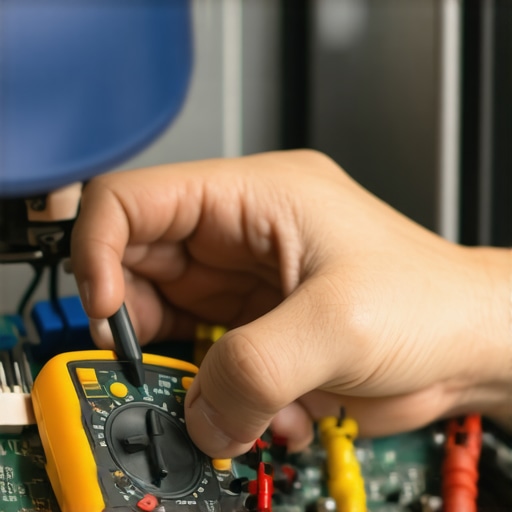
Using a multimeter, check the control board’s fuses and relays for continuity. Refer to the manufacturer’s wiring diagram for pinouts. If the control board or relays are fried, replacing the control board becomes necessary. Learn how to perform basic multimeter tests here. Remember, a damaged control board not only impairs drainage but can also cause loading or heating issues.
Address Faulty or Loose Wiring
Power surges often cause loose or melted wiring connections inside the dishwasher. Carefully inspect wiring harnesses for discoloration, burns, or disconnected plugs. Tighten loose connections and replace damaged wires. If wiring damage is extensive, consider consulting a professional to avoid further harm or voiding warranty.
Evaluate and Replace Damaged Parts
If your diagnostics reveal a blown fuse, damaged drain pump, or fried control board, replacement parts are required. Use verified OEM parts to ensure compatibility and longevity. Be cautious of counterfeit parts—verify authenticity before purchasing. For guidance on replacing these components, consult expert diagnostic tips.
Document Findings for Warranty Claims
If your dishwasher is under warranty, document all repairs, tests, and replaced components thoroughly. Taking photographs and noting serial numbers can streamline your claim process. Remember, proper diagnostics are crucial—uncovering the root cause helps prevent future issues.
Decide When to Call a Professional
While DIY diagnostics can save money, complex electronics or burned control boards might require expert repair. If tests indicate severe damage or you’re uncomfortable working with electrical systems, it’s safer to contact a certified appliance technician. You can reach them through contact us for professional service.
 When it comes to troubleshooting dishwashers and navigating warranty claims, many homeowners operate under assumptions that can actually hinder effective repairs. A common myth is that if resetting the appliance doesn’t solve the issue, the problem must be a major component failure, leading to unnecessary replacements. In reality, many faults are due to minor, easily overlooked issues like loose wiring or clogged filters, which can be diagnosed with proper testing techniques outlined in [professional diagnostic methods](https://applianceoutletpro.com/how-appliance-diagnostics-can-save-your-warranty-benefits). Another widespread misconception is that warranty coverage applies automatically after a fault occurs. However, manufacturers often require thorough diagnostics and proper documentation to process claims successfully. Rushing into repairs without understanding your warranty’s nuances risks voiding the coverage altogether, as detailed in [warranty troubleshooting guides](https://applianceoutletpro.com/when-to-trust-a-warranty-for-dishwasher-repairs).
Many assume that all third-party parts are equal—when in fact, counterfeit or substandard components can cause further damage and void support agreements. Always verify parts using authentic sources, as emphasized [here](https://applianceoutletpro.com/how-to-spot-a-failing-diverter-motor-by-ear).
The real challenge lies in recognizing the complex, interconnected nature of appliance systems. For instance, a drain issue might stem from a faulty control board or wiring problem rather than a simple clog, which is why advanced diagnostics are crucial. This insight, backed by expert research, demonstrates that a comprehensive approach minimizes downtime and preserves warranty benefits.
Misdiagnosing your dishwasher’s fault might seem convenient at first, but it often leads to costly mistakes like replacing parts unnecessarily or losing warranty protections. Hence, investing time in correct diagnostics, understanding warranty conditions, and avoiding the trap of assumptions can save you time and money. For more in-depth advice on proper troubleshooting, visit our guide on [testing your dishwasher protections](https://applianceoutletpro.com/troubleshooting-dishwasher-problems-expert-diagnostics-repair-tips) and remember—professional help can be a smart move when in doubt.
Have you ever fallen into this trap? Let me know in the comments.
Investing in Reliable Diagnostic Tools
As someone who repairs appliances regularly, I rely heavily on a sturdy multimeter for diagnosing electrical faults. A high-quality digital multimeter allows me to quickly check continuity, voltage levels, and resistance in various components, ensuring precise diagnostics. I personally prefer models with auto-ranging capabilities and a backlit display, which simplifies working in dimly lit spaces. For example, when testing a control board, I use the multimeter to verify fuses and relays, which are critical for understanding if the electronics are still viable. Regularly testing these parts prevents unnecessary replacements and extends the lifespan of your dishwasher.
Maximizing the Effectiveness of Specialized Inspection Cameras
Another tool I find invaluable is a compact endoscope or inspection camera. It grants me a clear view inside confined spaces, such as the sump area or behind panels, without the need for disassembly—saving time and reducing risk of damage. When inspecting draining systems or seals, this camera helps me detect buildup, corrosion, or hidden cracks. Investing in a good-quality inspection camera with adjustable lighting significantly improves diagnostic accuracy. As appliance electronics become more complex, having a visual aid becomes non-negotiable for efficient maintenance.
Leveraging Diagnostic Software and Apps
In the era of smart appliances, I utilize diagnostic software compatible with the manufacturer’s systems. These apps provide real-time data logs and error code analysis, making troubleshooting faster and more accurate. For instance, connecting my laptop or smartphone to a compatible dishwasher model allows me to retrieve detailed fault reports, which inform targeted repairs. As technology progresses, software updates are essential to access new diagnostic features—keeping your tools current is a smart move for long-term maintenance.
Preparing for Long-Term Results and Scaling Up
One key to keeping your dishwasher in top shape over years is routine testing of critical components, such as the water inlet valve, heater, and drain pump. Using a multimeter to monitor their health periodically helps identify early signs of failure, avoiding costly breakdowns. Additionally, keeping spare parts like relays and filters on hand means you can scale your maintenance efforts without delay, minimizing downtime. Building this kind of proactive approach not only prolongs the machine’s lifespan but also preserves warranty protection, especially if you document all inspections thoroughly, as discussed in this guide.
How do I prevent minor issues from becoming costly repairs?
Consistency is the secret. Regularly inspecting and testing components, keeping tools updated, and following manufacturer guidelines ensures your dishwasher performs reliably over the years. Predictive maintenance, guided by diagnostic tools, allows you to address potential problems early—saving you money and stress in the long run. Investing in quality equipment now, like a reliable multimeter or inspection camera, pays dividends by catching issues before they escalate. Want to make your maintenance more effective? Start by regularly testing your control board and drain pump using your multimeter—this simple step can reveal hidden faults before they cause major failures.
The Hidden Lessons Power Surges Taught Me About Appliance Repair
One of the biggest revelations from my experience with appliance repairs is that even minor electrical issues can cascade into major problems if overlooked. I once dismissed a flickering control panel, only to find weeks later that it led to a complete drain failure. This taught me to prioritize thorough diagnostics over quick fixes, understanding that the root cause often lurks beneath the surface.
Secondly, I learned that warranties are only as good as the documentation and diagnostics I provide. Rushing into parts replacement without proper testing can void coverage, so I now record every step and use professional diagnostic techniques to support my claims.
Another lightbulb moment was realizing how crucial quality parts are. Using counterfeit or substandard components might seem like saving money initially, but it can cause more damage and void warranties. Investing in OEM parts ensures longevity and peace of mind.
Lastly, I discovered that patience and the right tools—like a reliable multimeter and inspection camera—are game changers. They enable me to perform precise diagnostics, saving time and avoiding unnecessary repairs. This proactive approach has transformed my appliance maintenance and helped me preserve warranties.
Tools and Resources That Keep Me Ahead in Dishwasher Diagnostics
My top choice is a versatile digital multimeter. It allows me to quickly verify fuse continuity, measure voltage levels, and test relays—a fundamental step before considering component replacement. I trust models with auto-ranging features and durable build quality; they make testing straightforward and reliable. Learning proper multimeter usage has empowered me to troubleshoot with confidence.
An inspection camera has become indispensable for peering into narrow spaces without disassembly. It helps me spot blockages, corrosion, or damaged wiring behind panels, which can be overlooked during a visual scan. A good-quality camera with adjustable LED lighting makes diagnostics more accurate and less invasive.
Software tools and error code readers are increasingly vital, especially with smart dishwashers. They provide real-time data logs and fault analysis, reducing guesswork and helping me target repairs more effectively. Keeping firmware updated ensures I access the latest diagnostic features.
Also, maintaining a well-stocked kit of OEM replacement parts and wiring harnesses saves me from delays when urgent repairs arise. Being proactive with spare components minimizes downtime and helps me keep warranties intact by documenting each part replaced and repair performed.
Embracing a Future of Smarter Repairs and Better Outcomes
Empowered with the right diagnostics tools and knowledge, I feel confident tackling appliance issues early—before small glitches become costly disasters. Sharing this approach not only saves money but also extends the life of my appliances and preserves warranty benefits. Remember, detailed diagnostics and proper documentation are your best allies in appliance repair. For more insights on effective troubleshooting, explore this comprehensive repair guide. Keep learning and stay proactive—your dishwasher and warranty will thank you!