

Have you ever watched in frustration as your dishwasher drains more soap than it uses, or worse, leaves your glasses with soap residue? That lightbulb moment hit me after I watched a stubborn streak of soap scum stubbornly cling to my dishes despite a fresh cycle. I realized I wasn’t alone in this struggle—many homeowners face the same perplexing problem: an auto-dose system wasting liquid soap without delivering the cleaning power expected. It’s annoying, costly, and—here’s the kicker—entirely preventable.
The Hidden Waste in Your Dishwasher’s Auto-Dose System
Getting my dishwasher to run efficiently seemed straightforward at first. I installed the auto-dose feature, set it, and hoped for sparkling results. But then, I noticed something alarming—my soap dispenser emptied faster than I could refill it, and my dishes still had spots or streaks. Turns out, these systems often waste soap due to clogs, misadjusted sensors, or habits I hadn’t even considered. Professional diagnostics reveal that many issues stem from overlooked simple causes like hard water buildup or incorrect calibration.
Are we throwing money away on soap that never gets used effectively?
Early on, I made the mistake of assuming the problem was with the quality of the soap or my machine’s age. But after some troubleshooting, I found that many of my problems could be traced back to a common mistake: neglecting to check the water softening system and sensor calibration. It’s easy to get frustrated and assume a full overhaul is needed. However, understanding the nuances of appliance diagnostics can save you hundreds and extend the life of your dishwasher.
If you’ve been dealing with soap waste and subpar cleaning, you’re not alone. Knowing what to look for and how to interpret diagnostic signs makes all the difference. Ready to see how simple adjustments can turn your wasteful system into a lean, mean cleaning machine? Let’s dive into the practical steps that will help you fix this issue once and for all.
Inspect the Water Softening System
Begin by checking if your water softening system is functioning properly. Hard water leads to mineral buildup that can clog sensors and water channels, causing over-dosing of soap. Turn off the dishwasher, locate the softener (usually near the salt reservoir), and remove any visible salts or mineral deposits. Use a soft brush to clean the contacts and refill the salt if necessary. Hard water issues are the common culprit behind excessive soap use. Recalibrating sensors often follows this step, which can dramatically improve soap efficiency.
Test and Calibrate Sensors
Next, identify if sensors responsible for detecting soil level or water in your dishwasher are working accurately. Many models have diagnostic modes; consult your manual or try a 30-second sensor reboot. For sensors to give correct readings, their water level detectors must be clean and free of soap scum. To test this, fill the machine with water manually and run diagnostics—if your machine displays incorrect levels, sensors likely need recalibration or replacement. Accurate sensors prevent unnecessary soap release, saving costs and avoiding streaks.
Clean Water Inlet Valves and Filters
Inspect the inlet valve and filters for clogs or debris, which interfere with water flow, leading to sensor misreads and over-dosing. Turn off the water supply, disconnect the inlet hose, and check for clogging in the filter screen. A clogged filter creates inconsistent water levels, prompting the machine to compensate by releasing more soap. Clear any blockages and reassemble. Regularly cleaning these parts is a simple way to maintain optimal operation. Learn more about inlet valve maintenance.
Perform a Multimeter Test on Electrical Components
Using a multimeter, verify the electrical continuity of sensors and valves. Set the multimeter to the ohms scale, connect probes to sensor terminals, and check for proper resistance as specified in your appliance manual. A reading outside the acceptable range indicates a defective sensor. Replace faulty parts promptly; this prevents miscommunication between the system and sensors, which is a common cause of soap waste. If unfamiliar with multimeter use, consider professional diagnostics—more info at diagnostics for warranty.
Adjust and Test the Dispensing Mechanism
Many auto-dose problems stem from a misaligned or stuck dispenser door. Remove the detergent dispenser and check for dirt, residue, or hardened soap that may cause jams. Lubricate hinges with a dry silicone spray, avoiding oils that can attract dirt. Ensure the dispenser opens fully during cycles by manually triggering the door and observing. A correctly functioning dispenser prevents excess soap release. I had a messy experience when I forgot to clean the dispenser and watched soap flood my dishwasher—clearly a maintenance matter.
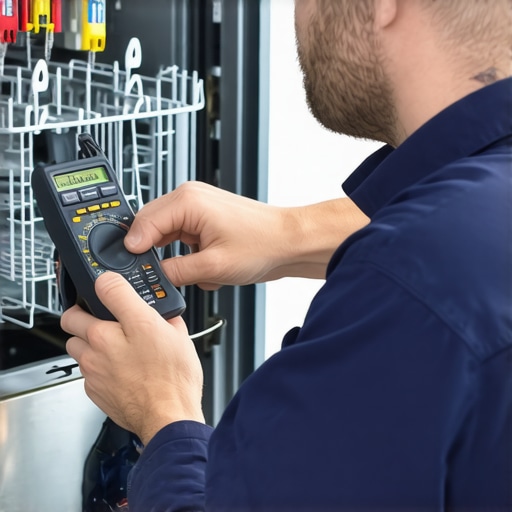
Properly calibrated sensors and cleaned components ensure your dishwasher dispenses the right amount of soap, saving money and preventing streaks. Regular maintenance, sensor tests, and component checks are straightforward steps to cure excess soap waste.
Many homeowners operate under misconceptions about appliance warranties and diagnostics that can jeopardize their chances of getting effective repairs or coverage. Contrary to popular belief, simply calling the manufacturer or an authorized technician doesn’t guarantee a successful warranty claim—especially if you overlook the nuances of diagnostics and proper documentation. Knowing how to interpret diagnostic signs and understanding the hidden intricacies of appliance issues can mean the difference between a free repair and a costly out-of-pocket expense.
A common myth is that all faults are covered under warranty as long as the appliance is still within the warranty period. While this sounds logical, trusting a warranty blindly can backfire if the problem stems from user neglect, improper maintenance, or preventable issues not documented properly. Warranty providers often deny claims if you haven’t demonstrated that you followed all maintenance protocols or if your diagnostics don’t match their criteria.
Another misconception involves the role of diagnostics. Many think that a simple reset or a basic visual inspection suffices. Advanced diagnostics reveal the true cause of appliance failures, but misreading them or skipping detailed tests can lead to incorrect repairs or rejections. For example, a faulty water inlet valve might be mistaken for a control board issue, costing you unnecessary expenses.
One of the biggest pitfalls is neglecting proper documentation. Recording error codes, taking photos of damaged parts, and noting timestamped maintenance activities are critical. Without this evidence, warranty claims can be dismissed. Experts recommend creating a comprehensive repair log, especially when dealing with recurring issues or known manufacturing defects. For a detailed guide on negotiating warranty claims successfully, read this insightful article.
Are you overestimating the reliability of diagnostics alone?
Let’s face it—diagnostics are only as good as the technician interpreting them. Relying solely on a machine’s readings without understanding the nuance can lead to false positives or missed faults. Studies show that proper photographic documentation significantly increases agent confidence in your claim. Remember, manufacturers and warranty providers look for evidence of a fault that aligns with diagnosed issues. Your role is to prioritize accurate diagnostics, meticulous documentation, and knowing when to escalate to professional diagnostics if simple tests fail.
Let’s not forget that many appliance failures are linked to preventable causes. Hard water buildup, improper installation, or neglected maintenance often masquerade as manufacturing defects. Educating yourself on these nuances can save hundreds in repair costs or claim rejections. For instance, the
Essential Tools for DIY Dishwasher Maintenance
Keeping your dishwasher running smoothly over the long term requires investing in some reliable, specialized tools. I personally rely on a high-quality multimeter, like the Fluke 117, to test electrical components such as sensors, valves, and control boards. Its precision allows me to quickly identify faulty parts that might be wasting soap or causing cycle failures. Alongside the multimeter, a small set of screwdrivers—including Phillips and flat-head—are indispensable for removing panels and inspecting internal components without risking damage.
Another tool I highly recommend is a flexible drain cleaning brush, which helps in clearing out debris from water inlet filters and spray arms. Regular maintenance of these parts ensures sensors remain unobstructed, preventing over-dosing of soap and ensuring optimal cleaning results. I’ve found that a digital borescope camera, like the Depstech, allows me to peer into tight spaces—such as behind the filter or under the spray arms—to identify hidden blockages without dismantling the entire unit. These diagnostic tools make troubleshooting faster and more accurate, saving you costly repair visits.
Using Software and Diagnostic Modes Effectively
Most modern dishwashers feature diagnostic modes accessible via specific button presses or sequences. I use these modes extensively to verify sensor outputs, water level readings, and error codes. For example, running the water fill test in diagnostic mode can reveal whether sensors are reporting correct water levels. I recommend consulting your appliance’s manual or manufacturer’s online resources to understand how to activate these tests—often, they are straightforward yet overlooked.
By utilizing diagnostics thoroughly, you can pinpoint issues like sensor misalignment or faulty water inlet valves early, which extends your appliance’s lifespan. Plus, staying familiar with these features enhances your ability to communicate effectively with repair professionals or warranty service providers, which can be critical for successful claims. For more detailed guidance, visit this resource on appliance diagnostics.
Future Trends in Dishwasher Maintenance and Diagnostics
Looking ahead, I see smart diagnostics and IoT integrations revolutionizing appliance maintenance. Future dishwashers will likely self-diagnose issues and notify homeowners or service centers proactively, reducing downtime. Staying ahead of the curve by understanding current diagnostic techniques now ensures you’re prepared for these advancements, making repairs faster and more cost-effective. As technicians increasingly rely on software to identify faults, having the right tools and knowledge will remain crucial.
How do I maintain my dishwasher’s performance over time?
Consistent maintenance starts with routine inspections of water inlets, spray nozzles, and filters. Using tools like a multimeter to check electrical sensors and running diagnostic modes at least twice a year help detect early signs of wear. Keep an eye on hard water buildup, which can be mitigated by installing a water softener or using appropriate salt. Regularly cleaning the spray arms with the toothbrush trick prevents clogs that lead to sensor misreads. And if you’re ever in doubt, consulting professional diagnostics can save you from costly repairs or warranty claim rejections. Remember, staying proactive with maintenance tools and techniques safeguards your appliance’s performance for years to come.
3 Lessons I Wish I Knew Before Fixing My Dishwasher Woes
One of the most valuable insights I gained was that not every squeal or stain indicates a part failure; often, it’s the simple maintenance overlooked. For example, I used to ignore the water softening system, which led to mineral buildup and sensor errors—not hardware faults. Recognizing these hidden culprits transformed my approach to diagnostics and saved me from unnecessary expenses.
Secondly, I underestimated the power of proper documentation. When I started photographing error codes and logging repairs, warranty claims became smoother, and I could explain issues clearly to technicians. This changed my perspective: detailed records are your best allies in an appliance repair journey.
Finally, I learned that patience and methodical troubleshooting outshine hurried repairs. Rushing to replace parts without testing can lead to costly mistakes. Instead, leveraging diagnostic tools and understanding their signals allowed me to pinpoint problems accurately. This disciplined approach changed my repair successes from rare to routine.
Tools and Resources That Changed My Game
My trusted toolkit includes a reliable multimeter, like the Fluke 117, which quickly reveals electrical issues that waste soap or cause cycle errors. Paired with a digital borescope, I can peer inside tight spaces, avoiding full disassemblies, and save precious time. Additionally, online diagnostic guides, especially those highlighting troubleshooting steps for dishwashers, have been invaluable. I highly recommend exploring resources such as how diagnostics can enhance warranty success because understanding your machinery makes a world of difference.
Don’t overlook the importance of proper maintenance tools like a toothbrush for spray arms or a water softener salt analyzer—they keep essential parts working smoothly and prevent sensor misreads that lead to soap wastage. Investing in these keeps your dishwasher running efficiently and extends its lifespan.
Your Next Step Starts Today
Taking charge of your appliance maintenance with patience, proper documentation, and the right tools reduces costs, avoids unnecessary repairs, and fosters confidence in DIY diagnostics. Remember, every simple step you implement today plants the seed for reliable, efficient operation tomorrow. Embrace the learning process—your dishwasher, your wallet, and your peace of mind will thank you.