

It was a typical Tuesday afternoon when I finally caught myself ignoring the routine filter scrub—I was in a rush, multitasking, and honestly just too lazy to take a few minutes to clean out that grimy dishwasher filter. Little did I realize, that temporary skip would turn into a full-blown headache a few weeks later. The washes started taking longer, dishes came out streaked, and I kept wondering why this simple task suddenly became such a hassle. That was my wake-up call.
The Hidden Cost of Ignoring Routine Maintenance
Many homeowners, including myself at one point, underestimate the importance of a regular filter scrub. It’s easy to think, “It’s just a filter,” and then forget about it until something’s glaringly wrong. But here’s the truth—skipping this step can lead to clogged filters, which reduce efficiency, cause appliances to work harder, and eventually lead to breakdowns. This minor oversight can cost you way more than a few minutes of your time; it can hit your wallet through expensive repairs or early replacement.
If you’re experiencing sluggish dishwasher performance or noticing foul odors, it might be time to examine your filter routine. Plus, maintaining this simple habit can extend the lifespan of your appliance. According to recent studies, proper maintenance can improve appliance efficiency by up to 30%, saving you money on energy and repair costs—something I wish I knew when I first started neglecting it.
But I know what some of you might be thinking: “Is all this really worth the fuss?” Well, let’s dig into what actually happens when you skip your monthly scrub and why making time for this task can save you both stress and cash.
Question: Is Routine Filter Maintenance Really Necessary?
Early on, I made the mistake of believing that filters could go indefinitely without cleaning—big mistake. I thought I was saving time. But that assumption ignores the fact that a dirty filter is a silent killer for your appliance’s health. Cleaning your filter is a quick, proactive step that prevents bigger problems down the line.
Learning from my mistake, I started following a simple schedule, and it’s made a world of difference. Want to know how to keep your dishwasher — and your wallet — happy? I’ll show you exactly how to do it in the next section.
Gather Your Tools and Prepare for Action
Start by collecting a soft-bristled brush, a microfiber cloth, and some mild dish soap. Turn off your dishwasher and unplug it from the power source to ensure safety. You might also want to wear gloves to keep your hands clean and protected from grime. Once set, open the dishwasher door to access the filter area.
Locate the Filter with Precision
Most dishwashers have the filter at the bottom, beneath the spray arm. Look for a circular or rectangular component with a latch or twist mechanism. If you’re unsure about its exact placement, check your user manual or consult visual guides online. Proper identification is crucial to avoid damaging other parts.
Remove the Filter Carefully
Engage the latch or twist the filter counter-clockwise to unlock it. Use your hands or a gentle tool if needed, but avoid forcing it to prevent breakage. When removing, observe how it fits so you can reinstall it correctly later. Think of it like unscrewing a jar lid—you want a firm grip but gentle pressure.
Tip:
Take a quick photo of the filter’s positioning before removal. This makes reinstallation faster and more accurate, especially if your model’s configuration isn’t intuitive.
Clean the Filter Thoroughly
Rinse the filter under warm running water to loosen debris, then use a soft brush dipped in soapy water to scrub away stubborn residue. Pay special attention to crevices or tiny holes where grime tends to build up. This process is similar to cleaning a coffee filter—it requires gentle agitation to dislodge trapped particles.
Check for Damage and Reassemble
Inspect the filter for cracks, tears, or significant wear. If any damage is found, consider replacing it to maintain optimal performance and prevent further issues. Once cleaned, dry the filter with a cloth and reinsert it into its original position, turning or locking it securely. Confirm it’s firmly in place to prevent leaks during operation.
Test Your Dishwasher’s Performance
Before running a full cycle, run a short rinse to observe if water flows correctly and no leaks occur. If problems persist, consult troubleshooting guides or professional diagnostics. Remember, regular maintenance like this prolongs your appliance’s lifespan and saves costly repairs down the line.
Applying this routine consistently is akin to giving your dishwasher regular check-up—preventing issues before they become costly repairs. For more detailed troubleshooting tips, visit this guide.
Many homeowners believe that diagnosing appliance problems is straightforward—simply follow symptom checklists or rely solely on error codes. However, this approach often overlooks the nuanced realities of appliance behavior. Expert technicians know that error codes can be misleading or incomplete, leading many astray. For example, a dishwasher that stops mid-cycle might display a drainage error, but the root cause could be a failing circulation pump or a clogged filter, not just the sensor signal. Relying only on these codes without understanding the underlying mechanics can result in unnecessary part replacements and wasted time.
Another common myth is that all repairs are covered under warranty, which isn’t always true. Manufacturers’ warranties typically exclude damages caused by user error, neglect, or misuse. This misconception can cause frustration during claims processes, especially if the technician misinterprets warranty coverage based solely on visible damage rather than thorough diagnostics. Expert advice suggests always reviewing your warranty specifics and documenting issues carefully before contacting service providers.
The trap many fall into involves believing that DIY fixes are foolproof. While simple tasks like cleaning filters or resetting control boards can be effective, attempting complex diagnostics without the proper tools and knowledge can lead to more damage. For instance, testing a thermal fuse with a multimeter requires understanding of electrical continuity and safety precautions. Misdiagnosing a component can render the machine inoperable or void warranties if not done correctly.
A particularly insidious misconception concerns the handling of warranty claims. Many assume that simply reporting an issue guarantees coverage, but in reality, warranties often have fine print about maintenance requirements, proper installation, and timely reporting. Consulting with a professional who understands these nuances can increase the likelihood of a successful claim. Explore how appliance diagnostics can significantly improve your warranty benefits by visiting [this resource](https://applianceoutletpro.com/how-appliance-diagnostics-can-save-your-warranty-benefits).
Advanced diagnostics go beyond superficial checks. They involve understanding component interactions, electrical schematics, and operational patterns. For example, a failing circulation pump may cause cycle errors, but only a trained eye recognizes that a subtle change in noise or vibration indicates its deterioration—something a simple error code wouldn’t reveal. Harnessing these insights allows for targeted repairs, reducing costs and downtime. As industry experts highlight, investing in comprehensive diagnostics enhances both repair accuracy and warranty success rates.
Finally, a common oversight is ignoring the importance of environmental factors—such as voltage fluctuations or inadequate water pressure—that can mimic or exacerbate appliance faults. Recognizing these external influences requires a holistic diagnostic approach. Professionals often check power supply stability or water inlet conditions to avoid misdiagnosis. To learn more about avoiding these pitfalls, read [this article](https://applianceoutletpro.com/understanding-appliance-diagnostics-improving-your-warranty-claims).
By understanding these hidden nuances, homeowners can make smarter decisions, prevent costly mistakes, and ensure their appliances operate efficiently for years to come. Have you ever fallen into this trap? Let me know in the comments.
Keeping your appliances running smoothly requires more than just familiarity with basic repair steps. Having the right tools and adopting precise methods not only streamlines diagnostics but also extends the lifespan of your units. One indispensable device I rely on is a high-quality digital multimeter. I personally prefer the Fluke 115 because of its accuracy and durability. It allows me to test components like heating elements, thermal fuses, and electrical connections with confidence, ensuring quick and reliable diagnoses. Accuracy here is critical—misreading a fuse’s continuity could lead to unnecessary replacements or missed faults, increasing costs and downtime.
In addition, I utilize a pinpoint infrared thermometer, such as the Fluke 62 MAX, to check temperature variations in heated cycles. This tool is invaluable for verifying whether thermostats and heating elements are functioning correctly, helping me identify issues early before they escalate. Combining these electrical tools with a set of fine, non-marring screwdrivers allows me to access internal components effortlessly without damaging delicate parts, preserving the appliance’s integrity during repairs.
Beyond hardware, I rely heavily on diagnostic software tailored to specific brands like Samsung Smart Check or LG Smart Diagnosis. These digital diagnostics can sometimes pinpoint issues that simple troubleshooting misses. For instance, a firmware glitch may mimic hardware failure; software diagnostics can differentiate these scenarios, saving the customer money and time. As technology evolves, integrating smart diagnostic tools into routine maintenance will become standard, turning simple repairs into precise, data-driven interventions.
How do I maintain appliances over time?
Developing a consistent maintenance routine is crucial. Scheduled inspections of components like door gaskets, spray arms, and water inlet filters prevent common problems. I recommend setting reminders aligned with your appliance’s manual—typically every three to six months—for in-depth checks. When inspecting electrical parts, always ensure power is disconnected—safety first—to avoid shocks or damaging sensitive electronics. Keeping detailed records of diagnostics and repairs not only helps in future troubleshooting but can also support warranty claims if issues reoccur. For complex diagnostics, consulting expert resources or professional diagnostics service is wise—check out this guide to improve warranty success rates.
Another trend heading toward more reliable maintenance is the adoption of smart sensors that monitor appliance health continuously. These sensors can alert you via smartphone of issues before they become critical, embodying proactive maintenance. Looking ahead, I predict that integrating AI-powered diagnostics with remote monitoring will make appliance care more accessible and efficient. So, try equipping your appliance toolkit with a reliable multimeter and regularly scheduled inspections—these simple steps can save you time, money, and frustration in the long run.
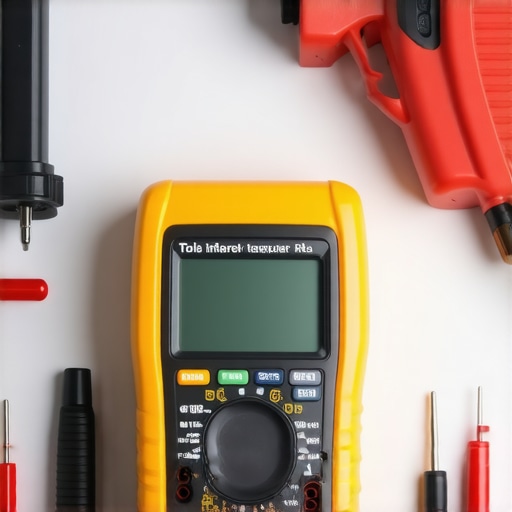
Caption: A professional-grade multimeter and infrared thermometer ready for appliance diagnostics, illustrating essential tools for precise maintenance.
Lessons That Changed How I Approach Repairs
One of the biggest lightbulb moments was realizing that most appliance problems are often rooted in simple, overlooked issues like dirty filters or loose connections, rather than complex part failures. This taught me to trust careful inspection over jumping straight to replacements.
Another insight was understanding that honest diagnostics—using the right tools and knowing what to look for—save time and money. Relying solely on error codes can be misleading; digging deeper with proper testing makes all the difference.
I also discovered that proactive maintenance, like routine filter cleaning and inspections, can dramatically reduce unexpected breakdowns and extend the life of your dishwasher. Preventive care is truly your best defense against costly repairs down the line.
Finally, I learned that the willingness to continuously learn about new diagnostics techniques and smart troubleshooting tools keeps you ahead of problems and empowers you to handle repairs with confidence, even for complex issues.