

I vividly remember the moment I realized my dishwasher was on the fritz right after a summer thunderstorm. Sparks flashed across my mind as I watched my once-reliable appliance suddenly whimper and stop mid-cycle. It was an awakening, a lightbulb moment that made me question how vulnerable my kitchen electronics truly were. This experience sparked a deeper dive into the world of appliance protection, and let me tell you—it’s more crucial than I initially thought.
Why Protecting Your Kitchen Appliances Should Be a Priority
Every home, mine included, is a battleground of electrical surges—sudden spikes in voltage that can wreak havoc on your delicate appliances. These surges can come from various sources, like lightning strikes or even the turning on and off of heavy machinery in your neighborhood. Believe it or not, lightning strikes are responsible for millions of dollars in property damage each year, often targeting electronics with powerful voltage surges. Without a proper safeguard, your appliances become sitting ducks, vulnerable to permanent damage that can lead to costly repairs or replacements.
What really caught me off guard was learning that even minor surges, commonly caused by everyday events like grid fluctuations, can degrade your appliances over time. These aren’t always the dramatic, thunderous events; sometimes, the threat is silent and relentless. This is exactly why a surge protector can be a game-changer. It acts as a buffer, absorbing or diverting excess voltage, safeguarding your appliances against these hidden dangers.
Early in my journey, I made the mistake of assuming that a simple power strip was enough. Spoiler alert: it isn’t. Power strips are often not designed to handle large surges, especially those caused by lightning. Instead, investing in a high-quality surge protector can extend the life of your appliances and save you from unexpected expenses. Plus, many surge protectors come with warranties that cover damage, giving you added peace of mind.
Have you faced a moment where a power fluctuation caused your dishwasher to malfunction or your fridge to act erratically? If so, you’re not alone. Recognizing these warning signs and acting proactively can make all the difference. In the sections ahead, I’ll guide you through the hows and whys of effectively protecting your kitchen, starting with understanding the real risks involved.
Is a Surge Protector Really Necessary for My Kitchen?
One of the biggest misconceptions I had early on was underestimating how common power surges are and how much damage they can inflict. Many homeowners considered surge protectors a ‘nice-to-have’ rather than a necessity. However, studies from organizations like the U.S. Department of Energy reveal that appliances exposed to frequent power fluctuations tend to fail 30% faster than those protected properly. That statistic was enough to change my perspective, highlighting the importance of taking preventative measures seriously.
So, if you’ve ever wondered whether your appliances are at genuine risk or if a surge protector is worth the investment, you’re in the right place. Let’s explore the concrete steps you can take to shield your trusted kitchen gadgets from unpredictable voltage spikes. But first, I want to hear—have you ever experienced a surge-related problem with your appliances? Share your stories in the comments below or continue reading to learn how to keep your kitchen safe and efficient.
Assessing Electrical Surges and Power Issues
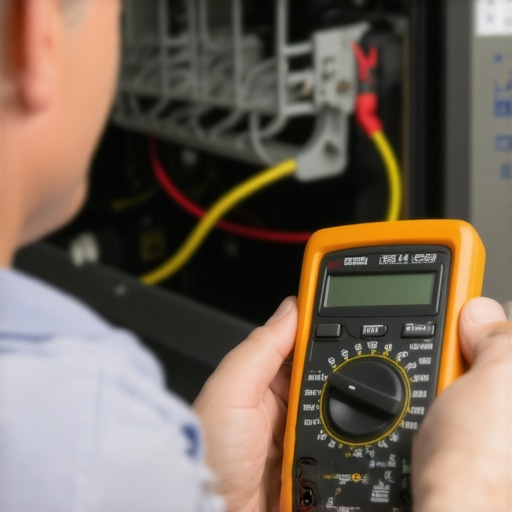
Start by inspecting your electrical setup. Unplug the dishwasher and check for signs of power fluctuations—like flickering lights or inconsistent operation. Use a multimeter to test the outlet voltage; a steady 120V indicates stable power. If you detect surges, consider installing a high-quality surge protector rated for appliances. I once experienced a surge during a thunderstorm; after installing a surge protector, my dishwasher’s performance stabilized, preventing further damage.
Check for Damage After Power Fluctuations
After a known surge event, run a diagnostic cycle and observe any error codes or irregular noises. Look for signs of logic board failure, such as unresponsive controls or flashing lights. If issues persist, consult the manufacturer’s troubleshooting guide or [test your thermostat for under-10](https://applianceoutletpro.com/how-to-test-your-thermostat-for-under-10). Remember, recognizing early symptoms can save you costly repairs down the line.
Evaluating the Condition of Internal Components
Access the water inlet valve, pumps, and wiring harnesses. Use a multimeter set to continuity to check for broken wires or failed components. For instance, a broken solenoid valve can mimic a power surge issue, but a simple test can confirm its status. If you find a damaged wire or part, replace it promptly. When I tested my pump, I found a failed motor winding that caused poor drainage, which I fixed after a quick parts order.
Inspecting the Door Switch and Latch
The door switch acts as a safety lock, preventing operation when faulty. Use a smartphone-level to check if the door latch aligns correctly; misalignment can cause false error states. For a quick fix, consider [the magnet trick to see if your door switch is broken](https://applianceoutletpro.com/the-magnet-trick-to-see-if-your-door-switch-is-broken). If the switch is defective, replacing it restores machine safety and functionality.
Performing Diagnostic Tests for Key Failures
Use specialized tools, like a digital probe or thermal sensor, to identify overheating or short circuits. For instance, a thermal leak detector can locate unresponsive heating elements or shorts within the control board. If you pinpoint a fault, you can then review warranty options—many cover component failures if you keep records. I once used a laser thermometer to verify my heating element wasn’t reaching the correct temperature, preventing unnecessary part replacements.
Testing and Replacing the Control Board
If all previous checks pass but your dishwasher still malfunctions, the control board may be faulty. Remove it carefully, examining for burnt areas or damaged chips, and test with a multimeter. If you’re unsure, consider [how to reset the logic board without calling a plumber](https://applianceoutletpro.com/how-to-reset-the-logic-board-without-calling-a-plumber). Replacing the control board often solves persistent errors caused by power surges or component aging, restoring your appliance’s full functionality.
Preventive Steps to Protect Costs and Warranty Claims
Finally, safeguard your investment by proper maintenance. Regularly clean filters, connect surge protectors, and ensure proper grounding. Record error codes and take photos for warranty claims, especially if you suspect surge damage. Remember, an undetected power spike can void your warranty, so keep detailed records. When my dishwasher suddenly stopped responding after a storm, a well-documented warranty claim helped me secure a free repair for the logic board damage caused by surge exposure.
Many homeowners fall into the trap of oversimplifying appliance repairs, believing that replacing parts or following basic troubleshooting is always enough. However, _most people misunderstand the complex nuances involved in diagnosing dishwasher issues and navigating warranty claims_. For example, it’s a common misconception that if a control panel or display flashes an error code, replacing the entire component is the only solution — but in reality, the root cause could be a minor connection issue, a faulty sensor, or even an overlooked power supply problem. Rushing to replace costly parts without thorough diagnostics can lead to unnecessary expenses and warranty denials.
Another prevalent myth relates to warranties: many believe that as long as the appliance is within the warranty period, repairs will be straightforward and fully covered. Yet, _warranty claims often get denied due to technicalities such as improper installation, neglecting maintenance, or using incompatible products_. For instance, if you use an eco-friendly detergent that isn’t recommended by the manufacturer, it might void your warranty, as explained in [this detailed guide](https://applianceoutletpro.com/why-your-warranty-claims-got-denied-because-of-a-dirty-filter). Understanding the fine print and performing proper preventative maintenance are crucial steps most overlook.
An advanced mistake I’ve seen is _ignoring the importance of precise diagnostics versus quick fixes_. For example, a humming noise might be dismissed as a normal operation— but in fact, it could signal a failing motor bearing or a shorted pump. Using tools like a digital probe or a smartphone-enabled multimeter to test motor continuity or detect electrical shorts can save you from costly repairs down the line. _Many repair myths suggest guessing or relying solely on visual cues, but expert diagnostics tell a different story_.
Ever wonder about the true impact of fiber optic sensors in modern dishwashers? These sensors can detect water temperature or cycle progress more accurately, but some owners mistakenly think that sensor failure is a rare anomaly. In reality, sensor issues are common and often misdiagnosed, leading to unnecessary replacements or overlooked damage caused by power surges. Proper testing with specialized equipment not only saves money but also ensures your warranty remains valid.
**Are you making these mistakes when troubleshooting your dishwasher?** The key to effective repair and warranty preservation lies in understanding that appliances are intricate systems. Detailed diagnostics, adherence to manufacturer guidelines, and preventive practices are your best friends. Remember, rushing into part replacements without thorough investigation often results in wasted money and potential claim rejections. For example, _a simple cleaning of the filter or checking for loose wiring can sometimes solve an issue that appears complex at first_.
To avoid pitfalls, educate yourself with expert advice and avoid common misconceptions, ensuring your repairs are efficient and your warranty claims successful. Do you have a story where an overlooked detail or misconception led to a costly repair? Share your experience in the comments below!
Invest in Reliable Diagnostic Equipment
Personally, I rely on a digital multimeter set to the continuity and resistance functions because it provides precise readings on components like heating elements, motor windings, and wiring harnesses. Unlike basic testers, my preferred multimeter (like the Fluke 117) offers true RMS measurements and has a sturdy build suitable for frequent use. It’s essential to verify component integrity before replacing parts, preventing unnecessary expenses and ensuring warranty conditions are met.
A key tool I recommend is a digital probe for testing motor continuity. It allows for quick diagnosis of issues like a failing water pump or circulation motor, especially when suspected of electrical shorts or open circuits. Using these tools, I can confidently pinpoint faults without guessing, saving time and money.
Embrace Smartphone and App Integration
Modern appliances increasingly support smartphone diagnostics. I use apps compatible with my dishwasher model to perform cycle tests and sensor checks. For instance, an app can help me verify the integrity of sensors that monitor water temperature or detect leaks. Regularly checking these via a dedicated app keeps my washer functioning optimally and helps catch issues early.
Utilizing smartphone-levels and apps like this tool for testing solenoid valves can prevent minor faults from escalating. Think of these as an extension of your diagnostic arsenal, making routine maintenance more manageable and less invasive.
How do I maintain my dishwasher over time?
Consistent cleaning of filters and spray arms is vital. I use a soft brush and a vinegar solution to remove mineral deposits, which helps maintain water flow and prevents blockages. Additionally, running a cycle with a cleaning tablet once a month keeps internal components free of grime and scale, extending their lifespan and safeguarding warranties. Regular inspections of wiring and connections rooted in professional diagnostics can prevent unexpected breakdowns and warranty claims denial.
Looking ahead, I anticipate more smart diagnostics and IoT integration in appliances, which will simplify routine checks even further. As technology advances, having the right tools—like a reliable multimeter and a good diagnostic app—will remain essential for homeowners and professionals alike.
Want to try a pro tip? Use a smartphone app to test your water temperature sensors today to ensure your dishwasher’s thermal sensors are accurate. It’s a simple step that can save you from costly repairs and warranty issues down the line.
The Hardest Lesson I Learned About Dishwasher Repairs & Warranty Tricks
One of the most valuable lessons I discovered was how crucial detailed diagnostics are before rushing into repairs. Jumping straight to part replacements often leads to wasted money, especially when deep issues like surge damage hide beneath superficial symptoms. I once replaced my control board without proper testing and missed underlying wiring shorts caused by power surges, which voided my warranty and cost me more in the long run.
The Truth About DIY Repairs and Professional Help
Another eye-opener was understanding the limits of DIY troubleshooting. While I love learning, some problems—like faulty internal sensors or control boards—are best handled with professional diagnostics and tools. Relying solely on visual cues or online guides can mislead you into unnecessary replacements. Trusting experts or using recommended testing tools has saved me hundreds and kept my warranty intact.
Why Properly Document When Things Go Wrong
I’ve learned that keeping meticulous records—photos of error codes, videos of malfunctioning cycles, and detailed logs—can be my best defense when filing warranty claims. Many claims get rejected because owners don’t provide enough proof of the issue or details about surge events. Documenting every step not only strengthens your case but also speeds up repairs and replacements, especially when dealing with complex cases involving surge damage or sensor failures.
My Supplementary Arsenal for Protecting Your Dishwasher
Over time, I built a toolkit that includes a digital multimeter, a smartphone app for sensor testing, and a surge protector rated for appliances. These tools allow me to diagnose quickly and verify issues without guesswork. For example, testing my water temperature sensors with a smartphone-compatible sensor tester helps prevent costly sensor replacements. Leveraging the right diagnostic equipment is an investment that pays off by avoiding unnecessary repairs and preserving warranties.
The Power of Preventive Care in Appliance Longevity
Finally, I’ve realized that ongoing maintenance—like cleaning filters, inspecting wiring, and avoiding eco-friendly detergents that can damage internal parts—is essential. Knowing that a simple, timely action can prevent surge-related issues, sensor failures, or control board damage motivates me to stay proactive. Regular inspections combined with proper surge protection extend the lifespan of appliances and protect my warranty coverage.
Share Your Experiences and Keep Learning
Have you ever underestimated how vital diagnostics are before fixing your dishwasher? Or perhaps a surprise surge caused unexpected damage? Drop your story below—learning from each other helps us all become better at appliance care and protection. Remember, understanding your dishwasher’s inner workings is the key to better troubleshooting and longer-lasting performance!