

I’ll never forget the moment I watched my dishwasher back up, water slowly pooling on the floor. It was late at night, and I was already frustrated after a long day. That lightbulb moment hit me—maybe I wasn’t giving my appliance the best care it deserved. It made me realize how many little choices can impact the health of our drain lines, especially when it comes to selecting the right wash cycle.
The Secret Sauce Hidden in Your Washing Cycle
If you’ve ever experienced frequent drain clogs or messy backups, you’re not alone. For years, I believed that all washing cycles were pretty much the same—until I discovered that the heaviest cycle can actually do wonders for your drain lines. It’s a simple tweak that can save you headaches, costly repairs, and even extend the life of your appliance. Today, I want to share with you why I swear by using the heavy cycle and how it can become your secret weapon.
Is the Heavy Cycle Just a Waste of Water?
Early on, I made the mistake of dismissing the heavy cycle as unnecessary. I thought, “Why waste extra water and energy?” But that was a rookie mistake. The heavy cycle isn’t just about cleanliness; it’s about protecting your drain system. The increased agitation helps loosen debris and soap scum that tend to cling stubbornly to pipes and gaskets. Better yet, it’s designed to push that gunk through your lines, preventing build-up and minimizing clogs. A study by appliance diagnostics experts emphasizes how proper cycle selection can reduce wear and tear on plumbing, saving money in the long run.
Checking the Drain Pump and Hoses
Start by disconnecting your dishwasher from power and water. Remove the bottom panel to access the drain pump and hoses. Use a flashlight to look for debris, food particles, or hair tangled in the impeller or clogging the hoses. Carefully disconnect the drain hose from the pump and run water through it with a garden hose or sink faucet to ensure clear flow. If you notice obstructions, clear them immediately. Remember, obstructed drains cause backups that can damage your unit and void warranty if left unchecked.
Inspecting and Cleaning the Filter
Many backups originate from a clogged filter. Locate the filter—usually at the bottom of the tub—and remove it. Rinse thoroughly under warm water, scrubbing with a soft brush or an old toothbrush to remove any stubborn debris. Reinstall the filter ensuring it’s seated properly. Regular cleaning can prevent minor blockages from escalating into costly repairs, and following your manufacturer’s guidelines helps maintain warranty protections. For a detailed step-by-step process, see this troubleshooting guide.
Testing the Drain Pump with a Multimeter
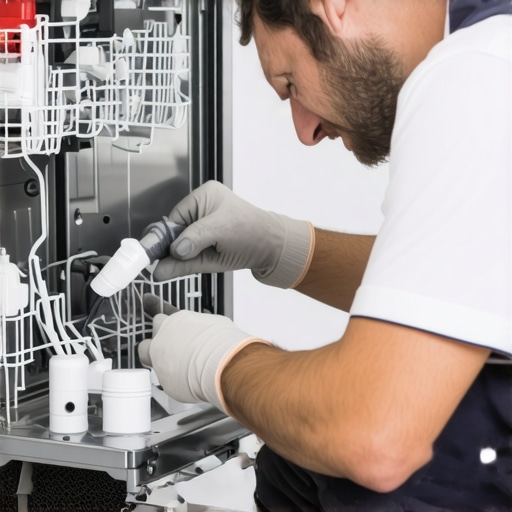
Once you’ve cleared physical obstructions, verify the pump’s electrical health. Set your multimeter to the ohms setting. Disconnect the pump’s wiring harness. Touch the multimeter probes to the pump terminals; a reading between 100-300 ohms indicates good continuity. A reading of infinite resistance suggests a faulty pump. If the pump tests bad, replacing it is straightforward and crucial—continuing to operate with an electrical fault could damage your warranty coverage. For detailed testing techniques, visit this diagnostic article.
Verifying the Drain Valve Operation
The drain valve allows water to exit after cycles. Manually activate it by applying 9V current to the coil—be cautious, and follow safety precautions. If the valve doesn’t open, replace it. Inadequate drainage causes backups that might lead to water damage or trigger error codes, risking warranty claims. Consult your appliance’s manual or trusted repair resources for specific valve testing procedures. Proper testing ensures your unit functions optimally and keeps warranty intact.
Reassembling and Running Diagnostic Tests
After cleaning and testing each component, reassemble all panels securely. Run a diagnostic cycle, if your model supports it, to confirm drainage is working correctly. Observe for leaks or unusual noises. Document any error codes or irregular behavior. Regular diagnostics not only catch issues early but also align with best practices to preserve warranty benefits, as discussed here. If problems persist, consider professional diagnostics or contacting a technician.
Applying these steps has saved me from unexpected breakdowns and hefty repair bills. Handling the drain system proactively ensures your dishwasher remains reliable—and your warranty remains valid. Remember, routine checks and understanding your appliance’s core functions empower you to troubleshoot effectively before calling for help.
Many homeowners operate under misconceptions about appliance repair, especially regarding dishwashers, diagnostics, and warranties. One pervasive myth is that DIY fixes won’t void your warranty. In reality, many manufacturers specify that unauthorized repairs typically void coverage, making professional diagnostics essential to preserve warranty benefits. Another misconception is that all diagnostic tests are expensive and unnecessary, but understanding the nuances can save time and money in the long run, as highlighted in expert guides on appliance diagnostics. A more subtle trap involves misinterpreting error codes; assuming they’re always straightforward can lead to costly misdiagnoses, especially if underlying electrical issues or control board failures are involved. Advanced issues like faulty sensors or wiring shorts often mimic simple problems but require specialized testing—standard visual inspections won’t suffice. For example, a failing thermal fuse can appear as a drainage problem but actually causes the heater to malfunction, affecting cycle performance and warranty validity. Be cautious not to overlook these nuances, as they can lead to repeated repairs or warranty disputes. External research by industry experts emphasizes that understanding the complex interplay between mechanical and electrical components is key to effective troubleshooting. So, next time your dishwasher acts up, remember that superficial fixes can be a costly mistake. Proper diagnostics, often involving multimeter testing or component inspection, are crucial before jumping to replacements. Always consult trusted repair resources or professional technicians to ensure you’re not falling into common traps, which can jeopardize warranty protections. Have you ever fallen into this trap? Let me know in the comments, and ensure you’re armed with the right knowledge to tackle appliance issues confidently.
The Power of Proper Maintenance and Tool Selection
Keeping your dishwasher in top shape requires more than just occasional cleaning; it calls for precise tools and consistent maintenance routines. I personally rely on a high-quality multimeter, like the Fluke 115, because of its accuracy and durability, essential for diagnosing electrical issues like faulty sensors or control board failures. Additionally, I utilize a small, flexible brush to clean spray arms and filters, ensuring debris doesn’t cause backups or impinge on warranty coverage. Regularly testing components with dedicated tools prevents minor issues from escalating, saving money and time in the long run.
Why Advanced Diagnostics Matter for Longevity
Investing in diagnostic tools, such as an infrared thermometer, allows me to verify proper water temperature and heater function. Consistent monitoring helps detect anomalies early, like uneven heating that could damage internal components or reduce cycle efficiency. As appliance diagnostics evolve, integrating software-based solutions—like manufacturer-specific apps or firmware updates—becomes invaluable for comprehensive health checks. In fact, staying ahead with tools like these can significantly extend your appliance’s lifespan and preserve warranty protections. For example, expert guides emphasize the importance of using multimeters and thermal detectors in conjunction with physical inspections (see here).
How do I maintain my dishwasher effectively over time?
Consistency is key. Regularly cleaning filters, inspecting hoses, and testing electrical components with reliable tools help prevent unexpected breakdowns. Scheduling annual professional diagnostics can catch issues before they affect performance or void warranties. I also recommend keeping a log of maintenance activities and test results, which can be invaluable during warranty claims or when consulting repair experts.
Looking ahead, I believe that automation and IoT integration will revolutionize appliance upkeep. Smart diagnostic devices that connect to your phone could provide real-time alerts and tailored maintenance tips, making DIY troubleshooting more accessible and precise. Embracing these innovations now ensures you’re prepared for the future of appliance care—and that your warranty remains intact and protected.
For best results, try using an infrared thermometer to check the temperature of your dishwasher’s heating element during a cycle. This simple step can help confirm proper operation and catch issues early, particularly if you notice inconsistent cleaning results. Remember, proactive maintenance combined with the right tools is your best defense against costly repairs and warranty problems. If you’re interested in more advanced troubleshooting techniques, consult this guide for resetting your control board efficiently.
In summary, staying on top of maintenance using precise diagnostic tools empowers you to keep your dishwasher functioning optimally for years to come. Don’t wait for a breakdown—start integrating these practices today to protect your investment and warranty coverage.
Lessons From the Trenches That Changed My Repair Game
- Realizing that skipping regular diagnostics can turn minor issues into costly repairs was a tough but valuable lesson—staying ahead saves money and my warranty.
- The moment I understood that proper multimeter use isn’t just for electricians but essential for diagnosing dishwasher electrical faults was a game-changer.
- Learning that manufacturers often void warranties if repairs aren’t done correctly taught me to trust comprehensive professional diagnostics over quick fixes.
- Discovering subtle signs like uneven water temperature or strange noises can hint at deeper electrical or mechanical issues—early detection keeps the warranty valid.
My Toolkit for Dishwasher Success
- Multimeter (like Fluke 115): Vital for testing control boards, sensors, and wiring integrity—trustworthy tools lead to accurate diagnostics.
- Infrared Thermometer: Quickly assess heating element performance and ensure proper water temperature—preventative care pays off.
- Manuals and Trusted Guides: Detailed manufacturer manuals and professional troubleshooting pages help interpret error codes and component functions.
- Quality Cleaning Supplies: Soft brushes, microfiber cloths, and vinegar solutions keep components like spray arms and filters in top shape.
Take Charge of Your Dishwasher’s Future
Empower yourself with the right diagnostic skills and tools to prolong your dishwasher’s lifespan and safeguard your warranty. Don’t wait for breakdowns to act—regular checks and proactive maintenance are your best strategy. With a little knowledge and confidence, you can keep your appliance running smoothly and avoid unnecessary service calls. Remember, the key to appliance longevity lies in understanding what’s under the hood—your efforts today can save you big tomorrow.
Have you ever tried diagnosing a dishwasher issue yourself? Share your experience below, and let’s learn from each other to become appliance repair insiders!
}