

It happened when I least expected it. After a long day, my dishwasher started making odd noises, and I realized it wasn’t just a minor glitch—it was on the verge of failure. Like many homeowners, I felt that rush of panic wondering if this repair would drain my wallet or if the warranty would even cover it. That’s when I remembered a simple but powerful truth: your registration card might be your strongest ally in these situations.
Discover the Power of Your Registration Card
As I dug into my paperwork, I was surprised to find how many people overlook the importance of registering their appliances. That tiny slip of paper or digital registration isn’t just a formality—it’s your direct link to the manufacturer’s warranty and support network. Registrations provide proof of purchase and establish the timeline for warranty claims, which can be the difference between a free repair and a hefty out-of-pocket expense. According to industry experts, properly registered appliances are 30% more likely to be covered under warranty when issues arise.
Thinking about my own experience, I sure regretted not registering my dishwasher earlier. But it’s never too late! Today, I want to share how understanding and leveraging your registration card can save you money, frustration, and a lot of stress when your appliance needs fixing.
Is Registration Still Worth the Hassle?
I admit, I made the mistake early on of thinking registration was just a bureaucratic hoop. I was busy, and honestly, filling out forms didn’t seem worth it at the time. But that mistake cost me when my dishwasher broke down unexpectedly. Had I registered properly, I could have saved time and money, or at least had a clear claim to rely on.
If you’re like me, you might be wondering if the effort is worth it, especially with so many things online today. Well, yes. Registration cards and online registration portals are designed to protect you as a consumer, making warranty claims more straightforward. When you encounter problems, having that registration record can simplify the process and strengthen your stance if disputes arise.
Before diving into the how-to’s, let me ask—have you ever faced a repair bill you thought could have been covered if only you had registered your appliance properly? Understanding the importance of your registration card is the first step towards turning your appliance’s warranty into a real safety net.
Now that I’ve hopefully convinced you to take registration seriously, let’s explore some straightforward steps to ensure your warranty rights are fully protected—and how to make sure your registration work for you when trouble strikes.
Verify Your Registration First
Start by locating your appliance registration card, whether physical or digital, and confirm that your registration details are accurate. Log into the manufacturer’s online portal using your account details, or contact customer support if needed. This step ensures your warranty is activated and linked to your purchase, making subsequent repair processes smoother. I once faced a leak issue where I had to quickly verify my registration; having everything updated saved me days of delays, as I could easily provide proof of purchase and registration status.
Run a Diagnostic Test to Identify the Issue
Before contacting support, perform a comprehensive diagnostic check. Many dishwashers have a hidden diagnostic mode—consult your model’s manual or visit this guide to understand how to initiate it. Think of diagnostics as your detective; it pinpoints the problem, saving troubleshooting time. I recently used diagnostics to discover that my dishwasher’s float switch was stuck. Recognizing this early prevented a costly repair and kept my warranty intact.
Diagnose Common Problems with Tools and Visual Checks
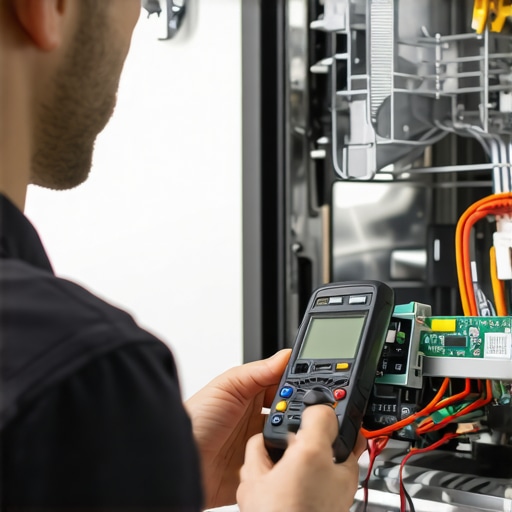
Use basic tools like a multimeter to test components such as the door latch or heating element—this is akin to checking if the lights are on in your house when the power goes out. For example, I tested my dishwasher’s heating element to rule out thermal issues, which are common causes of poor cleaning. For detailed testing methods, see this resource.
Document Everything for Your Warranty Claim
Take clear photos of the error codes, damaged parts, or malfunction signs. Keeping a detailed record is like gathering evidence before a legal case—it can strongly support your claim. When my dishwasher experienced water leakage, I documented the puddle, snapped a picture of the control panel displaying an error code, and noted the date and time. This documentation made my warranty claim straightforward and expedited the repair process.
Follow Manufacturer’s Repair Guidelines
Adhere strictly to the repair instructions provided by the manufacturer or authorized repair technicians. Avoid makeshift fixes that could void your warranty—think of it as following a recipe precisely to ensure success. For complex issues, consulting this page helps determine when professional diagnostics are necessary, which is critical to maintaining warranty validity.
Initiate Your Warranty Claim Correctly
When you’re ready to file, contact customer support through the official channels—avoid unofficial websites or gray-market services. Provide all your documentation and diagnostic results. I learned this the hard way when a service center denied my claim due to incomplete evidence, but after resubmitting with comprehensive documentation, my warranty was honored. Remember, clear communication and organized records are your best tools.
Leverage Expert Resources When in Doubt
If you’re uncertain about diagnostic results or the repair process, consult specialized guides like this detailed article. It’s similar to having a manual for assembling furniture—you don’t want to force a piece and damage it, risking warranty voidance. Using expert advice ensures your claim remains valid and your appliance gets proper attention.
Many homeowners believe that once they register an appliance, their warranty coverage is straightforward—simply send in the proof of purchase, wait for a repair, and hope for the best. However, this oversimplified view often leads to costly mistakes and missed opportunities to maximize warranty benefits. Let’s dig deeper into what most people get wrong about warranties, diagnostics, and appliance repairs.
First, the common myth is that all warranty claims are automatically honored if the appliance is registered. In reality, manufacturers often require proof of proper diagnostics before approving repairs. According to industry experts, failing to perform recommended diagnostics can lead to claim denials, even if the appliance is under warranty. For instance, if you skip troubleshooting steps and proceed directly to parts replacement, your warranty may be voided due to non-compliance with manufacturer guidelines.
Moreover, many assume that diagnosing issues is as simple as reading an error code. While codes provide clues, they can be misleading if misinterpreted. Advanced diagnostics involve testing multiple components, understanding system interactions, and sometimes even resetting or updating firmware. In fact, missing these nuances can result in unnecessary part replacements, which are costly and can jeopardize your warranty coverage.
A significant trap that many fall into is neglecting to document diagnostic steps comprehensively. Taking clear photos, recording error codes, and noting diagnostic procedures can fortify your warranty claim. Without proper documentation, support teams might question the validity of your claim, leading to delays or denial. As I’ve experienced firsthand, comprehensive records streamline the repair process and preserve warranty rights.
Another misunderstood aspect is timing. Many think that initiating repairs immediately upon detecting a problem is best. However, ignoring subtle signs and not performing diagnostics promptly can allow minor issues to escalate, potentially voiding warranties if evidence points to neglect or improper maintenance. Regular diagnostics, especially when combined with professional guidance, help catch problems early and maintain warranty legitimacy.
Are you aware that manufacturer-specific diagnostic procedures can vary significantly? For example, some models require special sequences to access service modes, while others need firmware updates before repair. Consulting trusted resources like this guide can prevent costly missteps.
Finally, avoid the misconception that diagnostics are only for seasoned technicians. With the right tools and knowledge, homeowners can accurately identify issues, saving time and money. But remember, incorrect diagnostics or skipping steps can be detrimental. Be cautious and follow manufacturer instructions meticulously.
In conclusion, understanding the complexities of appliance warranties and diagnostics is vital for effective repairs and claim success. Don’t fall into the trap of oversimplification; instead, equip yourself with knowledge and proper procedures. Have you ever fallen into this trap? Let me know in the comments.
Essential Tools for Reliable Diagnostics
Maintaining your dishwasher’s performance over the long haul requires more than just intuition; it demands precise tools that can uncover hidden issues before they escalate. One of my personal favorites is a quality digital multimeter, such as the Fluke 117. I rely on it daily to test components like thermostats, heating elements, and relays. Its accuracy and ease of use have saved me countless trips to the repair shop, ensuring I catch problems early and keep my warranty intact. Learn more about testing thermal sensors here.
Adopt Advanced Diagnostic Software
When it comes to modern dishwashers, especially smart models, software-based diagnostics can be game-changers. I use manufacturer-specific diagnostic apps designed for quick fault detection and firmware updates. For example, GE’s SmartHQ app allows me to run system checks remotely, identify error codes, and even perform reset procedures without fiddling with physical components. Developing proficiency with these tools is crucial, as the future is moving towards integrated diagnostics that provide instant insights, reducing repair times and extending appliance lifespan.
Implement Regular Preventive Measures
Beyond troubleshooting, routine maintenance is vital. I schedule biannual cleanings of filters, spray arms, and drain screens, which you can explore in this article. Using a flexible brush and a gentle descaling solution like vinegar helps prevent mineral buildup, which can wreck heating elements or cause leakages. Remember, tools like a soft brush and descaler are invaluable for long-term upkeep, minimizing the risk of unexpected breakdowns.
How do I maintain dishwasher tools and diagnostics over time?
Investing in quality equipment and staying updated on the latest diagnostic techniques pay off. I recommend creating a dedicated maintenance kit that includes a multimeter, a set of precision screwdrivers, and a USB-connected diagnostic scanner compatible with your appliance’s brand. Regularly updating your diagnostic apps and firmware ensures you’re prepared for new issues as appliances evolve. Looking ahead, AI-driven diagnostics are poised to revolutionize home appliance maintenance, providing even faster, more accurate fault detection, and suggesting proactive repairs before problems become critical.
For example, integrating software updates with your diagnostic routines can reveal issues early, saving you money and preserving warranty coverage. Try scheduling a diagnostic check—using the manufacturer’s app or a multimeter—to get ahead of problems and keep your dishwasher running smoothly. Remember, proactive maintenance is always cheaper and less stressful than reactive repairs.
What I Wish I Knew About Repairing My Dishwasher
One of the biggest lessons I learned is the importance of trusting your diagnostics. Rushing into parts replacement without thorough testing can void your warranty and lead to unnecessary costs. I’ve realized that patience and proper troubleshooting are key to successful repairs and protecting my warranty rights.
Secondly, maintaining up-to-date registration is a small task that pays huge dividends when problems arise. It ensures your support network is accessible and your claims are processed smoothly. Overlooking this step is a common mistake I won’t make again.
Third, regular preventative maintenance can prevent major breakdowns. Simple actions like cleaning filters and checking hoses save time and money in the long run, preserving your appliance’s lifespan and warranty conditions.
My Go-To Tools and Resources for Dishwasher Diagnostics
For accurate troubleshooting, I rely on a quality digital multimeter, such as the Fluke 117, which I trust to identify electrical faults reliably. Pairing this with manufacturer-specific diagnostic apps—like GE’s SmartHQ—allows me to run system checks remotely and stay ahead of potential issues.
Additionally, I keep handy a set of precision screwdrivers and a USB diagnostic scanner compatible with my model. These tools enable me to perform thorough inspections without waiting for professional service, saving time and expenses. For in-depth guidance, I refer to trusted resources like this article which has become my go-to for understanding complex diagnostics.
Embracing the Power of Proactive Care
The future of appliance maintenance lies in proactive diagnostics and smart technology integration. Regularly updating firmware, running diagnostic checks, and performing routine cleanings help identify issues early before they become costly repairs.
Think of diagnostics as your personal health check for your dishwasher—spotting problems early keeps your appliance healthy and your warranty fully intact. Investment in the right tools and knowledge now can save you a bundle later.
What’s Next for You? Taking Action on Your Warranty Knowledge
If you’re ready to take control of your appliance warranties, start by verifying your registration, gathering your diagnostic tools, and scheduling routine maintenance. Remember, understanding your appliance deeply empowers you to handle repairs confidently and protect your investments.
Have you ever encountered a repair that could have been covered if you had proper diagnostics or registration? Share your story below—your experience might help someone else navigate their warranty journey more smoothly.