

I remember the exact moment I discovered just how tricky glass shards could be to manage in my dishwasher. I was rushing to get dinner cleaned up, loaded the dishwasher, and pressed start—only to hear that unsettling grinding noise a little later. Opening the door revealed tiny shards of glass, crunched into the impeller like tiny knives. Honestly? It was my wake-up call. That moment made me realize how critical it is to know the right way to handle glass shards in your appliance before things get worse.
Why You Can’t Afford to Ignore Glass in Your Dishwasher
Dealing with glass shards might seem like a minor inconvenience at first, but ignore it and you risk damaging your impeller—or worse, causing a leak or breakdown that costs a lot more than just cleaning up some tiny pieces. The impeller’s job is to circulate water with force; glass shards can get lodged, crack the blades, or even cause imbalance, leading to vibration or noise problems. Plus, if shards are left unnoticed, they can find their way into the pump or drain system, creating more headaches. This is why quick action isn’t just good — it’s essential.
Is Removing Glass Shards from the Impeller Really Worth the Hassle?
Honestly, I used to think I could just rinse the shards away or ignore them, until I saw how quickly they caused trouble. An easy mistake I made early on was trying to pry out shards with a metal tool — a rookie move that risked damaging the delicate impeller. From that experience, I learned that patience and the right method are crucial. Instead of risking further damage, I now follow a simple, safe approach I learned from experience, which I’ll share in the next section.
If you’ve ever found yourself staring at tiny glass fragments in your dishwasher, you know it’s a moment that requires careful handling. Not only do you want to prevent damage, but you also need to ensure your appliance continues working safely and efficiently. So, how exactly do you do that? Well, the trick is easier than you might think, especially once you understand the right steps—something I’ll guide you through, step-by-step, next.
Careful Inspection of the Impeller Area
Start by unplugging your dishwasher to prevent electrical hazards. Use a flashlight to peer into the impeller area, looking for visible glass shards. Personally, I once used a small mirror along with my flashlight to get a better view, which revealed tiny fragments lodged deep within the blades. Recognizing the shards early prevented further damage.
Gathering the Right Tools for the Job
Have a pair of tweezers or needle-nose pliers ready—these are your best friends for grasping small shards without risk. Avoid using metal tools like screwdrivers, which could scratch delicate components or cause accidental damage. In my experience, portable magnetic pickup tools are ineffective here because glass isn’t magnetic, but a pair of fine-tipped tweezers worked wonders.
Applying Safe Extraction Techniques
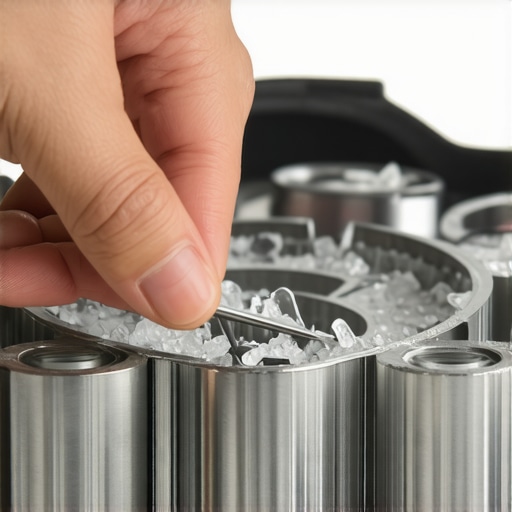
Gently grip each shard with tweezers, pulling it straight out to avoid breaking it into smaller pieces. If shards are tightly lodged, slightly wiggle them while pulling—this reduces the chance of shattering. I once struggled with a particularly stubborn fragment, but patience and gentle movement finally freed it without additional breakage.
Dealing with Embedded or Fragile Glass
If a shard appears embedded or fragile, use a plastic pry tool or a soft brush to dislodge it gently. Sometimes, applying a small amount of warm water or vinegar solution can loosen mineral deposits or debris, making removal easier. Remember, never use excessive force; forcing shards out can cause blade cracks or misalignment, leading to costly repairs.
Ensuring Complete Removal and Preventing Future Issues
After extraction, thoroughly inspect the impeller and surrounding areas for remaining fragments. Rinsing the area with water or carefully using compressed air can remove residual debris. I recommend reassembling and running a short rinse cycle with no dishes afterward to check for unusual noises or vibrations.
Knowing When to Call the Professionals
If shards are deeply embedded or if you’re uncomfortable handling the task, consult a professional technician. Ignoring difficult shards or attempting risky fixes can void warranties—review when to trust a warranty for guidance. Additionally, proper diagnostics can prevent recurring issues, which you can learn more about at how diagnostics protect your warranty.
 When it comes to diagnosing appliance issues, many homeowners fall prey to misconceptions that can lead to unnecessary expenses or damage. A common false belief is that DIY repairs are always straightforward and risk-free. In reality, misdiagnosing a problem or applying temporary fixes without understanding the root cause can void warranties and cause further harm. For example, attempting to clear a dishwasher’s drainage problem without proper diagnostic tools might overlook underlying electrical issues, resulting in recurring failures. According to appliance repair experts, proper diagnostics are essential before any repair attempt, as they help identify the true fault—saving time and money.
Why do so many people fall for oversimplified solutions, and when does it become risky to DIY?
Often, owners rely on online tutorials that oversimplify complex systems, underestimating the nuanced workings behind components like control boards and sensors. While quick tips can be helpful, they rarely encompass the full scope needed for safe, effective repairs. A misplaced component or overlooked diagnostic step can void manufacturer warranties; for instance, tampering with the circuit board without proper testing may be considered unauthorized repair, invalidating coverage. Experts emphasize that understanding the intricate relations between parts ensures accurate troubleshooting and aligns with recommended procedures, such as those outlined at diagnostics to improve warranty claims. To avoid these pitfalls, always verify if the issue warrants professional intervention—especially when diagnosing complex electronics. Remember, rushing into repairs based on myths can cost more in the long run. For comprehensive guidance, visit signs your dishwasher needs diagnostics, and ensure your efforts are both effective and warranty-compliant. Have you ever fallen into this trap? Let me know in the comments.
Invest in Quality Tools for Longevity
Maintaining your dishwasher isn’t just about quick fixes; it requires the right equipment to ensure safety and precision. I always recommend a high-quality multimeter, like the Fluke 117, because it provides accurate voltage readings, helping diagnose electrical issues without guesswork. Another invaluable tool is a set of non-marring plastic pry tools, which allow you to remove panels and access internal components without damaging delicate plastic clips or surfaces. Over the years, I’ve found that these tools save hours and prevent costly damage, making routine maintenance and diagnostics much more manageable.
Routine Checks to Prevent Long-Term Failures
Establishing a regular maintenance routine can significantly extend your appliance’s lifespan. For example, inspecting the spray arms and filters monthly prevents buildup that can cause inefficient cleaning. Cleaning out the filters and checking for obstructions ensures water flows freely, minimizing strain on components like the circulation pump. Additionally, inspecting door seals for cracks or debris prevents leaks and maintains optimal operation. These simple steps, performed consistently, can delay the need for professional repairs and keep your dishwasher functioning reliably year after year.
Leverage Diagnostic Software and Apps
Modern appliances often come with diagnostic modes or compatible smartphone apps that can read error codes directly. Using these tools allows for precise troubleshooting, reducing guesswork. For instance, some brands have apps that interface with the control board, guiding you through test cycles or identifying issues early. Investing in a diagnostic tool compatible with your model broadens your ability to catch small problems before they escalate. According to expert advice at Understanding Appliance Diagnostics, early detection through software can save hundreds in repairs and preserve your warranty coverage.
Predicting Future Trends: Smart Maintenance
The future of appliance care is leaning toward smart sensors and IoT integration. Imagine a dishwasher that sends alerts to your phone when a filter needs cleaning or a leak is detected—a game-changer for proactive maintenance. As these technologies become more affordable and widespread, homeowners will have unprecedented control over appliance health, reducing downtime and repair costs.
How do I keep my dishwasher in top shape over time?
Regularly scheduled inspections, combined with using the right tools like a multimeter and plastic pry tools, are your best bet. Following manufacturer guidelines for maintenance intervals and using diagnostic modes when experiencing issues can preempt major failures. Finally, staying informed about upcoming technological improvements, such as advancements in smart diagnostics, ensures you’re ready to adopt innovative maintenance strategies. For comprehensive guidance, explore expert repair tips and keep your appliance running like new for years to come. Try running a voltage test on your pump motor with your multimeter today—it’s a simple step that can reveal a lot about your dishwasher’s health.
Lessons That Changed My Approach to Appliance Care
One of the toughest lessons I learned was realizing that even tiny glass shards can silently cause major damage if mismanaged. Patience has become my best tool—rushing to remove fragments often leads to more harm than good, including damaging delicate components like the impeller. Over time, I discovered that having a steady hand and proper tools not only prevents costly repairs but also restores confidence in DIY fixes. Trust me, understanding your appliance’s intricacies is a game-changer; it turns frustrating moments into learning opportunities that safeguard your investment.
Tools and Resources That Make a Difference
My essential toolkit now includes a precision pair of tweezers, a soft plastic pry tool, and a reliable multimeter like the Fluke 117. These tools empower me to safely and effectively tackle internal issues, whether removing stubborn glass shards or diagnosing electrical problems. Additionally, resources like Understanding Appliance Diagnostics have been invaluable for expanding my knowledge and avoiding unnecessary service calls. Investing in the right equipment and education truly makes every repair smoother and more successful.
Your Turn to Elevate Your Appliance Maintenance
Remember, the secret to long-lasting dishwasher health isn’t just about fixing problems as they arise but cultivating a mindful, informed approach. Regular inspections, proper tools, and understanding the nuances of your appliance can save you money and frustration in the long run. So, take that first step—whether it’s inspecting the impeller area or learning how to use your multimeter—and watch your confidence grow. Don’t hesitate to explore expert guides and share your experiences below. Your kitchen deserves the best care, and now you’re equipped with what it takes to give it just that.