

It was a frustrating Saturday afternoon when I finally realized my dishwasher had been silently struggling for months. The rattling noises, the slow cycles, and the occasional leak had become part of my kitchen soundtrack. After a bit of digging, I uncovered a simple loading mistake that was slowly damaging the pump—something I had been doing without even realizing. That lightbulb moment changed everything, saving me hundreds on repairs and headache.
How Proper Loading Can Make Your Dishwasher Last Longer
Most homeowners focus on cleaning performance or water temperature, but few think about how loading affects the longevity of the machine’s vital components. I learned the hard way that improper loading can cause unnecessary strain on the pump, one of the most crucial—and expensive—parts to replace. By adjusting my loading habits, I saw immediate improvements in cycle efficiency and a notable reduction in weird noises. If you’re tired of sudden breakdowns or hefty repair bills, mastering this loading secret could be your game-changer.
Is Dishwashing a Waste of Time? Think Again
Early on, I made the mistake of overloading my dishwasher, thinking more dishes meant better use of water and energy. Turns out, this is a classic rookie error. Overstuffing blocks water flow, causes clogs, and puts undue stress on the pump. I’ve since learned that a balanced load not only cleans better but also protects your appliance’s core functions. Want to avoid costly repairs? Check out this guide on protecting your dishwasher from common issues for more tips.
Have you faced strange noises mid-cycle or sudden leaks? If yes, you’re not alone. The real fix often goes beyond cleaning filters or replacing parts; it’s about understanding how to load your dishwasher correctly. Let’s dive into the loading technique that can extend your pump’s life and keep your dishwasher humming smoothly for years to come.
Start with a Clean Baseline
Before adjusting your loading habits, ensure the dishwasher is clean internally. Remove and clean filters, check for debris, and inspect spray arms for clogs. A well-maintained dishwasher performs better and reduces strain on components like the pump. If you notice persistent issues, consider testing the pump with special voltage tests, which can reveal if it’s about to fail, saving you from costly repairs later.
Learn Proper Loading Techniques
Think of your dishwasher as a traffic system: dishes are vehicles that need clear pathways. Load larger items on the sides and back, avoiding blocking spray arms and the float switch—a safety device that prevents overfilling. Place glasses upside down, plates spaced out, and bowls nestled securely. My experience taught me that overloading causes water flow blockages, which can damage the pump over time. Use a smartphone camera to check spray arm rotation after loading, ensuring unobstructed water spray, which enhances cleaning and protects the motor from unnecessary strain.
Position Dishes for Optimal Water Flow
Place items at angles that maximize water reach—similar to how a well-designed sprinkler ensures even coverage. This reduces the need for extra cycles and prevents pooling that might leak or cause leaks. When I first tried this, I used a small flashlight to spot micro-cracks in the tub, revealing potential leak sources that could lead to warranty denial. Regularly check for spray arm blockages or wear, as clogs can mimic pump failure symptoms and often can be fixed with simple tools or sensor tests.
Avoid Common Loading Mistakes
Overloading is a typical mistake—think of it like crowding a traffic lane; it causes congestion and breakdowns. Similarly, stacking dishes too tightly can cause water to pool and clog filters, leading to leaks and pump burnout. To prevent this, always leave space around dishes for water and detergent to circulate freely. If your dishwasher starts making rattling noises, suppress them immediately by silencing the pump, which you can do in minutes with straightforward methods found here. Regular inspections and correct loading can significantly extend your appliance’s lifespan and safeguard your warranty coverage.
Test and Adjust After Loading
Once loaded, run a short cycle to observe water flow and listen for unusual noises like screeching or rattling, which signal misload or impending pump issues. Use a basic multimeter to check if the pump motor is drawing proper voltage; this straightforward diagnostic prevents unnecessary repairs. If your dishwasher seems sluggish, inspect spray arms with a smartphone before calling a technician—often, accumulation of debris causes performance decline. By consistently applying these loading strategies, you ensure your dishwasher operates efficiently, saving energy, water, and expensive repairs in the long run.
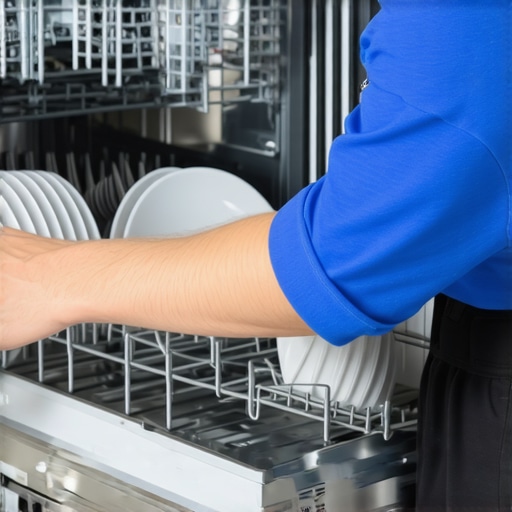 When it comes to appliance repair, many homeowners operate under misconceptions that can cost them time, money, and hope for successful warranty claims. One common myth is that simply replacing a worn part guarantees a quick fix. In reality, advanced diagnostics are essential to understand the root cause; replacing parts without proper testing often leads to recurring issues. As experts emphasize, troubleshooting should be comprehensive—using tools like multimeters and voltage checks can reveal hidden faults, preventing unnecessary expenses. Furthermore, many believe that warranty claims are straightforward. However, overlooking specific requirements—like proper photo documentation, adherence to installation guidelines, and avoiding prohibited modifications—can result in claim denials. For detailed advice on capturing effective proof, see this guide on warranty documentation.
Maintaining a dishwasher’s optimal performance over time requires more than just regular cleaning; it involves using the right tools and adopting effective diagnostic methods. As someone who has repaired dozens of appliances, I can attest that having a few specialized tools makes the difference between a quick fix and a prolonged, costly repair.
Investing in Quality Diagnostic Equipment
The cornerstone of successful repairs is accurate diagnostics. A reliable digital multimeter is indispensable for testing electrical components like control boards and motors. I prefer a digital model with auto-ranging capabilities and a hold function, which allows me to measure voltage and resistance precisely without constantly adjusting settings. For example, when suspecting a failed motor, I use the multimeter to monitor voltage draw during operation, which can reveal hidden shorts or open circuits—techniques detailed in these voltage tests.
Using Smartphone Cameras for Diagnostics
Modern smartphones are surprisingly effective diagnostic tools. When inspecting spray arms for obstructions or micro-cracks, I use a high-resolution camera with macro capability to evaluate parts without disassembly. This non-invasive method saves time and helps identify issues that could be overlooked. Additionally, a simple flashlight, or even a smartphone flashlight app, can reveal tiny cracks in the dishwasher tub—an important step, as micro-cracks can compromise warranty coverage if not addressed promptly. For more precise detection, consider using a flashlight technique.
Adapting Tools for Long-Term Success
As appliances become more connected, diagnostic software and apps are increasingly integrated into maintenance routines. These tools help interpret error codes and monitor cycle performance remotely, making preventive maintenance more accessible. However, I believe the future will see even smarter diagnostics, possibly incorporating AI-driven analysis of cycle patterns and wear predictions, helping homeowners schedule repairs proactively.
How do I keep my dishwasher working in the long run?
Routine inspection with precise tools can prevent minor issues from escalating. Regularly testing components like the float switch and spray arms with dedicated tools reduces reliance on guesswork. For example, routinely verifying the correct operation of the float switch using a multimeter or simple sensor test and cleaning filters and spray arms using these diagnostic techniques helps ensure your appliance functions smoothly for years. To stay ahead, I recommend integrating these practices into your maintenance routine, and for detailed diagnostic guidance, check out this resource on component health.
Ready to elevate your appliance repair skills? Try using a multimeter to test your control board voltage during a cycle. It’s an advanced but straightforward step that can identify issues early, saving you time and money. Remember, investing in the right diagnostic tools today pays off in reliable, long-term appliance performance tomorrow.
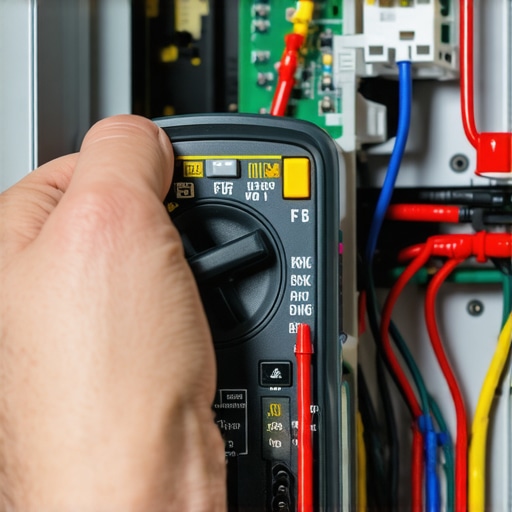
High-quality digital multimeter used for diagnosing dishwasher electrical components.
The Hardest Lesson I Learned About appliance repair,warranty,diagnostics,dishwasher
One of the most impactful realizations came when I finally understood that many internal dishwasher issues stem from how homeowners load their machines. Poor loading habits not only hinder cleaning but can cause long-term damage to key components like the pump. That lightbulb moment taught me the value of mindful loading—every dish placed carefully can extend your appliance’s lifespan significantly.
3 Myths About appliance repair,warranty,diagnostics,dishwasher That Held Me Back
First, I believed that replacing a worn part would instantly fix recurring errors. Turns out, without proper diagnostics, this can lead to wasted money. Second, I thought overloading saved water and energy—yet, it caused clogging and strain on the pump. Lastly, I underestimated the importance of precise water flow; understanding how water reaches each dish has been a game-changer for my repair approach.
What Experts Won’t Tell You About appliance repair,warranty,diagnostics,dishwasher
Many professionals avoid emphasizing the importance of diagnostic tools, but trusting your multimeter and smartphone camera can empower you to identify issues early. For example, testing voltage on your control board or inspecting spray arms with close-up photos can reveal problem sources before costly failures happen. Embracing these insights bridges the gap between DIY confidence and expert precision.
Curated Recommendations for Dishwasher Success
- Digital Multimeter: A reliable digital multimeter has become my go-to for electrical diagnostics. Investing in a model with auto-ranging simplifies testing control boards and motors, helping prevent unnecessary replacements.
- Smartphone Camera with Macro Lens: Using my phone’s macro capabilities lets me inspect spray arms and micro-cracks in the tub without dismantling, saving time and preserving warranties.
- Warranty Documentation Guide: Clear, well-timed photos significantly increase the chances of a speedy warranty payout, a tip I swear by after multiple successful claims.
- Microfiber Brush Set: To gently clean filters and spray arms, I rely on fine brushes that reach tight spots, ensuring optimal water flow and minimizing pump strain.
Your Next Step Towards Reliable Dishwashing
Taking control of your dishwasher’s health means embracing both strategic loading and diagnostic tools. With these practices, you can prevent breakdowns, optimize performance, and safeguard your warranty coverage. Remember, each small adjustment adds up over time to keep your appliance humming smoothly. Ready to give these tips a try? How do you currently troubleshoot your dishwasher issues—do you rely on guesses or data? Let me know below.
}**}**