

Ever opened your dishwasher only to be greeted by that musty, damp smell that seems to cling to everything inside? I’ve been there—standing in my kitchen, desperately trying to get that stubborn odor out, feeling like I’d wasted money on a supposed everyday miracle machine. That lightbulb moment hit me hard: the smell wasn’t just about leftover food; it was about a hidden problem lurking beneath the surface.
Many homeowners dismiss these odors as normal or unfixable quirks. But what if I told you the culprit might be something simple—something fixable with a little know-how? Trust me, understanding what’s behind that mildew smell has changed the way I maintain my appliance, saving me time, money, and the embarrassment of stinky dinnerware.
Sharing My Struggle with That Recurrent Mildew Smell
It started with a faint, persistent scent—like damp towels left in a closet too long. I’d scrub the rubber gasket, run vinegar cycles, and even toss in baking soda, but nothing really worked. And as days went by, the smell seemed to come back, stubbornly clinging to my dishes and inside the appliance’s hidden corners.
One bewildered evening, I finally decided to dig deeper. I discovered that mildew and musty odors often thrive in places you wouldn’t think to look—like the filter, spray arms, or even behind the dishwasher’s panels. The problem isn’t only dirt; it’s the accumulation of soap scum and mold that love to grow in warm, moist environments.
That’s when I realized the importance of understanding the root cause. It’s not just about cleaning the visible parts but also inspecting the hidden compartments of your dishwasher. Interestingly, a study in appliance maintenance reveals that improper dishwasher care can lead to persistent odors—sometimes even voiding warranties if not addressed properly.
If you’ve faced this problem or wondered what’s causing that foul smell, stick with me. We’re about to explore proven methods to eliminate mildew once and for all—and how professional diagnostics can play a key role in preventing future odors. For more insights, check out [this comprehensive guide](https://applianceoutletpro.com/troubleshooting-dishwasher-problems-expert-diagnostics-repair-tips) on troubleshooting dishwasher problems.
Now, let’s get practical. Below are the steps I took, which I guarantee will make your dishwasher smell fresh and clean just like new.
Access Hidden Areas to Remove Mold and Mildew
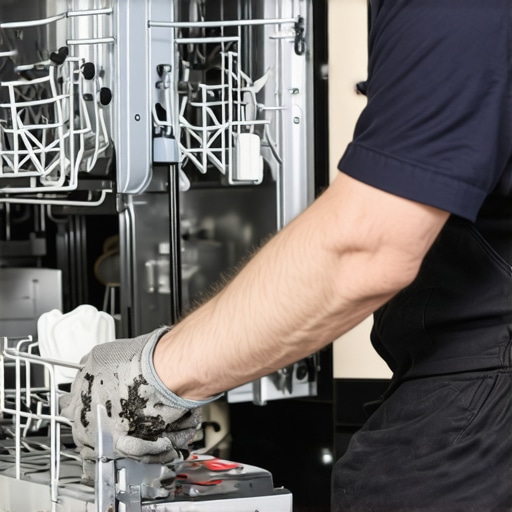
Start by unplugging your dishwasher and removing the lower rack. Use a screwdriver to open the access panels—think of it as revealing the secret chambers of a fortress. Once inside, inspect the rubber gasket, spray arms, and filter for mold, soap scum, or mineral deposits. I once found a thick layer of slime behind the spray arm, which was a game-changer for my cleaning routine. Use a soft brush or old toothbrush to scrub these areas thoroughly. Remember, dirt in these hidden zones often causes persistent odors, so don’t skip them.
Deep-Clean the Filter and Spray Arms
Remove the filter assembly; it’s usually at the bottom, similar to clearing a clogged sink drain. Soak the filter in hot, soapy water, then scrub away residues with an old toothbrush. For spray arms, unscrew them and check for clogged holes. Clear any debris with a pin or toothpick. This is akin to unclogging tiny arteries; clean arteries mean better flow and less smell. I once used a pin to clean my spray arms, which instantly improved water coverage and eliminated the odor.
Use Targeted Cleaning Cycles
After cleaning the inner components, run a cleaning cycle using a commercial dishwasher cleaner or a mixture of white vinegar and baking soda. Place a cup of vinegar on the top rack and baking soda at the bottom—think of it as a detox bath for your appliance. This neutralizes odors and dissolves mineral buildup. For heavily smelly units, repeat this process once a month. I found that a vinegar rinse significantly reduced mildew, making my dishes smell fresh again.
Prevent Future Odors with Routine Maintenance
Make it a habit to leave the dishwasher door slightly open after cycles, allowing moisture to escape—it’s like airing out a wet towel. Regularly inspect and clean the door gasket, filter, and spray arms to prevent the accumulation of grime. Use the dishwasher’s self-cleaning feature monthly; it’s akin to flushing out the system’s plumbing. Implementing these steps consistently prevents musty odors from returning, saving you time and frustration.
Leverage Professional Diagnostics to Confirm the Issue
If odors persist despite your efforts, consider professional diagnostics. An expert can check for hidden mold in inaccessible areas or mechanical issues that trap moisture. Think of diagnostics as a full-body scan for your appliance—spotting problems invisible to the naked eye. Sometimes, a failing drain pump or clogged filter can cause water to stagnate, fostering mold growth. Visiting a trusted technician can prevent more extensive damage and protect your warranty. Learn how appliance diagnostics can save your warranty.
Keep Up with Routine Checks
Set reminders to inspect your dishwasher monthly. Look for standing water, moldy smells, or residue buildup. Staying proactive similar to regular health check-ups ensures your appliance stays in optimal condition. The earlier you catch potential issues, the less costly and disruptive the repairs will be.
 Many homeowners assume that their dishwasher’s performance issues are always straightforward or that warranties cover all kinds of repairs. However, this oversimplification can lead to costly mistakes. For example, a prevalent myth is that using too much detergent damages the machine. In reality, modern dishwashers are designed to handle specific detergent quantities, and misuse might cause residues but not necessarily void your warranty. Understanding the nuances of appliance care can save you both time and money.
Another common misconception is that DIY repairs won’t affect your warranty, but many manufacturers include clauses that restrict repairs to authorized technicians or specified procedures. Ignoring these terms can inadvertently void your warranty, leaving you vulnerable if more severe issues arise. For instance, attempting to repair a circuit board without proper diagnostics may cause further damage, making professional intervention essential.
Are All Diagnostic Checks Equal for Your Warranty Coverage?Tools I Recommend for Reliable Dishwasher Care
Maintaining a dishwasher requires precision and the right equipment. I personally rely on a high-quality digital multimeter like the Fluke 117 to check electrical components such as thermostats and control boards. Its accuracy helps me diagnose issues quickly without guessing, saving time and preventing unnecessary parts replacement. When examining parts like door switches or wiring harnesses, I use a non-contact voltage tester, such as the Klein NCVT-3, which allows me to detect live circuits effortlessly and safely. This tool is crucial for identifying faulty wiring early, preventing potential fire hazards, and ensuring safety during repairs. For clearing blocked spray arms or impellers, I keep a set of precision screwdrivers and a plastidip-style cleaning tool. These enable me to disassemble parts carefully without damaging delicate clips or seals, preserving the warranty and extending the appliance’s lifespan. Using an ultrasonic cleaner can also be beneficial for deep-cleaning filters and smaller components, effectively removing soap scum and mineral deposits that regular scrubbing might miss. In the future, I predict that diagnostic apps integrated with smart appliances will become more prevalent, enabling even homeowners to perform detailed diagnostics remotely. Embracing these technologies now can prepare you for a more straightforward maintenance routine, possibly reducing reliance on professional technicians for minor issues.
How do I maintain my dishwasher over time?
The key to keeping your dishwasher functioning efficiently lies in regular inspections and proactive cleaning. Schedule monthly checks of the door gasket, filter, and spray arms. Use diagnostic tools like the multimeter to verify that electrical components are within safe operating ranges—consulting detailed guides such as this troubleshooting resource can help you interpret your findings. Additionally, utilizing smartphone diagnostic apps compatible with smart dishwashers can give you early warnings about potential issues, such as draining problems or sensor failures. Staying ahead of these signals prevents costly repairs and preserves your warranty coverage. Remember, consistent maintenance not only prolongs the device’s life but also keeps washing performance sharp and odors at bay. As a best practice, keep detailed records of your diagnostics and repairs—they can be useful if warranty claims or expert consultations become necessary. For more guidance on diagnostics and repairs, visit this comprehensive guide.
Why Precise Diagnostics Save You Money and Hassle
Investing in the right tools and routine checks reduces the likelihood of emergency repairs. When faced with persistent issues, professional diagnostics are invaluable—they reveal hidden problems like failing circulation motors or electrical shorts that aren’t obvious visually. An advanced technique I recommend involves testing the thermal fuse with a multimeter to confirm if it’s functioning properly, preventing unnecessary part replacements. According to industry experts, regular diagnostic assessments can increase the lifespan of your dishwasher and safeguard your warranty—see here for detailed insights. If you’re unsure about performing these diagnostics yourself, contacting a qualified technician is often more cost-effective than frequent, uncoordinated repairs. Trying one of these advanced tips, like testing your thermal fuse, can be a game-changer in your maintenance routine, especially as appliances become smarter and more integrated.
What I Would Do Differently Next Time to Keep Odors at Bay
After battling persistent mildew smells, I realized the key was consistent, proactive maintenance, including regular inspections of hidden parts like spray arms and filters, which I neglected initially. Embracing routine diagnostics with the right tools, like a multimeter or ultrasonic cleaner, could have saved me weeks of frustration and cost.
Tools That Transformed My Dishwasher Maintenance Game
My essential toolkit now includes a reliable digital multimeter for electrical checks, a non-contact voltage tester for safety, and an ultrasonic cleaner for deep parts cleaning. These tools, recommended by seasoned experts, empower me to diagnose and address issues before they escalate, extending my appliance’s lifespan and preserving warranty coverage.
How Caring for Your Dishwasher Tells a Personal Growth Story
Maintaining my dishwasher over time has revealed more than just appliance health—it’s taught patience, attention to detail, and the importance of routine. Each inspection reminds me that proactive care is an act of respect for my home and my investments, transforming simple maintenance into a mindful practice itself.